Breastfeeding After a C-Section: What to Know
14 September 2026
Let’s be honest—recovering from a C-section is a total rollercoaster. You’ve just been through major surgery, your hormones are doing somersaults, and now you’re about to feed a tiny human with your body. Sounds intimidating, right? But here's the good news: breastfeeding after a C-section is absolutely possible, and you can thrive at it. You just need the right info, a little guidance, and a whole lot of self-love.
In this guide, we’re cutting through the noise to give you practical, straightforward tips on how to make breastfeeding work after a cesarean birth. Whether you’re a first-time parent or a seasoned pro, we’ve got your back (and your boobs).
First Things First: Yes, You Can Breastfeed After a C-Section
Let’s squash this myth right out of the gate—having a C-section doesn’t mean you can’t breastfeed. Your body is still fully capable of producing milk. In fact, your breast milk production is triggered more by your hormones than by the way your baby is born.That said, a C-section may throw some curveballs your way, like delayed milk production, discomfort from the incision, or grogginess from anesthesia. None of these are deal-breakers. With the right support and mindset, you’ll figure it out.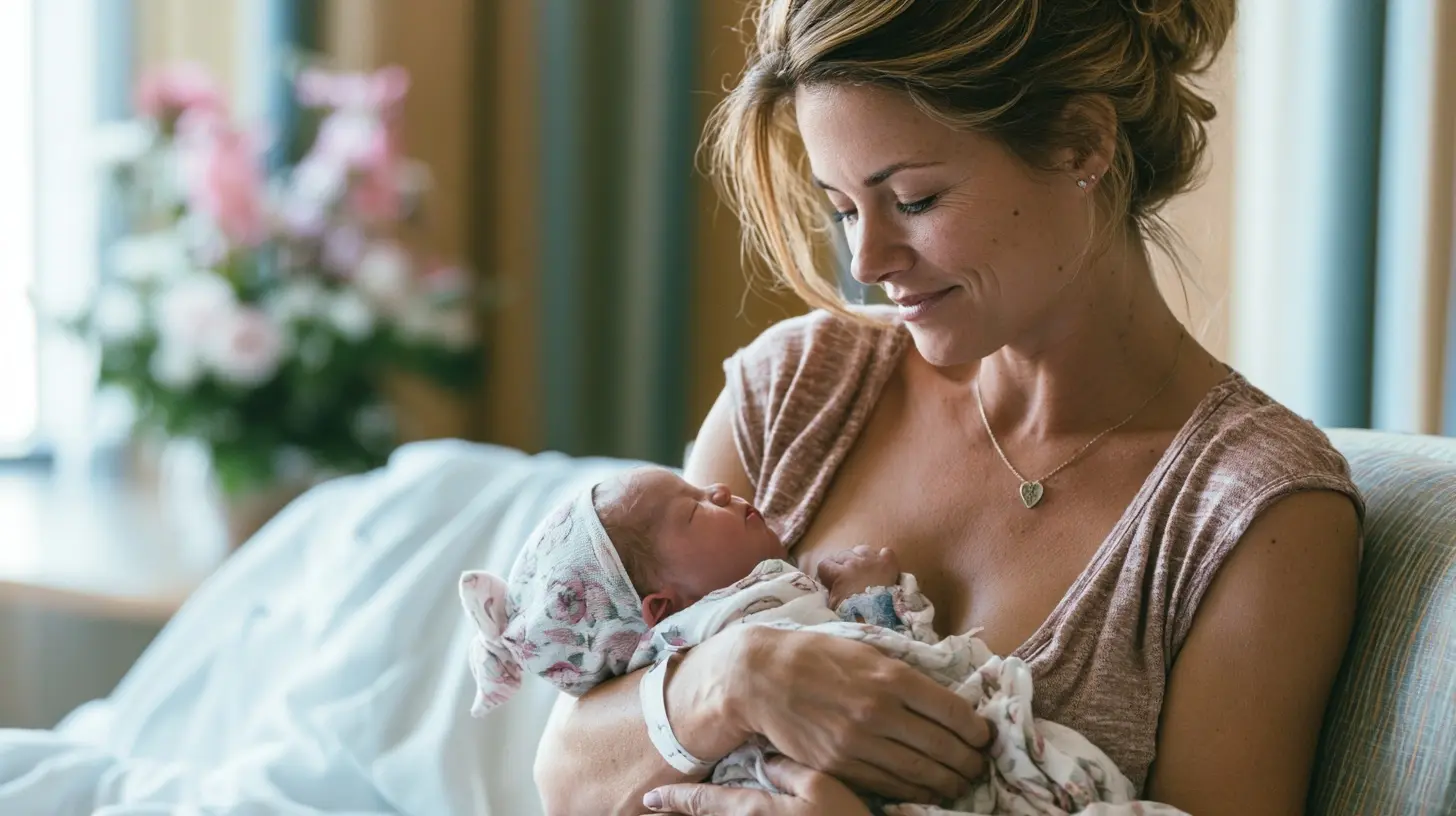
What Happens Right After a C-Section?
Knowing what to expect can make all the difference.Right after delivery, you might feel a little loopy from the anesthesia or spinal block. Sometimes babies born via C-section need a few extra minutes in the nursery for monitoring, especially if the birth was unplanned or urgent. This can delay that all-important skin-to-skin time, but don’t worry—you can still make it happen.
Hospital staff should help you get that snuggle time in as soon as possible. Those first cuddles and attempts at latching help kickstart your milk supply. If your baby isn’t able to feed right away, ask to hand express colostrum or use a breast pump. The sooner you get started, the better!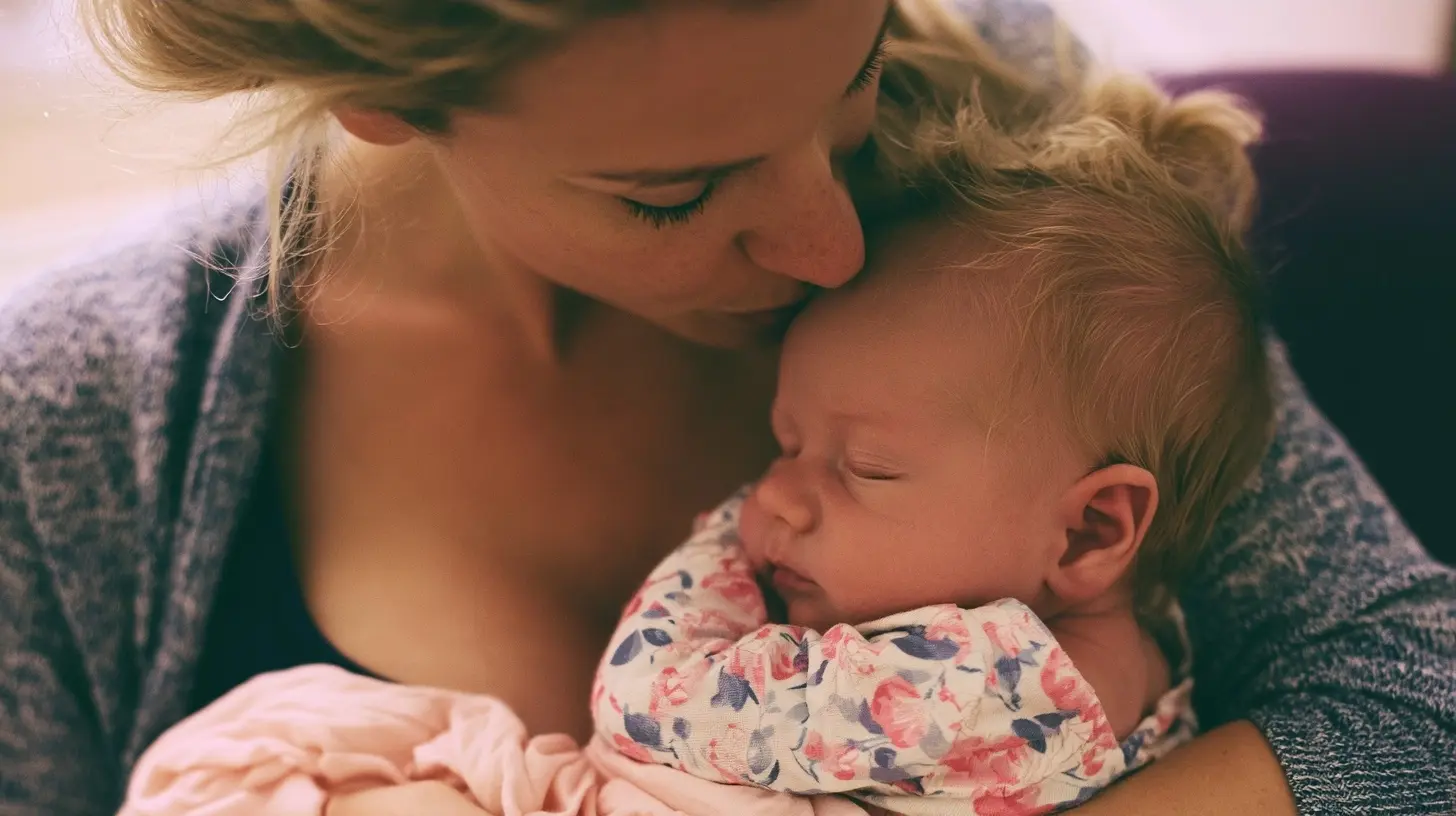
Getting That First Latch: Tips for the Win
Positioning is everything—especially when you’re dealing with a fresh surgical wound. Traditional breastfeeding positions might put pressure on your belly, so finding a position that works for you is key.Here are a few mom-approved positions that work well post-C-section:
1. Football Hold (Clutch Hold)
Think of it like tucking a football under your arm—baby’s body goes along your side. This keeps pressure off your abdomen and gives you more control over baby’s head and neck.2. Side-Lying Position
This one’s a game changer for tired moms. You lie on your side, and baby lies facing you. No upper body effort, no strain on your incision, just cozy and comfy.3. Laid-Back Position (Biological Nurturing)
Prop yourself up in bed or a recliner and place baby on your chest. Gravity helps a bit here, and it’s great for skin-to-skin bonding.Whichever position you choose, use pillows—load them up! You’ll need support under your arms, behind your back, and maybe even under baby.
Managing Pain While Breastfeeding After a C-Section
Let’s talk pain. Breastfeeding shouldn't hurt your incision, but your C-section recovery might.Stay on top of your pain meds (as prescribed), and don't be shy about asking your care team about safe medications for breastfeeding moms. Most common pain relievers like ibuprofen and acetaminophen are safe.
Also—lean into comfort strategies like using a breastfeeding pillow, wearing loose clothing, and staying hydrated. Dehydration can make everything worse, including your milk supply.
Oh, and pro tip: use the cradle of your arm to shield your belly when laughing or sneezing. Trust me, you’ll thank yourself later.
Dealing With Delayed Milk Coming In
It’s totally normal for milk to come in a little later—think 3-5 days instead of 2-3—after a C-section. Your body’s been through a lot, so it might take a bit longer to switch from colostrum (that golden first milk full of nutrients) to full milk production.Don’t panic. That early colostrum is super concentrated and packed with antibodies. It’s called “liquid gold” for a reason.
In the meantime:
- Keep baby close as much as possible
- Nurse often—at least 8-12 times in 24 hours
- Use skin-to-skin contact to boost those milk-making hormones
- Pump if your baby can’t latch yet
Consistency is your best friend here. Your body works on supply and demand—so keep demanding.
When Baby Has Trouble Latching
Some babies, especially those born via C-section, may be a little sleepy or sluggish at first. This can make latching a challenge.If that happens:
- Try skin-to-skin time before feeds
- Gently wake baby by undressing them or tickling their feet
- Offer the breast when baby shows early hunger cues (rooting, sucking on hands)
- Don’t wait until baby is frantically crying—feeding is harder when they’re hangry
If you continue to struggle with latching, don’t suffer in silence. Reach out to a lactation consultant. These folks are breastfeeding superheroes and can help you tweak positioning, troubleshoot issues, and build your confidence.
Balancing Recovery and Breastfeeding
Truth time: C-section recovery isn’t always a walk in the park. You’re healing from major abdominal surgery while adjusting to round-the-clock baby care. It’s a lot.Here’s how to juggle it all without losing your mind:
- Rest whenever you can. Seriously, forget the dishes.
- Accept help. Let others cook, clean, or even hold the baby while you rest or pump.
- Eat and hydrate. Breastfeeding burns calories, and your body needs fuel.
- Set realistic goals. Some days you’ll feel like a supermom, other days you might cry into your coffee. Both are okay.
The more you care for yourself, the easier breastfeeding—and parenting in general—will be.
Breastfeeding Challenges Unique to C-Section Moms
You’ve already got your hands full, but cesarean moms can face a few extra bumps in the breastfeeding road. Knowing what those are can help you tackle them head-on.1. Nipple Confusion
If your baby was given bottles or pacifiers before breastfeeding was established, they might get a little confused about nipple shapes. Try to hold off on artificial nipples until breastfeeding is going well, typically after 4-6 weeks.2. Extra Sleepy Baby
Some C-section medications can make baby drowsier at first. That means you may need to wake them up for feeds more actively and often.3. Juggling Bonding Time
With all the hospital protocols and interventions, it might feel like you missed out on those “natural” early bonding moments. That’s okay. Bonding isn’t a one-time event—it’s a journey.When to Ask for Help (Hint: Sooner Is Better)
There’s no shame in asking for help. In fact, it’s a strength.Call in the experts if:
- Baby isn’t gaining weight
- Nursing is painful or frustrating
- You’re not sure if baby is getting enough milk
- You feel anxious, overwhelmed, or disconnected
Lactation consultants, postpartum doulas, support groups, and even online communities can make a world of difference. You don’t have to go it alone.
Encouragement for the Journey Ahead
Hey, you’re doing amazing. Breastfeeding after a C-section can come with extra hurdles—but it also comes with tons of rewards.That bond you’re building? Unmatched.
That nourishment you’re giving? Seriously powerful.
And the confidence you’re gaining? That’s going to carry you through so many parenting challenges ahead.
Take it one feed at a time. Lean on your village. And know that however your breastfeeding journey unfolds, you are already enough.
Final Thoughts
Breastfeeding after a C-section doesn’t need to be scary or stressful. Sure, it takes patience, support, and a bit of creativity—but it’s absolutely within your grasp. Embrace the mess, trust your instincts, and celebrate the small wins. Every drop counts. Every cuddle counts.You've got this.
all images in this post were generated using AI tools
Category:
BreastfeedingAuthor:

Max Shaffer