Raising Kids Who Appreciate the Little Things
24 May 2026
We live in a world that's all about "more." Bigger toys, the latest gadgets, overflowing schedules, and non-stop entertainment. In the middle of all this noise, it's easy for kids to start believing that happiness comes from getting the next big thing. But here's a thought—what if the key to happy, grounded kids is helping them slow down and see the beauty in the small stuff?
That’s what this article is all about. Raising kids who truly appreciate the little things. You know, the sound of birds chirping on a quiet morning, the smell of cookies baking in the oven, a hand-written note, or just a moment of undivided attention with a loved one.
Let's dig into how we, as mindful parents, can raise children who not only recognize these little joys but grow up feeling deeply connected to them.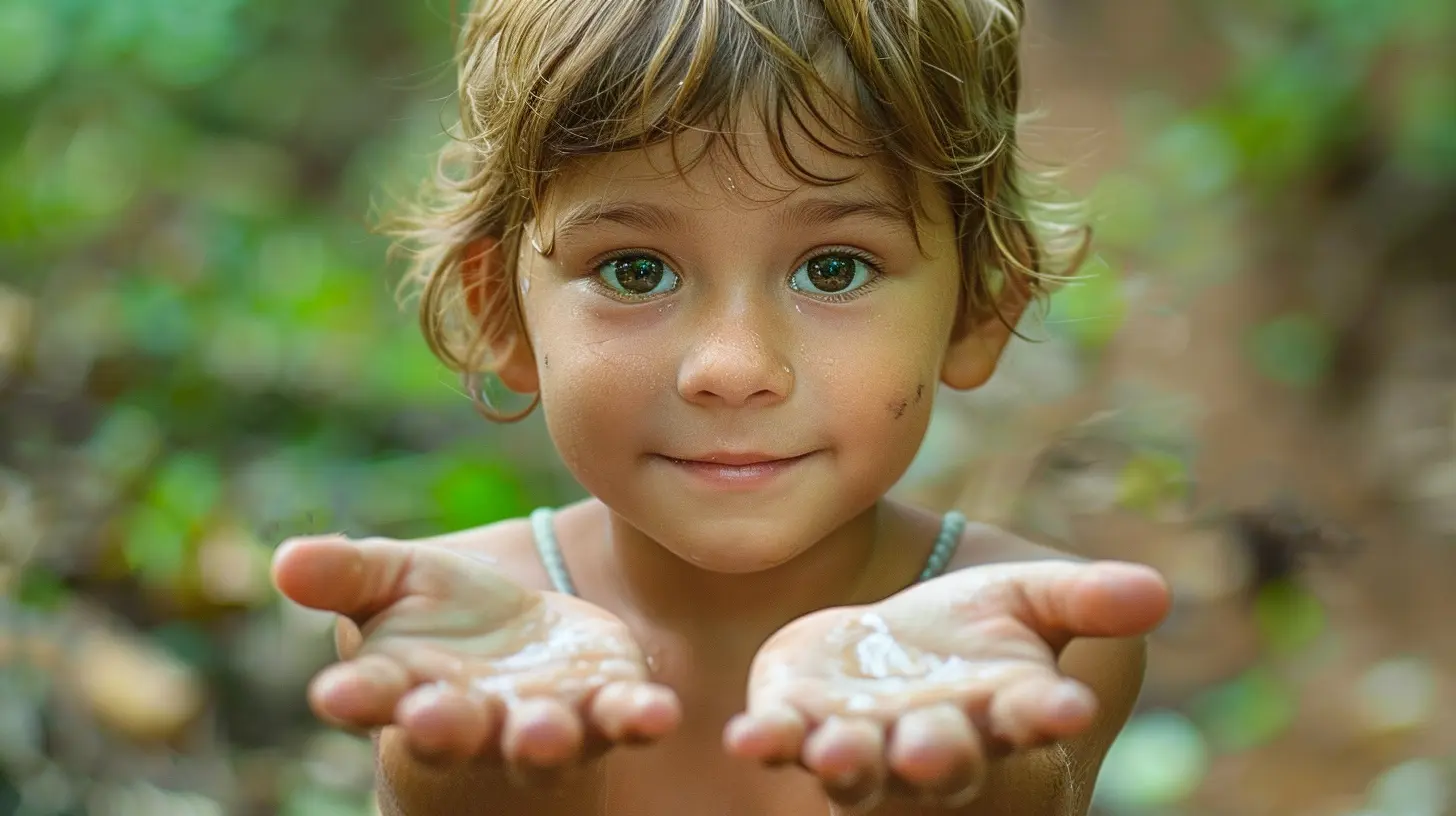
Why Appreciating the Little Things Matters
So, why should we even care about whether our kids notice the little things? Here’s the deal—grateful kids become happier adults. It’s that simple.When children learn to find joy in simple moments, they’re less likely to be consumed by the constant chase for more. They show more empathy, are emotionally stronger, and have a more positive outlook on life. Think of it like building an emotional immune system. Instead of swinging with every high and low, they develop a steady sense of contentment.
Emotional Benefits
- Stronger mental health: Kids who appreciate small daily joys are less prone to anxiety and depression.- Better resilience: A child who finds comfort in simple things tends to bounce back faster from life’s challenges.
- Deeper relationships: Gratitude fosters kindness and empathy. Kids learn to value people over possessions.
Long-Term Impact
Imagine your child as an adult, finding peace in watching a sunset after a long day, rather than needing expensive getaways to de-stress. That’s the kind of future we’re aiming for. Contentment over consumption.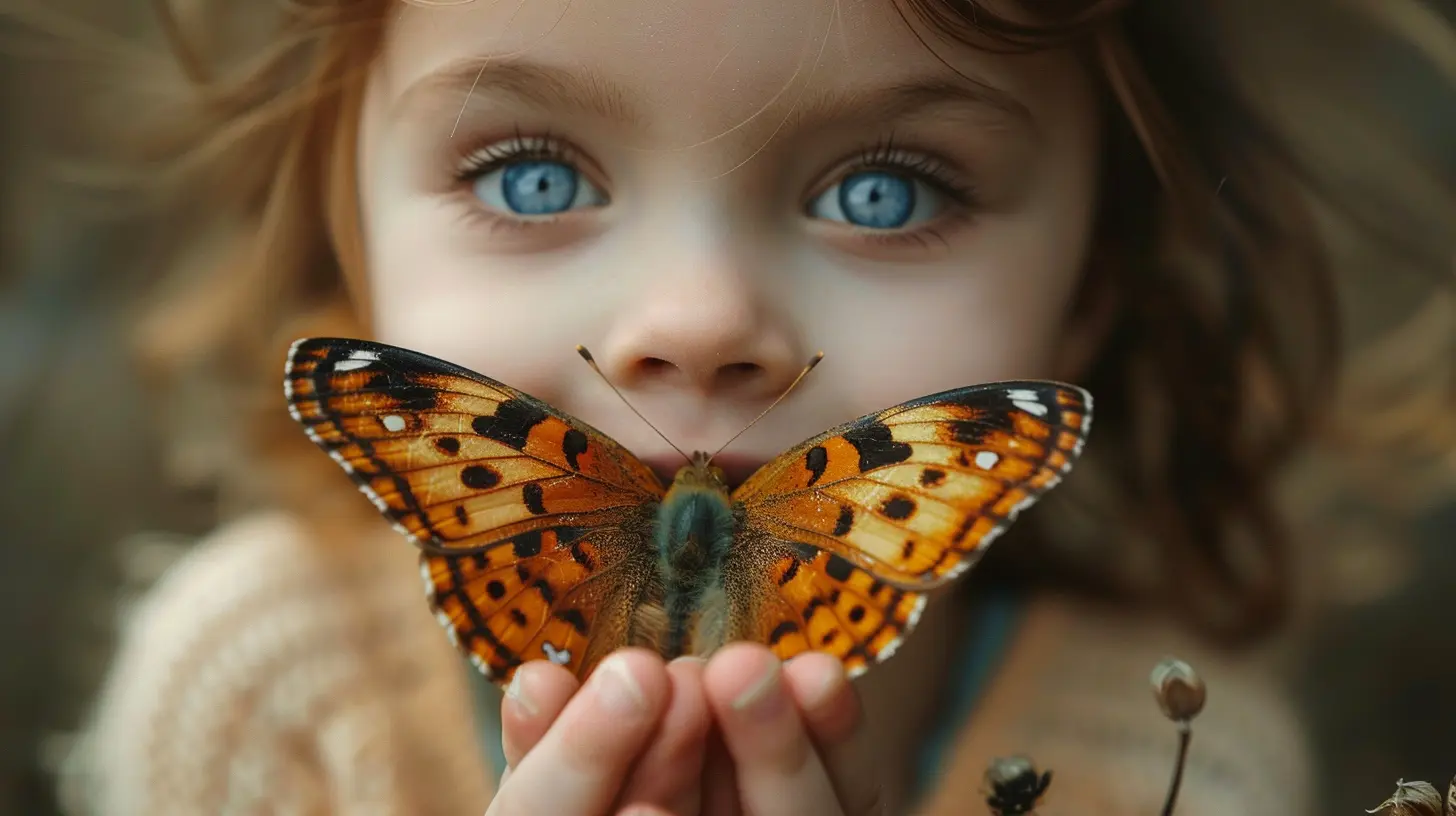
Leading by Example: The Power of Modeling
Let’s be honest—kids are always watching us. You can give them a hundred lectures on gratitude, but if they don’t see it in your actions, it won’t stick.When was the last time you showed genuine excitement over something small? Maybe a homemade gift, or a beautifully brewed cup of coffee? Kids pick up on these moments.
Be Vocal About Your Appreciation
Say it out loud when something warms your heart. “Wow, look at that sky—it’s like cotton candy!” or “This soup tastes just like Grandma’s, brings back memories.”Create a home where expressing joy—even over small things—is natural and frequent.
Slow It Down: Less is Truly More
Here’s a secret—kids don’t need a packed calendar or a room full of expensive toys to be happy. Over-scheduling kills their ability to notice the small stuff.Keep Downtime Sacred
Leave room for boredom. Yes, you heard that right. Boredom breeds creativity and mindfulness. It gives kids the mental space to sit in silence, observe their surroundings, and foster appreciation.Limit Screen Time
Screens are non-stop stimulation machines. When kids are constantly entertained, their brains become wired to need constant input. Try replacing screen time with activities like:- Nature walk scavenger hunts
- Journaling or drawing
- Simple baking or gardening
Let them experience what it means to be present.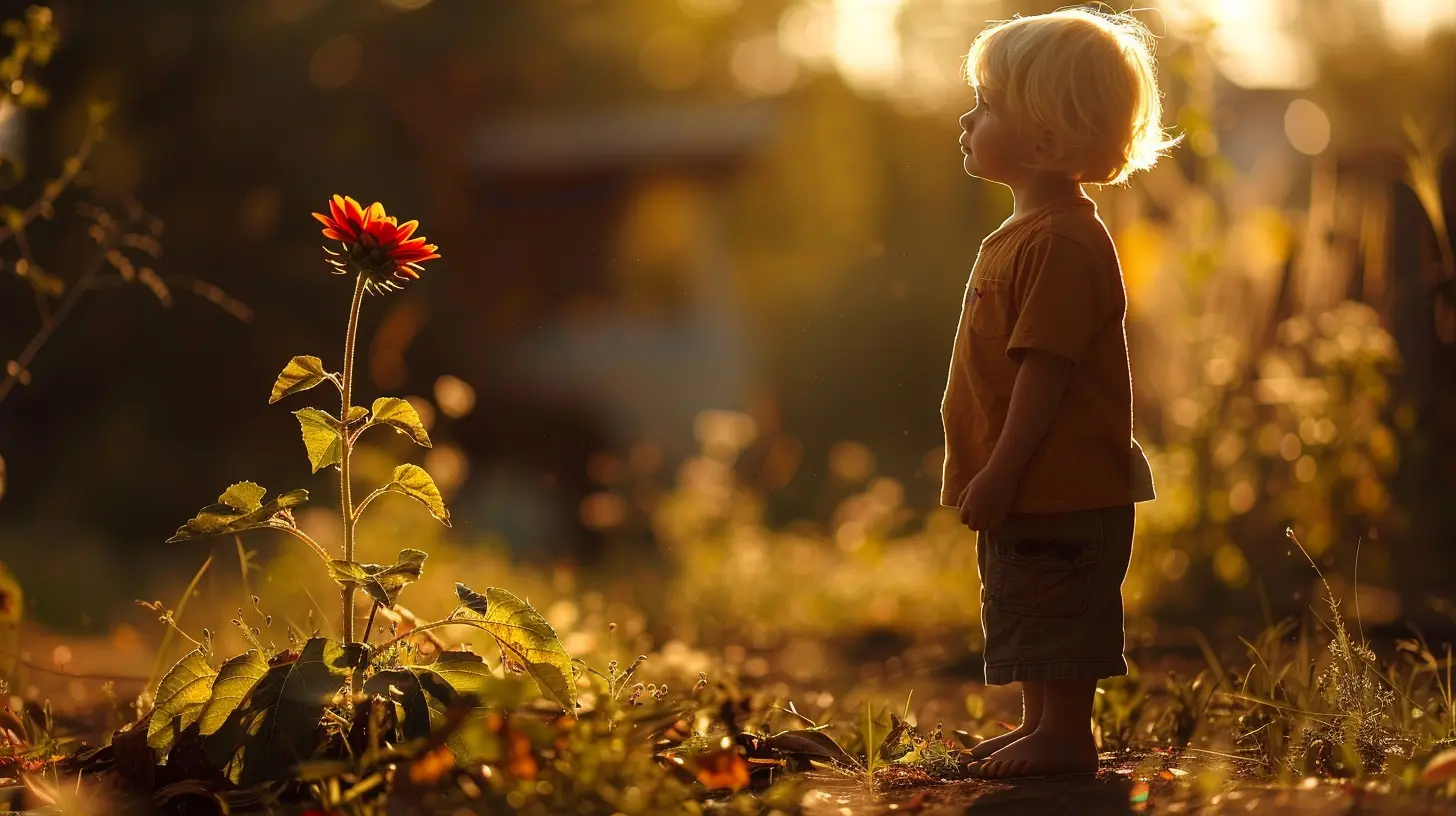
Emphasize Experiences Over Things
Gifts fade. Experiences stick. Ask any adult about their favorite childhood memories—most will mention moments, not objects.Create Memory-Making Rituals
Start small:- Weekly “sunset walks”
- Monthly “family gratitude dinners”
- Sorting photos and talking about shared memories
Involve your kids in planning these too. When they help create rituals, they become emotionally attached to them.
The Gratitude Habit: Teaching Thankfulness Daily
Gratitude isn't something we’re born with. It’s a muscle—one we have to build and stretch regularly. So how do you do it without sounding preachy?Gratitude Journals for Kids
They don’t have to be fancy. A notebook, some crayons, maybe stickers—ask your child to jot down (or draw) one thing they’re thankful for each day. Help them notice things like:- "I got an extra hug at bedtime"
- "There was syrup on my pancake this morning"
- "Mom let me stay up 10 minutes longer"
It’s these “little wins” that build a lifelong gratitude mindset.
Keep Gratitude Conversations Casual
You don’t need to turn it into a formal activity. Sprinkle it into your day:- “What was your favorite part of today?”
- “Did anything small make you smile?”
- “What’s one thing you’re thankful for right now?”
This keeps the conversation light and routine.
Encourage Mindful Observation
Want your child to soak in the present moment? Make it a game.Play the "Noticing Game"
On a walk, ask, “How many different bird sounds can you hear?” or “Can you find five things that are blue?” It pulls their focus into the now, and teaches them to tune into the world around them.Sensory Check-ins
Before meals or bedtime, ask them to list:- Something they saw today
- Something they heard
- Something they touched
- Something they smelled
- Something they tasted
This practice grounds them and helps develop mindfulness—an essential part of appreciating the little things.
Celebrate Effort, Not Just Achievement
If your child thinks they only earn praise for big wins, they’ll start ignoring the little victories. That mindset can spill into adulthood.Highlight the “In-Betweens”
Instead of celebrating just the A on the test, celebrate the studying.Instead of just the goal in soccer, celebrate the passes and teamwork.
When your child sees you light up over their efforts, they learn that value isn’t tied to outcomes.
Practice Acts of Giving
Want kids to appreciate what they have? Let them experience the joy of giving.Involve Them in Small Acts of Kindness
- Baking cookies and delivering them to neighbors- Donating gently-used toys and clothes
- Writing thank-you cards to teachers or family
Giving reminds children that joy lives in human connection, not material stuff.
Let Them Experience Disappointment
This one might sound a little harsh, but it’s real. If we shield our kids from every “no” or tiny failure, they don’t learn to appreciate when things go right.Missed out on dessert? That makes tomorrow’s treat feel special.
Didn’t win the game? That makes the next victory mean more.
Let children sit with small disappointments without rushing to fix them. These moments build perspective.
Build a Home of Appreciation
Your environment matters. If your home is filled with pressure, perfectionism, or negativity, gratitude struggles to grow.Pause and Reflect as a Family
At dinner or bedtime, take turns sharing something small you each appreciated that day. It could be as simple as the sun shining or the way their sibling shared a toy.Hang artwork, family photos, and reminders of meaningful memories. Let your home reflect values, not just aesthetics.
Avoid Comparison Culture
Comparison is the thief of joy—and it starts young. Social media, peer pressure, and even offhand adult comments can make kids feel someone else always has more or better.Teach Them to Cheer for Others
Model celebrating others without resentment. When kids see you genuinely happy for someone else’s success, they learn it's not a threat to their own joy.Redirect envy into curiosity. “They have something cool? That’s awesome. What do you love most about what you have?”
Consistency Over Perfection
Here’s the kicker—raising mindful, grateful kids isn’t about being a perfect parent. Let’s ditch that pressure right now. What matters is consistency.You're going to miss a gratitude check-in now and then. That’s okay. What matters is showing up over time, even with baby steps.
By staying present, modeling appreciation, creating space for mindful moments, and encouraging gratitude as a daily habit, you're planting seeds that will grow into something beautiful.
Final Thoughts
Raising kids who appreciate the little things isn’t a one-and-done lesson. It’s a parenting philosophy. It’s about slowing down in a fast-paced world and making space for wonder, joy, and gratitude.And here's the beautiful twist—you’ll find, as you guide your child to notice life’s small joys, you’ll start noticing them more too. In this way, teaching gratitude becomes a gift you both receive. So slow down, breathe in the moment, and start celebrating the little things... one small joy at a time.
all images in this post were generated using AI tools
Category:
Teaching GratitudeAuthor:

Max Shaffer
Discussion
rate this article
2 comments
Gabriella Sweeney
Teaching kids to appreciate the little things fosters gratitude and mindfulness. Simple moments, like enjoying nature or sharing a meal, can instill lasting values. Encouraging curiosity and engagement in daily life can help them find joy in the ordinary.
June 22, 2026 at 3:22 PM
Max Shaffer
Absolutely, teaching kids to cherish simple moments shapes their perspective on life. It builds a foundation for gratitude that lasts.
Corin Lawrence
This article offers valuable insights into fostering gratitude in children. Encouraging them to notice and appreciate the small moments can shape their perspectives and enhance their happiness. It's a meaningful journey that benefits both kids and parents alike.
May 24, 2026 at 2:52 AM
Max Shaffer
Thank you for your thoughtful comment! I'm glad you found the insights valuable. Fostering gratitude really does make a difference in our kids' lives.