The Role of Shared Chores in Sibling Cooperation
25 February 2026
When you think of chores at home, you might imagine groans, eye-rolls, and the classic “Why do I have to do it?” But what if I told you that those very tasks—taking out the trash, loading the dishwasher, or folding laundry—could be the secret sauce to building better sibling relationships?
Yep, you heard that right.
Shared chores might seem like just a way to lighten the parental workload (and let’s be honest, that’s a nice perk), but they also play a powerful role in teaching kids teamwork, communication, empathy, and accountability. So, let’s dig into why shared chores are way more than just household to-do’s—they’re life lessons disguised in dirty laundry.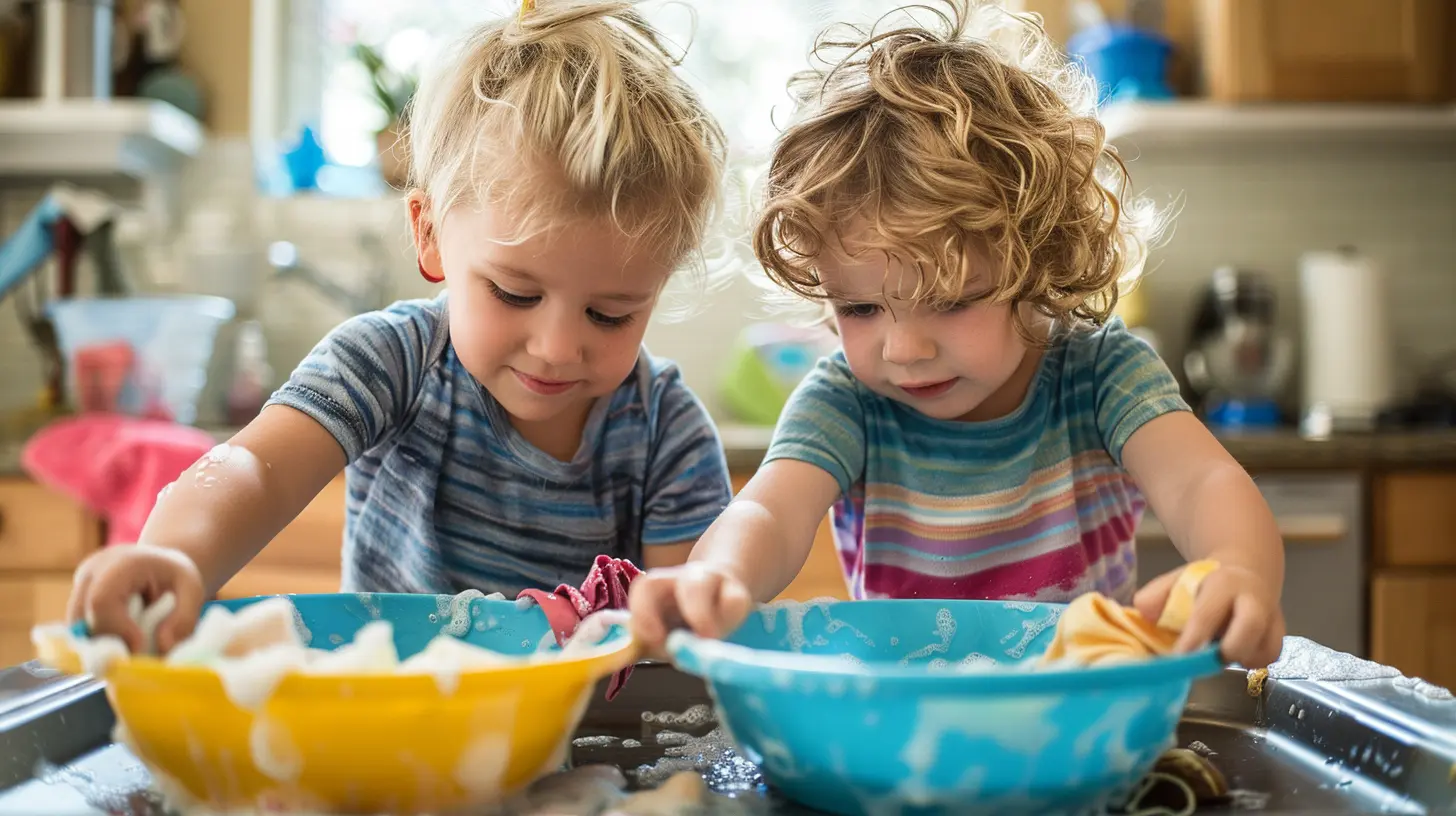
Why Sibling Cooperation Matters
Think about how much time siblings spend together, especially in their early years. They’re roommates, playmates, and sometimes, rivals. Like it or not, they’re each other’s first “team.” Teaching them cooperation from the get-go sets the stage for stronger social skills, emotional intelligence, and more peaceful living—for everyone under your roof.When kids learn to work together at home, it reflects in their ability to collaborate with classmates, future coworkers, and even their own families someday. And guess what? Shared chores are an everyday, hands-on way to teach that.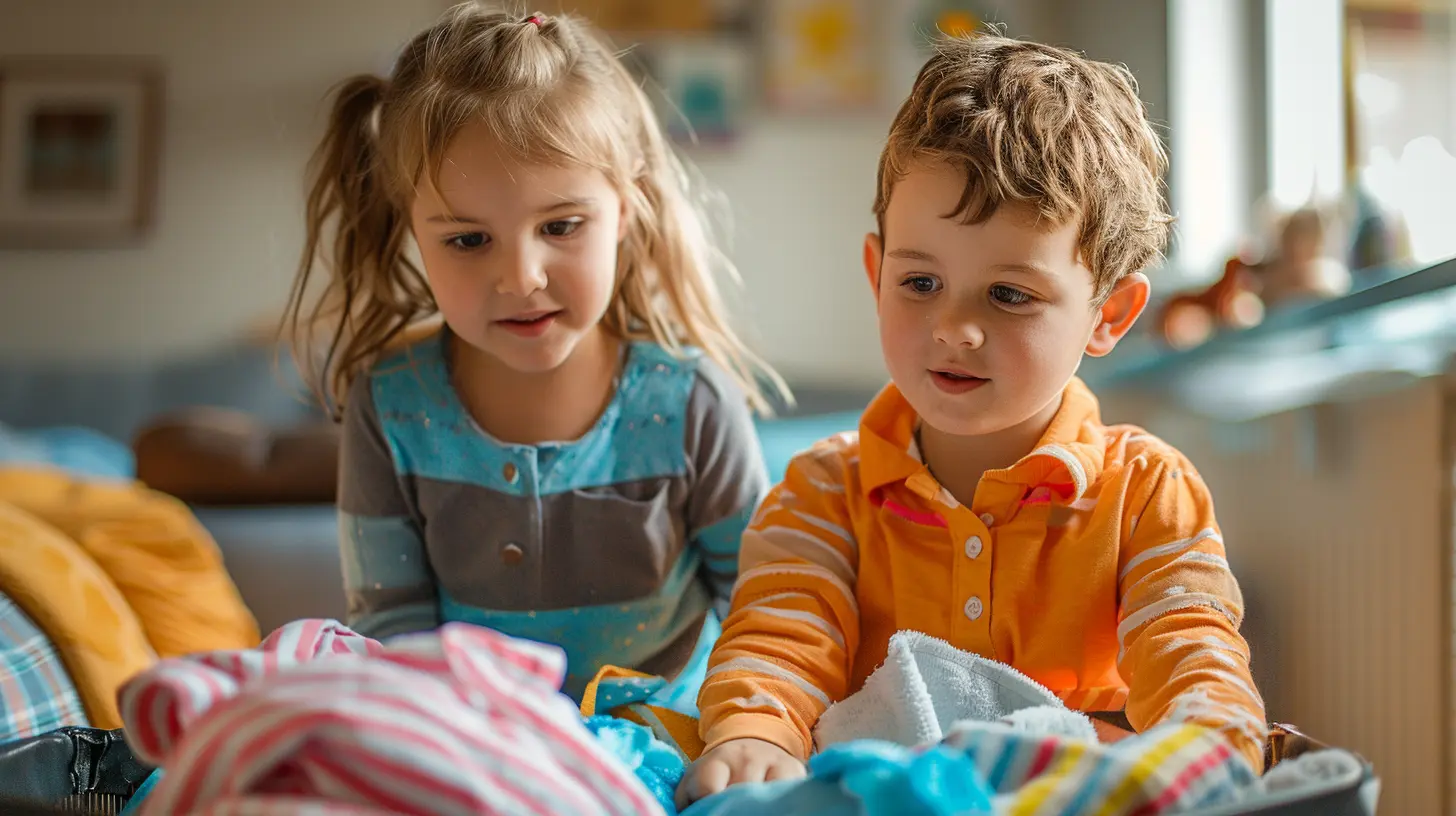
Chores: A Built-In Teamwork Training Ground
Let’s break it down. What’s involved in doing chores together?- Planning ("Who’s going to do what?")
- Division of tasks ("You vacuum, I’ll mop.")
- Timing ("Let’s finish before dinner.")
- Problem-solving ("Oops, we dropped the detergent—now what?")
- Compromise ("Fine, I’ll take the trash if you do the dishes.")
That’s teamwork in action, folks!
When kids engage in chores together, they’re practicing life skills. They’re learning to listen to each other, divide responsibilities, and navigate minor conflicts. These lessons stick because they’re real, repeated, and reinforced daily.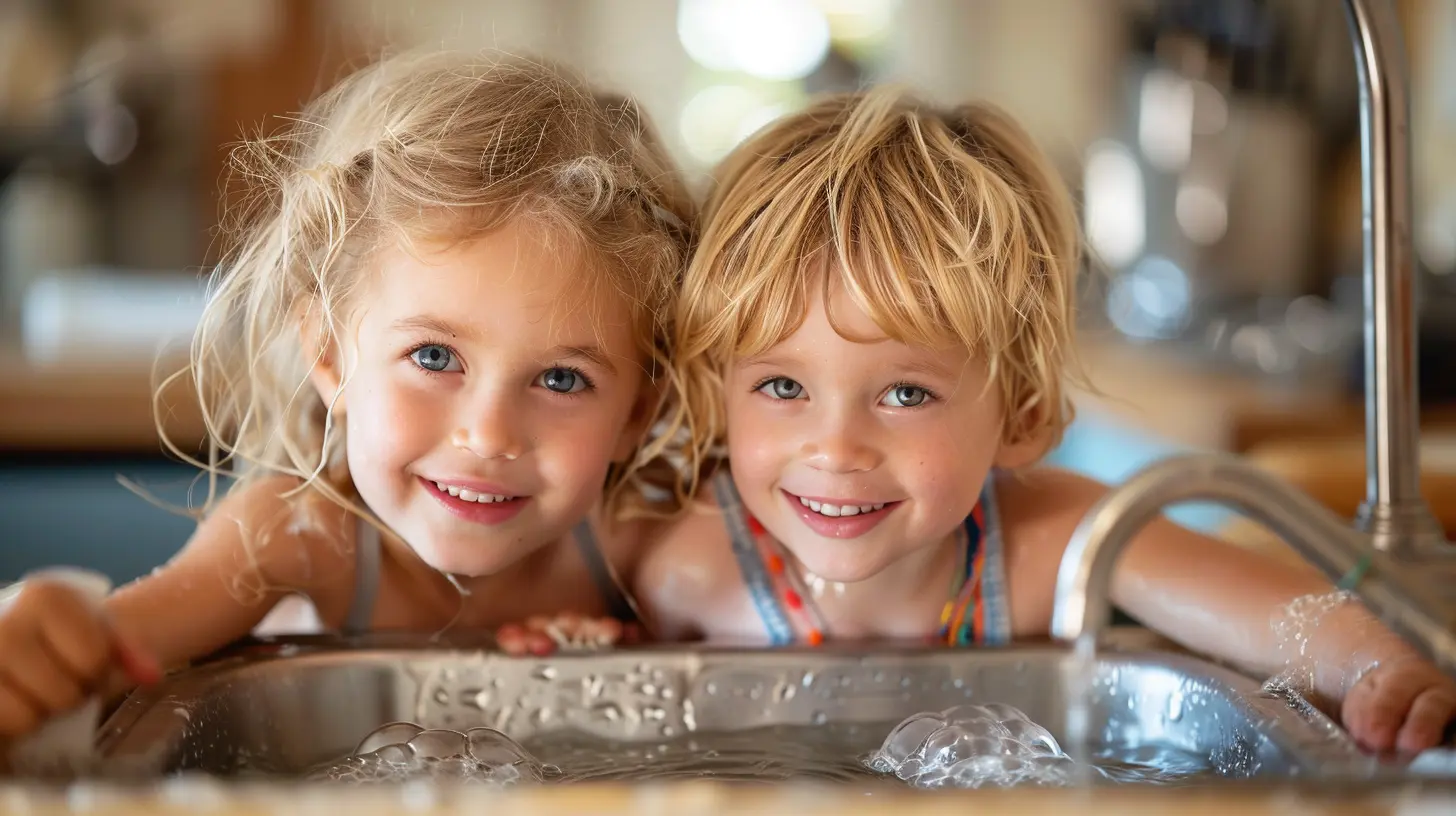
The Psychology Behind Shared Responsibility
Here’s something interesting—studies show that kids who are given age-appropriate responsibilities early in life tend to grow up with a stronger sense of purpose and independence. But when you add a sibling dynamic into that mix, you get an added bonus: mutual accountability.When siblings rely on one another to get things done—whether it's cleaning up the playroom or preparing snacks—they begin to see each other as dependable. Over time, this builds trust. And trust builds connection.
It’s kind of like building a bridge. Each shared task lays another plank, strengthening the structure of their relationship.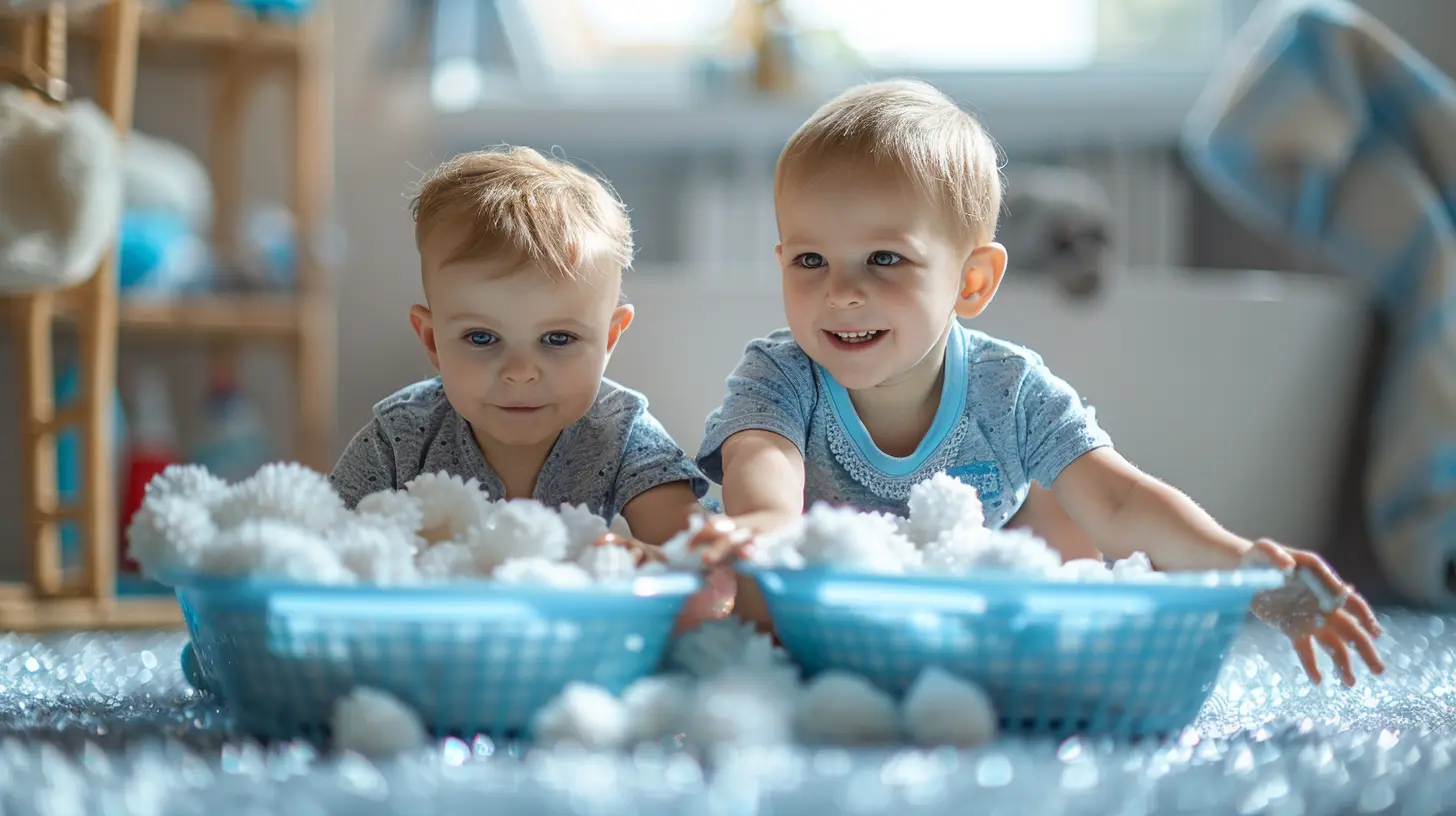
Age-Appropriate Chores for Sibling Teams
Not all chores are created equal, and certainly not all kids can (or should) do the same tasks. Here are some shared chores you can delegate based on age groups:For Toddlers and Preschoolers (Ages 2–5)
At this stage, it's all about making it fun and building the habit.- Picking up toys together
- Feeding pets with supervision
- Wiping down low surfaces
Work in pairs! Older siblings can “lead” while little ones follow. This gives the older child a sense of responsibility and the younger one a model to follow.
For Elementary School Kids (Ages 6–10)
Kids this age can handle more structure.- Making their beds side by side
- Setting the table together
- Folding laundry as a team (one sorts, one folds)
Here’s a tip: Turn it into a race or challenge. “Let’s see if you two can fold all the towels before this song ends!”
For Tweens and Teens (Ages 11+)
At this level, you can delegate more complex tasks that require genuine collaboration.- Cooking dinner (one preps, one cleans up)
- Mowing the lawn and handling outdoor chores
- Organizing shared spaces like the garage or family room
They might not be thrilled, but remind them—this is what being a good roommate/partner/friend looks like in the real world.
The Magic of Routine and Structure
Spontaneity has its charm, but let’s be real—kids thrive on structure. Having a consistent chore schedule helps avoid conflict and confusion.Establish a weekly chore chart, and rotate responsibilities. This way, no one feels stuck with the “bad” jobs. Want to up the motivation? Use sticky notes, draw names from a jar, or gamify the chart with stickers or points.
And always, always make time for a quick huddle before starting. “Okay team, here’s what we’re tackling today. Who’s doing what?”
Turning Arguments into Opportunities
Let’s address the elephant in the room—siblings fight. And yes, shared chores can be a battleground.But here’s the twist: conflict is part of the learning process.
Instead of stepping in every time someone yells "That's so unfair!", guide them toward resolving it themselves.
- Ask questions like: “How can you work this out together?”
- Encourage compromise: “Can you switch roles tomorrow?”
- Validate emotions: “I hear you're frustrated—but how do you think your sibling feels?”
When you coach them through disputes during chores, you’re teaching conflict resolution without a lecture.
Celebrating Their Team Wins
You know what really motivates kids? Praise. Not just for doing the work, but how they did it.Highlight not just the results but the process:
- “I love how you helped your brother carry the laundry basket.”
- “You two made an awesome team in the kitchen tonight!”
- “Thanks for working that out without yelling. That was super mature of you both.”
Celebrating cooperation builds a positive feedback loop. The more they feel good about working together, the more likely they are to do it again—with less fuss next time.
Let Them Take the Lead
Want to supercharge sibling cooperation? Hand over the reins.Let them plan the weekly chore schedule or decide how to divide the tasks. When kids have ownership, they’re more invested.
You might be surprised at how creative they get: “We’ll do a chore relay. I wipe, you dry.” Or, “Let’s switch roles every 10 minutes so it’s fair.”
Will they need a little guidance? Sure. But giving them a say teaches leadership and collaboration—and relieves you from being the Mean Chore Boss.
Life Skills That Go Way Beyond Cleaning
We often think of chores as just a means to keep the house tidy. But the ripple effect is much bigger. Through shared chores, kids learn:- Time management (“Let’s finish before our show starts!”)
- Negotiation (“I’ll do the sweeping if you take the dog out.”)
- Empathy (“You looked tired, so I did your part today.”)
- Resilience (“That didn’t work, let’s find another way.”)
These are skills that prepare them not just to function in society, but to thrive in it. And because they learned it side-by-side with someone who drives them a little crazy sometimes? That’s even more impressive.
What to Avoid: Common Pitfalls
While shared chores can be magic, they’re not foolproof. Here’s what to watch for:1. Uneven Expectations
If one child feels they’re doing all the work, resentment builds fast. Be clear, be fair, and check in regularly.2. Overparenting the Process
Try not to micromanage every step. Kids need space to find their rhythm and learn from small mistakes.3. Skipping the Follow-Up
Always circle back. Praise the success, talk through the hiccups, and adjust if needed. This keeps everyone on the same page and engaged.How to Start Today
Ready to kick off chore-sharing in your home? Here’s a quick-start checklist:1. Pick a couple of tasks that require teamwork.
2. Create a chart or visual plan so everyone knows what to do.
3. Set clear expectations—what “done” looks like.
4. Be patient—the first week might be messy.
5. Praise effort, not perfection.
Before long, you’ll hear less “Ugh, do I have to?” and more “Let’s just get it done together.”
Wouldn’t that be sweet?
Final Thoughts
Shared chores aren’t a miracle cure for sibling rivalry, but they’re a powerful (and practical) tool for teaching cooperation. Every dish they wash, every floor they sweep together lays a foundation for something much deeper—respect, teamwork, and a sense of togetherness.In the end, it's not really about the chores.
It’s about raising little humans who know how to work together, solve problems, and support each other—even when it's over who gets to use the vacuum first.
And hey, if that means you don’t have to fold the laundry this week, all the better.
all images in this post were generated using AI tools
Category:
Sibling BondingAuthor:

Max Shaffer
Discussion
rate this article
2 comments
Catherine Yates
Chores: Hidden bonds, revealed tensions.
March 2, 2026 at 5:46 AM
Max Shaffer
Thank you for your insight! It's fascinating how shared chores can both strengthen sibling relationships and expose underlying tensions. Balancing responsibilities often reveals much about communication and teamwork.
Kayla Diaz
Shared chores nurture teamwork and strengthen bonds.
February 25, 2026 at 5:23 PM
Max Shaffer
Absolutely! Shared chores not only promote teamwork but also foster deeper relationships among siblings by encouraging collaboration and communication.