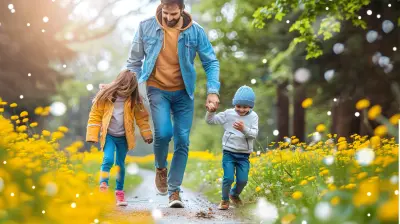
The Secrets to Nurturing a Lifelong Bond Between Siblings
30 May 2026
Let’s face it—parenting comes with a thousand little challenges a day. But right up there, one of the biggest hopes (and sometimes anxieties) many parents carry is raising kids who grow up not just as siblings but as lifelong best friends. You know, the kind who laugh at inside jokes from childhood even when they’re pushing 40. The kind who text each other memes at midnight and always show up, rain or shine.
So, how do you get there? Is it luck? Magic? Or is there something more to it?
Well, I’ve got good news—it’s something you can actually guide and nurture. Let’s walk through the tried-and-true secrets to building and strengthening that unbreakable bond between siblings.
Why Sibling Bonds Matter More Than You Think
Before diving into the how, let’s talk about the why.Siblings are usually the longest relationships we’ll have in our lives. Think about that—long after childhood, parents, and even our own children, our siblings are typically still walking beside us.
A strong sibling bond offers emotional security, shared history, and a built-in support system. It’s a safe space where kids can practice social skills, work through conflict, share joy, and feel understood on a level no one else can match.
Pretty powerful stuff, right?
Start Early: The Foundation Begins at Birth
1. Introduce New Siblings With Care
Bringing home a new baby? That moment can set the tone for years to come. Involve big siblings in the pregnancy—let them feel the baby kick or help set up the nursery. This plants seeds of connection early on.When the baby arrives, don’t just focus on the newborn. Ensure older siblings still get one-on-one time with you and praise their involvement with baby duties. Even giving them the title of “Big Brother” or “Big Sister” can make them feel proud and important.
2. Use Positive Language About Sibling Relationships
The way you talk matters more than you think. Constantly saying things like, “You better be nice to your brother!” might make it sound like a chore rather than something meaningful.Instead, try framing it positively:
“Isn’t it awesome to have a built-in buddy for life?”
By positioning the sibling relationship as something fun and valuable, you're helping your kids internalize that perspective long-term.
Be The Role Model You Want Them To Follow
Children are master mimickers. If they see you yelling at your partner or gossiping about family, guess what? That’s what they’ll think is normal.So model the kind of communication, forgiveness, and kindness you want them to show each other. Show empathy, and let your kids hear you apologize when you’ve lost your temper. Sibling relationships are often mirrors of the environment they grow up in.
Encourage Teamwork Over Competition
3. Watch Out for Constant Comparisons
One surefire way to drive a wedge between siblings? Constantly comparing them.Ever said, “Why can’t you be more like your sister?” Yeah… don’t.
Each child is unique, with their own strengths and quirks. Celebrate them individually. When kids feel valued for who they are, they don’t need to compete for approval.
4. Foster “We” Mentality
Encourage your kids to work together—whether it’s building a Lego tower or setting the table. Use phrases like “Team [last name]!” or “Let’s solve this as a team.”These small, simple moments add up. They teach your kids that working together not only gets the job done faster but also makes it more fun.
Handle Conflict the Right Way
5. Don’t Play Referee—Be a Coach
Sibling fights are inevitable. In fact, conflict is actually a good training ground for life. But how you handle it can either create resentment or teach resolution skills.Instead of immediately stepping in and deciding who’s right and wrong, help them work through it together. Ask open-ended questions like:
- “How did that make you feel?”
- “What would you like to happen next?”
- “Can you think of a way to solve this together?”
You’re not just stopping the argument—you’re teaching empathy, negotiation, and respect.
6. Set Boundaries and Create Safe Zones
It’s also okay—and healthy—to teach kids about personal space. Encourage them to respect each other’s things and feelings. Sometimes building a bond means allowing a little breathing room too.Make Time for Shared Experiences
You know what forges deep connections? Memories.7. Create Family Rituals
Whether it’s Friday pizza night, Saturday morning cartoons, or annual camping trips, shared rituals give siblings something to look forward to—and something nostalgic to bond over later in life.These routines become the glue that holds their shared story together.
8. Encourage Inside Jokes and Creative Play
Give them the freedom to be silly together. Whether it’s coming up with their own secret handshake or making up games no one else understands, these quirky little moments are huge for connection.Let go of being hyper-structured sometimes and let them just… be.
Celebrate Each Other’s Wins
Let’s shift away from sibling rivalry, shall we?When one child does well—whether it’s a test, a recital, or just surviving a tough day—let their siblings join in the celebration. Teach them to cheer each other on.
Simple phrases like “Your brother worked really hard on that drawing, isn’t it cool?” or “Let’s give your sister a high-five for being brave at the dentist today” encourage a culture of mutual support—not jealousy.
Respect Individuality Within The Bond
Yes, bonding is important. But so is respecting their autonomy.9. Give Them Space to Grow Separately
Not every activity needs to be done together. As your children grow, let them have their own interests and friends.Their bond isn’t threatened by time apart. In fact, sometimes having a little breathing room gives them more to talk about and appreciate in each other when they reconnect.
10. Avoid Labeling Roles
“She’s the smart one.”“He’s the funny one.”
Sound familiar?
These labels can box kids in and cause resentment. Let them define their own identities. They’re evolving humans, not sitcom characters.
Keep Showing Up As They Grow
The sibling relationship doesn’t freeze in childhood—it evolves.11. Check In During Major Milestones
Life gets complicated with age—new schools, breakups, peer pressure. Encourage your kids to turn to each other during tough times.You can even facilitate this by saying something like, “Your brother might have some advice—remember when he went through something similar?”
Plant those seeds of support early and watch them flourish later.
12. Celebrate Growing Up… Together
As they enter new life phases, keep honoring their bond. Take sibling photos on birthdays. Reminisce at dinner. Watch home videos together.Every touchpoint reminds them: You’ve always been there for each other—and always will be.
Don’t Aim For Perfect—Aim For Connected
Look, they’re going to fight. That cereal box is going to be stolen. That last cookie will cause drama. And that’s okay.Your job isn’t to force peace 24/7—it’s to create an environment where respect, empathy, joy, and connection can flourish even when things aren’t rosy.
It’s not about having perfect harmony. It’s about building a relationship that can weather the bumps, bounce back, and keep growing.
Just like the best friendships.
Final Thoughts: You’ve Got This
There’s no magic formula. But with a little intention, a lot of love, and a few of these tricks up your sleeve, you can build the groundwork for a beautiful, lifelong sibling bond.It won’t always be easy, but it will always be worth it.
And one day—when they’re older and laughing over childhood memories—you’ll know you did something truly special.
all images in this post were generated using AI tools
Category:
Sibling BondingAuthor:

Max Shaffer
Discussion
rate this article
2 comments
Kairo Becker
Encourage open communication and shared experiences to strengthen sibling connections over time.
July 1, 2026 at 4:43 AM
Max Shaffer
Absolutely! Open communication is key for deepening those sibling bonds and creating lasting memories together.
Cecilia McNulty
Siblings are like built-in best friends... or occasional frenemies! The secret? Encourage teamwork but keep the bickering alive; it builds character! A little shared mischief can turn into lifelong memories. After all, who else will understand your inside jokes and weird family quirks quite like a sibling?
June 3, 2026 at 4:52 AM
Max Shaffer
Absolutely! Sibling bonds are unique and full of those memorable moments. A little teasing and teamwork really can create lasting connections.