Signs of Emotional Growth in Toddlers: How to Support Their Feelings
5 December 2025
Let’s be honest—parenting a toddler can feel like riding an emotional roller coaster with no seatbelt. One minute, your little one is giggling with joy, and the next, they’re screaming because you gave them the “wrong” spoon. Sound familiar? You're not alone.
While these wild mood swings can leave you scratching your head (and maybe questioning your sanity), they’re actually signs of something important: your toddler’s emotional growth. Yep, those tantrums, snuggles, and sudden bursts of empathy are all part of the complex, beautiful process of learning how to manage feelings.
In this article, we're going to dive deep into what emotional growth looks like in toddlers, how to spot the signs, and—most importantly—how you can gently guide and support them through this amazing (and sometimes exhausting) stage of life.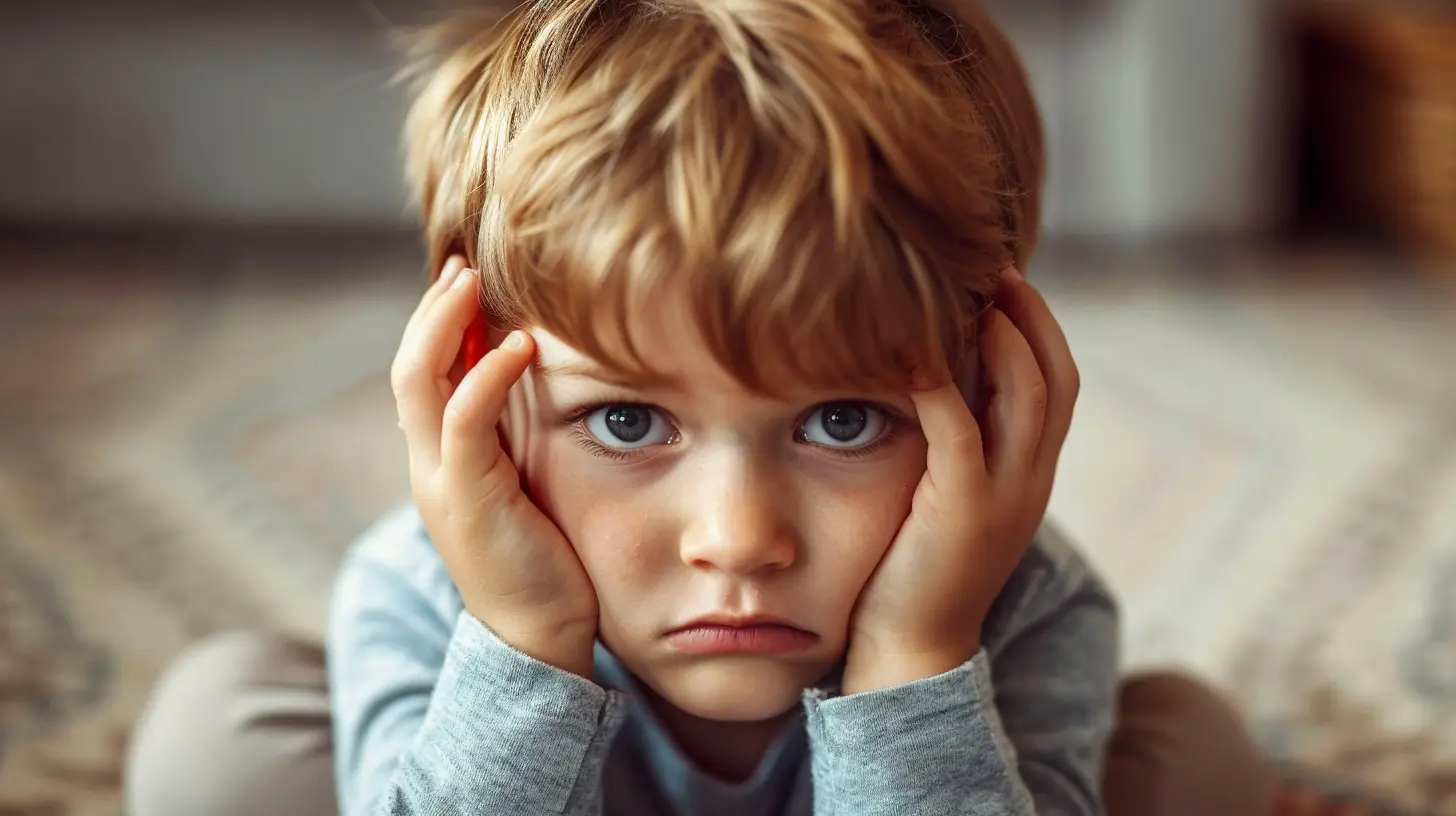
What Is Emotional Growth in Toddlers?
Emotional growth is all about how your toddler begins to understand, express, and manage their feelings. It's one of the cornerstones of early childhood development—right up there with learning to walk or talk.This emotional evolution doesn’t happen overnight. Imagine it like gardening: it takes time, patience, and lots and lots of nurturing. Toddlers are just beginning to experience a wide range of emotions, from joy and frustration to jealousy and empathy. And guess what? They have zero clue what to do with most of them. That’s where you come in.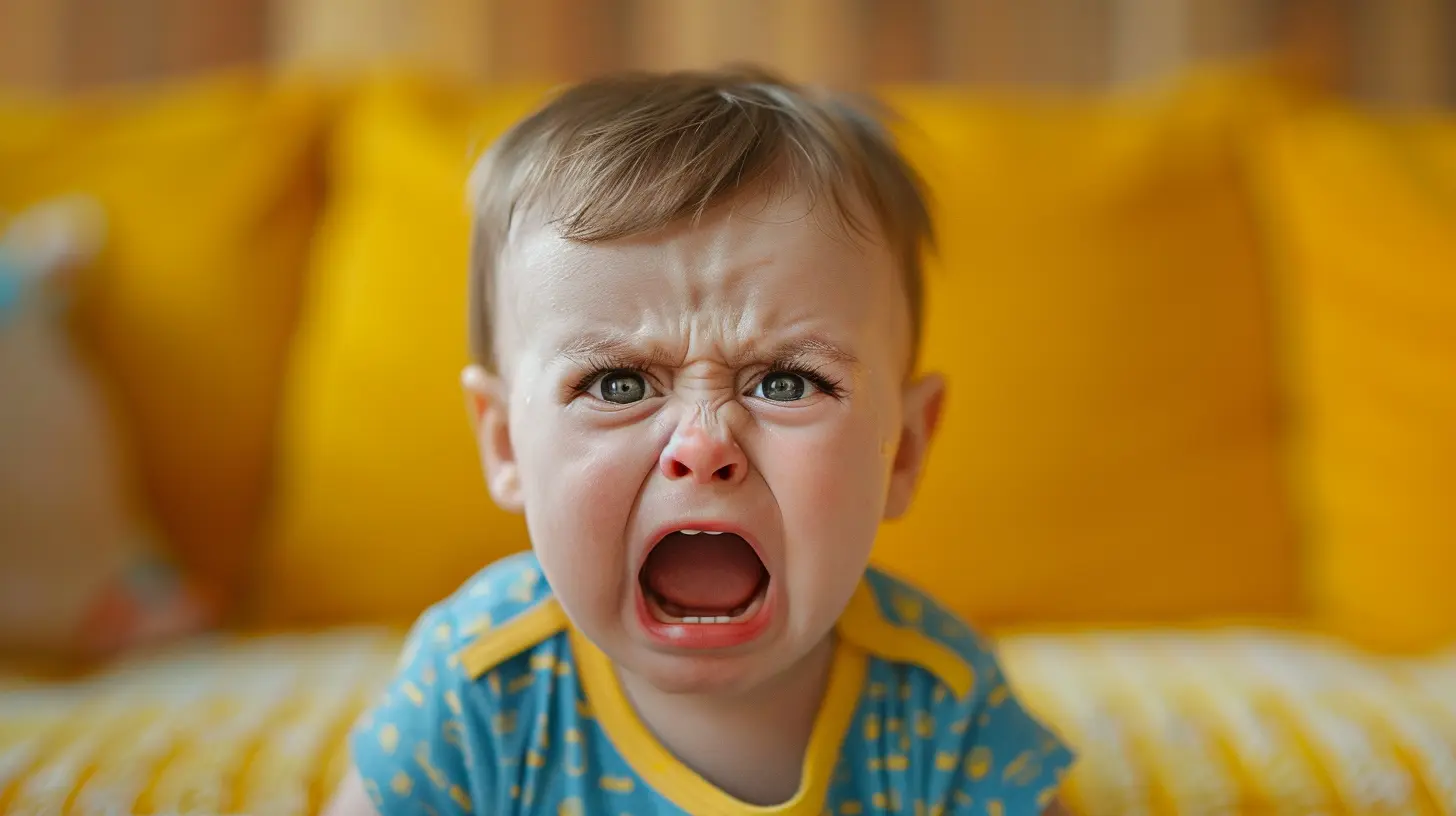
Why Emotional Growth Matters
Without emotional development, a child might struggle to form healthy relationships, express their needs, or regulate their behavior. Learning how to handle emotions lays the groundwork for everything from school readiness to lifelong mental health.Think of emotional growth as the foundation your toddler will need for building strong relationships, solving problems, and even doing well at school later on. When kids learn how to handle their feelings, they’re better equipped to face the world—and all its ups and downs.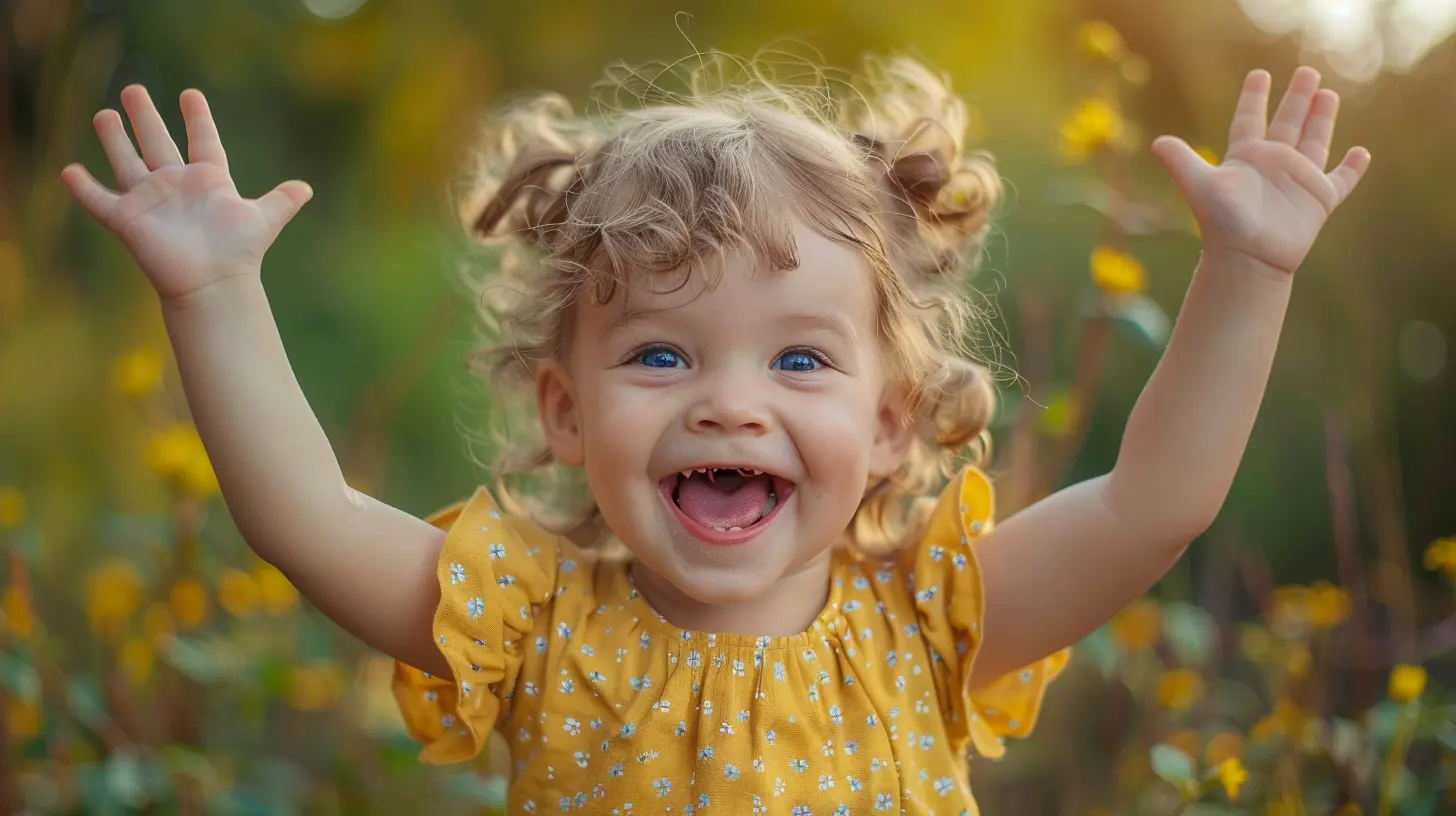
10 Clear Signs of Emotional Growth in Toddlers
So, how can you tell if your toddler is growing emotionally? Here are ten telltale signs to look for:1. Increased Awareness of Their Emotions
One of the first signs of emotional growth is when your toddler starts recognizing and naming their feelings. You might hear them say things like, “I’m sad,” “I’m mad,” or “I’m happy!” That’s a big deal!They’re beginning to connect internal feelings with words, which is a huge step toward emotional regulation.
2. Showing Empathy
If your toddler tries to comfort you when you're upset or gives a hug to a crying sibling or friend, they’re showing empathy. Toddlers don’t always understand why others are upset, but noticing someone else’s feelings is a major emotional milestone.3. Expressing Feelings (Even Through Tantrums)
Yep, those tantrums count. While it may not feel like progress when your child is throwing a fit in Target because you said "no" to candy, they’re actually attempting (albeit clumsily) to deal with big feelings.Over time, with your help, they’ll learn better ways to express themselves.
4. Practicing Independence
Wanting to do things “all by myself” may seem defiant, but it's a sign of self-awareness and confidence. Emotional growth includes feeling secure enough to try new skills—even if they faceplant a few times along the way.5. Imitating Adult Emotions
Ever catch your toddler pretending to be sad or angry “like mommy” or “like daddy”? This mimicking shows they’re observing emotional behavior and trying to make sense of it.6. Seeking Comfort
Whether they want a cuddle, their favorite stuffed animal, or just to be near you when they’re upset, reaching out for comfort is a sign your toddler is learning how to self-soothe with help from a safe adult.7. Apologizing (Even if Prompted)
When your toddler says “sorry,” especially on their own, it's a huge step. It shows they’re starting to understand right from wrong and how their actions affect others.8. Trying to Regulate Emotions
You might notice your child taking a deep breath, walking away when frustrated, or using calming techniques you’ve practiced together. These are early signs of emotional regulation.9. Enjoying Social Play
Participating in group play, turn-taking, and collaborative games shows your toddler is learning how to manage emotions like excitement, jealousy, and frustration—all while having fun.10. Asking Questions About Feelings
"Why is she crying?" "Are you mad at me?" These questions show curiosity about emotions and a desire to understand both their own feelings and those of others.
How to Support Your Toddler’s Emotional Growth
Alright, now that you know what emotional growth looks like, let’s talk about how you can be their emotional cheerleader.1. Name Their Feelings
Sometimes toddlers scream because they can’t say “I’m frustrated.” Help them connect words to feelings. Try saying, “I see you’re angry because we had to leave the park. That’s okay. It’s hard to stop when you're having fun.”Kids can’t manage what they can’t name.
2. Use Books and Stories
Children's books about emotions are more than just bedtime fillers—they’re tools. Pick stories where characters go through everyday situations and experience various emotions. Then talk about the feelings in the book afterward.3. Model Emotional Intelligence
Your toddler watches you more than listens to you (ouch, but true). If you model calmness in tough situations, they’ll learn how to do the same. Saying things like, “I’m really tired right now, and that’s making me feel cranky. I think I need a break,” shows them how to own and manage feelings.4. Validate Their Emotions
Instead of brushing off big feelings (e.g., “You’re fine, don’t cry”), try validating them. It could be as simple as, “You're upset because we can’t go outside right now. I get it.”Validation doesn’t mean you’re giving in—it means you’re helping them feel heard.
5. Set Gentle but Clear Boundaries
Emotional growth also includes learning limits. It’s okay to say “I won’t let you hit” while still empathizing with their anger. This teaches that all feelings are okay, but not all behaviors are.6. Practice Patience (Easier Said Than Done)
It takes time. Some days you'll feel like you're having the same conversation 27 times. That’s normal. Toddlers learn through repetition. Keep showing up, and it’ll stick—eventually.7. Create a Safe Emotional Space
Make home a place where it’s okay to cry, vent, or admit fear. This emotional safety net gives them the security they need to grow.8. Encourage Their Words
When your toddler communicates their emotions verbally instead of throwing a toy across the room? Celebrate that! Even a small effort like saying “mad” instead of yelling shows growth.9. Teach Simple Coping Skills
Introduce fun, toddler-friendly calming techniques—like blowing bubbles (helps with deep breathing), hugging a stuffed animal, or drawing feelings with crayons.10. Praise Emotional Wins
Catch them being emotionally awesome. “Wow! You shared when you were still playing with that toy. That was kind, and I bet it made your friend happy.” Positive reinforcement fuels self-esteem and encourages repeat behavior.The Role of Routine and Sleep
Let’s not forget—toddlers are more emotionally balanced when well-rested and living within predictable routines. A solid bedtime, consistent mealtimes, and regular downtime reduce emotional meltdowns and help toddlers feel secure.Think of a routine as the emotional scaffolding your toddler leans on—it keeps things from tumbling down when the big feelings hit.
When to Be Concerned (And Not Panic)
Every child grows at their own pace, but if you notice:- Zero interest in other children
- A complete lack of emotional expression
- Frequent and prolonged tantrums beyond age 4
- No signs of empathy or connection with caregivers
…it might be worth talking with your pediatrician or a child development specialist. There’s no shame in getting support—it’s just another way of caring deeply for your child.
Wrapping It All Up
Watching your toddler learn to navigate their emotions is like witnessing a tiny human version of Inside Out unfold right in front of you. It’s messy, it’s unpredictable, and at times, it’s downright hilarious.The good news? Every meltdown survived, every emotion named, and every comforting hug brings them one step closer to becoming emotionally aware, kind, and confident little humans.
Your patience and love are the compass they rely on. So, when in doubt, take a breath, kneel down, look them in the eye, and ride that wave of feelings together.
You're doing a great job, even on the days when it doesn’t feel like it.
all images in this post were generated using AI tools
Category:
Toddler MilestonesAuthor:

Max Shaffer
Discussion
rate this article
2 comments
Nathan Parker
This article effectively highlights key indicators of emotional growth in toddlers, emphasizing the importance of validating their feelings. By fostering an environment of open communication and emotional safety, parents can support their child's development. The practical strategies offered empower caregivers to navigate this critical stage with confidence and empathy.
December 12, 2025 at 5:41 AM
Max Shaffer
Thank you for your thoughtful comment! I'm glad you found the article helpful in understanding and supporting toddlers' emotional growth.
Emmeline Patterson
This article beautifully highlights the essential signs of emotional growth in toddlers. Understanding and supporting their feelings is crucial during this formative stage. By fostering a nurturing environment, we can help our little ones navigate their emotions with confidence. Thank you for sharing such valuable insights for parents!
December 10, 2025 at 3:59 PM
Max Shaffer
Thank you for your wonderful feedback! I'm glad you found the insights helpful for supporting toddlers' emotional growth.