How to Teach Children About Safety in a Childproofed Environment
22 May 2026
Raising kids is one wild adventure, isn’t it? One day they’re learning to crawl, the next they're opening kitchen cabinets like it's their day job. As parents, we go to great lengths to keep our little ones safe. That usually starts with childproofing every corner of our home—baby gates, outlet covers, cabinet locks—you name it.
But here's the kicker: creating a childproofed home is just one piece of the puzzle. What really completes the picture is teaching your kids about safety even within these carefully secured surroundings. Because let’s be real—no matter how many precautions we take, our kids will eventually face situations where they need to think on their feet.
So, how do you help your child understand “safety” when they’re used to growing up in a bubble-wrapped world? Let’s dive into practical, everyday strategies you can use to instill lifelong safety habits while still keeping it fun, age-appropriate, and stress-free.
Why Safety Education Matters in a Childproofed World
Childproofing is awesome—it buys us peace of mind and prevents a lot of accidents. But it can also create a false sense of security. A childproof home might lead kids to believe that every environment they enter is just as safe. And that’s not always the case.That’s where teaching safety awareness comes in. It bridges the gap between protection and independence. When children understand why certain rules exist and how to assess risks, they’re more likely to make wise choices—even beyond your four walls.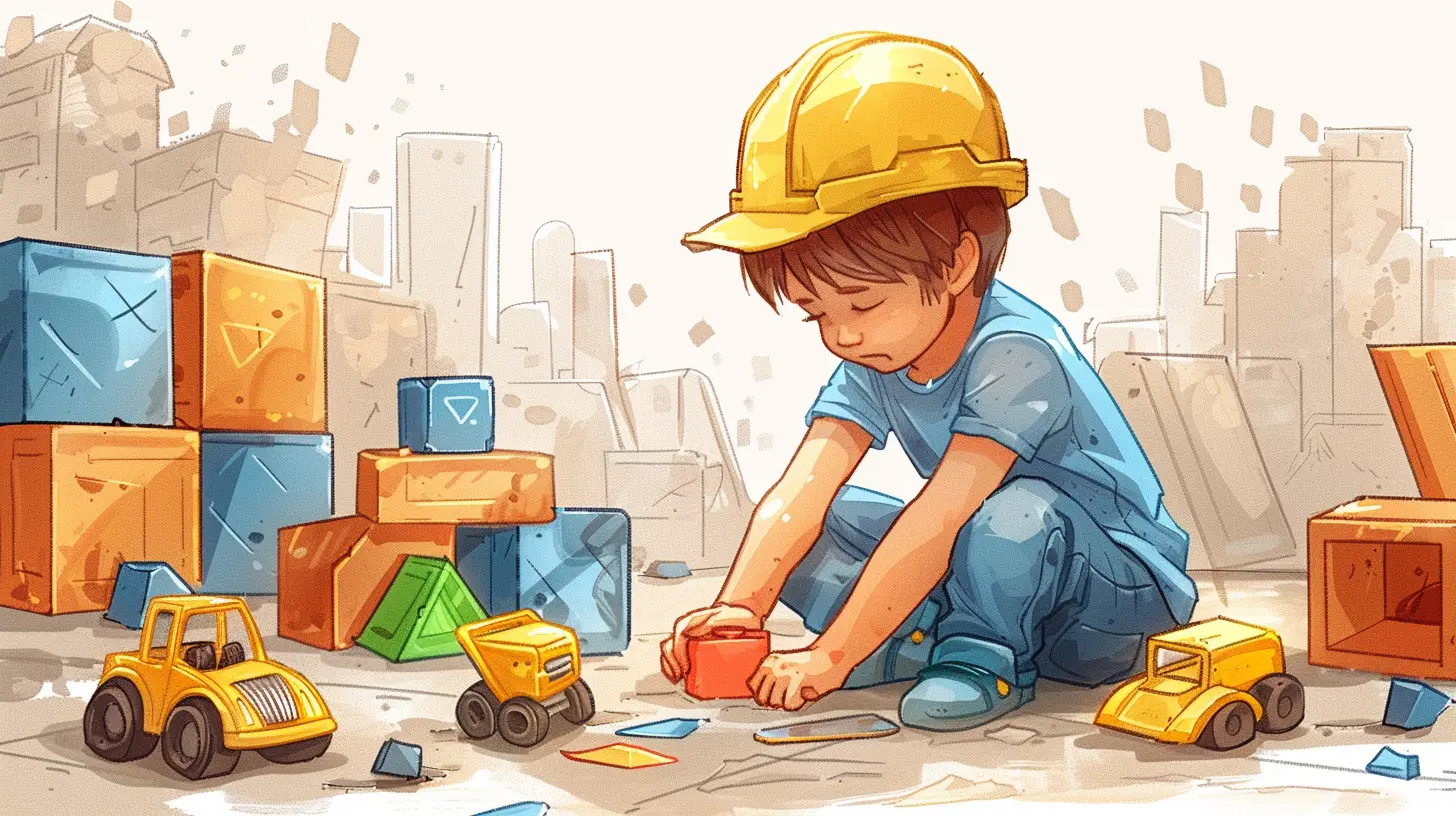
Step One: Make Safety Part of Everyday Talk
You don’t need a formal “safety lesson” to teach your child important concepts. Some of the best learning happens during regular day-to-day interactions.Examples You Can Use:
- When buckling their car seat, say: “We wear seatbelts to keep our bodies safe in case the car stops suddenly.”
- While cooking: “The stove is hot. We don’t touch it because it can burn our skin.”
These casual, consistent comments help build a foundation of awareness. They learn through repetition and experience, not lectures.
Pro tip: Keep your tone light and conversational. Think of it like narrating your actions with a sprinkle of “why” behind them.
Step Two: Teach the "Why" Behind the Rules
Kids are naturally curious. “Why” is probably their favorite word. Instead of shushing those questions, use them to explain the reason behind every safety rule.Instead of saying: “Don’t run inside!”
Try saying: “When we run inside, we can slip and fall. That's how we get hurt. Let’s walk calmly.”
When kids understand the logic behind your rules, they’re more likely to follow them—especially when you’re not around to enforce them.
Step Three: Role-Play Safety Scenarios
Get ready to put those theater skills to use! Role-playing is one of the most powerful ways to teach safety. It transforms abstract dangers into real-life practice—and kids love pretending anyway, so it’s a win-win.Try acting out scenarios like:
- What to do if someone rings the doorbell and you're home with a babysitter.
- How to cross the street safely.
- What to say when a stranger offers a treat.
- How to stop, drop, and roll if clothes ever catch fire.
Make it fun, keep it light, and repeat often.
Step Four: Use Books and Videos That Reinforce Safety
Sometimes, another voice (like a favorite cartoon character or a catchy story) can help lessons stick better. There are loads of age-appropriate books and videos that explain safety in a way that’s easy to digest.Look for themes like:
- Stranger danger
- Fire safety
- Body autonomy and personal boundaries
- What to do in emergencies
Watch or read together, and then talk about it afterward to help them process the message.
Step Five: Involve Them in the Childproofing Process
As your child gets older, involve them in the safety setup of your home. Instead of hiding all the dangerous stuff out of sight, explain what it is and why it's locked or covered.For example:
- “This cabinet has cleaning products that can make us sick. That's why there's a lock here.”
- “We put covers on these outlets so nothing goes in there and causes a shock.”
This gives them more context. It tells them: “Mom and Dad aren’t just making things annoying—they’re keeping me safe.”
Step Six: Teach Them to Trust Their Gut
Kids have strong instincts, but they need help identifying what those feelings mean. Talk to them about how their body can sometimes tell them when something doesn't feel right.You can say things like:
- “If something feels weird, scary, or confusing, come find me or another grown-up you trust.”
- “If you ever get a funny feeling in your stomach or want to say no—even to an adult—that’s your body’s way of helping you stay safe.”
Empowering them to listen to those gut feelings is one of the most important safety lessons you can give.
Step Seven: Create a Simple Family Safety Plan
Emergencies are scary, but they’re less overwhelming when your child knows what to do. Create a basic safety plan together and practice it often.Include things like:
- How to dial 911 (and what to say)
- Where to go if there’s a fire
- A list of emergency contacts (practice memorizing a phone number)
- A code word only family members use in case someone else is picking them up
Keep it simple, repeat it regularly, and make it a low-stress conversation.
Step Eight: Reinforce With Positive Praise
When your child shows good safety behavior—like walking instead of running indoors or checking both ways before crossing the street—acknowledge it! Praise works like magic for building habits.Say things like:
- “I saw you being really careful near the stairs—great job!”
- “Thanks for remembering to hold my hand in the parking lot. That was very responsible.”
Celebrating small moments helps reinforce long-term behavior. Be their biggest cheerleader.
Step Nine: Don't Just Childproof—"Future-Proof"
Eventually, those cabinet locks and corner bumpers are coming off. What will your child do then?That’s why the goal isn’t just protection—it’s preparation. Think of childproofing your home like training wheels. The real safety comes from what they learn while those wheels are still on.
So, use your childproofed environment as a safe training ground for teaching real-world safety skills. Let them explore, test boundaries, and make minor mistakes (supervised, of course) so they can build good judgment.
Step Ten: Know That It’s an Ongoing Conversation
Safety education isn’t a one-and-done deal. It’s a constant, evolving dialogue that stretches from toddlerhood into the teenage years and beyond.As your child grows, so do the risks they face. Tailor your conversations to their age and maturity. Keep safety talks age-appropriate, but never stop having them.
And hey—don’t stress about being perfect. There will be moments when your child forgets, takes a risk, or doesn't fully understand a safety rule. That’s okay. Use those moments as opportunities to reinforce and reconnect.
Final Thoughts
Teaching kids about safety in a childproofed environment is all about balance. You're not raising a bubble-wrapped robot—you’re raising a confident, curious little human who’s slowly learning the ropes.So yes, plug the outlets and lock the cabinets. But also talk to your kids. Listen to their questions. Show them what safety looks like in real life. Let them fall once in a while (as long as it’s safe) and learn from it.
Because ultimately, a truly “safe” child is one who understands why safety matters.
And helping them get there? That’s parenting gold.
all images in this post were generated using AI tools
Category:
ChildproofingAuthor:

Max Shaffer
Discussion
rate this article
2 comments
Faelan McCartney
Childproofing is like baby-proofing your home with extra chaos. Just remember, if they can climb it, they will... and probably with a snack in hand.
June 18, 2026 at 5:03 AM
Max Shaffer
Absolutely! Kids find a way to explore, snacks in tow. Ensuring safety while allowing for some chaos is key to their learning.
Oscar Martin
Great tips! Teaching kids about safety in a childproofed space makes such a difference. Thanks for sharing these insights!
May 23, 2026 at 2:42 AM
Max Shaffer
Thanks for your feedback! I'm glad you found the tips helpful. Teaching kids about safety is so important.