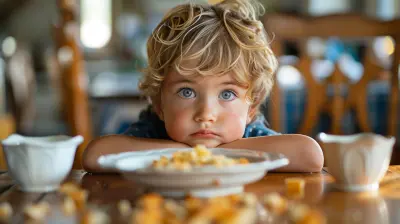
Sibling Rivalry: Strategies to Turn Conflict Into Connection
3 August 2026
Let’s be real — parenting is no joke. And one of the trickiest, most hair-pulling parts? Sibling rivalry. Yep, we’re talking about that constant bickering, the “That’s mine!” screeches, and the daily battles over who got the bigger scoop of ice cream. Sound familiar?
But here’s the kicker — sibling rivalry isn’t just annoying background noise. It’s actually a golden opportunity. With the right tools, you can flip that chaos into connection. That’s right. Conflict doesn’t have to break down relationships; it can build them. Intrigued? Keep reading.
What Is Sibling Rivalry, Anyway?
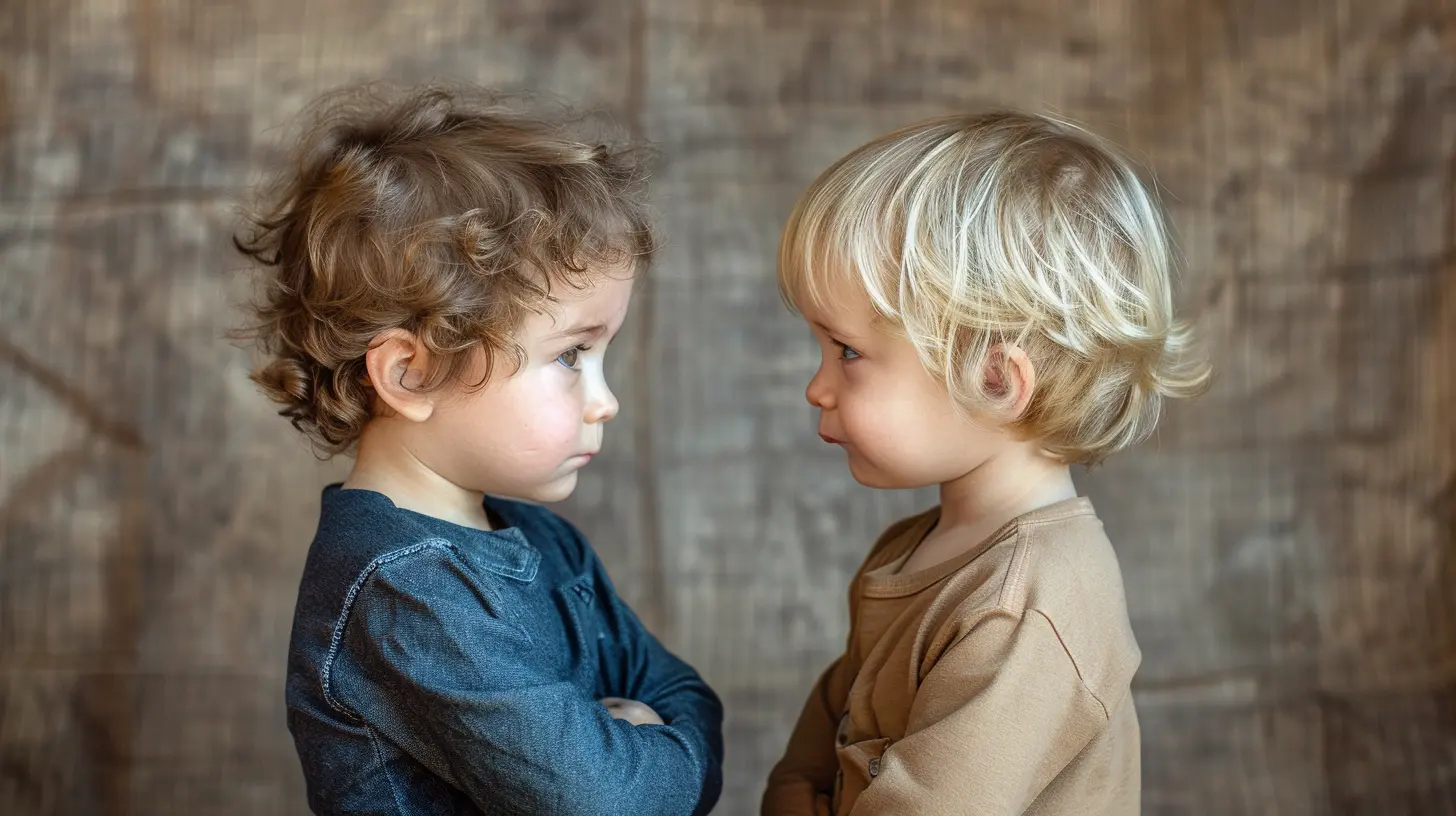
First off, let’s define it without the psychobabble. Sibling rivalry is the jealousy, competition, and fighting that happens between brothers and sisters. It's as old as time — I mean, Cain and Abel, anyone?It shows up in all shapes and sizes:
- Petty arguments that go from zero to nuclear in 3.5 seconds.
- Passive-aggressive jabs over who’s the favorite.
- Full-on WWF matches over nothing in particular.
And guess what? It’s normal. Seriously.
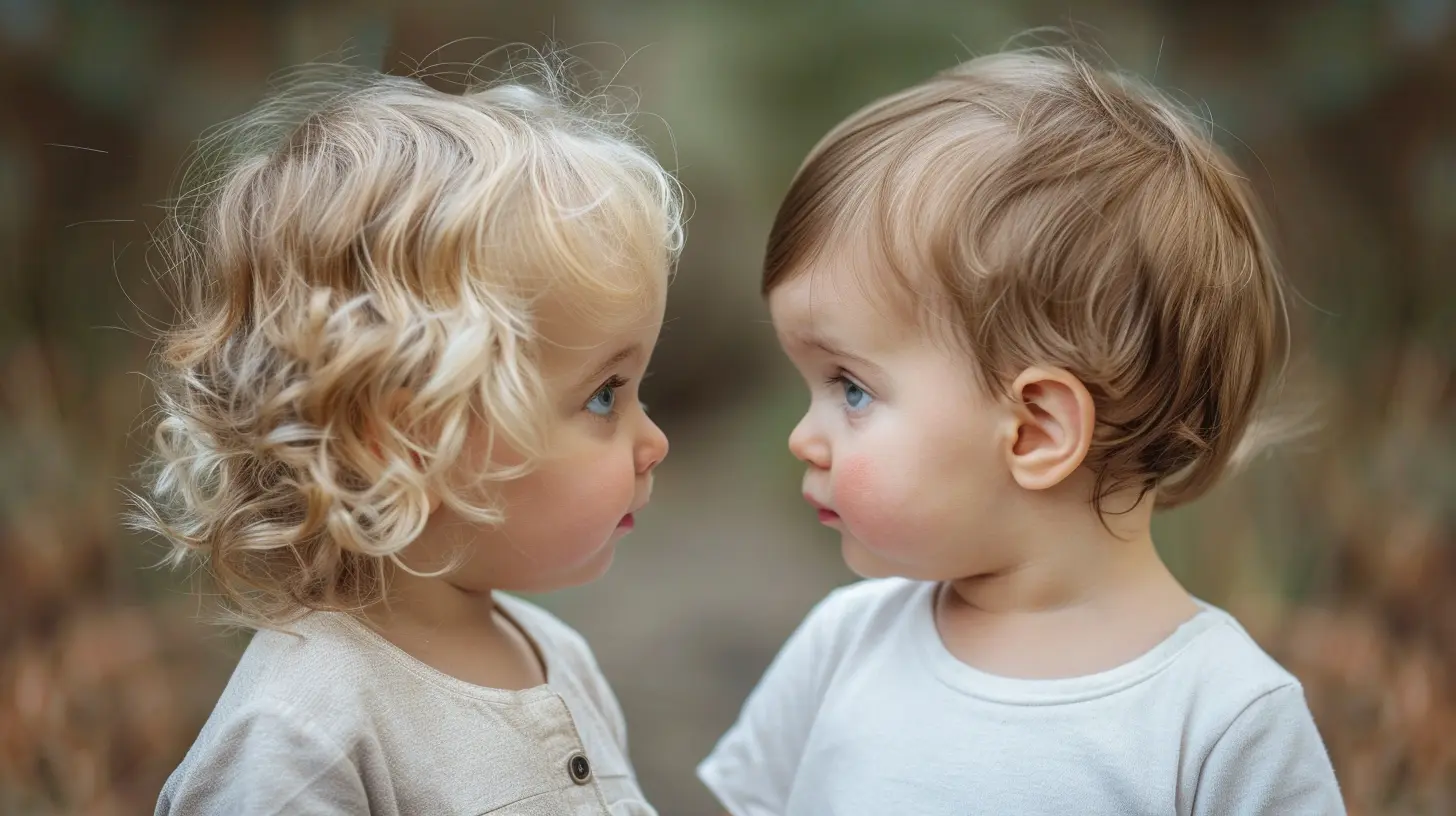
Why Do Siblings Fight in the First Place?
Good question. Understanding the “why” is key to solving the “how do I make it stop?!”Here are the usual suspects:
1. Fighting for Your Attention
Let’s face it, kids want to be seen, heard, and validated. When you have more than one, they’re all vying for the spotlight — especially if one child thinks the other is hogging it.2. Comparing One to the Other (Even Subtly)
Trust me, you might not even realize you’re doing it. “Why can’t you keep your room clean like your sister?” Boom. You just lit the fuse of resentment.3. Different Temperaments
Think oil and water. One kid might be a sensitive soul while the other’s a hurricane. Toss them in the same playroom and yeah — sparks will fly.4. Age Gap Drama
When there’s a big age difference, the older one might find the younger annoying. The younger? They just want to tag along and be cool. Cue the eye rolls and slamming doors.5. Life Changes
New baby? Divorce? Moving homes? Stressful changes amplify rivalry. Kids fear loss of control and act out any way they can.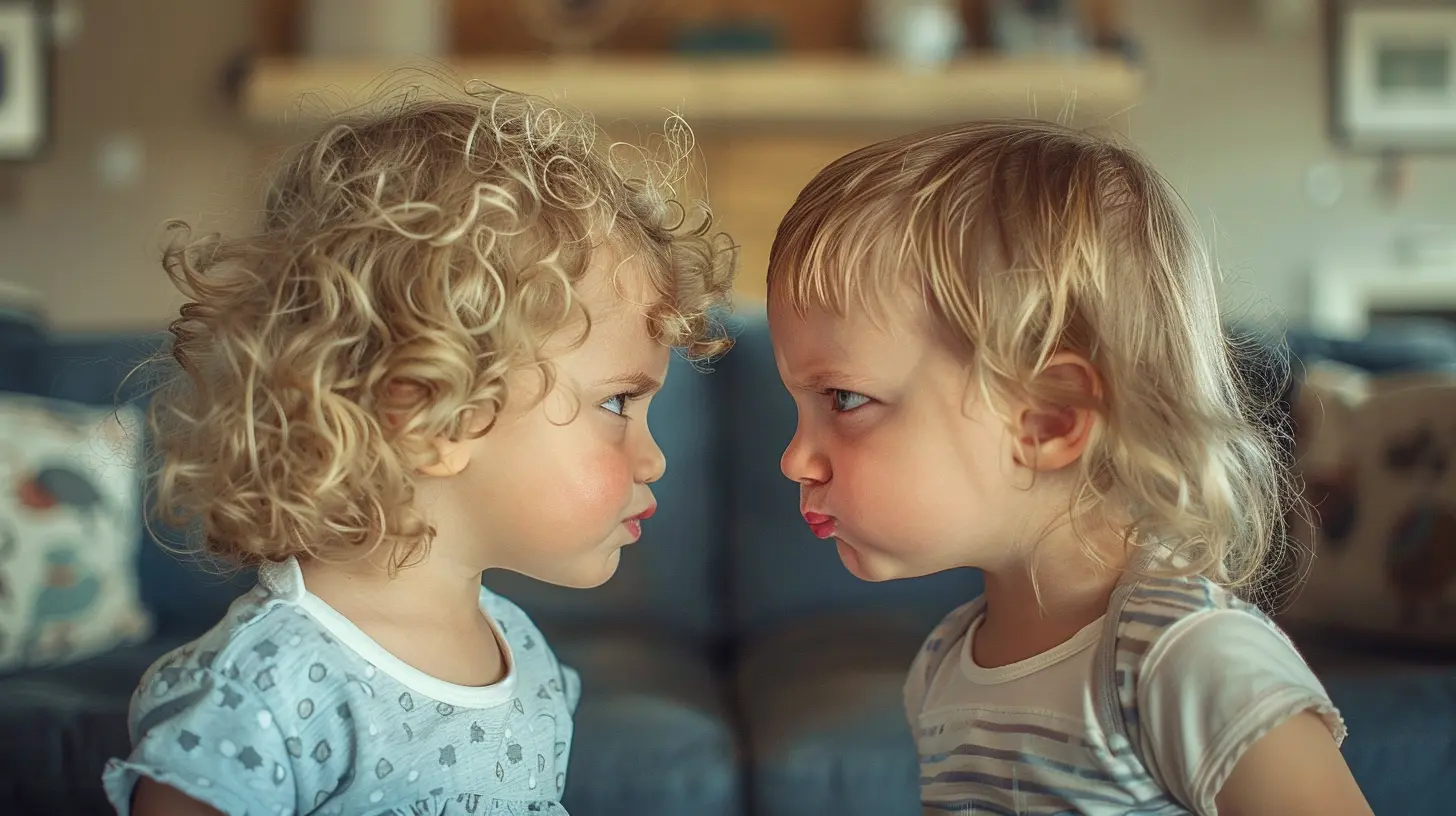
The Myth of Perfect Harmony
Here’s something no one tells you — even the best families have sibling fights. The goal isn’t to eliminate conflict entirely (that’s a fairy tale). The goal is to use those moments to teach emotional intelligence, empathy, and how to handle real-world relationships.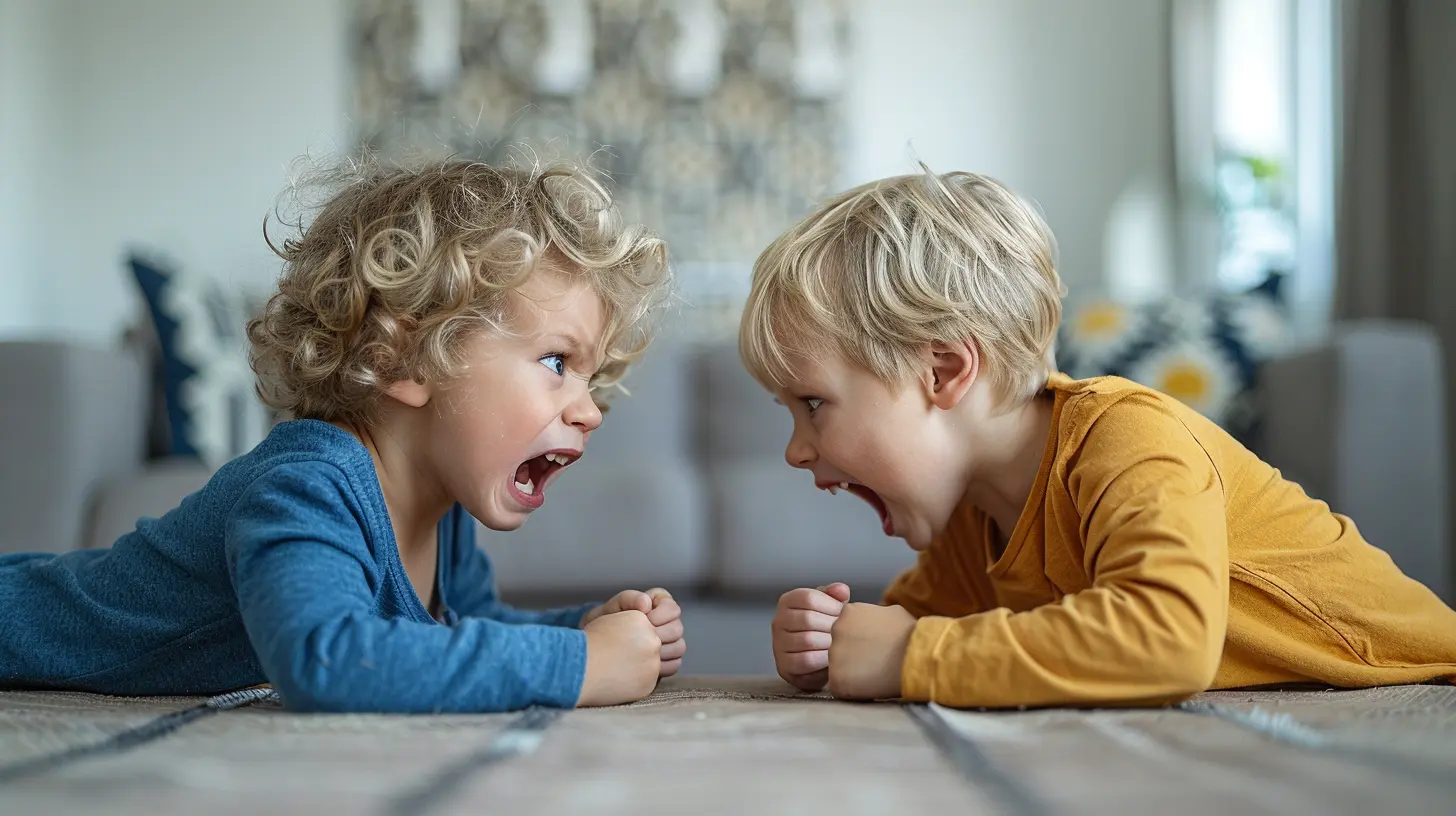
Parenting Mindset Shift: Conflict Is Not the Enemy
Let’s switch gears. Instead of trying to stop all the fights, use them. Think of sibling conflict as a mini training ground for life. It’s where your kids get to test boundaries, assert themselves, and (hopefully) learn empathy.Ready for some real strategies? Let’s dive in.
Proven Strategies to Turn Sibling Conflict Into Connection
1. Stop Playing Referee — Be the Coach Instead
Your kids don’t need a judge deciding who’s right. They need a coach who guides them in resolving conflict themselves.Instead of:
? “He was wrong and needs to say sorry.”
Try:
? “Sounds like you're both upset. Can each of you tell me your side without interrupting the other?”
Teach them how to express themselves clearly, listen actively, and work toward compromise.
2. One-on-One Time: The Ultimate Rivalry Antidote
If your kids constantly compete for your attention, give it to them — separately. Schedule one-on-one time with each child regularly. It doesn’t have to be elaborate. A walk around the block, 10 minutes extra reading time, or a quick game of Uno can do wonders.When kids feel seen individually, they’re less likely to fight for attention.
3. Stop Comparing — Period
Comparisons are gasoline on the sibling rivalry fire.Instead of:
? “Your brother gets A’s — why can’t you?”
Try:
✅ “I see you worked really hard on this project. Let’s talk about what you’re proud of.”
Celebrate each child’s strengths without using their siblings as a yardstick.
4. Teach Them the Power of “I” Statements
Kids tend to blame. A LOT. “He made me mad!” or “She ruined my tower!”Teach them to take ownership of their feelings.
“I feel frustrated when you knock over my blocks,” hits way differently than “You’re so mean!”
This builds communication skills AND emotional intelligence — double win.
5. Allow Them to Solve Their Own Fights (Within Reason)
Believe it or not, kids can often figure it out on their own if we give them the space. Resist the urge to helicopter in unless it’s serious (like hitting or bullying).Step back and say:
“I’m confident you two can figure this out. Let me know if you need help.”
You're empowering them with problem-solving tools they'll use forever.
6. Create a “Cool-Down Corner” for Emotions
Name it what you want — Peace Place, Chill Zone, The Zen Den. Make it a no-punishment zone where kids can go to cool down, breathe, and regulate before things get nasty.Encourage them to go there when emotions start to boil. Equip it with calming tools like stress balls, coloring pages, or breathing cards.
7. Celebrate Teamwork Loud and Proud
Catch them getting along? Make a BIG deal out of it.“Hey, I noticed you shared your snack with your sister without me even asking. That was super kind.”
Reinforce the behaviors you want to see and they’ll show up more often.
8. Family Meetings: Not Just for Corporations
Set a regular time (maybe Sunday night dinners) where everyone can bring up issues respectfully. Create a space where every voice matters — even the 4-year-old who’s mad about someone stealing their stickers.It teaches kids that conflict doesn’t get shoved under the rug — it gets addressed, together.
When to Worry: Signs the Rivalry Is Crossing the Line
Let’s not sugarcoat it. Sometimes rivalry can become toxic. Keep an eye out for:- Constant bullying or intimidation
- One child living in fear of the other
- Physical harm occurs regularly
- Self-esteem taking a deep nosedive
If you spot these red flags, don’t tough it out — get professional help. A family therapist can work magic in rebuilding healthy sibling relationships.
How to Model Healthy Conflict Like a Boss
Want your kids to fight fair? Show them how. They’re watching you — all the time.Yell at your partner in a rage? Expect them to do the same with each other.
Stay calm, listen, take turns speaking, apologize sincerely? That sets the tone.
Remember: Kids learn WAY more from what we do than what we say.
The Long Game: Why It’s Worth the Effort
Let’s be honest — laying these foundations isn’t always easy. Some days, you’ll want to scream into a pillow. But the payoff? Absolutely priceless.Your kids will learn:
- How to handle conflict without losing it
- How to stand up for themselves without stepping on others
- How to build strong relationships based on empathy, not competition
And maybe — just maybe — they’ll grow up to be adults who actually like each other. That’s the dream, right?
Your New Mindset: From Referee to Relationship Coach
Look, sibling rivalry isn’t going away tomorrow. But with the right mindset and a few ninja-level parenting tools, you can transform it into something powerful.So next time the chaos kicks in, take a deep breath and ask yourself: “How can I use this moment to teach connection?”
You’ve got this. No cape required.
all images in this post were generated using AI tools
Category:
Sibling BondingAuthor:

Max Shaffer
Discussion
rate this article
1 comments
Renata Snyder
Fostering connection between siblings starts with listening and understanding their perspectives. Simple acts of kindness can transform rivalry into a lasting bond.
August 5, 2026 at 3:32 AM