The Benefits of Encouraging Sibling Teamwork at an Early Age
17 May 2026
When you think about siblings, what’s the first thing that comes to mind? Maybe it’s laughter, shared secrets, or even the occasional argument over who gets the last cookie. But have you ever thought about how powerful it can be to encourage teamwork among siblings from a young age? Trust me, it’s not just about getting them to clean up their toys faster—it’s about building a lifetime of valuable skills and creating bonds that can weather any storm.
In this article, we’ll dive into why fostering sibling teamwork matters, how it impacts their personal development, and some tips for bringing your kids together as a team. So grab a cup of coffee, settle in, and let’s talk about raising a squad of mini collaborators instead of constant competitors. 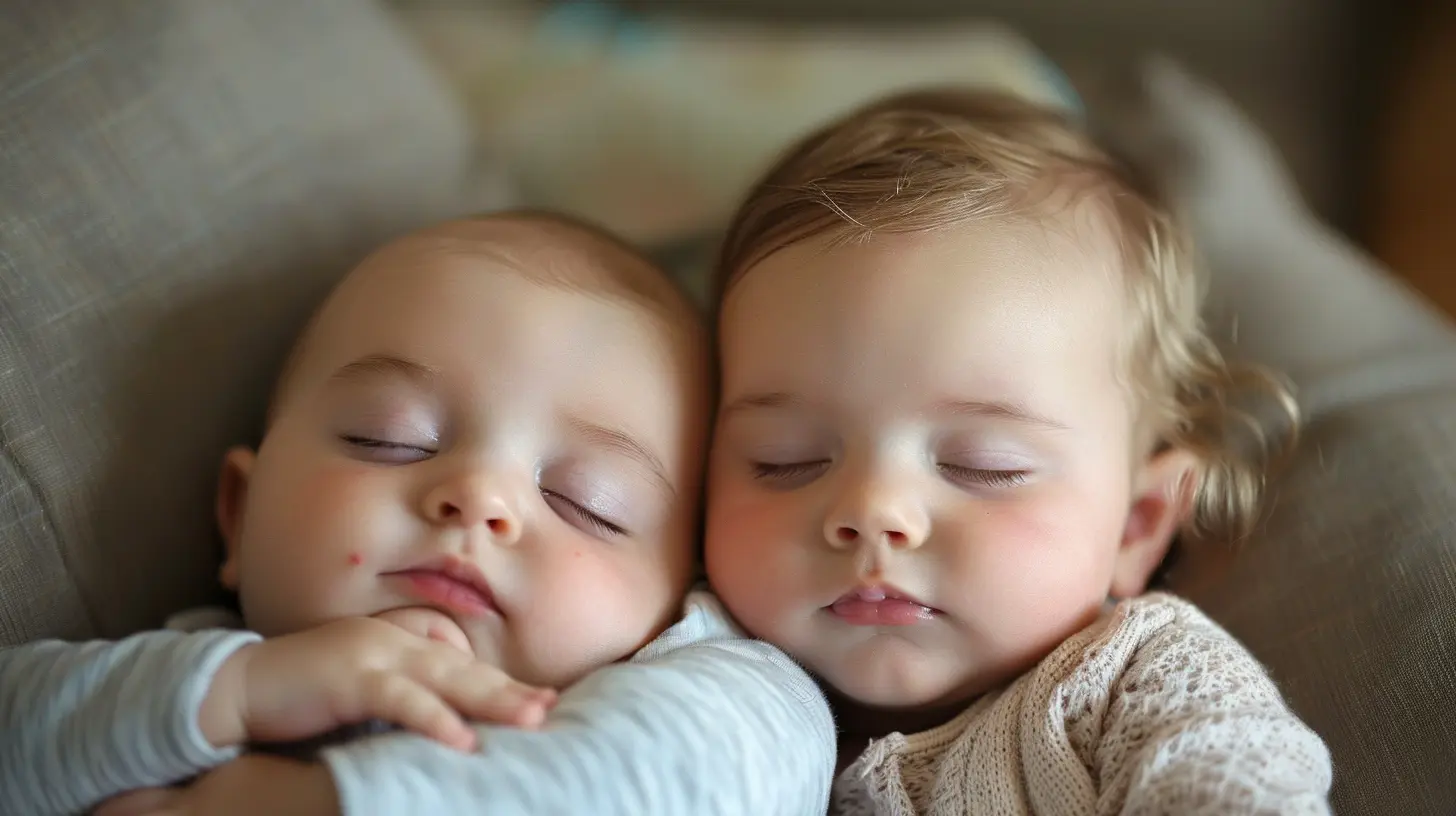
Why Sibling Teamwork Matters
Have you ever noticed how kids who work together tend to fight less? It’s like magic, but there’s science behind it. Sibling teamwork is about more than just peace in your home (although that is a huge bonus). It’s about giving your kids tools they’ll use for the rest of their lives.When siblings learn to cooperate, they build better communication skills. They figure out how to share ideas, solve problems, and even negotiate. It’s like they’re building their “life toolbox.” Plus, they strengthen their relationship, becoming not just siblings but also reliable teammates.
But here’s the kicker—when kids learn teamwork at home, it sets the stage for future success. Whether it’s in school, the workplace, or their personal lives, those teamwork muscles will come in handy everywhere. 
How Sibling Teamwork Shapes Personal Growth
1. Improved Social Skills
Let’s face it: the world can be a tough place, and knowing how to get along with others is a priceless skill. When siblings work together, they learn how to communicate effectively, compromise, and share responsibilities. These interactions teach them empathy too.Think of it like this: when they solve a LEGO-building crisis together or figure out who gets to pick the next board game, they’re practicing how to handle conflicts in real life. It’s like a rehearsal for adulthood, minus the boring meetings and spreadsheets.
2. Boosts Problem-Solving Abilities
When you encourage siblings to team up, you’re basically creating a tiny think tank right in your living room. They learn to brainstorm ideas, consider each other’s perspectives, and come up with solutions that work for everyone.Imagine them as little detectives solving mysteries together—except instead of cracking a case, they’re figuring out how to build the tallest pillow fort without it collapsing. These problem-solving skills are incredibly valuable, even if they don’t realize they’re learning them.
3. Encourages Leadership and Responsibility
In any team, someone has to take the lead, right? Siblings working together naturally rotate roles—sometimes one takes charge, and other times they step back and support. It’s a perfect environment for fostering leadership skills and learning how to delegate.Plus, when they team up to complete chores or tackle a project, they learn that everyone has a role to play. Responsibility becomes shared, and suddenly picking up toys isn’t such a drag when they’re doing it together (or at least not as much).
4. Builds Emotional Resilience
One of the greatest things about sibling teamwork is how it builds emotional resilience. When things don’t go as planned—like when the block tower falls or the craft project turns into a glitter explosion—they have each other to lean on.These moments teach kids to handle failure, adapt, and keep going. They learn that it’s okay to make mistakes because their sibling has their back. And honestly, isn’t that what life is all about? 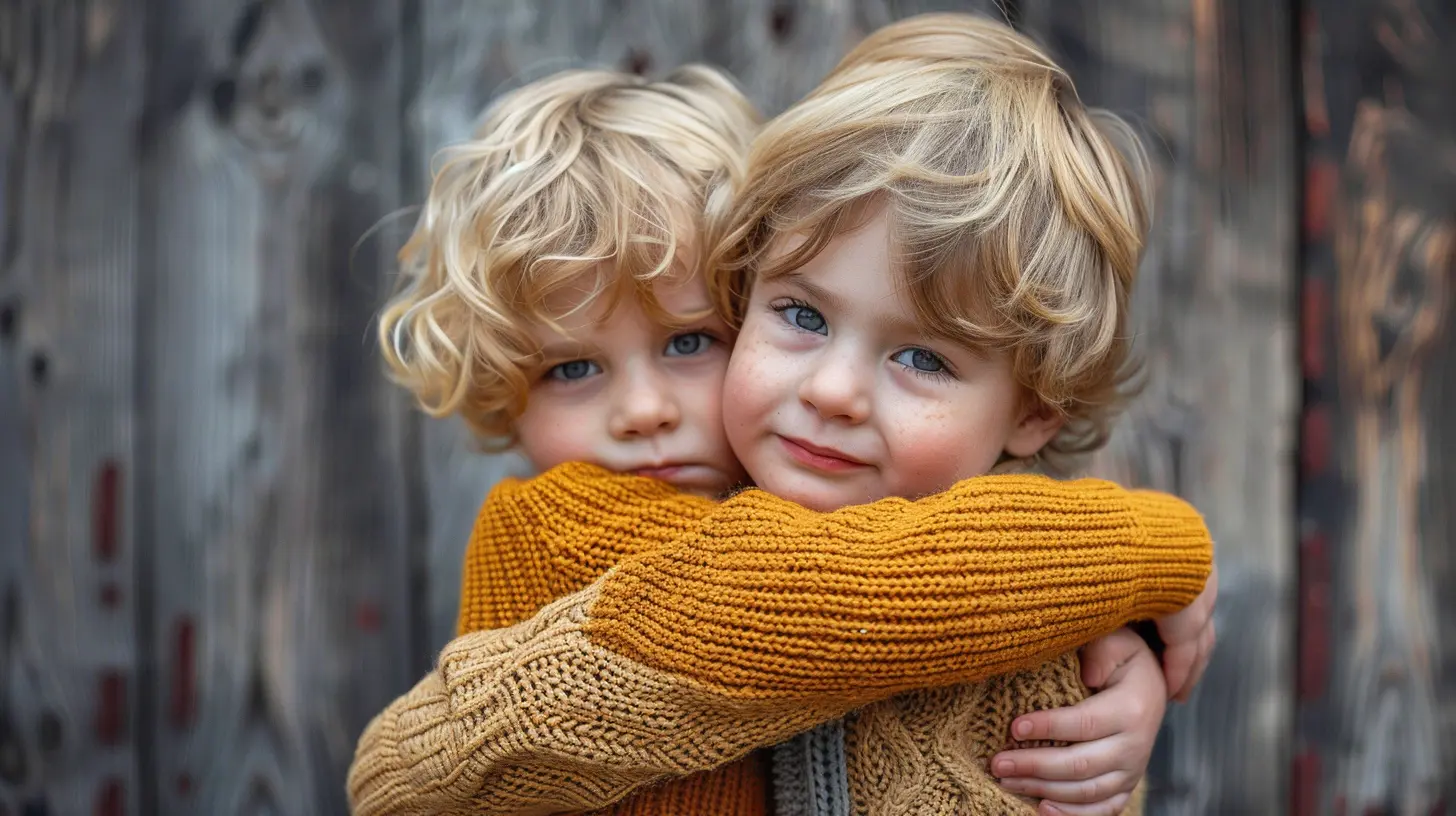
Strengthening the Bond Between Siblings
Encouraging teamwork doesn’t just benefit your kids individually; it also strengthens their bond with each other. Think about it: when siblings work together, they create shared memories and experiences.Remember the times you teamed up with your own siblings? Maybe it was building a snowman or planning a prank on your parents. Those shared moments create stories you’ll laugh about years later.
Teamwork transforms siblings from simply being people who live under the same roof to true teammates for life. And guess what? That connection can help reduce sibling rivalry. When they see each other as partners rather than competitors, it leads to fewer “he touched my stuff!” moments. 
Tips for Encouraging Sibling Teamwork
Okay, so we’ve established why sibling teamwork is awesome. But how do you make it happen? Here are a few tips to get you started:1. Set Shared Goals
Give them tasks that require teamwork. Whether it’s cleaning up the playroom or baking cookies together, shared goals encourage them to rely on each other. Even better? Celebrate their success together afterward—a little praise goes a long way.2. Create Collaborative Games
Games are a fantastic (and fun!) way to encourage teamwork. Opt for cooperative board games where they have to work together to win. Or, create silly challenges like building a blanket fort as a team. The goal is to make collaboration a natural part of playtime.3. Divide Responsibilities Equally
Avoid assigning one child as the “boss” and the other as the “helper.” Instead, divide responsibilities based on their strengths and let them each take on an important role. This way, they feel equally valued in the team dynamic.4. Model Teamwork as a Parent
Kids are sponges—you know this already. If they see you cooperating with your partner or even with them, they’ll be more likely to do the same. Show them how teamwork makes life smoother, and you’ll lead by example.5. Praise Team Efforts
When your kids work together on something, make sure they know you’ve noticed. Say things like, “I love how you two worked as a team on that puzzle!” Positive reinforcement helps them see teamwork as something rewarding and worth repeating.Overcoming Challenges
Let’s be real: teamwork doesn’t always come naturally, especially with siblings. There will be arguments, power struggles, and moments when you’ll wonder if they’ll ever get along. But don’t worry—it’s completely normal.Here’s the deal: focus on progress, not perfection. Teamwork is a skill, and like any skill, it takes time to develop. Be patient, guide them through conflicts, and remind them that they’re on the same team.
Also, keep in mind that every sibling dynamic is different. Some kids will click right away, while others may need more encouragement. That’s okay—just keep reinforcing the idea that they’re stronger together.
The Long-Term Benefits
Fast forward 20 years from now. Your kids are grown and navigating the world as adults. Imagine them calling each other for advice, showing up to cheer each other on, or teaming up to help you move into a smaller house (hey, it’s the circle of life).The teamwork skills they learn now will carry into their adult lives, shaping how they handle relationships, careers, and challenges. And the bond they’ve built? That’s something money can’t buy.
Encouraging sibling teamwork isn’t just about making your life easier today—it’s about setting your kids up for a lifetime of success and connection.
Final Thoughts
In the hustle and bustle of parenting, it’s easy to get caught up in managing fights and keeping the peace. But taking the time to foster teamwork among siblings is an investment in their future. It equips them with priceless skills, strengthens their relationship, and creates a home filled with more laughter than arguments.So start small. Look for opportunities to encourage collaboration, celebrate their successes, and guide them through the inevitable bumps along the way. You’re not just raising kids—you’re building a team. And trust me, that’s a gift they’ll carry with them forever.
all images in this post were generated using AI tools
Category:
Sibling BondingAuthor:

Max Shaffer
Discussion
rate this article
2 comments
Enid Barnes
I love this perspective on sibling teamwork! Encouraging kids to work together early on not only builds strong bonds but also teaches valuable life skills. It's a win-win for families. Great article!
June 10, 2026 at 2:52 PM
Max Shaffer
Thank you! I'm glad you enjoyed the article. Encouraging teamwork among siblings really does set the foundation for strong relationships and important skills.
Zaylee McCabe
Fostering sibling teamwork cultivates empathy and communication skills that extend beyond childhood. These early connections shape their understanding of collaboration, preparing them for meaningful relationships and shared responsibilities throughout life.
June 6, 2026 at 4:24 PM