Understanding Your Toddler's First Words and Language Development
1 January 2026
Ah, the magic of those first tiny, precious words—there’s nothing quite like it, right? One moment your toddler's babbling away like a baby bird, and the next, they're looking you dead in the eye and saying, "Mama" or "Dada." Cue the happy tears!
But beyond the cuteness overload, there's a lot going on in that little brain. Understanding your toddler’s first words and overall language development isn’t just fascinating—it’s also super important for helping them grow into confident communicators. Let’s break it down, parenting style—real talk, no jargon, just useful stuff.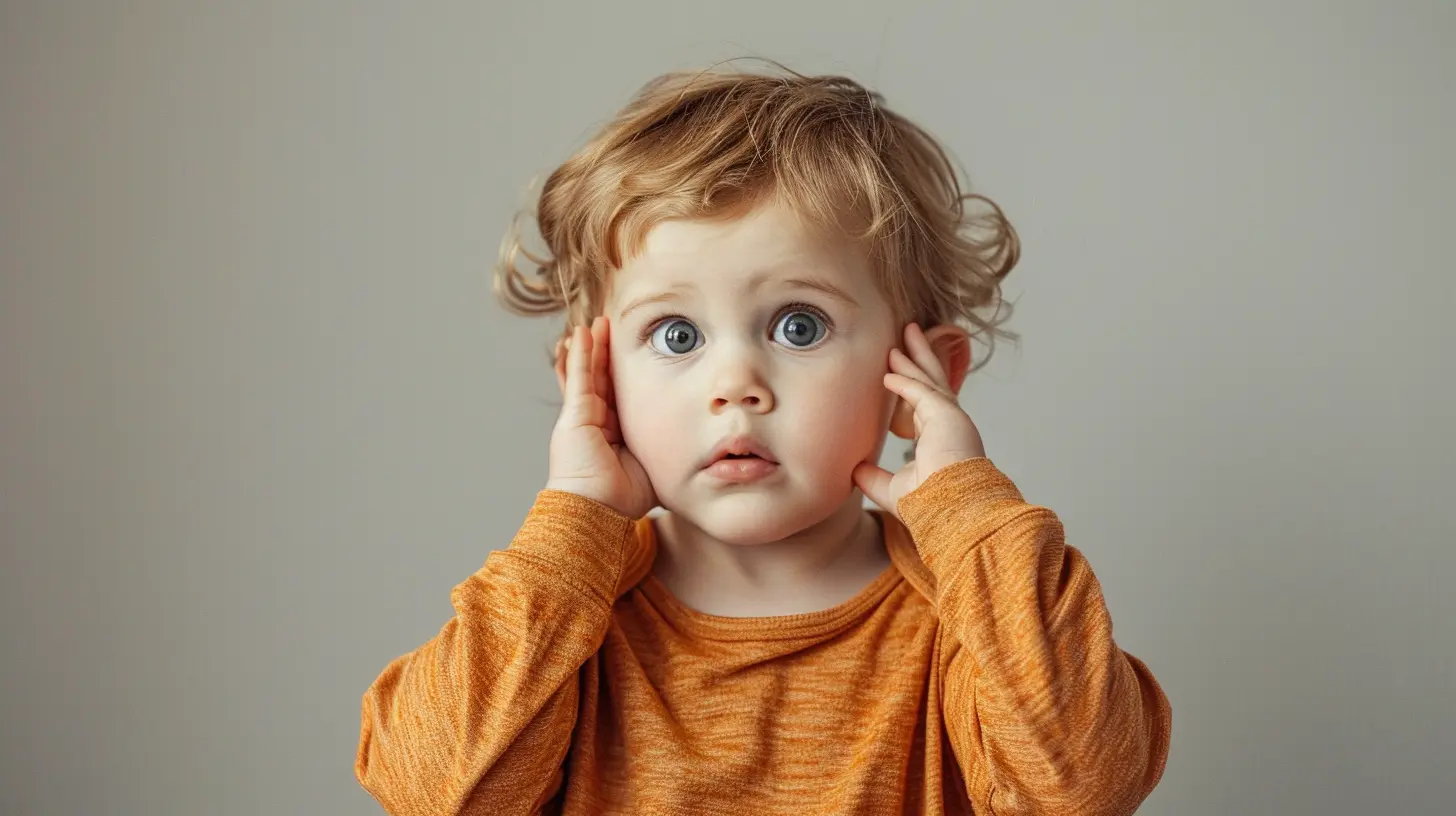
Why Language Development Matters (A Lot!)
Let’s start here: language development is the foundation of nearly everything a child will do later in life—from making friends to getting good grades. It’s how they express needs, emotions, and ideas. If you're wondering whether baby talk and endless rounds of "Old MacDonald" are worth it... yes, yes they are.When toddlers start talking, you’re getting a peek into the way they understand and interact with the world. It’s not just about saying words—it’s about thinking, understanding, and connecting.
When Do Toddlers Typically Say Their First Words?
Okay, let’s talk milestones. Most little ones say their first real word around 12 months. Before that, you’ll hear coos, grunts, and adorable gibberish that would make aliens sound fluent. By 18 months, many toddlers have a vocabulary of about 10-50 words. And by age 2? They’re off to the races, stringing two or more words together like “want juice” or the ever-popular “no mommy.”But—and this is huge—every child develops at their own pace. Just because your cousin’s baby was chatting away at 10 months doesn’t mean your child is behind at 15 months. Relax. There’s a wide range of “normal.”
The Stages of Language Development in Toddlers
Let’s make it visual and easier to grasp—here are the rough stages your little one may go through:1. Pre-linguistic Stage (0–12 months)
This is the setup stage. Your baby is tuning into sounds and voices and practicing making them. Think cooing, babbling, and even squealing (sometimes at 3 a.m.).What’s happening here?
- They recognize your voice.
- They play with pitch and tone.
- They imitate sounds.
2. First Words (12–18 months)
Here come the words! They finally connect sounds to meaning.Words you’ll likely hear:
- Mom, dad, ball, dog, more, no, bye-bye.
Heads-up: They may mispronounce things—for example “wa-wa” for water. Totally normal.
3. Word Explosion (18–24 months)
This is the fun (and slightly chaotic) stage. Vocabulary grows fast—like, “where did that come from?” fast.What’s new?
- They start using two-word phrases: “all gone,” “want milk.”
- They can name familiar people and objects.
- Language comprehension (what they understand) is even better than what they can say.
4. Short Sentences and Questions (24–36 months)
Now we’re having mini conversations! Expect adorable sentences, funny mispronunciations, and a whole lot of “why?”Skills developing now:
- Using plurals and pronouns (me, mine, we).
- Asking questions—lots and lots of questions.
- Starting basic storytelling.
What Factors Affect a Toddler’s Language Development?
You’ve probably guessed it—it’s not an exact science. But there are a few big influences:1. Exposure to Language
The more your child hears language, the more they learn. Simple.Pro tip: Narrate your day like a cooking show. “Now we’re chopping apples… look at that red color!”
2. Interaction and Engagement
Talking to your toddler is gold. Reading to them? Even better. But what really boosts brainpower is responsive conversation—you talk, they talk, you respond. It builds brain connections like layering bricks to build a house.3. Environment and Background
Every child’s environment plays a role. Kids raised in a home filled with books, conversation, and rich experiences tend to have a head start in communication.4. Personality and Temperament
Some kids are bold and chatty. Others are more reserved. Just because your toddler isn’t a chatterbox doesn’t mean they’re not progressing.Encouraging Your Toddler's First Words (Without Making it a Chore)
Worried your toddler isn’t talking as much as they "should"? Don’t panic. Instead, focus on fun, practical ways to boost language skills naturally.1. Talk... a Lot
Yes, even if they’re not talking back yet. Describe what you're doing. Talk during diaper changes, car rides, grocery trips. Make your toddler a co-host of your life podcast.2. Read Aloud Every Day
Books are magical portals for language learning. Choose colorful, simple books with repetition and rhyme.Some parent-tested favorites:
- “Brown Bear, Brown Bear, What Do You See?”
- “Goodnight Moon”
- “Dear Zoo”
3. Use Songs and Rhymes
Songs help kids pick up rhythm, tone, and new words. Sing with gestures—“The Itsy Bitsy Spider” is a classic for a reason.4. Wait and Listen
Kids need time to process. After you ask a question, give them a few seconds before jumping in. Those pauses? They’re where learning happens.5. Celebrate, Don’t Correct
If your toddler says “ba” for “ball,” repeat it properly—“Yes, that’s a ball!” No need to correct harshly. The goal is communication, not perfection.When Should You Be Concerned?
Now, let’s be real—sometimes language delays happen. And it's okay to bring it up. Here are some signs it’s worth checking in with your pediatrician or a speech-language pathologist:- By 12 months: No babbling or response to sounds.
- By 18 months: No words.
- By 2 years: Fewer than 50 words or not combining words.
- Difficulty following simple directions.
- Lack of social gestures like pointing or waving.
Trust your gut. If something feels off, you're not being “paranoid”—you're being proactive.
The Role of Bilingual Homes
Do you speak more than one language at home? That’s a gift, not a problem. Bilingual kids might mix languages or take a bit longer to start talking, but they catch up—and often surpass—monolingual peers in vocabulary and cognitive flexibility.Tip: Stick to natural interaction. It’s fine if one parent speaks one language and the other uses another. The key is consistency and rich exposure.
Technology and Language: Friend or Foe?
Here's the deal: screens don’t replace human interaction. An app or TV show might teach a word or two, but they won’t build a conversation loop.Best bet? Use media sparingly and join in. If they’re watching “Sesame Street,” sit beside them and talk about what’s happening.
Real Talk: Every Child Is Different
Okay, let’s wrap it up with a little heart-to-heart. Parenting is not a competition. Language development isn’t a race. Some toddlers talk early, others wait until they're fully confident. Just like walking, potty training, or eating broccoli.What they all need? Love, patience, interaction, and encouragement.
So, keep reading those books, singing off-key lullabies, and chatting away like your toddler understands every word. Because one day soon—they will.
And when they call you “mama” or shout “no!” from the other room... it’ll all be worth it.
Final Thoughts
Your toddler’s journey into language is one of the most amazing adventures you’ll ever witness. It’s a mix of babble, giggles, breakthroughs, and plenty of "did-they-just-say-that?" moments.Stay curious. Stay patient. And most importantly, enjoy the ride.
all images in this post were generated using AI tools
Category:
Toddler MilestonesAuthor:

Max Shaffer
Discussion
rate this article
2 comments
Luna Mahoney
As a mom navigating the toddler talk phase, I find every new word my little one utters to be pure magic! It’s amazing how those tiny voices can bring so much joy and laughter into our lives.
January 19, 2026 at 4:25 PM
Max Shaffer
Absolutely! Each new word is a wonderful milestone in their development, bringing joy and connection as they begin to express themselves. Enjoy this magical phase!
Dior Stewart
Ah, toddler talk: when ‘cookie’ sounds like ‘cabbage’ and every word is a thrilling guessing game!
January 7, 2026 at 3:30 AM
Max Shaffer
Absolutely! Toddler language can be delightful and challenging, as they explore sounds and meanings. It's all part of their unique development journey!