Encouraging Thoughtfulness: Teaching Kids to Give Thanks in Meaningful Ways
23 February 2026
Gratitude isn’t something kids just wake up knowing—like tying their shoes or not picking their noses in public (we can dream, right?). It’s a learned skill that requires a little guidance, a sprinkle of patience, and, let’s be real, a whole lot of repetition.
But here’s the thing: teaching kids to give thanks isn’t just about mumbling a quick “thank you” when someone hands them a cookie. It’s about fostering a deep sense of appreciation, kindness, and thoughtfulness that sticks with them for life.
So, how do we—as busy, over-caffeinated parents—instill genuine gratitude in our kids without making it feel like another boring lesson? Buckle up! We’re diving into fun, practical, and meaningful ways to help your little humans become thoughtful, thankful souls. 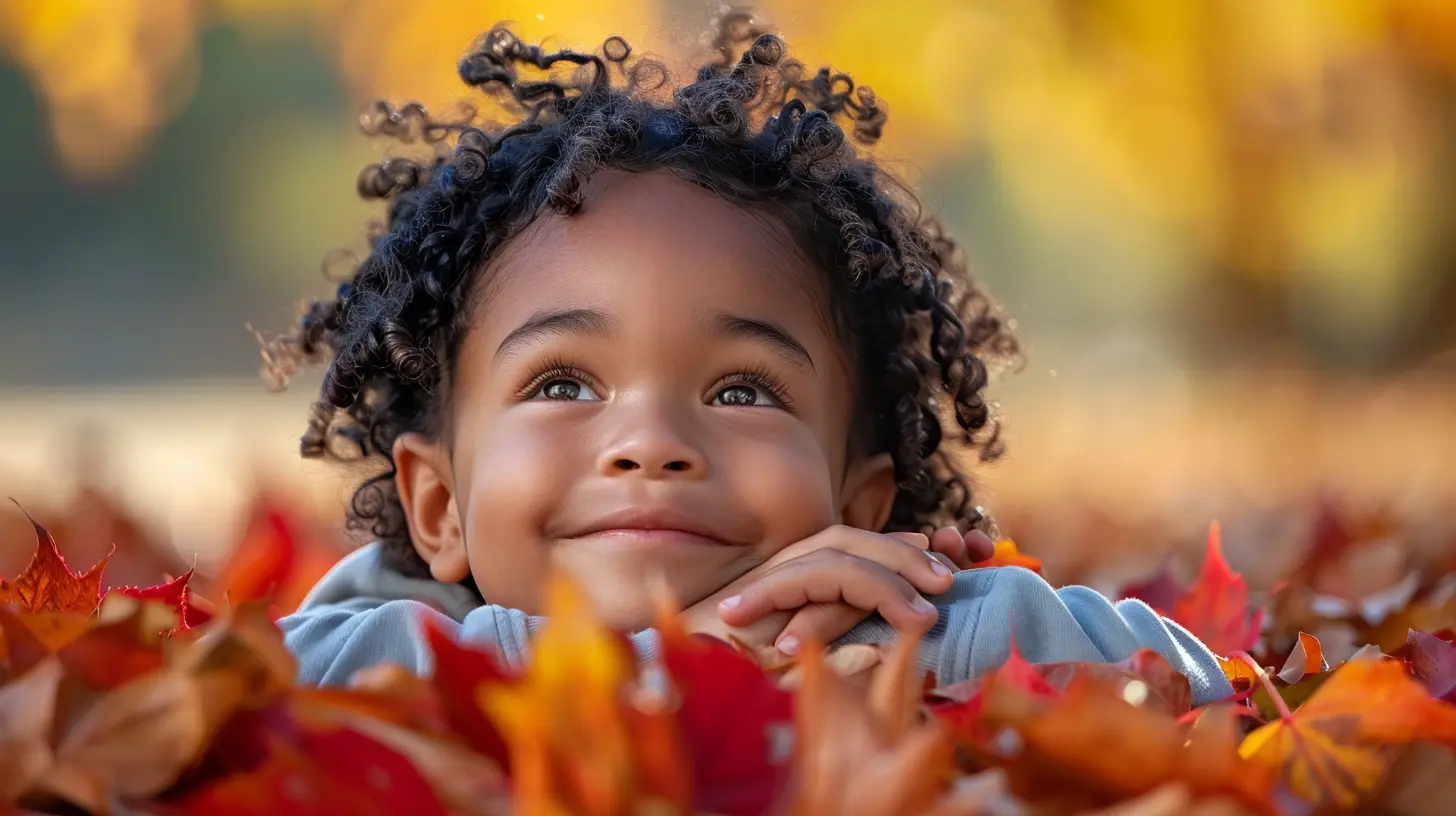
Why Gratitude Matters (And Why Kids Need to Learn It Early)
Let’s be honest—kids aren’t exactly born with the instinct to be grateful. Their world revolves around them (and their snack cravings). But gratitude isn’t just about politeness; it comes with a truckload of benefits:- Happier Hearts: Studies show that grateful people are generally happier and more content.
- Stronger Relationships: Saying thank you strengthens connections with family, friends, and even strangers.
- Greater Resilience: Appreciating what they have helps kids handle life's inevitable disappointments better.
- Less Entitlement: Gratitude shifts focus from “gimme more” to “I appreciate what I have.”
Gratitude is like a muscle—the more you use it, the stronger it gets. And guess what? You’re the personal trainer your kid needs to build this life-changing habit. 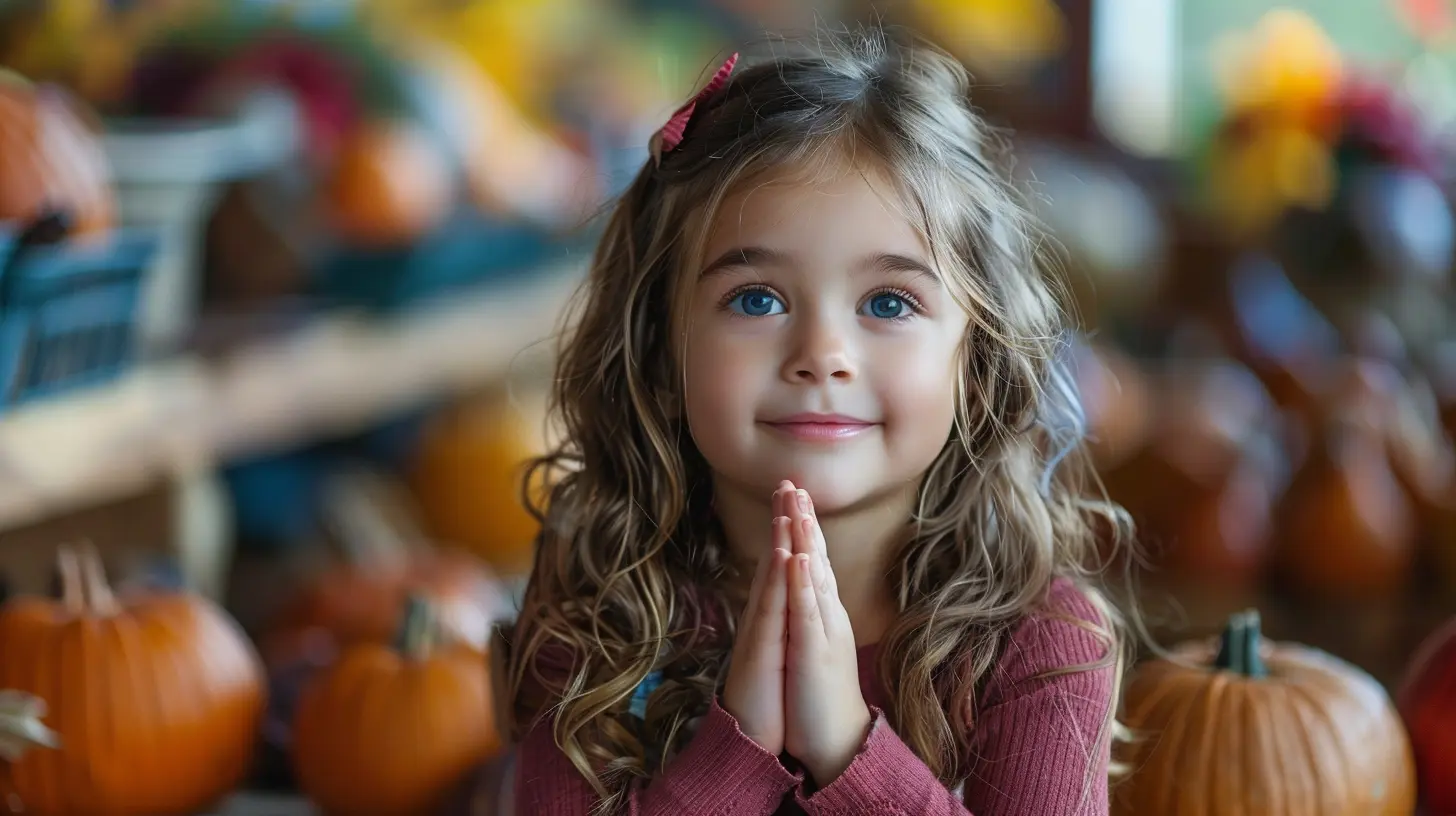
Making Gratitude Fun: Engaging Ways to Teach Kids to Give Thanks
Forget the long lectures. If you want kids to embrace gratitude, you need to make it fun, interactive, and woven into their everyday lives. Here’s how:1. The Power of "Thank You" Notes (Even If They Can’t Spell Yet!)
Handwritten notes might feel old-school in a world of texts and emojis, but they hold a kind of magic.- Have your child write or draw a simple thank-you card when they receive a gift, experience kindness, or just appreciate someone.
- If they’re too young to write, let them dictate while you jot it down. Stickers and glitter pens? Absolutely encouraged.
This little habit reinforces the idea that gratitude isn’t just felt—it should be expressed.
2. Gratitude Jars: Because Seeing is Believing
Let’s face it, kids love physical, visual things (why else do they collect rocks and weird trinkets?). A gratitude jar is perfect for capturing thankful moments.- Put a jar in a visible spot.
- Every day (or week), encourage your kiddo to write one thing they’re thankful for on a slip of paper and drop it in.
- Read through them together at the end of the month to reflect on all the good things in their lives.
This simple practice helps kids shift their focus from what they want to what they already have.
3. Storytime with a Side of Gratitude
Children’s books are filled with beautiful lessons about thankfulness—without feeling preachy. Some classics to check out:- The Thankful Book by Todd Parr
- Gratitude is My Superpower by Alicia Ortego
- An Awesome Book of Thanks! by Dallas Clayton
After reading, make it a habit to ask: What was the character thankful for? What are YOU thankful for today? Conversations like these help gratitude click on a deeper level.
4. Lead by (Loud and Proud) Example
Here’s the real kicker—your kids will learn gratitude much faster if they see YOU practicing it.- Say “thank you” often—to them, to your partner, to the cashier at the grocery store.
- Express appreciation for the little things: "I love that the sun is shining today!" or "I'm so grateful for this warm cup of coffee."
- Verbalizing your gratitude makes kids more likely to follow suit. Because let’s be honest…they’re always watching.
5. Make a Gratitude Routine (Because Habits Stick!)
Kids thrive on routines, and incorporating gratitude into daily life ensures it becomes second nature. Some easy ways:- Mealtime Gratitude: Before eating, everyone shares one thing they’re thankful for.
- Bedtime Thankful Thoughts: Right before bed, reflect on one good thing from the day.
- Thankful Thursdays: Dedicate one day a week to extra gratitude efforts—maybe writing notes, making kindness calls, or doing something thoughtful for someone else.
Building a habit takes time, but once it sticks, it becomes part of who they are. 
Teaching Thoughtfulness: Beyond the "Thanks"
Gratitude is more than just words—it’s about actions, too. That's where thoughtfulness comes in.1. Encourage Acts of Kindness
Gratitude and kindness go hand in hand. Challenge your child to do small acts of kindness regularly:✅ Helping a younger sibling with a task
✅ Making a handmade gift for a friend
✅ Donating toys or clothes they’ve outgrown
✅ Complimenting a classmate
Showing gratitude through action helps kids internalize it on a deeper level.
2. Give Experiences, Not Just Stuff
Gifting isn’t just about toys and gadgets. Focus on experiences that foster appreciation:🎟️ Take them on a “Mom & Me” date instead of buying another plastic toy.
🏕️ Plan a camping trip instead of splurging on the latest game console.
🎭 Go see a live performance instead of purchasing another electronic.
Experiences build lasting memories and help kids value moments over material things.
3. Volunteer Together
Nothing fosters gratitude like giving back. Find opportunities to volunteer as a family:- Serve meals at a local shelter
- Participate in a community clean-up
- Visit a nursing home
Seeing others in different circumstances helps kids recognize their own blessings and develop empathy. 
Handling the “But I Don’t Wanna” Moments
Let’s be real—kids aren’t going to wake up every day eager to practice gratitude. There will be eye rolls. There will be ‘Why do I haaaave to?’ moments. That’s normal!Here’s how to handle it:
👉 Keep it light. Gratitude shouldn’t feel like homework. Make it playful and engaging.
👉 Be patient. Like any habit, gratitude takes time to develop. Keep at it!
👉 Mix it up. If one method isn’t working, try another. Kids love variety.
👉 Celebrate progress. If they show gratitude unprompted, acknowledge it! Positive reinforcement works wonders.
Final Thoughts: Gratitude is a Superpower
Raising thankful kids isn’t just about manners; it’s about equipping them with a mindset that will serve them for life. A kid who learns to appreciate what they have is a kid who grows up to be a kinder, more thoughtful, more content adult.So, start small. Be consistent. And watch as your child blossoms into a genuinely grateful human. (And hey, maybe they’ll even thank YOU for it one day. A parent can hope, right?
all images in this post were generated using AI tools
Category:
Teaching GratitudeAuthor:

Max Shaffer
Discussion
rate this article
2 comments
Marlowe Rivera
Teaching gratitude shapes our children’s hearts, fostering empathy and strong connections with others.
February 26, 2026 at 4:11 PM
Max Shaffer
Absolutely! Teaching gratitude enriches children's emotional development and fosters deeper connections with those around them.
Maddison Gilbert
In gratitude's embrace, we nurture hearts; teaching our children to cherish each moment and share kindness that imparts.
February 24, 2026 at 4:42 AM
Max Shaffer
Thank you for beautifully capturing the essence of gratitude! Teaching our children to cherish moments and spread kindness is truly invaluable.