The Ultimate Guide to Childproofing Every Room in Your House
27 January 2026
So, you’ve got a curious little explorer crawling—or sprinting—around your home and getting into literally everything, huh? Welcome to parenthood! While those tiny hands are absolutely adorable, they also have a supernatural knack for finding danger in the most unexpected places.
But don’t sweat it—I’ve got your back. This ultimate guide to childproofing every room in your house is like your parenting life vest. It’s packed with practical tips, simple tricks, and no-nonsense advice to help you create a safer, happier environment for your little human. Let’s dive in and make sure that every corner of your home is both baby-approved and accident-free.
Why Childproofing Is Non-Negotiable
Before we start strapping everything down and padding every edge, let’s chat about why childproofing matters so much. Kids, especially under age 5, are naturally curious. They explore, touch, climb, tug, taste—basically, they’re like adorable tornadoes with zero concept of danger. That’s a recipe for potential accidents.Childproofing gives you peace of mind and, quite frankly, fewer gray hairs. It’s not about being overly cautious; it’s about removing predictable hazards and giving your child room to explore safely.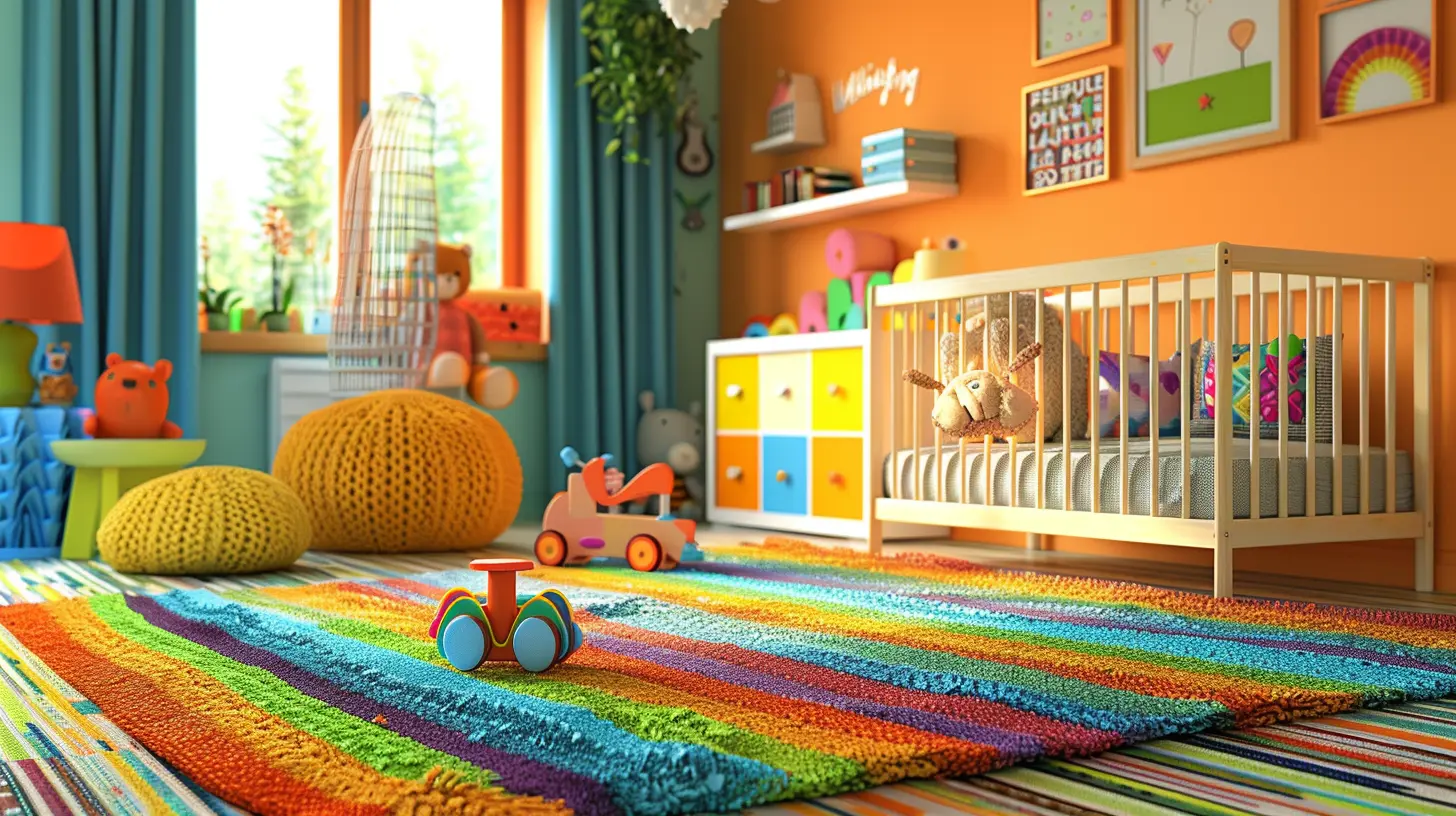
General Childproofing Tips (Start Here!)
Alright, before we break things down room by room, there are a few general safety must-dos that apply throughout the house:- Get down to their level: Literally. Crawl around and see the world like your child does. You’ll be shocked at what you spot from their three-foot perspective.
- Secure furniture: Anchor bookshelves, TVs, and tall dressers to the wall. These are climbing magnets for toddlers.
- Cover outlets: Those electrical sockets seem to call out to little fingers. Snap-on outlet covers can save the day.
- Install safety gates: Block off stairs, kitchens, or any room you need a break from constantly supervising.
- Lock cabinets and drawers: Especially the ones with cleaning products, sharp tools, or mystery "don’t-touch" zones.
- Use corner bumpers: For those sharp furniture edges—because no one likes forehead-meets-coffee-table situations.
Now that we’ve got the basics, let’s take it room by room and make your whole house toddler-proofed and stress-free.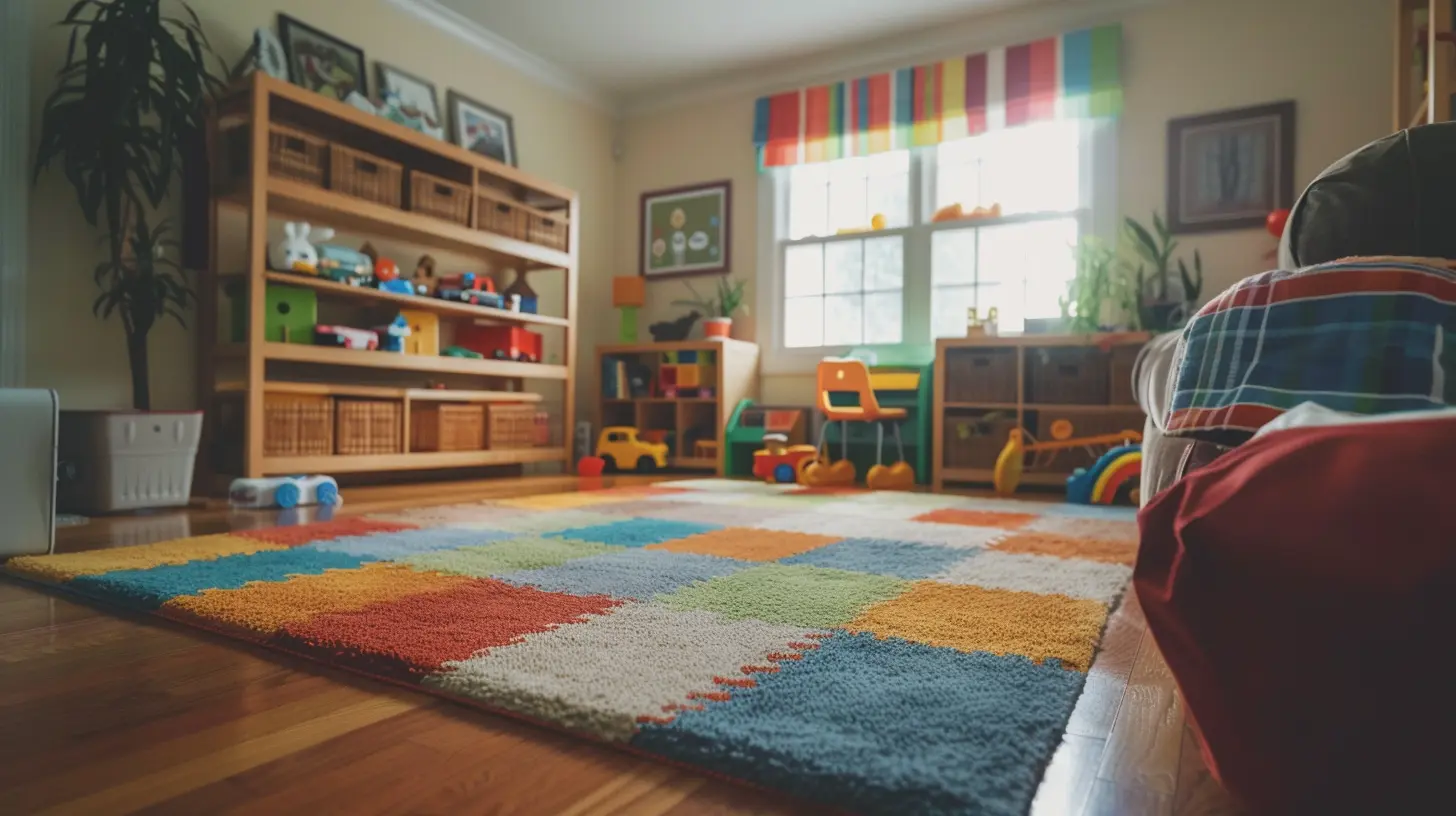
Childproofing the Living Room
The living room is ground zero for playtime and lounging, but it’s also filled with potential hazards. Here’s how to make it as safe as cozy:1. Secure TVs and Furniture
Flat screens look sleek, but they’re not very stable on top of a console. Mount your TV to the wall or use straps to anchor it tightly. Same goes for heavy furniture that could tip if climbed.2. Tame the Cords
TVs, lamps, chargers—oh my! Hide electrical cords using cord concealers or covers. You can also secure cords behind furniture or mount them out of reach.3. Soften the Edges
Coffee tables, fireplace hearths, and end tables usually have sharp corners. Add corner guards or edge bumpers to soften blows from those inevitable toddler stumbles.4. Keep Decor Minimal
That cute glass vase? The stylish candle display? Yeah… maybe keep them out of reach (or boxed away for a few years). Choose child-friendly decor that won’t shatter, tip, or tempt.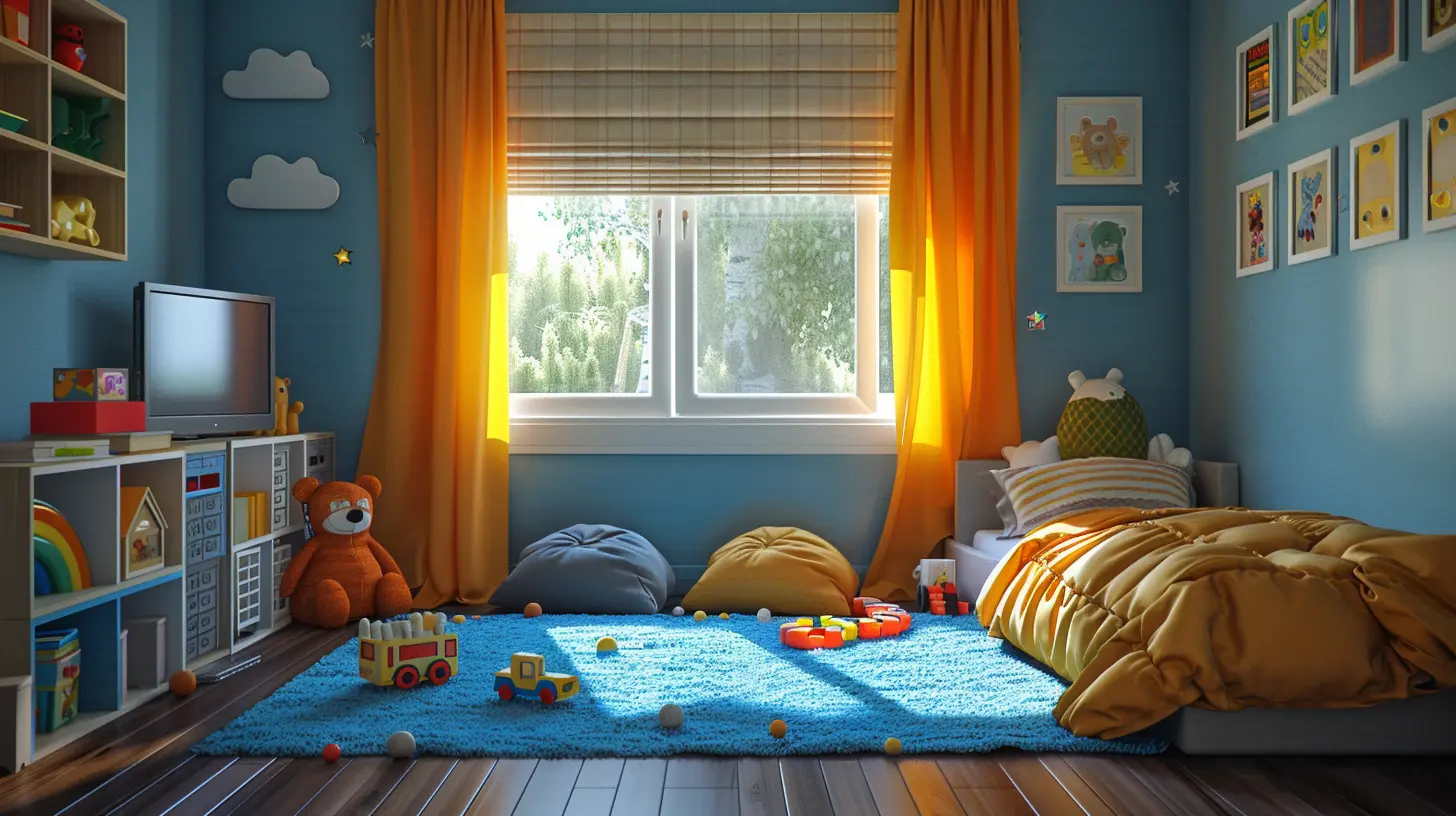
Childproofing the Kitchen
Ah, the kitchen—a wonderland of smells, sounds, and so many dangerous things. Let’s make it safe enough for your little shadow to follow you without constant anxiety.1. Lock the Cabinets
Invest in quality cabinet locks, especially for cabinets with cleaning supplies, knives, appliances, meds, or trash bins.2. Stove Safety
Turn pot handles inward when cooking and use back burners when possible. Install stove knob covers to prevent toddler "cooking experiments."3. Fridge & Dishwasher Locks
Yes, they make locks for your fridge and dishwasher. Keep your kiddo from rifling through the cheese drawer or grabbing a steak knife from the dishwasher rack.4. Control Choking Hazards
Keep small kitchen gadgets, batteries, magnets, and coins far out of reach. You’d be amazed what a toddler thinks is edible.Childproofing the Bathroom
Let’s be real—this room is basically a pool with hard surfaces and sharp tools. Time to turn it into a no-nonsense, super-safe zone.1. Toilet Locks
Yep, toilet locks are a thing—and for good reason. Prevent your tot from throwing in toys (or diving in themselves—yes, it happens).2. Non-Slip Mats
Bathrooms can be slippery. Place non-slip mats inside and outside the tub to reduce the risk of falls.3. Hide Cleaning Products and Medications
Store all cleaning agents, razors, perfumes, and meds in high, locked cabinets. Even toothpaste can be a hazard in the wrong hands.4. Water Temperature Control
Set your water heater to 120°F (49°C) or lower to prevent scalds. Add an anti-scald device to your faucet or showerhead just to be safe.Childproofing the Nursery
You’d think the nursery—a room made for babies—would be inherently safe. But even the coziest nursery needs a safety audit.1. Crib Safety
Make sure the crib meets current safety standards. No drop-side cribs, fluffy blankets, pillows, or stuffed animals (yes, sorry—they’re a suffocation risk for infants).2. Anchor Furniture
That changing table? The bookshelf of bedtime stories? Secure it all. As soon as babies pull themselves up, they start climbing.3. Keep Monitor & Cords Out of Reach
Mount the baby monitor and make sure the cords are totally inaccessible from the crib.4. Window Safety
Install cordless blinds if you can. If not, use a cord winder to keep dangling cords far out of reach.Childproofing Bedrooms (For Older Kids)
As your little one grows into a toddler and eventually a big kid, their bedroom becomes their haven. But even here, a few tweaks can go a long way.1. Secure Bookshelves & Dressers
Even older kids are tempted to scale furniture when they're reaching for a toy or book. Keep everything anchored—always.2. Toy Organization
Use soft bins or baskets for toy storage to avoid accidents with heavy or sharp-edged containers.3. Small Toy Rule
Make it a habit to regularly check toys for small, broken parts. If it fits through a toilet paper roll, it’s a choking hazard for younger siblings.Childproofing the Laundry Room
The laundry room may seem harmless, but there are some serious risks lurking in here.1. Keep Detergents Locked Away
Laundry pods are eye-catching and toxic. Store all detergents and cleaning products out of sight and locked up.2. Secure Washer & Dryer
Kids have been known to crawl into washers and dryers. Yikes. Keep these closed and consider installing childproof locks.3. Iron & Cords
Unplug irons and keep them high or stored away immediately after use. These heat-retaining tools can cause serious burns.Childproofing the Garage
Garages are adult playgrounds full of danger—sharp tools, chemicals, and heavy objects.1. Lock Down Tools & Chemicals
Store tools, lawn equipment, paint, and sprays in locked cabinets. Assume everything in the garage is a danger zone.2. Watch the Garage Door
Install a sensor and keep the remote out of reach. Teach older kids never to play with the garage door.Childproofing the Backyard
Ah, the great outdoors—where kids run free and, unfortunately, risk face-planting into concrete or discovering the dog’s water bowl.1. Fence It In
If you have a yard, a secure fence is a game-changer. Make sure gates latch properly and can’t be opened by little hands.2. Pool Safety
If you’ve got a pool, install a four-sided fence with a self-latching gate. Pool alarms and covers add extra layers of safety.3. Lock Sheds
Garden tools and fertilizers? Yeah, best locked away before they become “toys” in tiny hands.Final Touches and Ongoing Vigilance
Childproofing isn’t a one-and-done job. As your child grows, they’ll find new ways to get into mischief—which means you’ll need to keep updating your safety game.Here are some final tips:
- Stay ahead of your child’s development.
- Have a first aid kit handy.
- Teach safety little by little—don’t rely only on gadgets.
- Keep emergency numbers visible (babysitters need them, too).
Childproofing your home may feel overwhelming at first, but it’s absolutely worth it. It’s not about bubble-wrapping your baby—it’s about giving them a space where they’re free to be curious, without the constant risk of injury. And you? You get to breathe just a little easier.
Wrapping It All Up
At the end of the day, you know your child best. While snafus and boo-boos are inevitable (hey, even we bump into furniture), thoughtful childproofing minimizes the serious risks and lets your child explore with confidence.So go ahead—crawl through the house, lock stuff up, pad the sharp edges, and sneak in a few laughs along the way. You’re doing great.
And trust me—your future self will thank you when you can finally sit down for five minutes without yelling, “Don’t touch that!
all images in this post were generated using AI tools
Category:
ChildproofingAuthor:

Max Shaffer
Discussion
rate this article
2 comments
Nix Peterson
Great tips! Childproofing is essential for a safe home. This guide covers everything parents need to know for every room.
February 8, 2026 at 6:02 AM
Max Shaffer
Thank you! I'm glad you found the guide helpful for ensuring a safer home for your little ones.
Kinsley Morrow
Great article! Childproofing can feel overwhelming, but this guide breaks it down into manageable steps. Your practical tips and clear suggestions will definitely help parents create a safe environment for their little ones. Thanks for providing such helpful resources for our parenting journey!
January 27, 2026 at 5:23 PM
Max Shaffer
Thank you for your kind words! I'm glad you found the guide helpful in making childproofing feel more manageable. Happy parenting!