How to Support Your Child’s Learning Style
30 January 2026
Ever watched your kid read upside down or bounce around the room while doing math homework and thought, “What on earth is going on here?” Don’t worry—you’re not alone. Every child learns differently. What works for one may totally frustrate another. Understanding and supporting your child’s learning style can make a massive difference, not just in their grades, but also in their self-confidence and love of learning.
In this guide, we'll break down the different learning styles and give you real, down-to-earth strategies to support your unique little learner. So, grab a cup of coffee and let’s dive in.
What Exactly Is a Learning Style?
Let’s start simple. A learning style is basically the way someone best takes in and processes information. Just like some people prefer vanilla ice cream over chocolate (yes, those people exist), kids have preferences for how they learn.There are several models, but the most well-known one categorizes learners into three main types:
1. Visual Learners – They learn best through images, diagrams, and spatial understanding.
2. Auditory Learners – They prefer listening. They remember what they hear.
3. Kinesthetic Learners – They need to touch, move, and physically engage to understand.
It’s not always black and white. Some kids are hybrids—a little bit of this, a little bit of that. The key is figuring out what makes your child tick.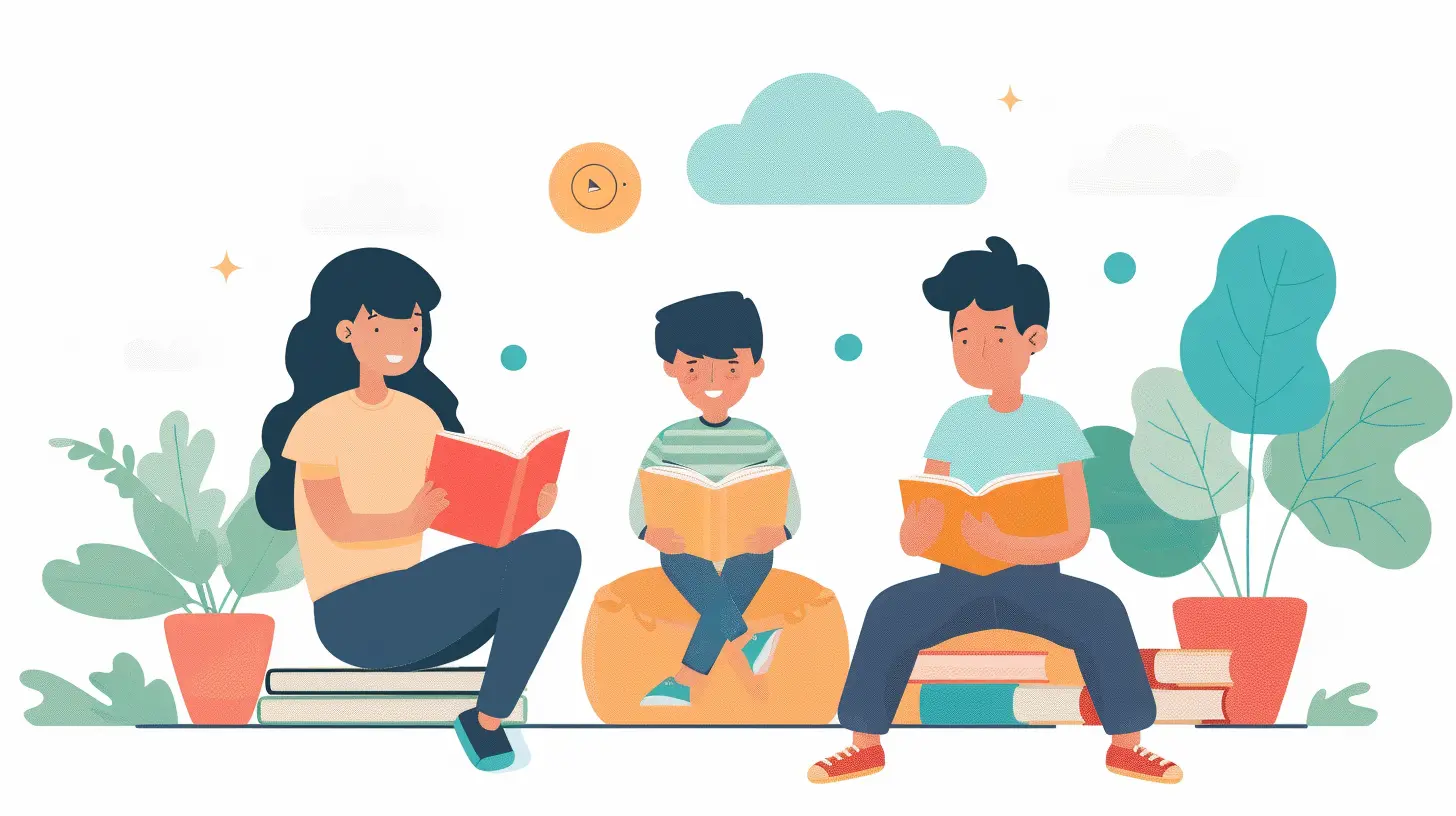
Why Should You Care About Learning Styles?
Good question. Why should you bother?Because pushing a child to learn in a way that doesn’t work for them is like trying to fit a square peg in a round hole. It’s frustrating—for you and for them. But when you tailor the approach to how they naturally learn best, magic happens. They get it. They feel smart. They succeed.
Think of it like giving them the right tools for the job. Would you give a painter a hammer instead of a brush? Exactly.
Spotting Your Child’s Learning Style
You don’t need a fancy test or a psychologist to figure this out. Just pay attention.1. Visual Learners
These kids are the doodlers, the list-makers, and the diagram-lovers. If your child:- Loves reading and looking at pictures
- Enjoys puzzles or maps
- Remembers faces but forgets names
- Uses phrases like “I see what you mean”
…chances are, you’ve got a visual learner.
2. Auditory Learners
Ever notice your child singing while doing chores or talking through their thoughts? Auditory learners:- Remember things they hear more than what they read
- Love music or storytelling
- Prefer spoken directions over written ones
- Say things like “I hear you”
3. Kinesthetic Learners
These are the movers and shakers. If your kid:- Hates sitting still
- Loves sports or hands-on activities
- Talks with their hands
- Says “Let me try it” a lot
…you probably have a kinesthetic learner on your hands.
How to Support a Visual Learner
Use Visual Aids
Colorful flashcards, charts, diagrams, mind maps—these are like gold to visual learners. When helping with homework, draw it out. Turn math problems into visual puzzles.Keep Things Neat and Organized
A cluttered space = a cluttered mind. Use folders, binders, and color-coded notes to keep material visually accessible.Let Them Write and Draw
Encourage note-taking, sketching ideas, or even turning spelling words into tiny comic strips. They love seeing their thoughts come to life on paper.Watch Educational Videos
Turn on educational YouTube channels or documentaries. Learning through visual storytelling works wonders.How to Support an Auditory Learner
Read Aloud Together
Instead of silent reading, take turns reading aloud. Hearing the words helps them retain information better.Talk It Out
Need to help them remember spelling words or science facts? Try quizzes, rhyming games, or simply talking it out together like a podcast episode.Use Music and Songs
There’s a song for practically everything—math, grammar, history. Find catchy educational tunes or let your child make up their own.Encourage Discussion
Ask open-ended questions. Let them explain what they learned. If they can teach it, they really know it.How to Support a Kinesthetic Learner
Get Hands-On
Use building blocks for math, science experiments in the kitchen, or letter tracing in shaving cream. They learn by doing.Take Frequent Breaks
These kids need to move. Give them short breaks to stretch, bounce, or dance it out during study time.Incorporate Movement into Learning
Turn spelling practice into hopscotch, or use flashcards around the house that they have to run to. Make learning an active adventure.Let Them Fidget
Some movement helps them focus. Try stress balls, swivel chairs, or even standing desks.Supporting a Mix of Learning Styles
Let’s be real—most kids don’t fit neatly into one category. And that’s totally okay.Try blending strategies. Maybe your child benefits from hearing a story (auditory), drawing it out (visual), and acting it out (kinesthetic). Mix and match until it clicks.
Also, don’t box your child in. Just because they favor one style now doesn’t mean they won’t adapt others as they grow.
How to Talk to Teachers about Your Child's Learning Style
Teachers can’t personalize every lesson for every student—but they can work with you. Send a friendly email or set up a short meeting:- Share what you’ve noticed at home
- Ask how your child participates in class
- Suggest simple tweaks based on their style (like sitting closer if they’re visual or using manipulatives for math if they’re kinesthetic)
When home and school work together, it’s a win-win.
Tools and Resources for Every Style
Here’s a quick cheat sheet of resources to check out:| Learning Style | Tools & Tips |
|------------------|--------------|
| Visual | Mind mapping apps, color-coded notebooks, educational YouTube videos |
| Auditory | Audiobooks, podcasts, musical flashcards |
| Kinesthetic | Sensory bins, fidget toys, hands-on kits like KiwiCo |
Also, check your local library or teacher’s online portals—they often have free resources tailored to various learning styles.
Final Thoughts: Tailor the Journey, Not Just the Tools
Supporting your child’s learning style isn’t just about schoolwork—it’s about helping them understand themselves. Let them know it's okay to learn differently. Help them build confidence in their unique abilities instead of trying to force them into a one-size-fits-all box.Your kid doesn’t have to fit into the traditional mold to shine. In fact, the world needs more out-of-the-box thinkers, movers, builders, and creative minds. You’re not just raising a student—you’re shaping a future leader, artist, engineer, or changemaker.
So take the time to figure out how they learn, and then lean into it. You’ve got this—and more importantly, so do they.
all images in this post were generated using AI tools
Category:
Education TipsAuthor:

Max Shaffer
Discussion
rate this article
2 comments
Sera McQuade
Recognizing and adapting to your child’s unique learning style fosters confidence and engagement, enhancing their educational journey significantly.
February 8, 2026 at 3:55 PM
Max Shaffer
Absolutely! Tailoring learning approaches to fit your child's unique style truly empowers them and enriches their educational experience.
Emmeline Cole
Embrace your child's unique learning style with open arms! By tailoring your support to their needs, you empower them to thrive, discover their passions, and unlock their full potential.
February 3, 2026 at 5:46 AM
Max Shaffer
Thank you! Embracing a child's unique learning style is key to nurturing their growth and passion. Your support can truly make a difference!