Kids and Contribution: Why Giving Back Cultivates Gratitude
2 August 2026
Ever watched your little one light up when they hand someone a homemade card or help set the dinner table? That’s not just cuteness overload—it’s the seed of gratitude quietly taking root. Contribution and giving back aren’t just big adult concepts. They’re powerful tools we can use to shape our kids into kind, grounded, and empathetic human beings.
In today’s world where kids are bombarded with “more,” teaching them to give instead of always receive can feel like swimming upstream. But here’s the good news: contribution and gratitude go hand-in-hand, and both can be nurtured at home with intention, love, and a little strategy.
Let’s dive in and unpack why encouraging kids to give back might just be the ultimate parenting hack.
Why Gratitude Matters in a Child’s Development
Gratitude isn’t just about saying “thank you.” It’s a mindset, a perspective that helps children appreciate what they have rather than focusing on what they lack. Grateful kids tend to be:- More empathetic
- Better at managing emotions
- Less likely to struggle with anxiety or depression
- Happier overall
Imagine gratitude as emotional armor. It equips our kids to face life’s ups and downs with resilience and grace. And contribution? It’s one of the most effective ways to build that armor.
What Does “Contribution” Really Mean for Kids?
Let’s clear something up—when we say contribution, we’re not talking about kids writing big checks or launching nonprofits. Contribution for kids is about learning to see themselves as capable helpers, tiny changemakers who can positively impact the world around them.That could look like:
- Helping a sibling tie their shoes
- Donating toys they’ve outgrown
- Sharing snacks at school
- Picking up trash at the park
Small but mighty actions, right?
Teaching contribution is less about task-checking and more about creating a lifestyle where kindness, care, and giving are normalized and celebrated.
How Giving Back Cultivates Gratitude
Giving and gratitude feed into each other like a perfect loop. When kids participate in acts of service—no matter how small—they begin to view their own lives differently. They start noticing how others live, what others need, and how fortunate they are to have what they have.Here’s what happens:
1. Perspective Shifts
When your kid helps deliver food to a family in need, suddenly that complaint about spaghetti for the third night in a row doesn’t feel so urgent. Helping others shows them how different life can look beyond their own home.
2. Empathy Development
Giving is like an empathy workout. It teaches kids to step into someone else’s shoes. And a grateful heart almost always walks alongside empathy.
3. Feeling Valued and Capable
When a child contributes meaningfully, they feel useful and important. That inner glow they feel when helping actually reinforces a sense of gratitude for being part of something bigger than themselves.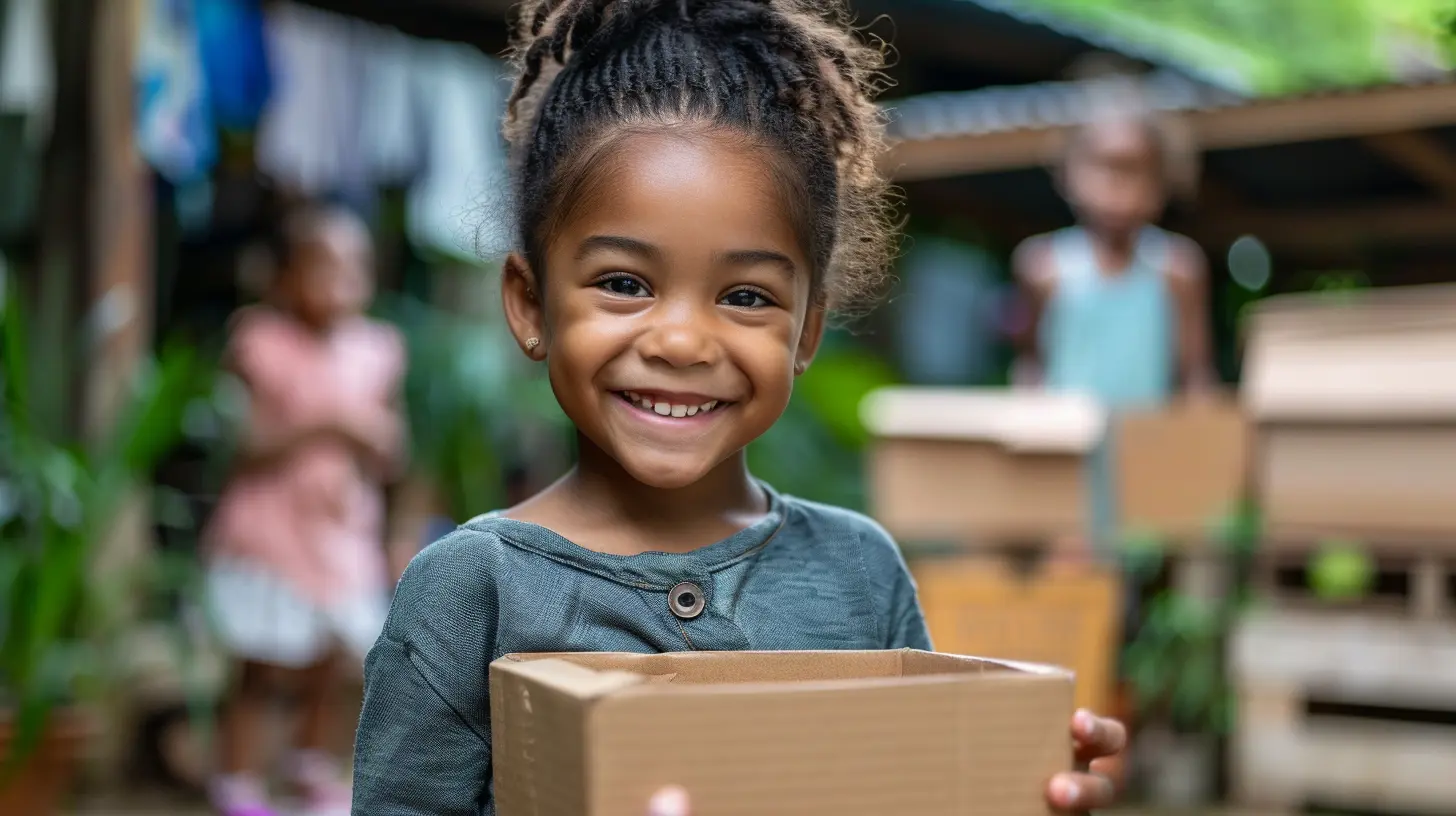
Easy Ways to Get Your Kid Involved in Giving Back
You don’t need a special occasion or a big event. There are so many everyday ways to get your child involved in contribution.Start at Home
Charity begins at home—literally. Giving back can begin with small, meaningful contributions within the family:- Let them help pack lunches for siblings.
- Involve them in cooking and cleaning routines.
- Assign a weekly “family helper” role.
These tasks teach responsibility and show that their efforts make life better for everyone.
Community Kindness Projects
Get creative and organize kid-friendly community acts of kindness:- Make care packages for shelters.
- Visit senior citizens with handmade crafts.
- Host a children’s lemonade stand for charity.
These activities not only help others but become beautiful bonding moments for your family.
Giving Their Time (Not Just Their Stuff)
Sure, donating toys is great. But giving time? That’s next-level teaching. Encourage your child to:- Volunteer to read to younger kids at the library.
- Join a neighborhood cleanup.
- Help walk a neighbor’s dog.
When kids donate time, they realize they don’t need money or material things to make a difference.
Don’t Overwhelm Them—Start Small
It’s tempting to go all in and plan big giving-back projects, but kids (especially younger ones) thrive on simplicity. Set them up for success by starting small. Let contribution become a natural part of their routine. Celebrate it, talk about it, even journal about it together.Remember, the goal is to encourage a lifestyle, not tick off acts of kindness like a checklist.
Making Gratitude Stick—Even After the Giving is Done
Sometimes kids (and grown-ups, let’s be honest) feel all the warm and fuzzies during an act of giving, but then that feeling fades like yesterday’s lunch. The trick is to keep the gratitude muscle flexed.Try These Simple Practices:
- Gratitude Journal: Write down or draw one thing they’re grateful for every day.- Dinner Table Thank-Yous: Everyone shares one thing they appreciated that day.
- Reflection Time: After an act of giving, talk about how it felt and who it helped.
These small rituals keep the gratitude alive long after the good deed is done.
Leading by Example: The Gratitude Ripple Effect
Here’s the truth: kids become what they see. If we roll our eyes every time we're asked to help, guess what our kids pick up?Make kindness, service, and gratitude a normal part of your own life. Let them see you:
- Compliment a stranger
- Donate blood
- Speak kindly about others
- Say “thank you” to the cashier
Your example becomes their roadmap.
A Word on Striking Balance
As much as we want to raise generous, kind-hearted kids, we also don’t want to push them into “martyr mode.” Contribution should never come at the cost of their own well-being.Keep an open dialogue. Make sure your child feels that:
- Their contributions are appreciated
- They’re still allowed to say “no”
- Their needs also matter
It’s a dance—teaching empathy while still nurturing their self-worth.
When Contribution Goes Sideways (And Why That's OK)
Let’s be real: Not every giving moment is Instagram-perfect. Your child might not want to help. They might feel annoyed donating toys or shy at a volunteer event. That’s totally normal.Use those moments to open up conversation:
- “What don’t you like about this?”
- “How do you feel when someone helps you?”
- “Can we think of another way to give that feels good to you?”
Teaching contribution isn’t about perfection. It’s about persistence, patience, and planting seeds that will bloom over time.
The Long-Term Payoff: Raising Grateful, Emotionally Intelligent Adults
Imagine your child as a grown-up. Would you rather they chase stuff, praise, and recognition—or seek connection, community, and purpose?When kids grow up understanding the value of giving back, they’re:
- More emotionally intelligent
- Better leaders
- More grounded in who they are
Contribution sets them up for a meaningful life, not just a successful one. And that’s a gift worth giving, right?
Final Thoughts: Giving Grows Gratitude
Here’s the beautiful truth: Kids don’t need grand gestures to feel the magic of giving. A kind word, a helpful hand, a moment of generosity—these tiny acts make a big impact.When we empower our kids to contribute, we don’t just teach them to be helpful. We help them see their own lives through the lens of gratitude. And in that space, they grow into more compassionate, content, and connected human beings.
So next time your little one wipes down a table or shares a cookie without being asked—pause and smile. That’s not just a small act. That’s gratitude in action.
all images in this post were generated using AI tools
Category:
Teaching GratitudeAuthor:

Max Shaffer
Discussion
rate this article
1 comments
Skye Clayton
I love this idea! Teaching kids to give back really shapes their perspective.
August 8, 2026 at 4:39 PM
Max Shaffer
Thank you! It's great to see enthusiasm for teaching kids the importance of giving back. It truly makes a difference in their lives.