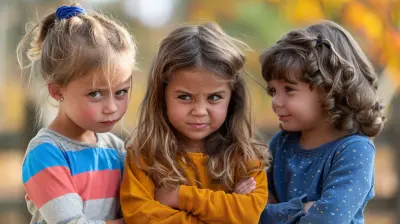
Building Unbreakable Bonds Between Siblings with Effective Communication
24 July 2026
Family is the first social circle kids are introduced to, and the sibling relationship is one of the most influential connections they'll ever have. It can be a rollercoaster ride—filled with laughter, rivalry, inside jokes, and the occasional battle over the last slice of pizza. But what really makes sibling relationships strong? One word: communication.
Good communication helps siblings understand each other, resolve conflicts, and build lifelong friendships. In this article, we’ll dive deep into how parents can foster healthy communication between their kids, ensuring they develop an unbreakable bond.
Why Communication Matters in Sibling Relationships
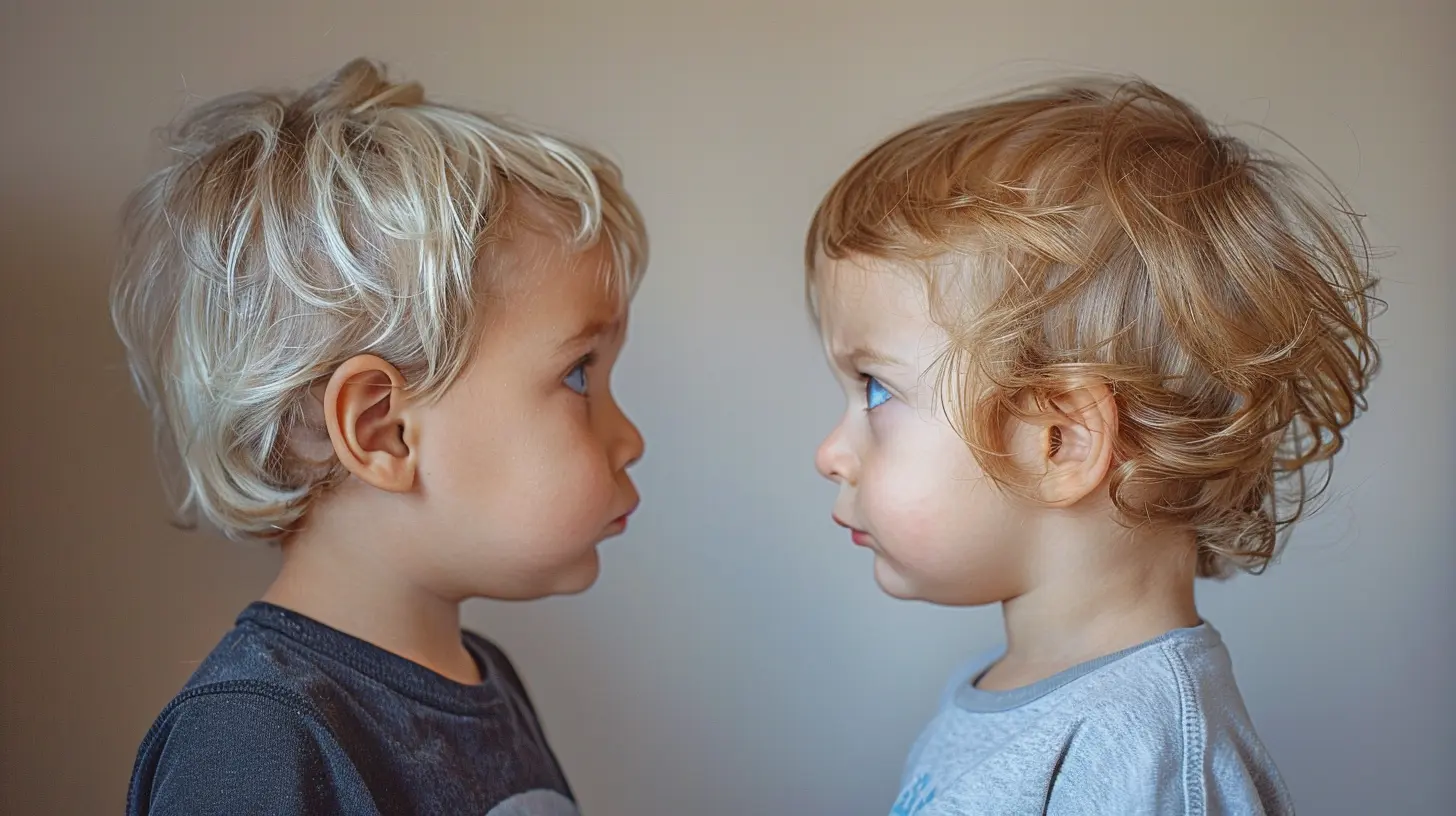
Ever noticed how two people can grow up in the same house yet turn out so different? Siblings have unique personalities, needs, and ways of expressing themselves. Without proper communication, misunderstandings and resentment can build up, leading to long-term rifts.The Power of Open Dialogue
Encouraging open and honest conversations helps siblings feel heard and valued. When kids learn to share their feelings, they become more empathetic toward each other. Over time, this emotional connection leads to trust and deeper friendships between siblings.Reducing Sibling Rivalry
Let’s be real—sibling rivalry is inevitable. Whether it’s over toys, TV time, or parental attention, disagreements will happen. But when children know how to communicate effectively, they can resolve conflicts without constant parental intervention.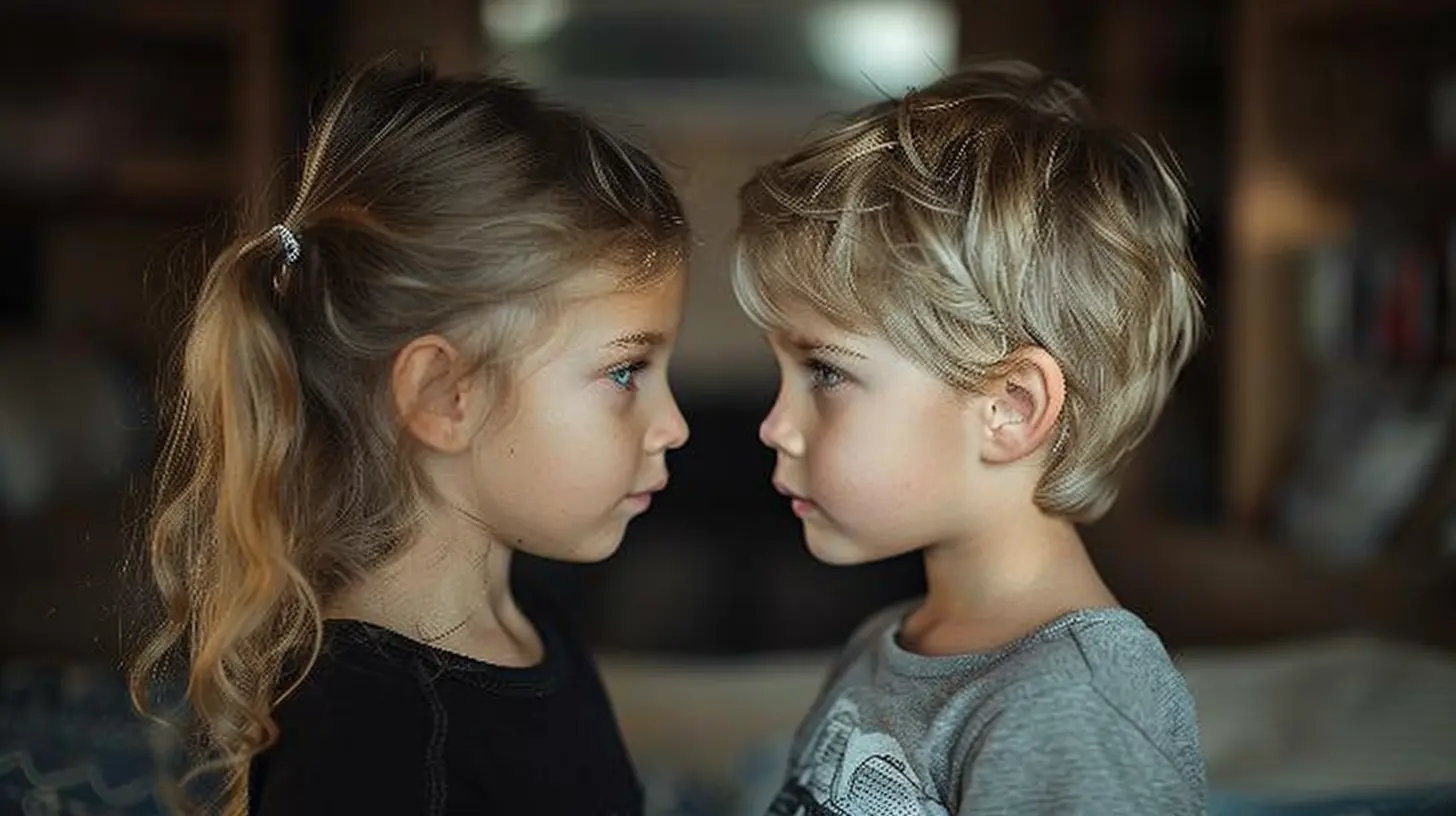
Effective Communication Strategies for Siblings
Now that we know why it’s important, let’s break down tangible ways to improve communication between siblings.1. Teach Active Listening
Most of us are guilty of listening to reply rather than to understand. Kids do the same! Teaching them active listening helps them truly hear each other out.How to Encourage Active Listening:
- Make eye contact: This shows the other person they have your full attention.- Don’t interrupt: Let them express their thoughts before responding.
- Repeat back what was said: “So you're saying you felt left out when Jake didn’t let you play with him?”
- Validate emotions: Even if they disagree, they should acknowledge how their sibling feels.
By practicing these habits, kids learn patience, empathy, and respect for one another’s perspectives.
2. Promote Expressing Feelings with "I" Statements
Ever heard a conversation like this?“You NEVER let me play with your toys!”
“Well, YOU always break my stuff!”
This kind of exchange usually escalates into a full-blown argument. Instead, teach kids to use “I” statements, which focus on feelings rather than blaming.
For example:
✅ “I feel sad when I’m not included in the game.”
✅ “I get frustrated when my things aren’t treated carefully.”
This approach shifts the conversation from blame to understanding, making it easier to resolve conflicts.
3. Encourage Teamwork Over Competition
Siblings naturally compete for attention, resources, and recognition. While a little competition can be healthy, constant comparison can strain their relationship.How to Foster Teamwork:
- Celebrate their individual strengths instead of comparing them.- Encourage group activities where they work together (e.g., building a puzzle or baking cookies).
- Use “we” language: Instead of "Who did it better?" ask, "How can we make this fun for both of you?"
When kids see themselves as teammates rather than rivals, their communication becomes more cooperative rather than combative.
4. Set Clear Family Communication Rules
Just like a sports game needs rules, family communication needs boundaries to keep interactions respectful.Some simple communication rules to implement:
- No interrupting when someone is speaking.
- Use kind words—even when disagreeing.
- No name-calling or hurtful language.
- Everyone gets a turn to express their thoughts.
When these rules become household habits, siblings naturally develop healthy conversation skills that last a lifetime.
5. Hold Family Meetings
Family meetings aren't just for adults—they're a great way to give siblings a structured space to express their feelings.How to Make Family Meetings Effective:
- Hold them regularly (weekly or bi-weekly).
- Give each sibling a chance to share concerns.
- Focus on solutions instead of blame.
- End on a positive note (like sharing a fun family memory).
These meetings teach kids that their opinions matter and that discussing issues calmly is always better than bottling them up.
6. Model Good Communication as Parents
Kids learn how to communicate from watching their parents. If they see you and your partner resolving conflicts with respect and patience, they’ll mimic the same behavior with their siblings.Some ways to model healthy communication:
- Express feelings openly instead of bottling them up.
- Apologize when necessary (even parents make mistakes!).
- Avoid yelling—use calm discussions instead.
- Show active listening when they talk to you.
The more they see healthy communication in action, the more naturally they’ll apply it in their sibling relationships. 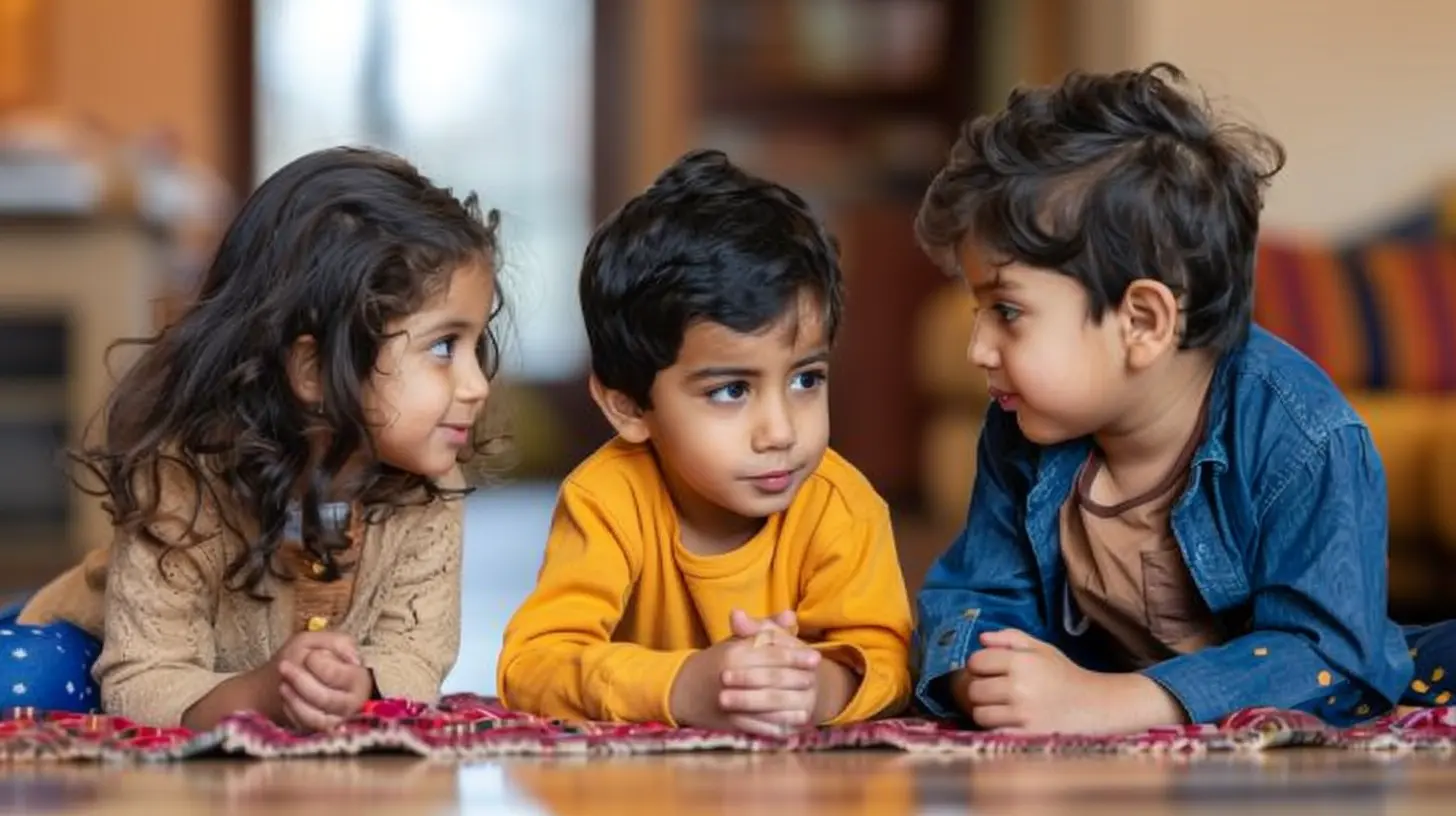
When Sibling Conflicts Arise
No matter how well they communicate, arguments will happen. Instead of stepping in immediately with a solution, guide them toward solving conflicts themselves.Steps to Help Siblings Resolve Conflict:
1. Pause: Ask them to take a deep breath before speaking.2. Listen: Let each child explain their side without interruptions.
3. Identify the problem: Help them pinpoint the real issue.
4. Brainstorm solutions: Encourage them to find compromises.
5. Follow up: Make sure the solution worked and feelings were addressed.
By handling disagreements constructively, kids develop problem-solving skills that benefit them for life. 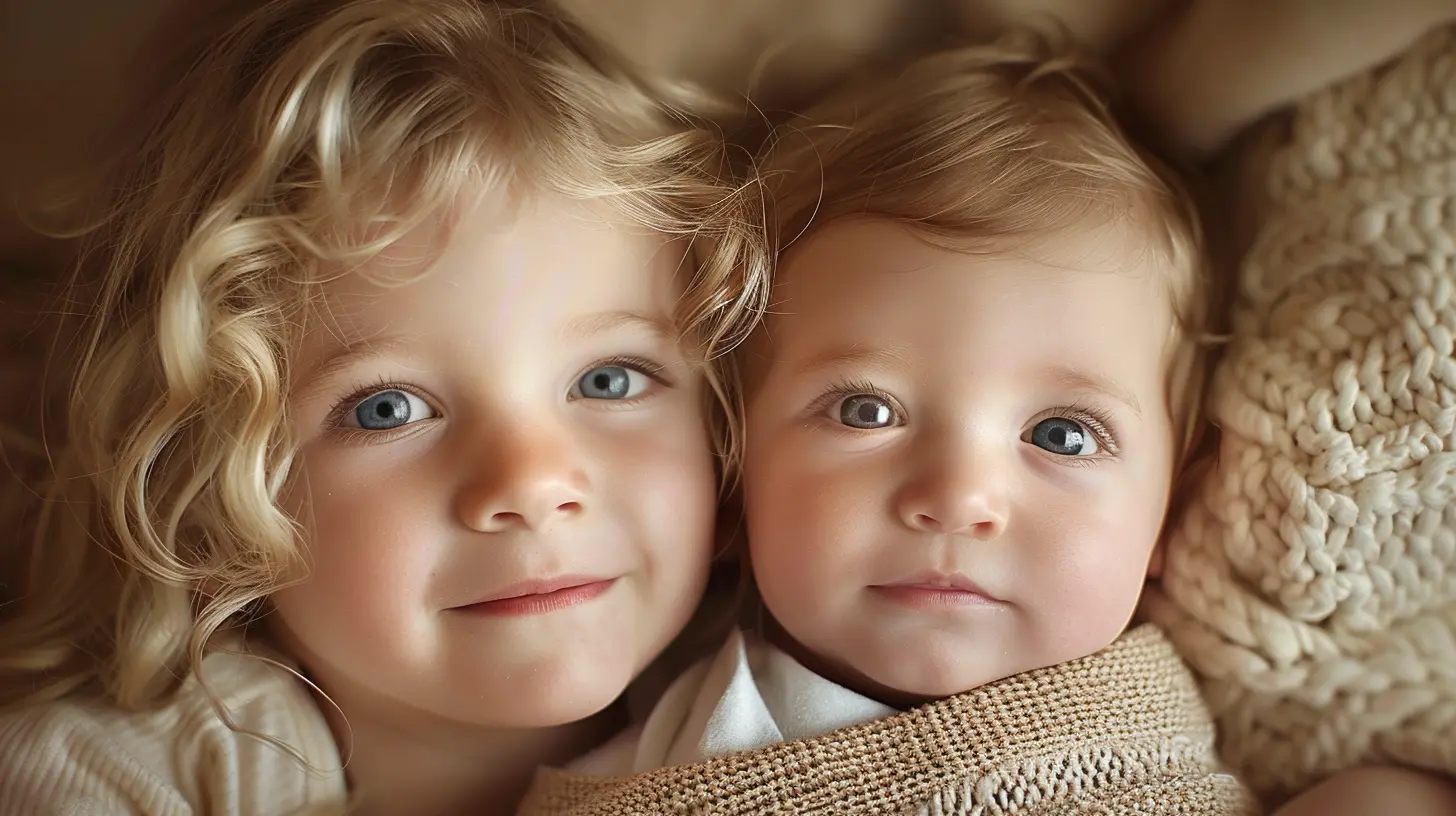
Final Thoughts
Sibling bonds are powerful, shaping how kids build relationships outside the home. While conflicts are natural, teaching effective communication ensures those disputes don’t turn into lasting resentment.By encouraging active listening, emotional expression, teamwork, clear rules, and conflict resolution, parents can create a home where siblings respect, understand, and genuinely enjoy each other’s company.
At the end of the day, siblings are built-in best friends—and with the right communication skills, their bond can truly become unbreakable.
all images in this post were generated using AI tools
Category:
Sibling BondingAuthor:

Max Shaffer
Discussion
rate this article
1 comments
John Mitchell
Encouraging open dialogue really strengthens sibling relationships and helps them understand each other better.
July 28, 2026 at 4:03 AM
Max Shaffer
Absolutely! Open dialogue fosters understanding and connection, making sibling relationships more resilient.