The Influence of Birth Order on Sibling Relationships
9 February 2026
Ever wondered why your older sibling acts like a mini parent, or why the youngest one always gets away with everything? Yeah, you're not alone. The dynamics we experience with our brothers and sisters can feel like a rollercoaster sometimes. But believe it or not, birth order plays a huge role in shaping these relationships.
In this post, we’re diving deep into how the order of our birth—whether we’re first, middle, last, or an only child—can impact sibling bonds. We'll peel back the psychological layers and give you a clearer picture of why your kids (or even you and your siblings) behave the way they do with each other.
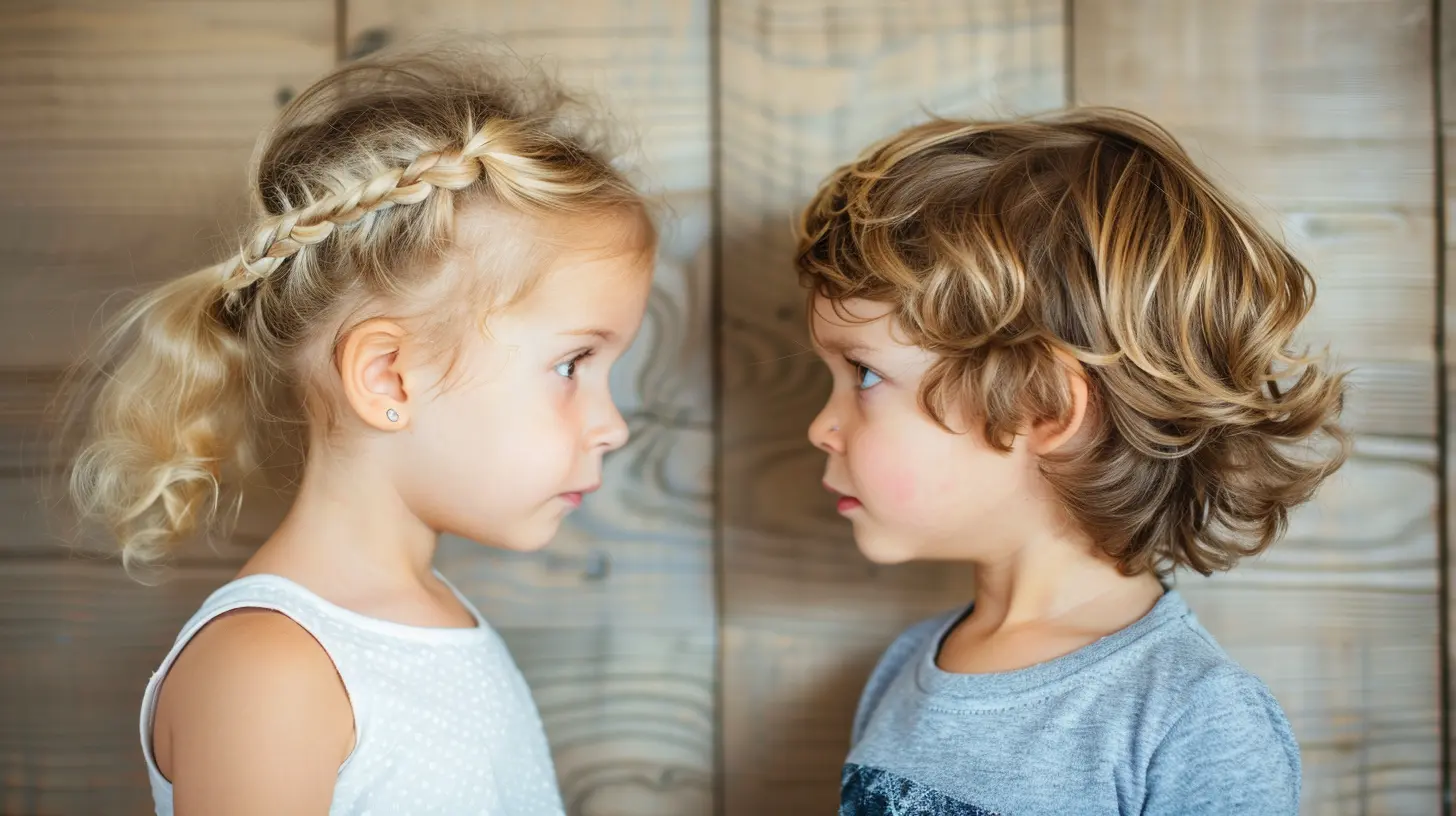
What Is Birth Order Anyway?
Birth order is exactly what it sounds like—the order in which a child enters the family. Seems simple, right? But the effects it has on personality, behavior, and especially sibling relationships can be anything but simple.Here's the typical lineup:
- Firstborn: The leader, the responsible one
- Middle child: The peacekeeper, often overlooked
- Youngest: The entertainer, the risk-taker
- Only child: The focused one, often mature beyond their years
Of course, this isn’t set in stone. Every family is different. But in many families, these roles quietly shape how siblings interact with each other—and with the world.
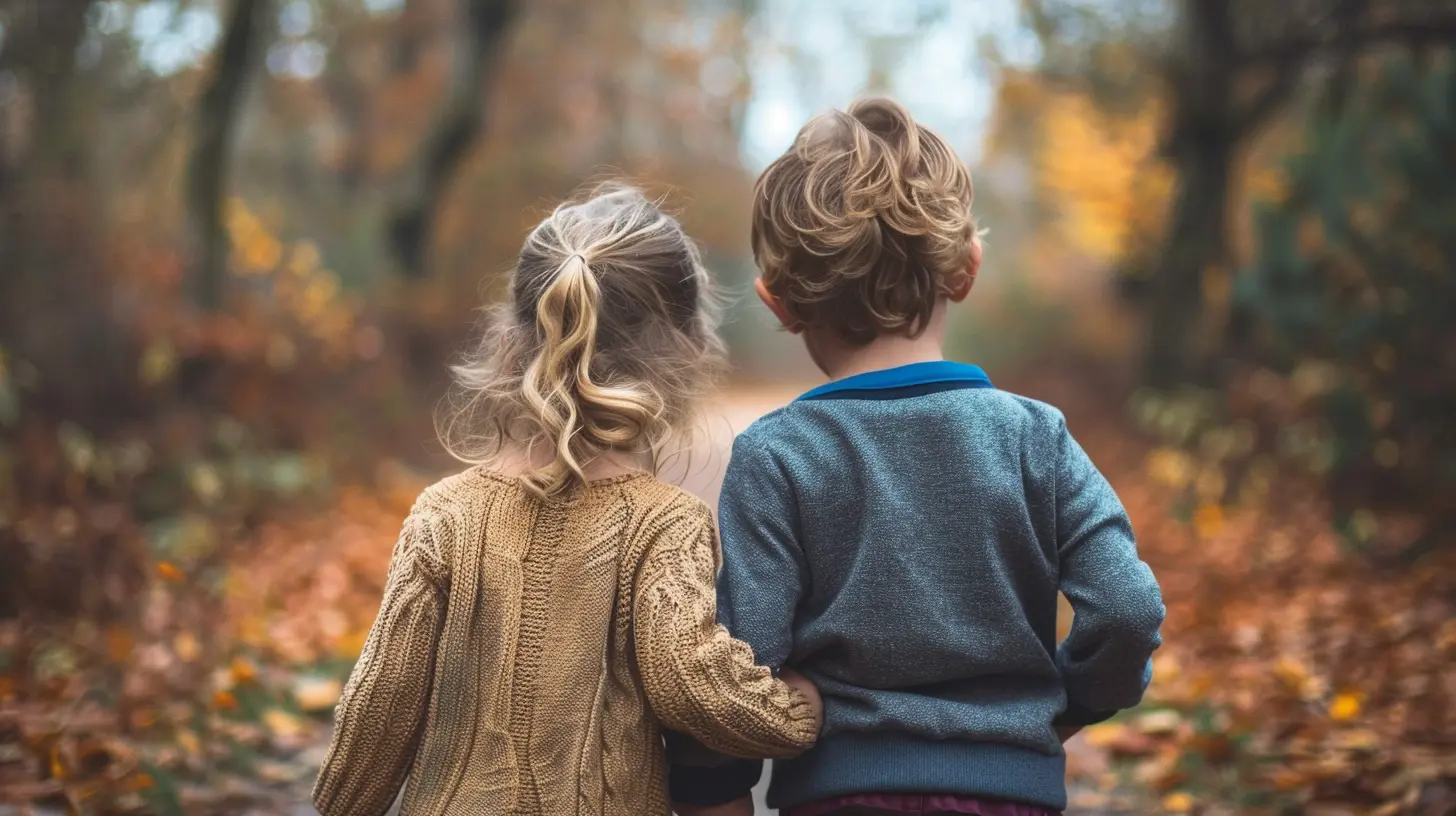
The Firstborn: Natural Leaders or Bossy Big Brothers and Sisters?
Let’s be honest—firstborns often get more attention in the early years. They're the “guinea pigs” of parenting, the ones who make all the first mistakes (and take the blame for them). That kind of upbringing usually turns them into super responsible, achievement-oriented individuals.But how does that affect sibling relationships?
How Firstborns Impact the Family Dynamic:
- Authority Figures: They often take on a parental role with younger siblings. Sometimes that's helpful. Other times, it’s downright irritating for the younger ones.- High Expectations: Firstborns tend to put pressure on themselves—and sometimes on their siblings too.
- Role Models: Whether they like it or not, they're the example the other kids are supposed to follow.
Have you ever heard a younger sibling complain, “I’m not like [insert big sibling’s name]”? That’s the birth order effect in action.
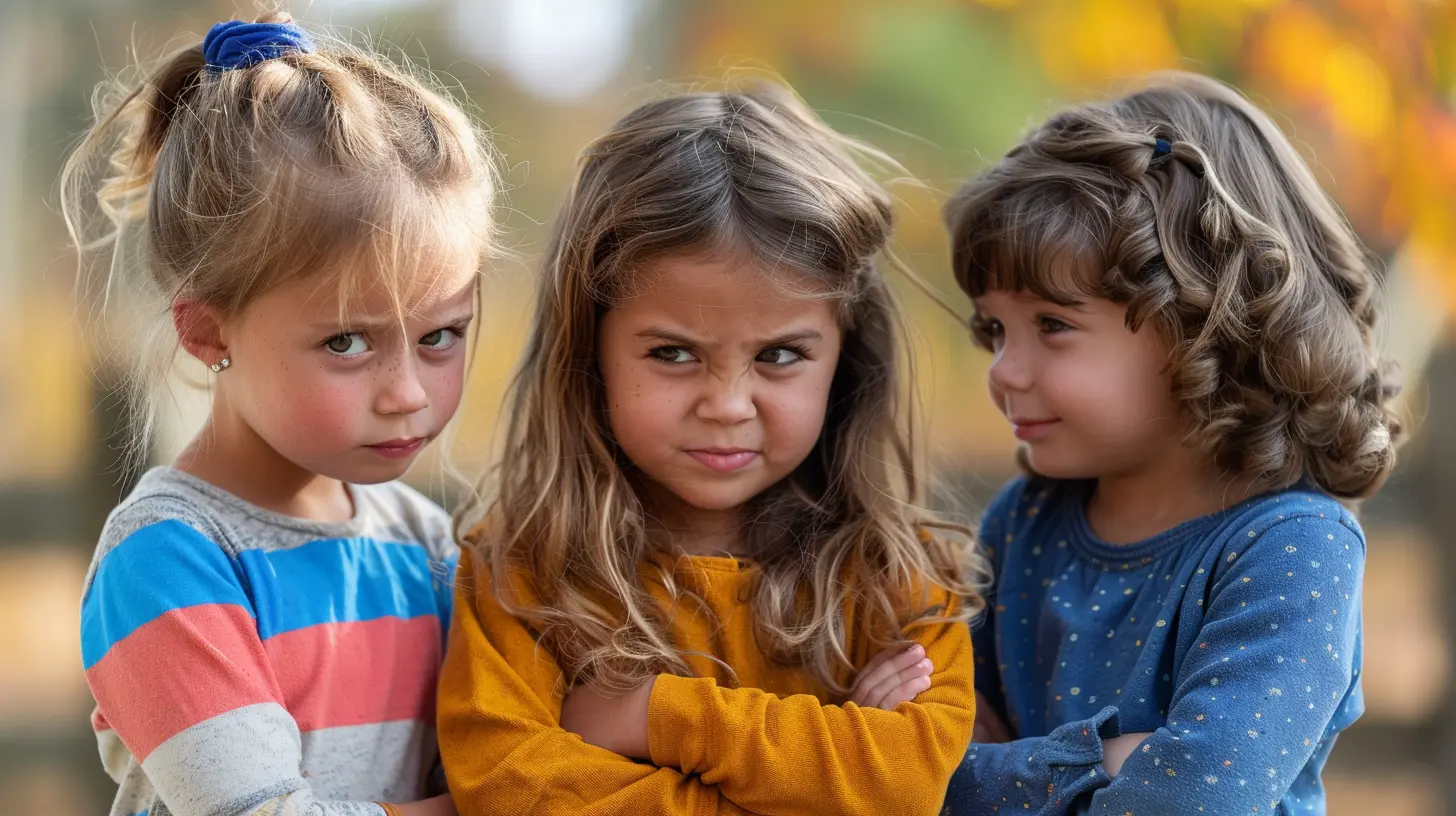
Middle Children: The Forgotten Peacemakers?
Middle kids often feel stuck. They're too young to get the privileges the firstborn had… and too old to be coddled like the baby of the family. That unique position can make them adaptable, diplomatic, and sometimes a little... overlooked.The Middle Child Influence:
- Team Players: Since they’re not the star or the baby, middle kids often learn to cooperate and compromise.- Great at Reading People: They've learned to navigate between the strong personalities of older and younger siblings.
- Independent Thinkers: They carve out unique identities, often different from those of their siblings.
But this also means they might struggle with identity. “Who am I in this family?” is a question they often ask themselves. And with that uncertainty can come rivalry, especially if they feel underappreciated.

The Youngest: The Charmers Or The Spoiled Ones?
Oh, the baby of the family. The one who somehow escapes chores and gets away with bending the rules. Sound familiar?Youngest children often get more relaxed parenting. The parents are more experienced, and maybe even a tad more lenient by this point.
Youngest Child Traits That Influence Sibling Relationships:
- Free Spirits: They're used to having fewer limits.- Attention Seekers: They’ve had to compete with older siblings, so they find creative ways to stand out.
- Bonded With Older Siblings: Sometimes they’re smothered with love, other times teased relentlessly.
Since they're often seen as the “baby,” even as adults, the youngest kids can either bask in the spotlight or grow frustrated from never being taken seriously.
Only Children: Lone Wolves or Social Butterflies?
Only children don’t have siblings to fight with, negotiate with, or blame for broken lamps. This means their relationships with peers and cousins often offer the closest resemblance to a sibling bond.How Being an Only Child Shapes Relationships:
- Mature and Responsible: A lot of one-on-one time with adults can lead to advanced maturity.- Independent: Without siblings to rely on, they often grow into self-sufficient individuals early on.
- Lack of Conflict Skills: Without daily sibling squabbles, they may struggle with sharing or taking turns.
Parents of only children often need to create social opportunities that mimic sibling interaction—cooperative games, group activities, and plenty of real talk about emotions and sharing.
How Birth Order Fuels Sibling Rivalry (and Connection)
Sibling relationships can be everything from loving and loyal to competitive and complicated. Much of this depends on how kids perceive their roles in the family—and how parents handle those perceptions.Common Ways Birth Order Breeds Tension:
- Comparisons: “Why can’t you be more like your sister?” Ouch. That stings.- Favoritism (Real or Perceived): Whether it’s intentional or not, kids pick up on subtle cues.
- Different Rules: Younger kids often notice when rules are more relaxed for them than for older siblings. This can cause resentment from the older ones.
On the flip side, birth order can also create strong bonds. Older siblings feel protective. Younger ones often admire their older counterparts. Middle children can be the glue that holds everyone together.
Parenting Tips to Balance the Birth Order Effect
You can't change birth order, but you can definitely manage its effects. The key? Awareness. Once you know how birth order influences behavior, you can guide your kids with more empathy and fewer power struggles.Here’s how you can help foster healthy sibling relationships:
1. Avoid Comparisons
Never say, “Why can’t you be more like your sister?” Instead, celebrate each child’s unique strengths. Say things like, “I love how you think outside the box,” or “Your creativity is amazing.”2. Equal Time and Attention
Firstborns often feel pushed aside when younger siblings arrive. Middle kids feel invisible. Youngest ones think they can do no wrong. Address these feelings by carving out one-on-one time with each child.3. Give Age-Appropriate Responsibilities
Don’t overload your oldest just because they’re “the responsible one.” And don’t let the youngest off too easy. Give each child chores and responsibilities that match their age and skills.4. Encourage Teamwork, Not Competition
Get them to work together on small projects or creative problem-solving games. It builds unity instead of rivalry.5. Let Them Be Themselves
Don’t shove them into roles. Maybe the middle kid is the leader. Maybe the youngest is super responsible. Let them surprise you.
How Birth Order Affects Adult Sibling Relationships
Believe it or not, these childhood roles can follow us well into adulthood.- Firstborns might still feel responsible for everyone.
- Middle children often continue to mediate family issues.
- Youngest siblings may still be treated like they need help, even if they’re fully capable adults.
- Only children tend to carry a strong sense of independence into adult relationships.
Awareness can break these old patterns. Open communication, boundaries, and even a little humor can go a long way in improving adult sibling dynamics.
Does Birth Order Always Matter?
Not necessarily. There are always exceptions. Blended families, big age gaps, twins, and children with special needs can change the family dynamic entirely.Also, parenting style, family culture, socioeconomic factors, and individual temperament all play a part.
Birth order is a helpful tool—but not a crystal ball.
Final Thoughts: Raising Siblings with Love, Not Labels
So, what should you take away from all this?Birth order gives us clues—not commands. Yes, it shapes our children’s roles and relationships, but it doesn’t define their entire story.
As parents, our job is to nurture each child’s unique personality while keeping an eye out for rivalry, resentment, or unfair treatment. When we do that, we help them build strong, lifelong relationships—not just as siblings, but as friends.
And who knows? That bossy big sister and attention-loving little brother just might turn out to be the best of allies when it really counts.
all images in this post were generated using AI tools
Category:
Sibling BondingAuthor:

Max Shaffer
Discussion
rate this article
2 comments
Felix McBride
Interesting insights! Birth order truly shapes sibling dynamics and relationships.
February 13, 2026 at 4:48 PM
Max Shaffer
Thank you! I'm glad you found the insights valuable. Birth order's impact on sibling dynamics is indeed fascinating!
Soryn Clarke
Birth order can shape dynamics, but individual personalities and parenting styles ultimately play a bigger role.
February 9, 2026 at 5:33 AM
Max Shaffer
Thank you for your insight! While birth order can influence dynamics, I agree that individual personalities and parenting styles are crucial in shaping sibling relationships.