Gratitude and Siblings: Encouraging Kindness and Appreciation Among Family
23 June 2026
Sibling relationships can be a wild rollercoaster—one moment they're best friends, the next they're fighting over who gets the last cookie. But amidst the chaos, these relationships shape a child's understanding of love, kindness, and appreciation. As parents, we have the power to nurture gratitude between siblings, helping them grow into compassionate and supportive individuals.
In this post, we’ll dive into how gratitude strengthens sibling bonds, why it matters, and practical ways to encourage kindness at home. Ready? Let’s go!
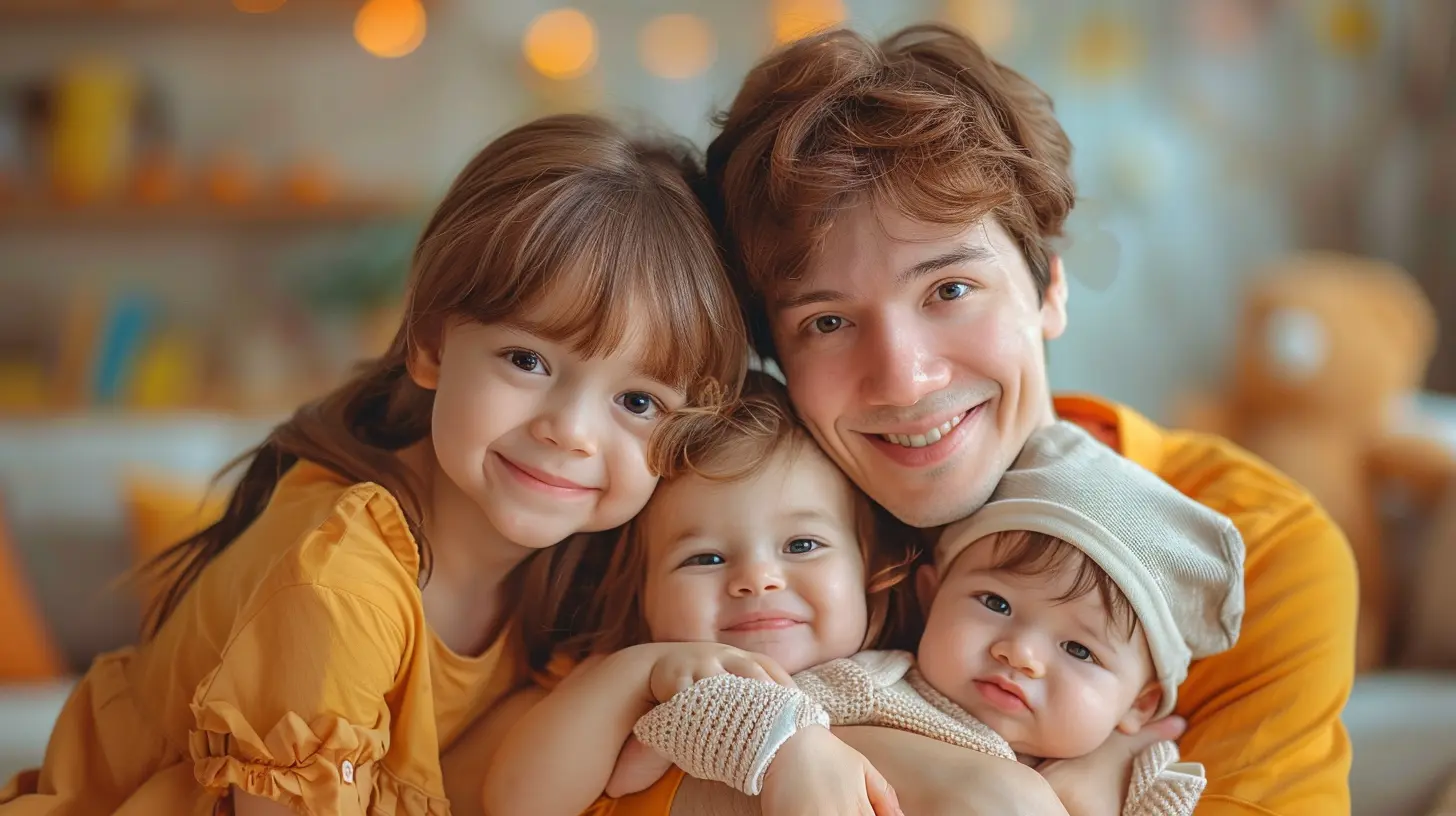
Why Gratitude Matters in Sibling Relationships
You might be wondering, "Why should I focus on gratitude instead of just teaching my kids to get along?" Well, gratitude is more than just saying "thank you." It fosters a mindset of appreciation, reduces conflict, and encourages kindness. When siblings learn to appreciate each other, they become less likely to compete and more likely to support each other's successes.Gratitude Reduces Sibling Rivalry
Sibling rivalry is completely normal, but constant jealousy and competition can create lasting tension. Gratitude shifts the focus from comparison to appreciation. When children recognize the good in each other, they’re less likely to feel resentment and more likely to cheer for their sibling’s wins.Encourages a Stronger Family Bond
A home filled with gratitude is a home filled with love. When children feel valued by their siblings, they develop a sense of belonging and security. This not only strengthens their relationship with each other but also builds their confidence and emotional well-being.Leads to Lifelong Connection
The sibling bond is usually the longest relationship a person will have in life. Teaching gratitude early on ensures that as they grow, they’ll continue to support each other through life’s ups and downs, rather than drifting apart due to unresolved childhood conflicts.
How to Teach Siblings to Appreciate Each Other
Alright, so we know gratitude is important—but how exactly do we teach it? Here are some simple yet powerful ways to encourage a culture of appreciation at home.1. Model Gratitude in Everyday Life
Kids learn by watching us. If you regularly express gratitude towards your spouse, friends, and even your children, they’ll pick up on it. When your child helps their sibling with homework, acknowledge it:"That was really kind of you to help your sister with her math homework! I’m sure she really appreciates it."
Hearing gratitude in action makes it feel more natural for them to do the same.
2. Encourage “Thank You” Notes and Verbal Appreciation
A heartfelt thank-you note or even a simple "I appreciate you" can work wonders. Encourage your kids to express their appreciation in small ways, like leaving sticky notes on each other’s beds or thanking their sibling after receiving help.If writing notes isn't their thing, prompt them with verbal appreciation. You can even make it a habit at the dinner table—everyone shares one thing they appreciate about a family member that day.
3. Create a Gratitude Jar
This one's fun! Place a jar in the living room where family members can drop in notes about things they’re grateful for about one another. At the end of the week, read them aloud together. It’s a simple way to reinforce positivity and appreciation.4. Celebrate Each Other’s Wins
Instead of competition, instill a culture of celebrating achievements. Did one child get an award at school? Encourage their sibling to congratulate them. Creating an environment where kids clap for each other instead of competing makes gratitude a natural habit.5. Lead by Example in Conflict Resolution
Disagreements are inevitable, but how they’re handled matters. Instead of forcing them to say "sorry" just to end fights, encourage them to reflect on their actions. Asking questions like, “How do you think that made your brother feel?” can help them develop empathy and appreciation for one another’s emotions.6. Give Each Sibling Time to Shine
Sometimes, conflicts arise because kids feel overshadowed by their sibling. Making sure each child has their own moment to shine—without comparisons—is key. Whether it’s a solo parent-child outing or simply acknowledging their individual strengths, this helps foster mutual respect.7. Family Gratitude Rituals
Routines help reinforce habits. Try establishing a weekly "Gratitude Circle," where each family member shares something they appreciated that week about their sibling. It can be as simple as:"I loved how my brother shared his crayons with me today."
This practice gradually turns gratitude into a natural part of your child’s thinking process.

The Long-Term Benefits of Teaching Sibling Gratitude
So, what’s in it for your kids? Besides creating a more peaceful home, teaching gratitude to siblings has long-term benefits that extend into their future relationships and well-being.1. Builds Emotional Intelligence
Grateful children develop stronger emotional intelligence. They become more aware of their own feelings and learn to empathize with those around them—a skill that benefits friendships, careers, and even romantic relationships later in life.2. Encourages Teamwork
A grateful mindset makes teamwork more natural. When kids grow up appreciating their siblings, they carry that same attitude into school projects, sports teams, and eventually, workplaces.3. Reduces Entitlement and Increases Generosity
Kids who practice gratitude are less likely to develop an entitlement mentality. Instead of feeling like they "deserve" things, they recognize the value of effort and kindness, which makes them more generous and giving in return.4. Strengthens Mental Health
Studies show that gratitude is linked to increased happiness and reduced stress. Kids who appreciate what they have, including their siblings, tend to be more optimistic and resilient in the face of challenges.
When Gratitude Doesn’t Come Easily
Let’s be real—expecting kids to always be grateful is a stretch. Sibling relationships naturally include jealousy, bickering, and frustration. But that doesn’t mean gratitude can’t be nurtured over time.What to Do When One Sibling Feels Left Out
If one child frequently feels overshadowed, ensure they’re receiving attention and recognition. Try to find small moments to highlight their strengths and encourage their sibling to acknowledge them too.Dealing with Resistance to Gratitude
Some kids might shrug off gratitude exercises, and that’s okay. The goal isn’t to force gratitude but to make it a natural part of daily life. Keep modeling it yourself, and over time, it will sink in.Fostering Gratitude in Different Age Groups
Younger kids might struggle with abstract ideas like appreciation, so keep it simple—praise small acts of kindness. Teens, on the other hand, might appreciate deep conversations about how gratitude strengthens relationships. Tailoring your approach based on their age helps make the lessons stick.Final Thoughts
Fostering gratitude between siblings isn't about eliminating fights (they’ll still argue over who gets the last slice of cake). It's about creating a foundation of kindness, appreciation, and love that they’ll carry into adulthood. As parents, we have the power to guide them toward seeing each other as allies, not rivals.Start with small actions—whether it’s a simple note, a kind word, or a family gratitude ritual. Over time, these little habits will create a bond that lasts a lifetime.
So, what’s one thing your kids have done for each other that made you smile today? Let’s keep the gratitude growing!
all images in this post were generated using AI tools
Category:
Teaching GratitudeAuthor:

Max Shaffer
Discussion
rate this article
2 comments
Sydney Ramos
I love this article! Teaching kids gratitude and kindness is so important for sibling relationships. It really helps them appreciate each other and build a stronger bond. Small moments of gratitude can make a big difference in family dynamics... Thanks for sharing!
August 6, 2026 at 2:55 AM
Max Shaffer
Thank you for your kind words! I'm glad you found the article meaningful. Teaching gratitude really does strengthen sibling bonds.
Storm McKnight
Fostering gratitude among siblings can strengthen family bonds. Encourage children to express appreciation for each other's efforts. Simple acts of kindness and acknowledgment can create a supportive atmosphere, nurturing lifelong relationships and emotional resilience.
July 2, 2026 at 2:33 PM
Max Shaffer
Absolutely! Encouraging gratitude among siblings really can transform family dynamics. A little kindness goes a long way in building lasting connections.