Managing Parental Burnout with Meditation and Mindfulness
17 July 2026
Parenting is one of the most fulfilling journeys in life... but let’s be honest — it’s also one of the most exhausting. Between diaper changes, school pickups, constant snack prep, and the emotional rollercoaster of raising tiny humans, it's easy to feel like you're running on fumes. If you’ve ever felt overwhelmed, short-tempered, or just plain “done,” you’re not alone. This, my friend, is parental burnout.
Now, before you start feeling guilty or thinking you're a "bad" parent, stop right there. Burnout doesn’t mean you don’t love your kids. It means you’re human. The good news? There are powerful tools that can help — and no, they don’t involve booking an expensive vacation or hiding in the bathroom (though we’ve all been there). We’re talking about meditation and mindfulness.
Yep, these ancient practices have made their way into the modern parenting toolkit for a reason. They're simple, accessible, and incredibly effective at helping restore your mental and emotional balance.
In this guide, we’re diving deep into how you can start managing parental burnout with meditation and mindfulness — in a way that fits your jam-packed life. Let’s breathe life back into your parenting adventure!
What is Parental Burnout, Anyway?
Let’s break it down. Parental burnout is a state of physical, emotional, and mental exhaustion caused by prolonged parenting stress. It’s not just about being tired; it’s a full-on depletion of your inner resources.Signs of Parental Burnout
- Constant fatigue, even after resting- Feeling emotionally detached from your kids
- Increased irritability or impatience
- Lack of joy in parenting
- Feeling like you’re failing as a parent
Sound familiar? Trust me, you're not the only one checking off this list. In fact, studies show that parental burnout is on the rise, especially in today’s high-pressure, fast-paced world.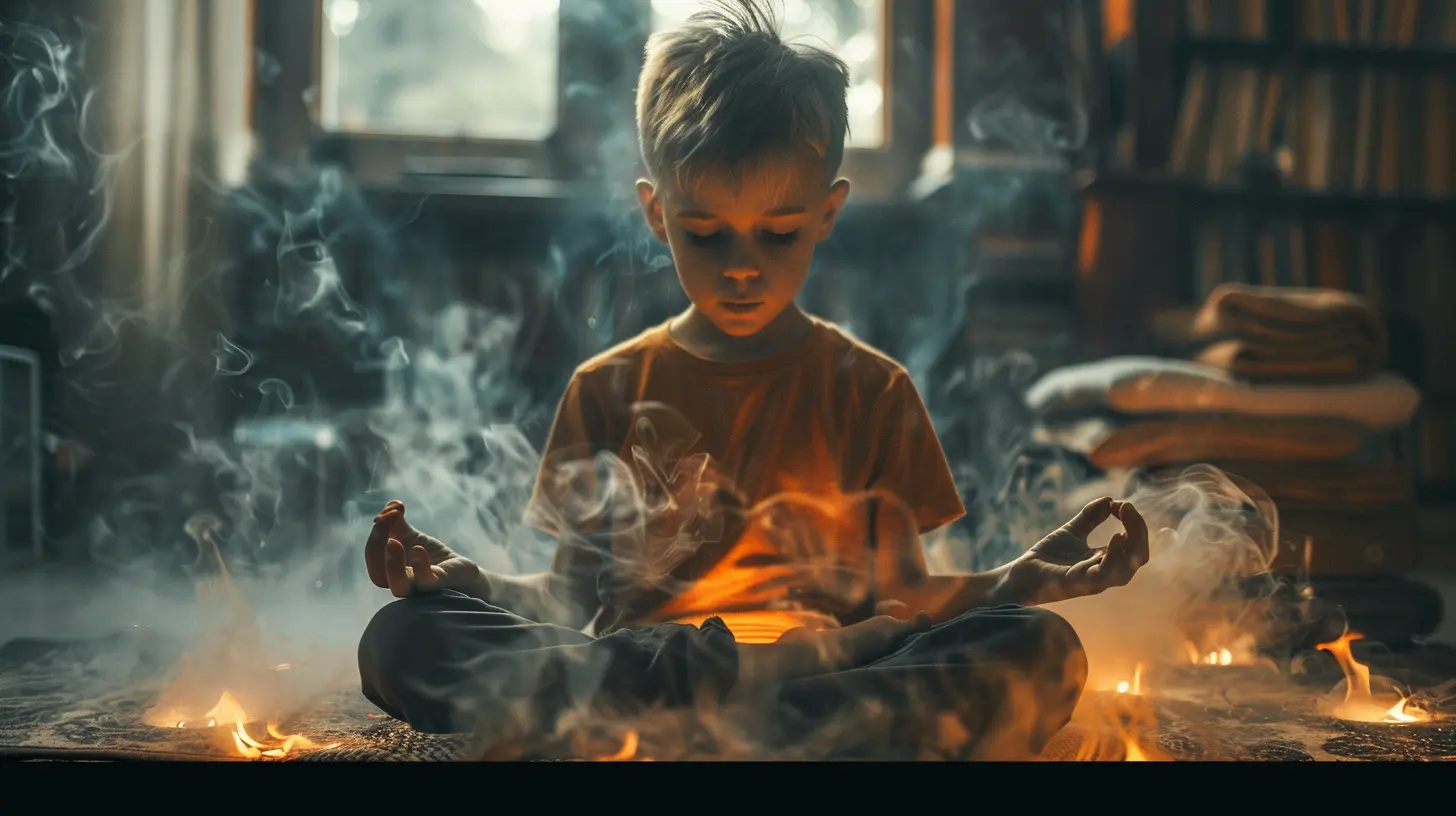
Why Is Mindfulness the Secret Weapon Against Burnout?
Before we get into how to do it, let’s talk about why it works.Mindfulness is the art of paying attention — on purpose — to the present moment, without judgment. It helps you create space between the chaos and your response to it. Imagine yourself standing in the eye of a hurricane — calm and centered — while the storm rages on outside. That’s mindfulness in action.
It teaches your brain how to slow down, reset, and handle stress more effectively. In short, it gives you your mind back — and let’s face it, some days it feels like the kids have taken everything.
How Meditation Helps the Parent Brain
You ever react to a spilled cup of juice like it was a five-alarm fire? That’s what happens when your brain is constantly in fight-or-flight mode. Meditation helps to calm that survival instinct so you can respond instead of react.Here’s what happens when you meditate:
- Activates the parasympathetic nervous system (hello, relaxation!)
- Lowers cortisol levels — that’s your stress hormone
- Improves emotional regulation
- Boosts patience and empathy (the parenting power-duo)
In other words, it tunes your brain for calm... and let's be honest, we all need more of that.
How to Start Mindfulness (Without Adding to Your Stress)
Look, I get it. When you're juggling laundry piles and meltdown management, adding another thing to your to-do list can feel impossible. But mindfulness isn’t about setting aside an hour of your day. It’s about weaving calm into your chaos.1. Start With Just One Minute
Seriously. Just one. Sit, close your eyes, and focus on your breath for 60 seconds. That’s it. Don’t overthink it. Just be for a moment. Think of it as a mini mental timeout.2. Mindful Mornings
Waking up before the kids isn’t always doable, but if you can snag five quiet minutes in the morning to breathe and set your intention for the day, it can change everything. Try this:- Sit up in bed, place a hand on your heart
- Take three deep breaths
- Ask yourself: “What do I need today?”
Simple, right?
3. Breathe Through the Chaos
The next time your toddler throws a tantrum in Target or your teenager slams the door, try using your breath as an anchor. Inhale deeply through the nose, exhale slowly through the mouth. Just one or two rounds can completely shift your nervous system.4. Use Tech to Your Advantage
There are plenty of apps out there — Calm, Headspace, Insight Timer — that make meditation super beginner-friendly. Many have guided sessions as short as 3 minutes. That’s shorter than a commercial break!Bringing Mindfulness Into Everyday Parenting
You don’t have to sit cross-legged on a mountaintop to practice mindfulness. You can do it in the school drop-off line, while folding laundry, or even while washing dishes.Mindfulness While Playing
Instead of multitasking while playing with your kids (we see you checking emails during LEGO time), try giving your complete attention. Notice the colors, their laughter, the feel of their tiny hands in yours. Be there.Mindful Listening
When your child is talking, especially if they’re upset, just listen. Don’t jump in with advice or corrections. Just nod, make eye contact, and offer your full presence. That alone is healing — for them and for you.Pause Before You React
Next time you're about to snap, pause. Take one deep breath. This split-second break can stop you from saying something you’ll regret and opens the door to responding with kindness.Small Acts of Self-Compassion Matter
Mindfulness isn’t just about your interactions with your kids — it’s about how you treat yourself. If you're always pouring from an empty cup, you're going to burn out, plain and simple.Speak Kindly to Yourself
Would you talk to a friend the way you talk to yourself when you mess up? Probably not. Next time you feel like you're "failing," pause and say, “I’m doing the best I can. This is hard, but I’m strong.”Take Mini-Moments of Joy
You deserve to laugh, breathe, and enjoy the little things. Grab that extra cookie. Listen to your favorite song while making dinner. Dance in the kitchen with your kids. It all counts.Make Space for You
Even if it’s five minutes a day, carve out time just for yourself. Whether it’s journaling, stretching, or simply sipping coffee in silence — that time is sacred.Meditation Practices Tailored for Busy Parents
You don’t need a quiet room and incense (though that does sound dreamy). Here are a few parent-friendly meditation techniques you can try:1. Breath Awareness Meditation
- Sit or lie comfortably- Close your eyes
- Focus on the feeling of your breath entering and leaving your nose
- When your mind wanders (and it will), gently bring it back to your breath
Try this for just 2 minutes to start.
2. Loving-Kindness Meditation (aka “Sending Some Love”)
- Close your eyes and take a few deep breaths- Silently repeat: “May I be happy. May I be healthy. May I be at peace.”
- Then bring to mind your child: “May you be happy. May you be healthy. May you be at peace.”
This one is especially powerful when you're feeling distant or frustrated with your little one.
3. Body Scan Meditation
Perfect before bed!- Lie down
- Bring awareness to each part of your body, starting at your toes and moving up to your head
- Notice any tension and gently release it
It’s like a massage for your mind.
What If I Don’t Have Time?
Here’s the thing — this isn’t about finding time, it’s about making space. You don’t have to overhaul your entire routine. Mindfulness sneaks in through the cracks. It’s not another chore; it’s the tool that helps you handle the chores.Even 30 seconds of deep breathing while stirring the spaghetti sauce can be transformational.
The Ripple Effect: Happier Parents, Happier Kids
When you begin to manage your stress with mindfulness and meditation, something magical happens — your kids feel it too.They pick up on your energy. When you’re calm, they’re more likely to be calm. When you handle conflict with grace, they start to do the same. You’re not just managing your burnout — you’re modeling emotional resilience for the next generation.
That’s powerful parenting right there.
Final Thoughts: You Deserve Peace Too
Parenting is a marathon, not a sprint. And guess what? You deserve to feel happy, calm, and connected — not just for your family, but for you.Mindfulness and meditation aren’t quick fixes. They’re tools for the long haul. With just a few minutes a day, you can start to reclaim your peace, reduce burnout, and re-connect with the joy that brought you into parenthood in the first place.
So take a breath. Be kind to yourself. You’re doing better than you think — and you’re not alone.
all images in this post were generated using AI tools
Category:
Parental BurnoutAuthor:

Max Shaffer
Discussion
rate this article
1 comments
Gideon McKnight
As a parent, finding peace is like chasing a toddler in a candy store. Meditation might not make them stop screaming, but it could help you find a moment to breathe. Who knew serenity could be just a deep breath away... or a snack?
July 28, 2026 at 4:03 AM
Max Shaffer
You're spot on! Finding those moments to breathe, even in chaos, can make a big difference. Whether it's a deep breath or a quick snack, every little bit counts in managing that burnout.