Childproofing for Sleep: Making Cribs and Beds Safe
1 June 2026
Sleep time is supposed to be peaceful, right? But if you're a parent, you know that your little one’s bedtime can bring a whole new set of worries. Is the crib safe? Can your toddler fall off the bed? Did you remove all the hazards? It’s enough to keep you up at night. That’s exactly why childproofing your child's crib or bed isn’t just a nice-to-have—it's a must.
In this guide, we're diving into the nitty-gritty of making sleep spaces safe for babies and toddlers. We'll cover everything from crib safety standards and mattress choices to bed rails and room setup. By the end, you'll feel more confident putting your kiddo down for the night, without staring at the baby monitor like a hawk.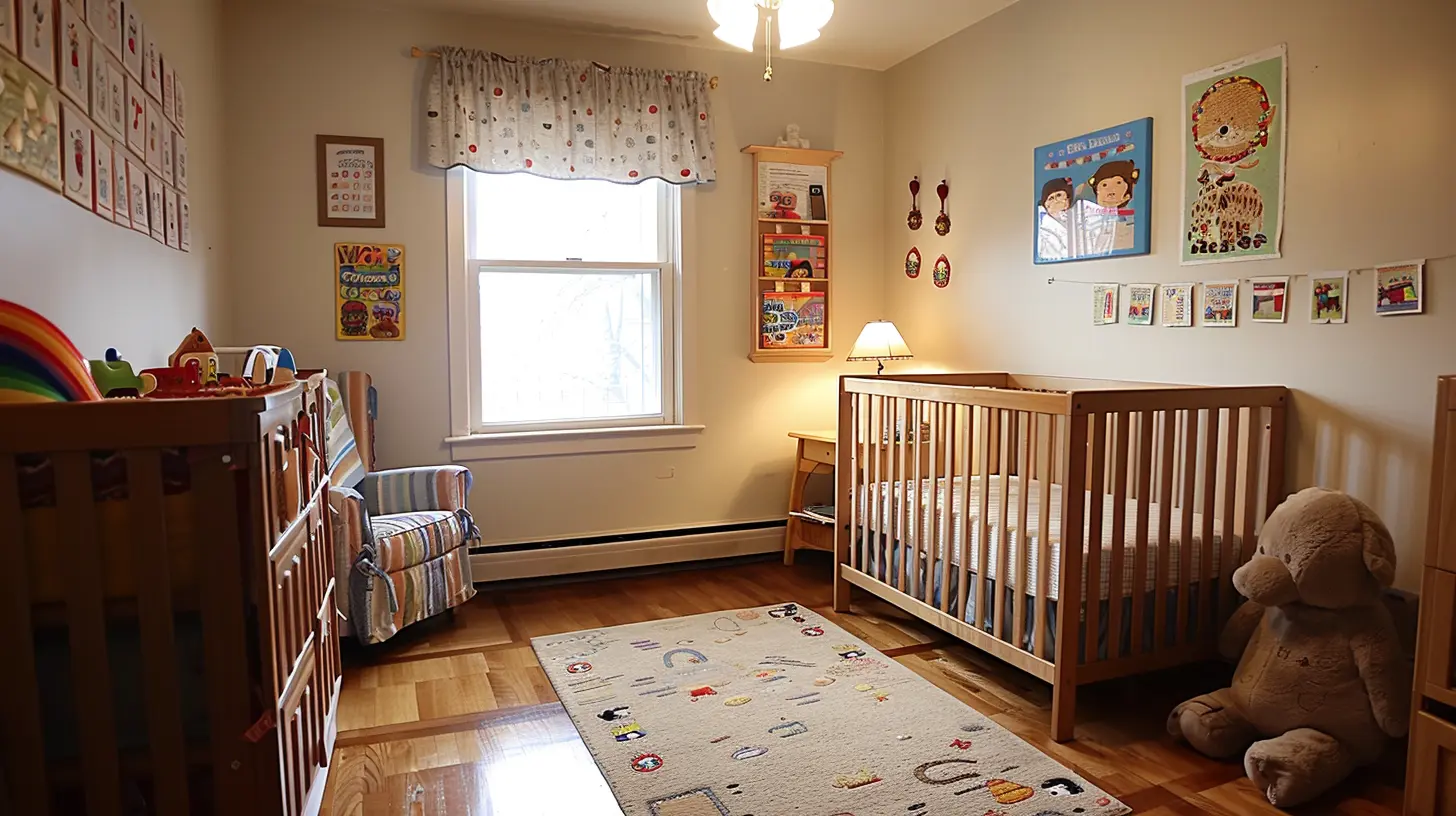
Why Sleep Safety Matters
Let’s be real for a second—kids can be surprisingly resourceful, even in their sleep. One minute they’re snuggled under a blanket, and the next they’re halfway over the crib rail. Sleep safety isn't just about comfort; it’s about avoiding injuries, suffocation, and other serious risks.According to the American Academy of Pediatrics (AAP), many sleep-related infant deaths are preventable. Most are linked to unsafe sleep environments—things like soft bedding, co-sleeping, or outdated cribs.
So yeah, this stuff matters. A lot.
Crib Safety: Start with the Basics
Stick with a Certified Crib
First things first—make sure your baby's crib meets current safety standards. Cribs manufactured after June 2011 must adhere to updated federal safety regulations. That means:- No drop-side rails (they’re banned for good reason)
- Proper spacing between slats (less than 2 3/8 inches)
- Strong mattress supports and hardware
Thinking about using a hand-me-down crib from your cousin? Skip it if it’s older than 2011. It’s not worth the risk.
Use a Firm, Snug Mattress
That plush, squishy mattress might seem comfy, but it’s actually dangerous for infants. Babies need a firm, tight-fitting mattress that doesn’t leave gaps around the edges.Here’s a quick test: if you can fit more than two fingers between the mattress and the crib frame, it’s too small.
Also, skip the memory foam, pillow tops, or anything too soft. The firmer, the better for little ones.
Ditch the Bumpers and Blankets
Yes, bumpers look cute. No, they are not safe.They can increase the risk of suffocation, strangulation, and entrapment. Same goes for pillows, quilts, stuffed animals, and those adorable baby toys hanging in the crib.
Keep it simple: just a fitted sheet on a firm mattress. That’s all your baby needs to sleep safely.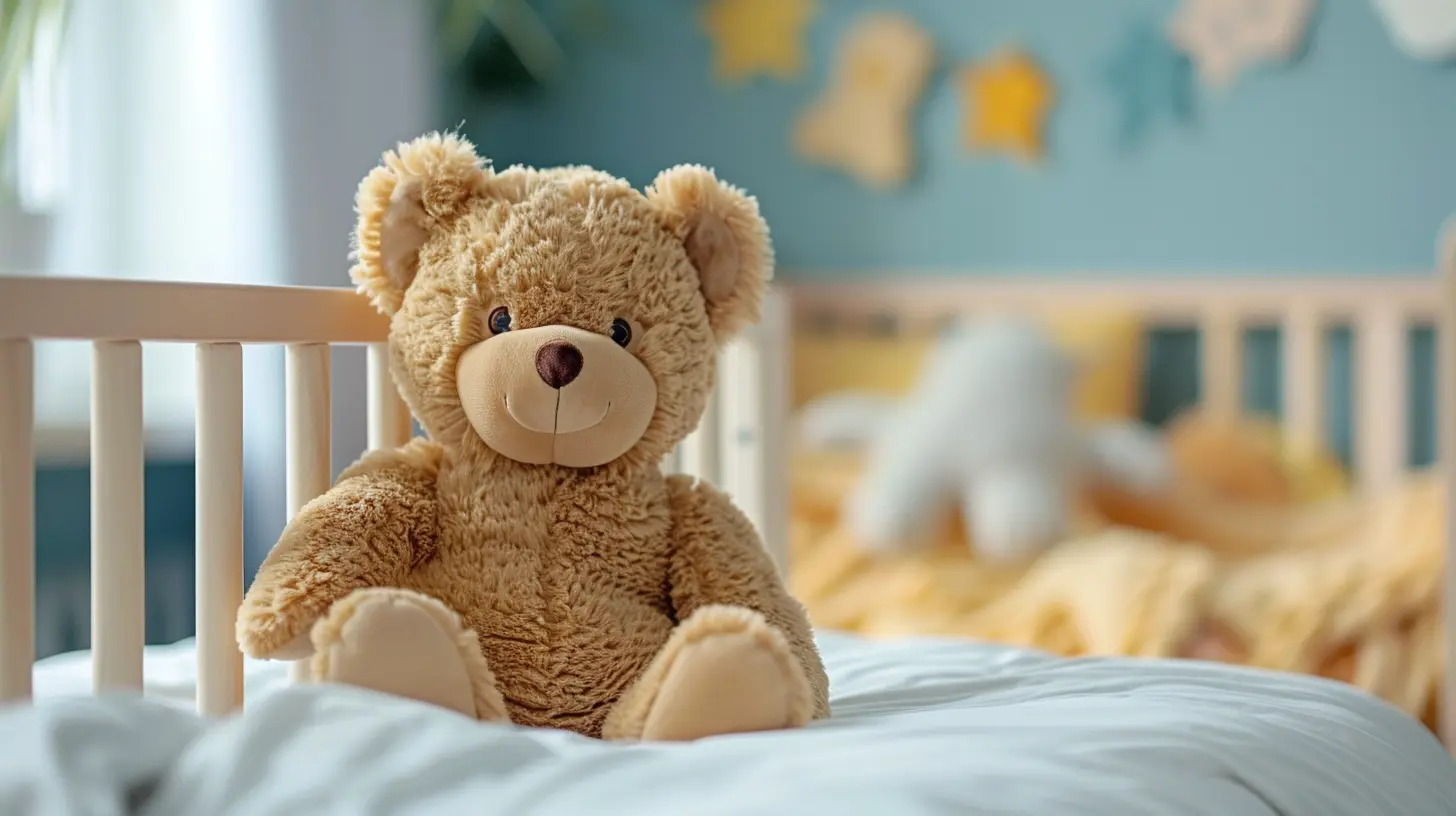
Baby-Proofing the Crib Area
Watch Out for Nearby Hazards
Even if the crib is safe, what's around it might not be. Look out for:- Cords from blinds or curtains (a strangulation risk)
- Wall art or shelves that could fall
- Baby monitors with cords
- Lamps or nightlights they can reach
Your baby won’t stay tiny forever. Before you know it, they’ll be pulling up and grabbing at everything. Keep a “baby arm’s length” distance between the crib and anything dangerous.
Lower the Mattress as They Grow
Once your baby starts sitting or pulling up, it’s time to lower the mattress.Most cribs have adjustable mattress heights. Use that feature! A higher setting is fine for newborns, but once they start moving, you’ll want that mattress at its lowest level. This keeps your climber from taking a tumble over the rails.
Transitioning to a Toddler Bed
Ah, the bittersweet moment when your baby graduates from their crib. This transition is exciting—but also a new safety challenge.When to Make the Switch
There’s no magic age, but most kids move to a toddler bed between 18 months and 3 years. Signs it’s time?- They’re climbing out of the crib
- They’re getting too tall or heavy for the crib’s weight limit
- They’ve shown interest in a “big kid” bed
Don’t rush it, but stay ahead of the curve. A child climbing out of a crib is a top cause of injury.
Choose a Safe Toddler Bed
Toddler beds come in all styles—wooden, plastic, car-shaped, you name it. Whatever you choose, make sure:- It’s low to the ground
- It has safety rails
- It’s sturdy with no loose parts
Some convertible cribs turn into toddler beds—bonus if you’ve got one of those. It makes the transition a little easier for both of you.
Install Bed Rails
Those rails aren’t just for decoration. They help prevent falls, especially during those toss-and-turn toddler nights.Most toddler beds come with built-in side rails, but if you’re using a standard twin bed instead, install portable safety rails designed for kids.
Making the Room Sleep-Friendly and Safe
Childproofing the bed is just part of the puzzle—you also need to think about the whole room. Once your toddler is mobile and out of the crib, they're free to roam. And roam they will.Anchor Heavy Furniture
Kids love to climb. Dressers, bookshelves, nightstands—they’re like mini jungle gyms. Use anti-tip brackets or wall anchors to stabilize any furniture in the room.This is non-negotiable. Furniture tip-overs cause thousands of injuries every year, and they can be fatal.
Secure Windows and Doors
- Install window guards or stops- Use doorknob covers to keep curious explorers from wandering out at night
- Consider a baby gate at the bedroom door
And while you’re at it, double-check that there are no cords from blinds or curtains. They need to go, period.
Keep It Dark (But Not Too Dark)
Pitch-black might freak some toddlers out. Use a soft, plug-in nightlight, but make sure it’s out of reach and doesn’t have dangling cords. You want to comfort them—not create a new hazard.What About Co-Sleeping?
This one’s controversial. While some families swear by bed-sharing, major health organizations like the AAP strongly advise against it, especially for infants under 1 year old. The risk of suffocation, entrapment, or falls is just too high.If you're committed to staying close, consider a bedside sleeper or bassinet that attaches safely to your bed, without actually sharing the same space.
Extra Tips for Peace of Mind
Use a Video Baby Monitor Wisely
A monitor helps keep eyes on your child, but it shouldn’t replace actual safety measures. Make sure:- It's positioned out of reach
- Cords are secured and not dangling into the crib
- It’s mounted securely
You’re trying to avoid hazards, not add new ones.
Set a Consistent Bedtime Routine
Okay, this isn’t exactly about childproofing—but it goes hand-in-hand. A calm, consistent bedtime routine helps your child fall asleep faster and stay asleep longer. Less wandering, less climbing, less risk.Think simple: bath, PJs, story, snuggle, lights out.
Final Thoughts: It’s About Peace of Mind
Childproofing for sleep isn’t just about following a checklist—it’s about creating a safe, comforting space for your child (and yourself, honestly). When you know your baby’s crib or toddler’s bed is secure, you can finally exhale and get some sleep yourself.So take the time now to assess and adjust your child’s sleep environment. It’s a little effort up front for a huge peace of mind down the line.
Because when they're sleeping safely, you're sleeping better. And that’s what we all want, right?
all images in this post were generated using AI tools
Category:
ChildproofingAuthor:

Max Shaffer
Discussion
rate this article
2 comments
Tristan McCallum
In the quiet of night, we cradle dreams. Safety wraps our little ones, ensuring peaceful slumber in their cozy nests.
July 4, 2026 at 4:03 AM
Max Shaffer
Absolutely, creating a safe sleep environment lets our little ones dream peacefully. It's a vital part of nurturing and care.
Caelum McClendon
This article is so helpful! As a parent, ensuring my child's safety during sleep is a top priority. I appreciate the practical tips on childproofing cribs and beds. It's comforting to know that small changes can make a big difference in keeping our little ones safe while they rest. Thank you!
June 8, 2026 at 4:17 AM