How Burnout Affects Your Relationship with Your Kids
7 April 2026
Parenting. It’s a wild ride, isn’t it? One moment you're dancing in the kitchen with your toddler, the next you’re knee-deep in laundry and guilt, wondering where your patience went. You adore your kids—there’s zero doubt about that. But something feels off. You’re tired. Really tired. Not just “I need a nap” tired, but soul-deep, bone-weary exhausted.
That, my friend, might be burnout creeping in.
Let’s talk about it. Not in a clinical, textbook way—but heart to heart. Because burnout isn’t just about being tired. It reshapes how you connect with your children, how you show up as a parent, and how you feel about yourself. Let’s unpack this together.
What Is Burnout, Anyway?
Picture this: your energy is a battery. Every tantrum, every sleepless night, every school run, every work meeting—it all drains that battery. Normally, you recharge through rest, connection, joy. But when you don’t? When the demands just keep piling up and you never catch a break? That’s burnout.Burnout is chronic stress that hasn’t been dealt with. It’s overwhelm on repeat. And it’s more common among parents than we like to admit.
Warning Signs of Burnout You Shouldn't Ignore
- Constant fatigue, even after a full night’s sleep- Feeling emotionally numb or detached
- Losing patience easily
- Forgetfulness and trouble focusing
- Dreading the day before it even starts
- Feeling like you're failing no matter how hard you try
Sound familiar? You're not alone, and this isn't a failure. It's a signal. A whisper (or maybe a scream) from your body and mind that something needs to change.
How Burnout Alters the Parent-Child Bond
Here’s where the rubber meets the road.You love your kids. But burnout? It builds walls between you and them—walls made of frustration, exhaustion, and guilt.
1. The Short Fuse: Losing Patience More Often
You know those moments when your kid asks for the 12th snack of the hour and you snap? That’s burnout whispering in your ear.When your mental and emotional bandwidth is maxed out, your patience wears thin. You're not reacting out of malice—you’re reacting out of depletion.
But from a child’s perspective, it feels like rejection. Like the big, safe arms that usually wrap them up have turned into something unpredictable.
2. Emotional Absence: Physically Present, Mentally Checked Out
Ever sit on the couch next to your kids while they chatter away about their day, and you’re just...not there? Zoning out? Nodding and smiling but not really listening?Burnout does that. It steals your focus. It numbs your ability to connect. And let’s face it—being a “present” parent becomes nearly impossible when your emotional tank is empty.
3. The Guilt Spiral
Oh, the guilt. You feel bad for snapping, so you overcompensate. Then you feel bad for spoiling them. You worry you’re not doing enough. That guilt turns into self-doubt, which feeds more burnout, which spirals into—you guessed it—more guilt.It's like parenting while stuck in quicksand. The more you struggle, the deeper you sink.
4. Missing the Moments That Matter
One of the most heartbreaking effects of burnout? It blinds you to the beauty in the little things. The way your child mispronounces words. The silly dance they made up. Their excitement over a bug they found in the yard.When you’re burned out, those moments blur together. You’re surviving, not savoring. And deep down, that disconnect leaves both you and your child feeling unseen.
Why It Matters: Kids Feel What We Don’t Say
Children are emotional sponges. They soak up energy more than words. You may think you're hiding your stress—but chances are, your kids feel it anyway. They see how quickly you snap. They notice when you stop laughing as much. They feel when you're distant.And kids will often internalize that. “Mom’s mad because of me.” “Dad’s too tired for me.” It shapes their self-esteem, their sense of security, even the way they express their own emotions.
That’s not to say you have to be perfect. You don’t. But recognizing burnout’s shadow is the first step in reclaiming the warmth in your parenting.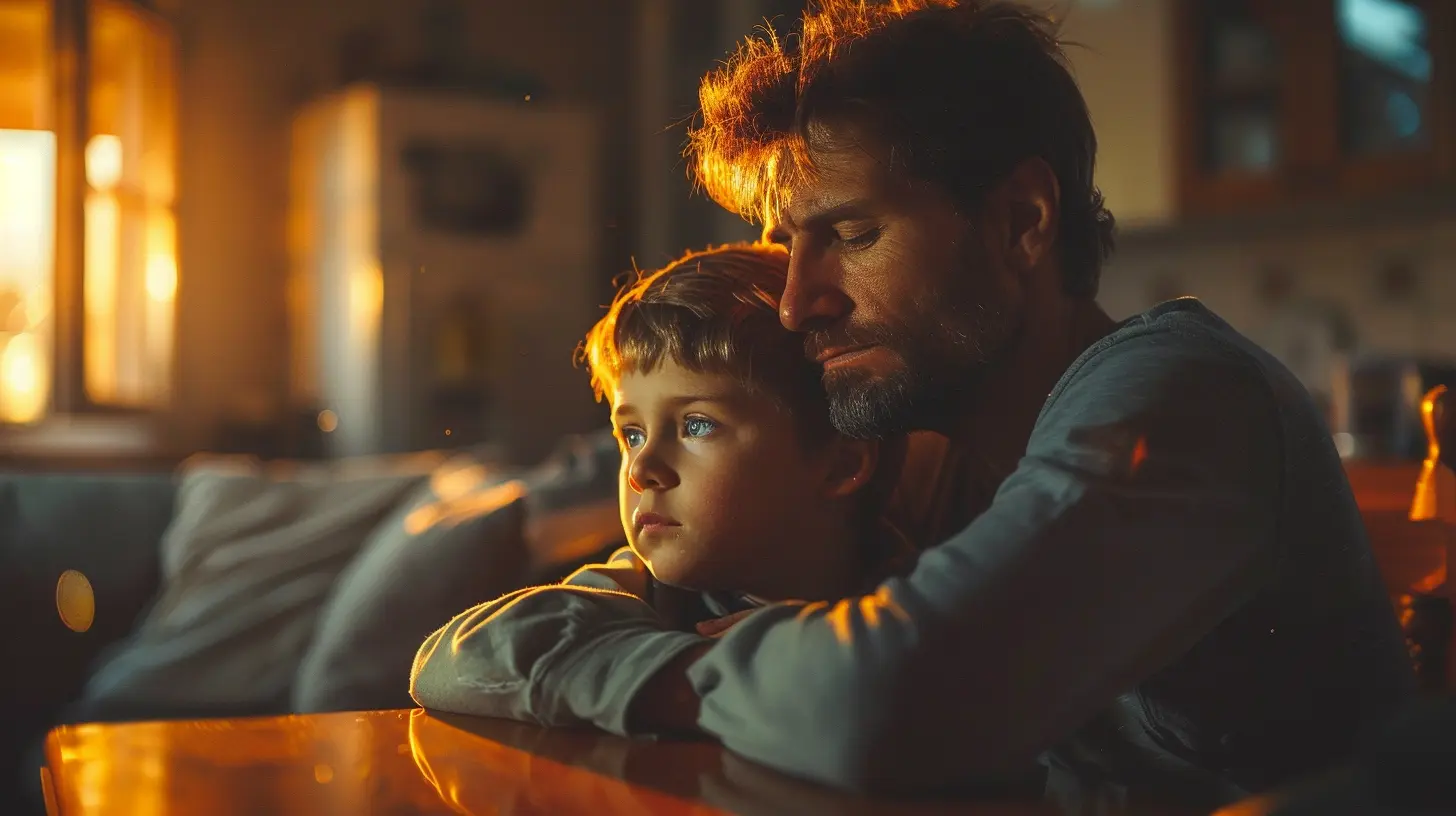
Breaking Free: Reconnecting with Yourself to Reconnect with Your Kids
Burnout doesn’t mean you’re broken. It means you’ve been running on empty for too long. And yes, there is a way out.1. Give Yourself Permission to Pause
You don’t have to “earn” rest. You are allowed to put down the dishes and take a breath. Even five minutes of stillness can work wonders.2. Say No (And Mean It)
You can’t pour from an empty cup. Cut out the non-essentials. You don’t need to volunteer for every school event, attend every playdate, or fix every problem.Boundaries = love.
3. Ask For Help—Seriously
You're not weak for needing help. You're human. Partner, friend, therapist—reach out. You're not meant to carry the weight of the world alone (even if your diaper bag suggests otherwise).4. Reconnect With Joy
What lights you up? Reading? Painting? Walking barefoot in the grass? Do that. Unapologetically. Your kids don’t need a perfect parent—they need a happy one. And happiness starts with honoring your own humanity.5. Talk About It (Yes, Even With Your Kids)
You don’t have to explain everything, but you can say: "Mommy feels really tired and needs a break." Normalize emotional honesty. It gives your child permission to be human too.Healing Happens in the Ordinary Moments
You won’t heal overnight. And that’s okay.Burnout recedes the moment you choose presence over perfection. When you laugh at their jokes again. When you hold them just a little longer. When you take a walk just to feel the sun on your skin.
Parenting through burnout is hard. But every small, intentional moment? It chips away at the distance burnout builds.
It’s Not About Being “Better”—It’s About Feeling Whole Again
Let’s be real—it’s not about becoming some super-mom who bakes and crafts and never yells. It’s about finding your way back to the parts of parenting that feel good. The giggles. The cuddles. The “I love you’s” whispered in the dark.It’s about becoming the kind of parent who is real, soft, strong, and present—not perfect.
You’re doing better than you think. And the fact that you’re even reading this? It means you care. That love? That’s more powerful than any burnout.
So take a breath. Pour a cup of coffee. Let the dishes wait. And remember: you deserve to feel connected, grounded, and joyful again. Your relationship with your kids isn’t lost—it’s just waiting for you on the other side of burnout.
Final Thoughts: You’re Not Alone in This
If burnout has made you feel distant, reactive, or numb, let this be your gentle reminder—you’re not failing. You’re just tired. And it’s okay to acknowledge that. Saying "I'm not okay" is brave. It opens the door to change, to support, to healing.Your kids don’t need a superhero. They need you—not the overworked, overtired version, but the soft, human version who’s honest, kind, and learning to love herself again.
You're not alone, friend. And there’s light on the other side.
all images in this post were generated using AI tools
Category:
Parental BurnoutAuthor:

Max Shaffer
Discussion
rate this article
2 comments
Theodore Watson
Burnout? Kids don’t need a half-hearted parent!
April 12, 2026 at 4:26 PM
Max Shaffer
You're right. Kids deserve our full presence, but burnout is real. Finding that balance is key.
Zylith Wagner
When exhaustion shadows love, the bond with our children can fray. Unseen forces ripple through laughter and play, revealing a deeper truth: nurturing ourselves is the first step in nurturing them.
April 11, 2026 at 3:37 AM
Max Shaffer
Thank you for sharing this insightful perspective! It's crucial to recognize that self-care is fundamental to fostering healthy relationships with our children.