Eco-Friendly Potty Training: Cloth Diapers to Big Kid Undies
26 April 2026
Potty training is a wild ride, filled with messy mishaps, proud potty dances, and the occasional existential crisis (for both parents and toddlers). But if you're looking to navigate this adventure while keeping things green, you're in the right place!
Eco-friendly potty training is all about transitioning from cloth diapers to big kid undies without leaving behind a mountain of disposable waste. Let’s dive into the world of sustainable potty training—because Mother Earth deserves a break too, right? 
Why Go Eco-Friendly with Potty Training?
Potty training is already a challenge, so why throw in the added task of going green? Well, because disposable diapers are an environmental nightmare. On average, a child will use about 7,000 disposable diapers before they’re fully potty trained. That’s a lot of waste sitting in landfills for centuries!By choosing cloth diapers and eco-friendly potty training methods, you're not just saving the planet; you're also saving money and giving your little one a healthier, chemical-free start.
Benefits of Eco-Friendly Potty Training
? Less Waste: Fewer disposables mean fewer diapers clogging up landfills.? Cost Savings: Cloth diapers cost more upfront but save you hundreds (if not thousands) in the long run.
? Healthier for Baby: No harsh chemicals, no weird gels, just soft, breathable fabrics on that precious tush.
? Earlier Potty Training: Many parents find that cloth diaper users potty train earlier because they feel the wetness more than disposable users. 
Step 1: Cloth Diapers – The Green Way to Cover That Bum
Before we even think about potty training, many eco-conscious parents start with cloth diapers. They’re a game-changer for the environment and your wallet. But let’s be real—cloth diapers can feel intimidating at first.Types of Cloth Diapers
Not all cloth diapers are created equal, so here’s a quick breakdown:? Prefolds & Covers – Old-school but super absorbent; think of them as the grandparent-approved method.
? All-in-Ones (AIOs) – The easiest option; works just like a disposable, but you wash instead of toss.
? Pocket Diapers – Customizable absorbency with snap-in inserts. Great for heavy wetters.
? Hybrid Diapers – Combination of cloth and compostable inserts for some eco-friendliness without full commitment.
Keeping Cloth Diapers Clean (Without Losing Your Mind)
Yes, washing them sounds daunting. But once you get into a rhythm, it’s no big deal. Here’s the breakdown:1. Dump solids into the toilet (if applicable—newborns’ waste is water-soluble).
2. Rinse on cold to prevent stains.
3. Wash on hot with a strong detergent (eco-friendly but powerful).
4. Double rinse to remove any residue.
5. Air dry whenever possible (sunshine is a natural stain remover!). 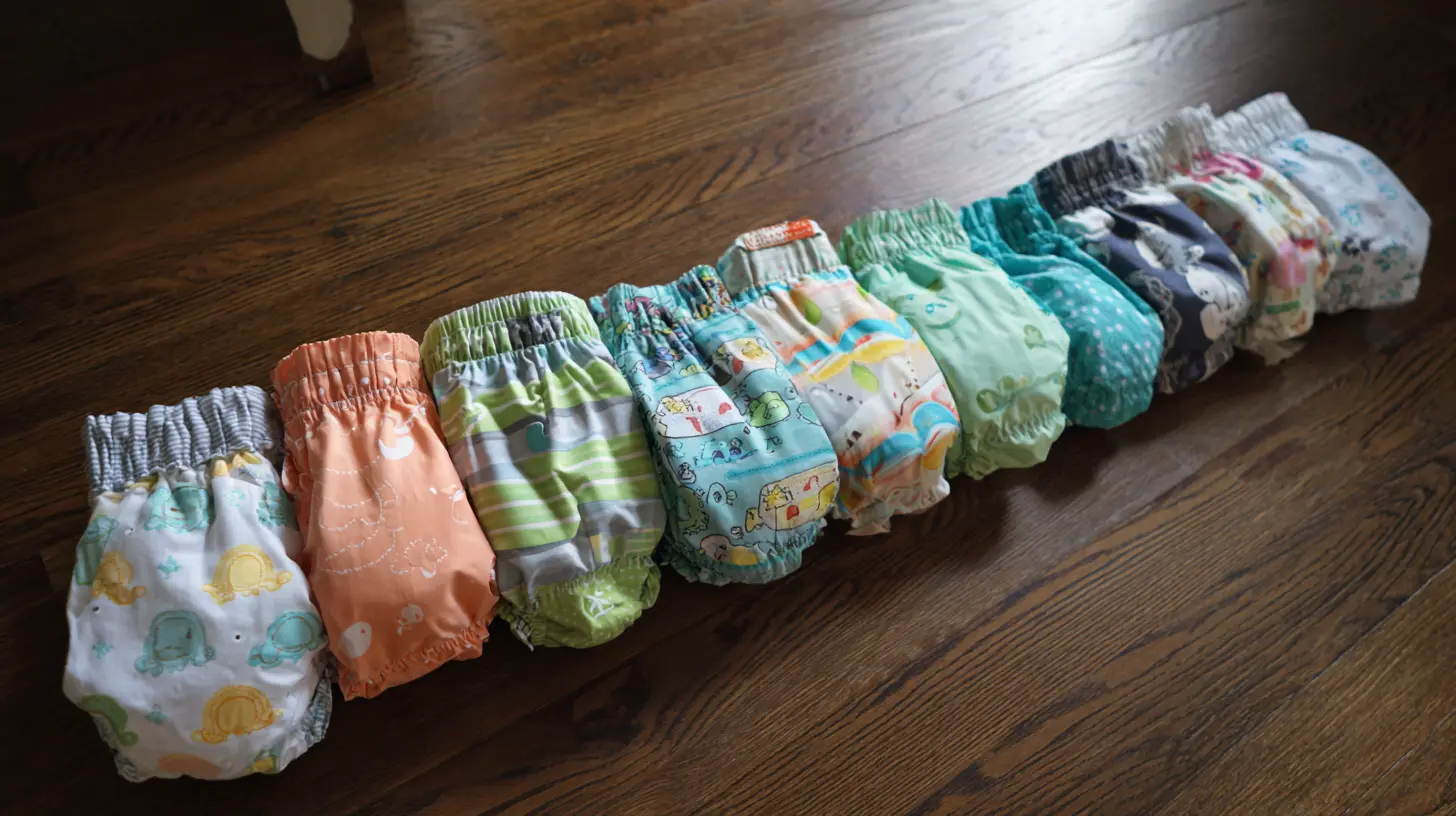
Step 2: Transitioning from Cloth Diapers to Training Pants
Eventually, your little one will start showing signs of potty training readiness (hallelujah!). This is where training pants come in.Signs Your Child is Ready for Potty Training
✔️ Staying dry for longer periods✔️ Hiding to "do their business"
✔️ Showing interest in the toilet
✔️ Announcing when they’ve gone (sometimes with dramatic flair)
✔️ Pulling down pants on their own
Eco-Friendly Training Pants: Cloth vs Disposable
? Cloth: Just like underwear but with a little extra padding for accidents. Washable and reusable.? Disposable but Biodegradable: Some brands offer compostable options as a middle-ground solution.
Cloth training pants are a great bridge between diapers and underwear since they allow toddlers to feel wetness, which helps them recognize when they need to go. 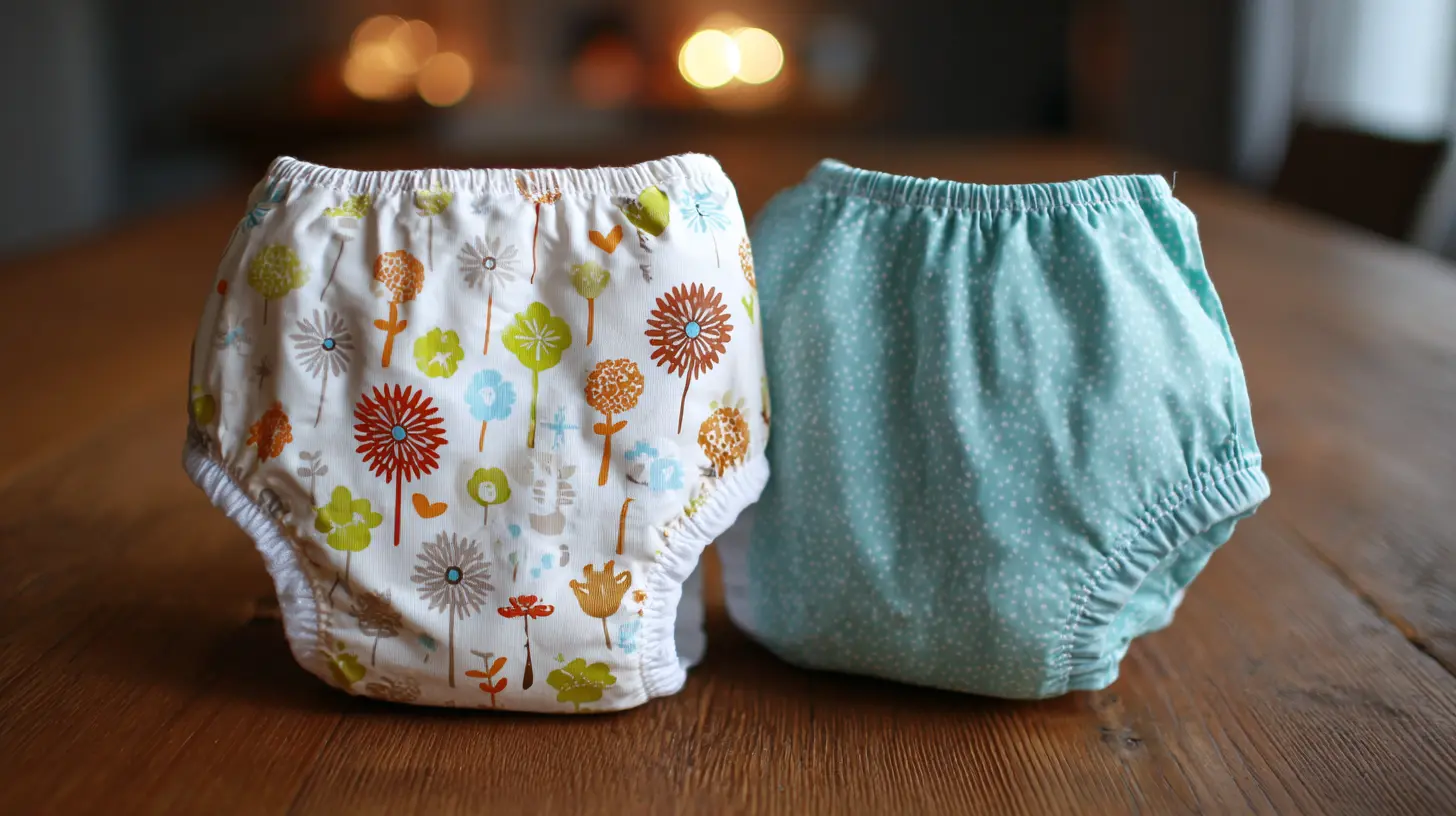
Step 3: The Potty Training Phase (Brace Yourself!)
This phase isn’t just about ditching diapers—it’s about teaching independence, patience, and a lot of deep breathing.Eco-Friendly Potty Training Hacks
? Skip the Plastic Potty Chair – Instead, go for a stainless steel or bamboo potty (yes, they exist!).? Use Cloth Wipes Instead of Disposable Ones – They’re softer, reusable, and work like a charm.
? Ditch the Harsh Cleaning Products – A simple mix of vinegar, water, and essential oils keeps potty areas clean and fresh.
Potty Training Methods (Because Every Child is Different)
- The Bare-Bottom Method: Let them roam diaper-free to build awareness (prepare for some floor clean-ups).- The Timer Method: Set potty breaks every 30-45 minutes to encourage consistency.
- The Reward System: Stickers, cheers, or even extra bedtime stories work wonders.
Pro Tip: Keep a stack of extra underwear handy because, trust me, there will be accidents.
Step 4: The Final Leap – Big Kid Undies!
One day, your little one will march up to you and proudly declare, "I don’t need diapers anymore!" That’s your cue to go all in with big kid undies.Choosing Sustainable Kids’ Underwear
? Organic Cotton: Soft, breathable, and free of synthetic chemicals.? Fair Trade Brands: Ethically made underwear supports both the workers and the planet.
? Second-Hand Options: Look for gently used kids’ undies on eco-conscious marketplaces (just wash thoroughly!).
How to Make the Transition Easier
? Let them pick out their own undies – Giving them choice makes it more exciting.? Stick to a routine – Morning potty, post-meal potty, bedtime potty.
? Celebrate Every Win – Even the small victories deserve a happy dance.
Eco-Friendly Potty Training: It’s Totally Worth It!
Yes, potty training is a rollercoaster of emotions, unexpected puddles, and questionable decisions (like letting them eat snacks while sitting on the potty—bad idea). But by choosing an eco-friendly approach, you're making a positive impact on both your child’s future and the planet they’ll inherit.So grab those cloth diapers, training pants, and organic cotton undies—you're about to embark on the greenest potty training adventure ever!
all images in this post were generated using AI tools
Category:
Potty TrainingAuthor:

Max Shaffer
Discussion
rate this article
2 comments
Dana McGill
I loved reading this article! Navigating potty training can be overwhelming, but the eco-friendly approach makes it feel more manageable. It's great to see practical tips for transitioning from cloth diapers to big kid undies while being kind to the planet. Thank you for sharing!
May 7, 2026 at 3:15 PM
Max Shaffer
Thanks for your kind words! I'm glad you found the tips helpful. Happy potty training!
Carson Meyers
Transitioning from cloth diapers to big kid undies is a significant step in parenting. Embracing eco-friendly practices not only nurtures our children’s independence but also instills a sense of environmental responsibility. Every small choice we make can lead to a greener future.
April 29, 2026 at 4:31 AM
Max Shaffer
Absolutely! Each step in this journey is a chance to teach our kids about caring for the planet while they gain independence. It's all about making those mindful choices together.