We Found Out From A Parenting Expert 19 Things Kids Pretend To Understand But Actually Find Confusing
July 11, 2026 - 16:55

Children frequently nod, say "okay," or quietly go along with what adults say, giving the impression that they understand. But the truth is that they are often confused, overwhelmed, embarrassed to ask, afraid of disappointing us, or simply unaware that they have misunderstood. As adults, we sometimes forget how much of what feels automatic or obvious to us was learned through years of teaching, practice, observation, mistakes, and life experience.
To better understand this topic, a parenting expert shared insights on why children often pretend to understand things they actually find confusing or stressful, and what parents can do to better support them. As the expert points out, parents often mistake familiarity for understanding. Just because we have done something thousands of times does not mean our child knows where to begin. As a parent, it is important to remember that your brain is far more developed than your child's, and many things that seem obvious to you simply are not yet within your child's ability to understand. They are not being difficult. They often just have not developed the knowledge or experience yet.
With that in mind, here are 19 things children may appear to understand but often interpret very differently from what adults intend.
First, the concept of time. Telling a child "five more minutes" means nothing when they cannot yet read a clock or grasp the passage of time. Second, sarcasm. Kids take words literally, so "great job" after a spill sounds like praise, not a joke. Third, money. They hear "we cannot afford that" but may think it means you are out of cash forever, not that you are choosing to save. Fourth, "be careful." This vague command does not tell them what to actually watch out for. Fifth, "use your words." When upset, their brain shuts down, and they may not have the vocabulary to explain. Sixth, "because I said so." This teaches obedience but not understanding, leaving them confused about the reason. Seventh, "calm down." Telling a child to calm down often has the opposite effect, as they do not know how to regulate their emotions yet. Eighth, sharing. They may think "share" means giving something away forever, not taking turns. Ninth, "it is for your own good." This abstract idea is hard for a child to connect to a shot or a vegetable. Tenth, "we will see." Many children hear this as a "maybe yes" and are crushed when it turns into a "no." Eleventh, inside voices. They may not understand why a whisper is needed in a library but not at home. Twelfth, "stop crying." They often interpret this as "you are bad for having feelings." Thirteenth, "practice makes perfect." They hear pressure to be perfect, not encouragement to improve. Fourteenth, "use your imagination." If they have never been taught how, this can feel like a demand they cannot meet. Fifteenth, "be nice." This is too broad. They need specific examples of what nice looks like. Sixteenth, "we are late." They do not feel the urgency of an adult schedule. Seventeenth, "I am disappointed." They often hear this as "I do not love you anymore." Eighteenth, "tell the truth." If they fear punishment, they will lie to avoid it, not because they misunderstand honesty. Nineteenth, "act your age." This is confusing because they are still learning what their age even means.
The key takeaway is that children are not trying to deceive us when they nod along. They are trying to cope. Slowing down, asking open-ended questions, and checking for real understanding can make a huge difference in how supported they feel.
MORE NEWS
October 9, 2026 - 16:09
Parents Share Wild Tactics That Keep the Household RunningThese aren`t the kinds of tips you find in parenting manuals. A recent online discussion asked mothers and fathers to confess their most unhinged parenting tactics, and the responses showed a level...

October 8, 2026 - 22:04
Princess Anne's ex-husband Captain Mark Phillips' 'critical' approach to parenting their 2 childrenZara Tindall has offered a rare glimpse into her upbringing at Gatcombe Park, describing how her father, Captain Mark Phillips, approached parenting with a firm and structured mindset. Speaking on...
October 8, 2026 - 09:48
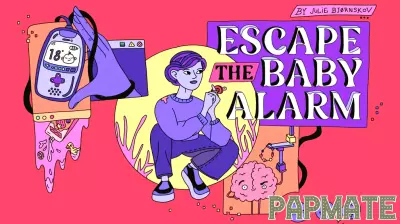
Puzzle Adventure Game Escape the Baby Alarm Hits Devices This NovemberEscape the Baby Alarm is set to arrive on November 24 for PC, iOS, and Android. The game mixes puzzle solving with a parenting theme, turning the daily chaos of caring for an infant into a series...
October 7, 2026 - 20:08
A Playground Comment That Made Me Rethink My Parenting ChoicesAnother mom`s four-word comment at the playground sent me into a spiral about the kind of parent I want to be. It happened on a Tuesday afternoon, the kind where the sun is too bright and every...