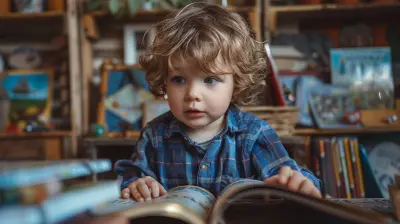
Why Consistent Praise and Encouragement Strengthens Sibling Relationships
17 February 2026
Let’s face it—sibling relationships aren’t always sunshine and rainbows. One moment they’re laughing together, and the next, they’re arguing over who got more frosting on their cupcake. But truth be told, those ups and downs are completely normal.
Still, as parents, we all dream of our kids growing up to be lifelong allies rather than lifelong competitors. So, how do we help lay that foundation? One powerful tool that often goes unnoticed: consistent praise and encouragement.
Yes, it’s that simple—and that powerful.
Let’s dive into why this parenting superpower is a game-changer for building a stronger bond between siblings.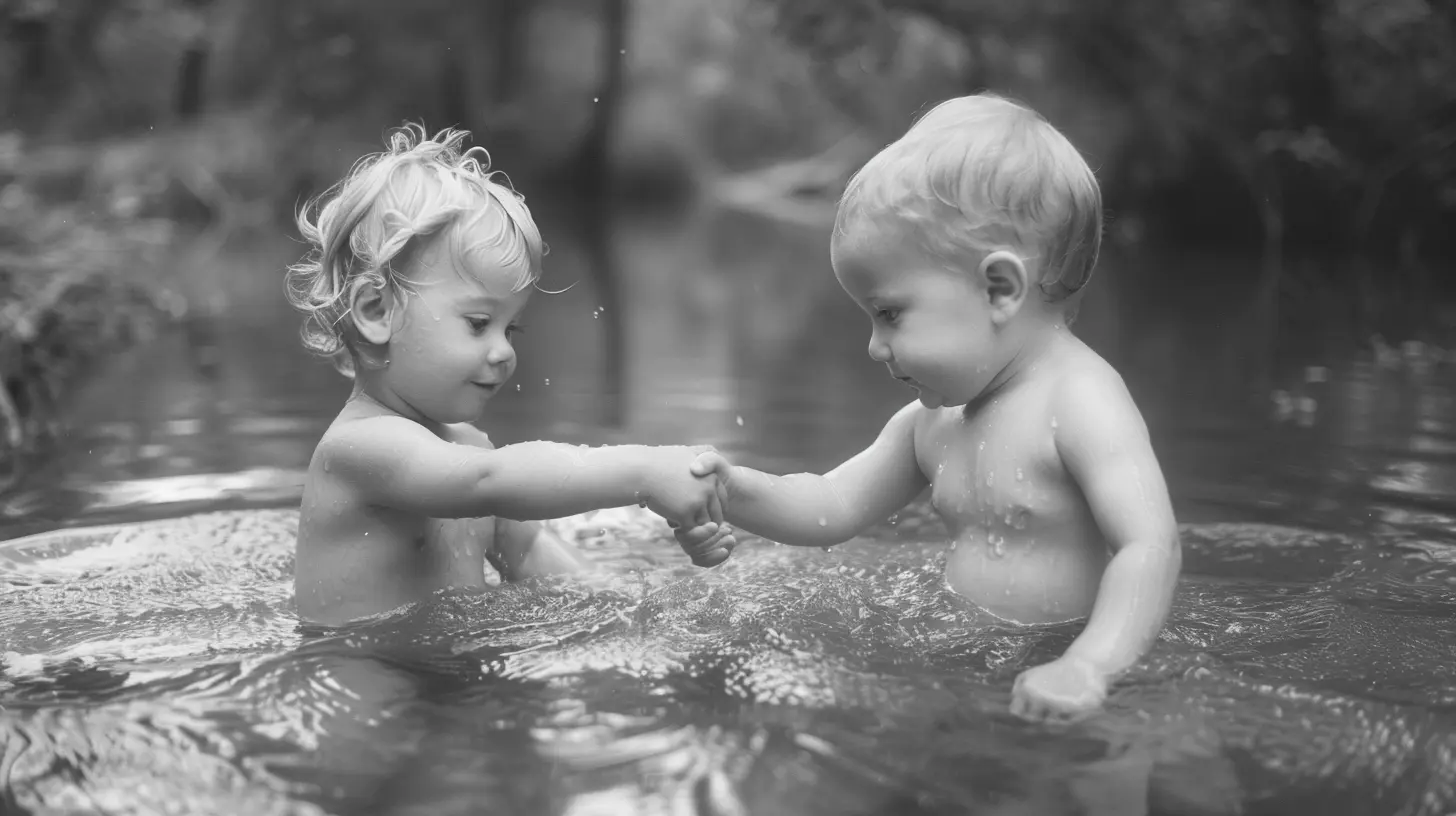
The Sibling Rollercoaster: A Relationship Like No Other
If you’ve ever watched your kids go from giggling conspirators to full-on wrestling rivals in 30 seconds flat, you know how complex sibling dynamics can be. Siblings share everything—space, toys, attention, and even emotions. That kind of closeness is bound to brew friction. But it also creates the perfect environment for deep connection.Their relationship is a training ground for life—teaching them negotiation, empathy, compromise, and how to coexist with someone who might push their buttons every five minutes. And just like any important relationship, it gets better with nurturing.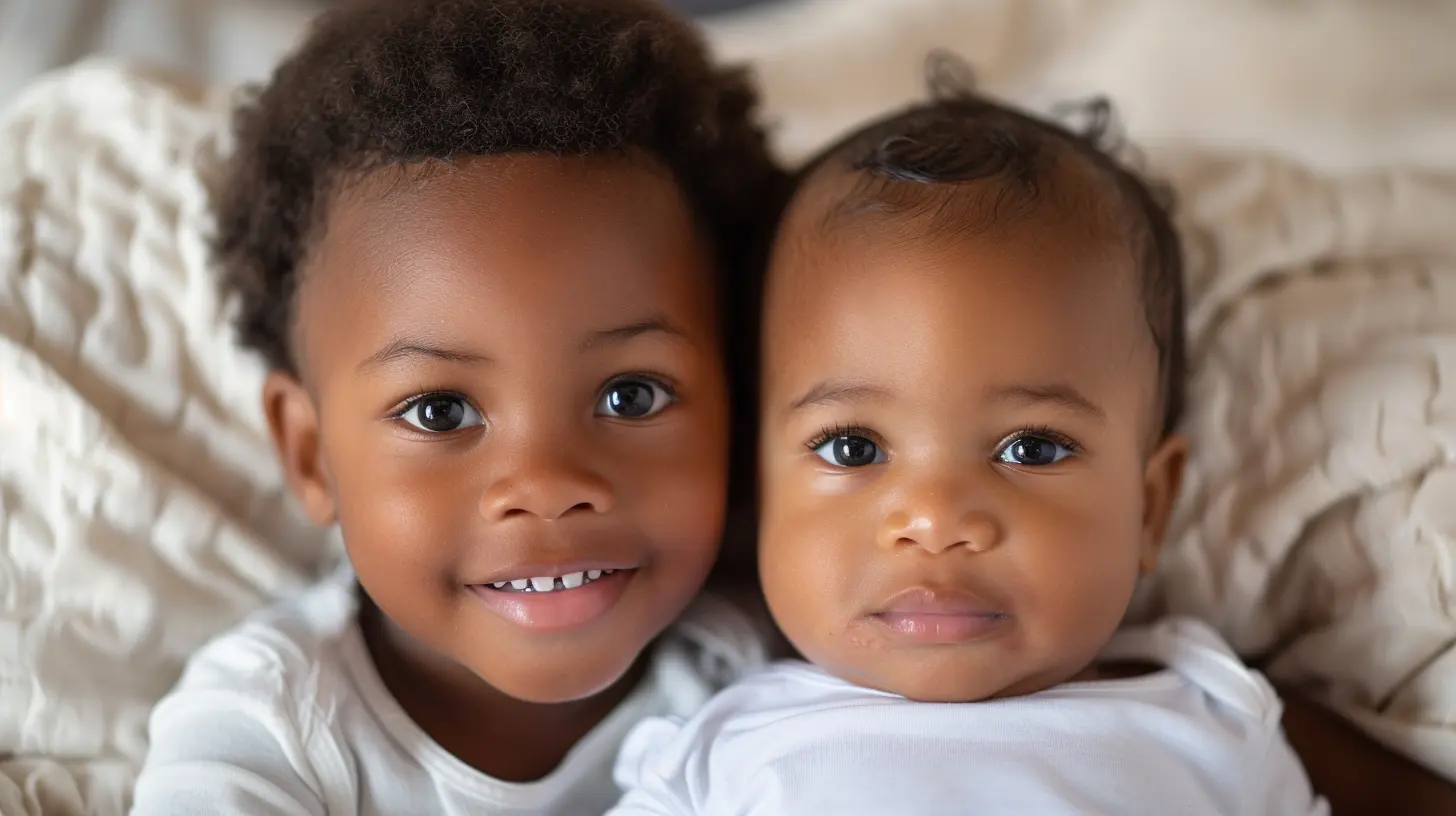
The Role of Praise and Encouragement in Sibling Relationships
So how do praise and encouragement play into all this?Imagine being at work and only ever hearing about what you did wrong. Not exactly motivating, right? Kids feel the same way. Praising and encouraging them—not just individually, but as a team—makes a massive difference. It’s like putting deposits into their emotional piggy bank. Those little deposits build trust, warmth, and a sense of camaraderie.
Let’s break it down.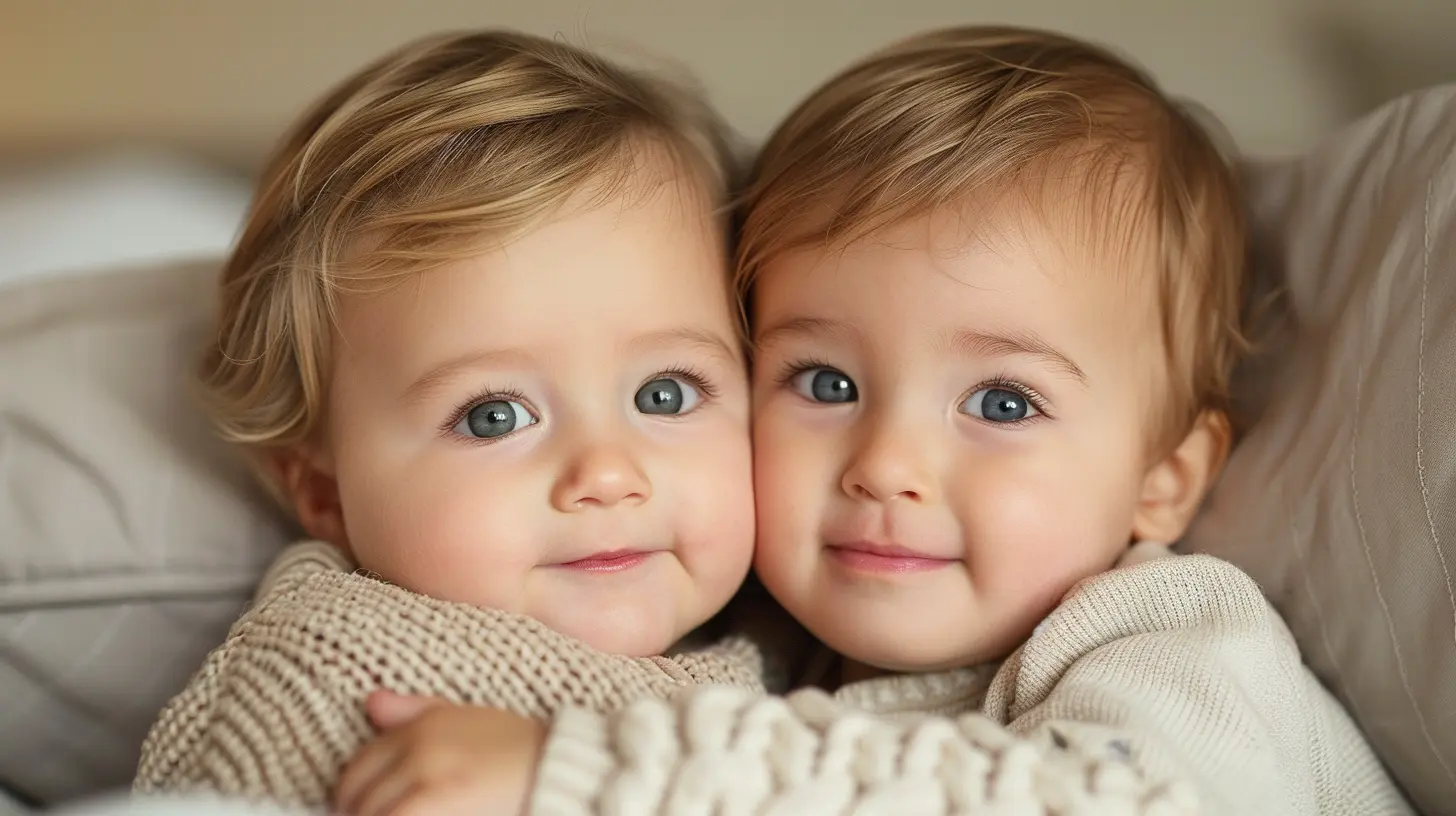
1. Praise Reduces Rivalry
Sibling rivalry is a rite of passage, but too much of it can really hurt their relationship. When kids constantly feel like they’re competing for your approval, affection, or attention, resentment brews. Consistent praise acts as an anti-rivalry shield.Instead of waiting until someone "wins" to give praise, try recognizing effort, kindness, or teamwork. For example:
- “I saw how you helped your brother with his Lego set. That was so kind of you.”
- “You both cleaned up without arguing—wow, what a team!”
Notice how this kind of praise highlights cooperation over competition? It shifts the spotlight away from sibling one-upmanship and toward shared success.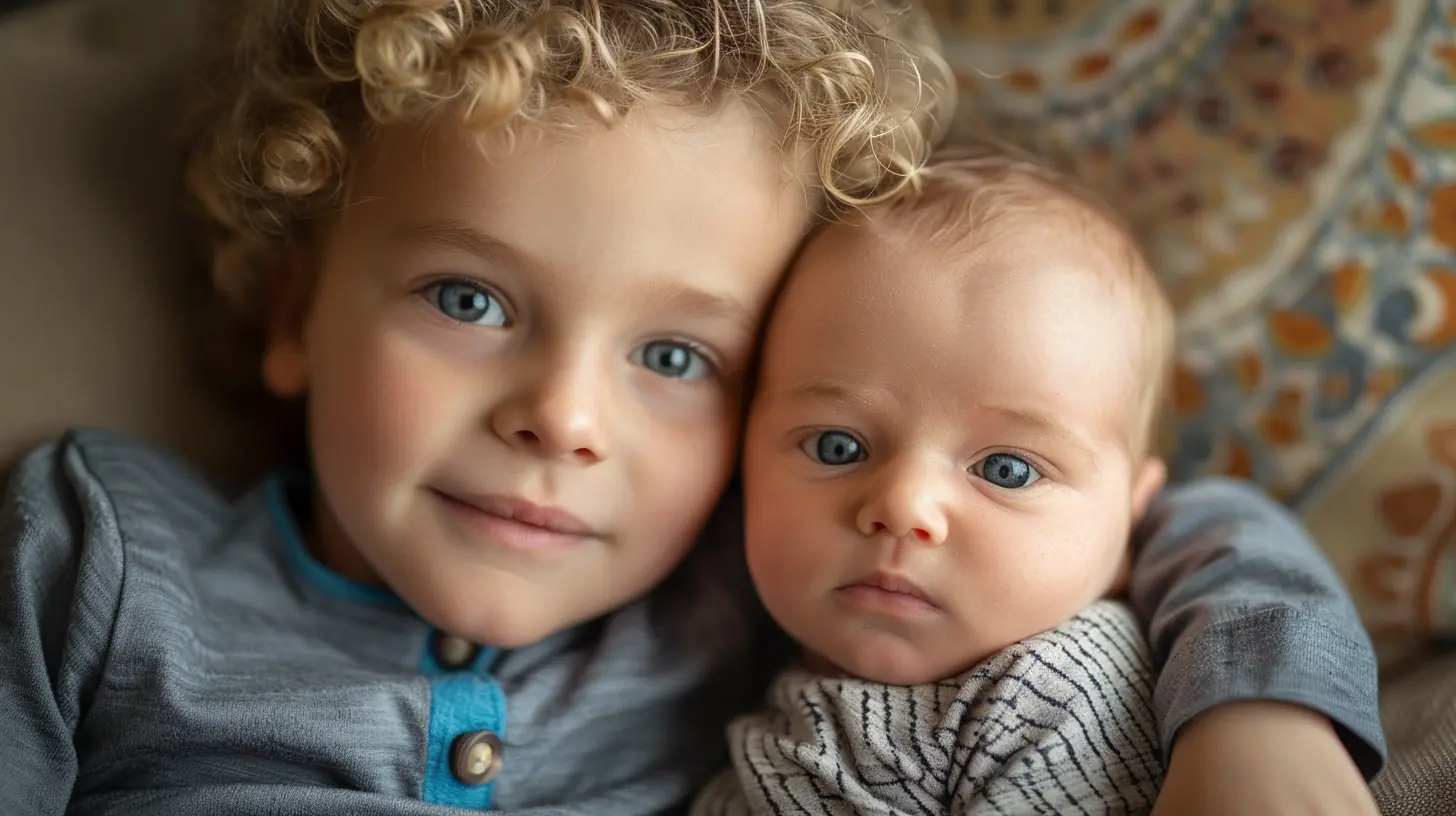
2. Encouragement Builds Empathy
When we encourage kids to support each other, we’re teaching them how to be empathetic. Encouragement isn’t just “good job”—it’s recognizing emotion and effort.Let’s say your younger child struck out during a game and feels disappointed. Instead of just comforting them yourself, encourage their sibling to jump in too:
- “Hey, can you tell your sister how proud you were of her for trying?”
The more you create these small moments of emotional support, the more naturally empathy develops between them. That emotional glue? It sticks.
3. Sincere Praise Helps Kids Feel Valued
True connection begins when each child feels seen and appreciated—not just for what they achieve, but for who they are.Specific praise that focuses on values (like kindness, patience, or generosity) rather than abilities creates stronger self-worth. And when kids feel secure in who they are, they’re less likely to tear down others, especially their siblings.
Think:
- “You really waited your turn patiently. That shows a lot of maturity.”
- “You made your sister laugh when she was upset. You have such a big heart.”
These aren’t just compliments—they’re affirmations that build character and connection.
4. Encouragement Strengthens Teamwork
Siblings need to feel like they’re on the same side, not opposite teams. When you encourage teamwork and then praise their efforts together, it reinforces a sense of unity.Here’s what that might look like:
- “You both figured out how to build that pillow fort without arguing—look at that teamwork!”
- “The way you helped your brother reach the puzzle pieces? That’s what siblings are for.”
Over time, moments like these shape how your kids see each other—not as competitors, but as collaborators.
5. Praise Models Positive Communication
Kids are sponges. They talk to each other the way they hear us talk—to them and about them.When we frequently use positive language to describe their actions and behavior, they’re more likely to mimic that tone. Siblings who hear things like:
- “That was really thoughtful of you.”
- “You were so brave to try that.”
- “You both handled that like champs.”
…are more inclined to speak to each other in similar ways. It’s kind of like tuning their internal ‘conversation stations’ to a more encouraging frequency.
6. It Creates a Safe Emotional Environment
Praise and encouragement don’t just affect your kids—they set the emotional tone for your whole home.Kids function best when they feel safe emotionally. When they know they won’t be shamed, compared, or pitted against one another, they let their guard down. That safety opens the door to vulnerability, comfort, and real connection.
And stronger emotional safety equals stronger relationships.
7. Positive Feedback Boosts Confidence and Reduces Jealousy
Let’s be real—sibling jealousy is a common thorn in every parent's side. But when each child consistently hears positive, individualized feedback, their internal “self-tank” gets filled.That means less need for constant reassurance or comparison—and less jealousy.
When both kids know they’re valued for different reasons, they’re less likely to feel threatened by each other’s success. They learn that love isn’t a pie with a limited number of slices.
How to Praise and Encourage the Right Way
Now, it’s not just about throwing compliments like confetti. There is an art to it, especially with siblings.Here are some golden rules:
Be Specific
Instead of “Good job,” say:- “I noticed how you waited for your sister to finish speaking. That shows you respect her.”
- “You did such a great job sharing your toys today.”
The more detailed your praise, the more meaningful it feels.
Keep It Balanced
Avoid over-praising one child while forgetting the other. Kids pick up on that imbalance fast and it can stir up resentment. Take mental notes and spread the love evenly.Praise the Process, Not Just the Result
Effort matters. Praise things like perseverance, trying again after failure, or working together—even when they didn’t quite succeed.Encourage Peer-to-Peer Praise
Teach your kids how to compliment and encourage one another.Say things like:
- “Why don’t you tell your brother what you liked about his drawing?”
- “I think your sister might feel better if you told her how brave she was.”
You’re not just building sibling bonds—you’re building lifelong communication skills.
A Real-Life Example: The Simple Shift That Changed Everything
Let’s take a quick story from one of my close mom friends. She has three kids who were constantly bickering. She tried timeouts, reward charts, and even a “no fighting” jar. Nothing stuck.Then she started doing one new thing: she deliberately praised any moment, no matter how small, where they showed kindness or cooperation.
It was awkward at first. “Wow, you passed the ketchup without yelling—go team!” But something clicked.
The kids began looking for ways to impress each other and rack up that positive attention. Gradually, the vibe changed. The home went from hostile to (mostly) harmonious.
It's not magic—it's just a shift in focus.
Long-Term Payoffs: What Happens When You Stick With It
If there’s one thing to take from this, it’s that consistency is key.Over time, this constant stream of positive reinforcement rewires their relationship. You’ll start to see:
- More cooperative play
- Increased emotional resilience
- Better conflict resolution
- And most of all—honest-to-goodness friendship
That’s what we want, right? For our kids to not just tolerate each other but to truly enjoy each other.
Final Thoughts: A Little Praise Goes a Long Way
Parenting is messy. And raising more than one child? That’s a juggling act with flaming swords.But don’t underestimate the small, powerful impact of consistent praise and encouragement. It’s one of the simplest ways we can build harmony, trust, and love between our children.
Just like water helps plants grow, your words help sibling relationships thrive. So keep watering—daily, patiently, and with intention.
Because one day, when you're watching your grown kids laugh together around the dinner table, you'll know. All those little words? They were the glue that held their bond together.
all images in this post were generated using AI tools
Category:
Sibling BondingAuthor:

Max Shaffer
Discussion
rate this article
2 comments
Dulce McKinley
Consistent praise fosters empathy, collaboration, and lasting bonds among siblings.
February 20, 2026 at 5:07 PM
Max Shaffer
Thank you for your insight! Consistent praise indeed plays a vital role in nurturing strong, supportive sibling connections.
Anastasia Carter
Consistent praise fosters a nurturing environment, cultivating empathy and resilience in sibling bonds.
February 18, 2026 at 5:25 AM
Max Shaffer
Thank you for your insight! I completely agree—consistent praise not only strengthens sibling bonds but also promotes emotional growth and resilience.