Understanding Each Child’s Unique Communication Style in Sibling Dynamics
9 December 2025
If you’ve got more than one child, you’ve probably noticed something interesting: they don’t always speak the same “language.” Not literally, of course—but in how they express themselves, handle disagreements, and show love or frustration. It’s like living with a cast of characters, each using their own dialect. And that’s not a bad thing. In fact, it’s completely normal. Every child is wired differently, and when it comes to siblings, those variations can either spark more connection—or more conflict.
Let’s dive into what it really means to understand each child’s unique communication style and how it can reshape sibling dynamics in your home. Because let’s face it—parenting isn’t one-size-fits-all, and neither is communication.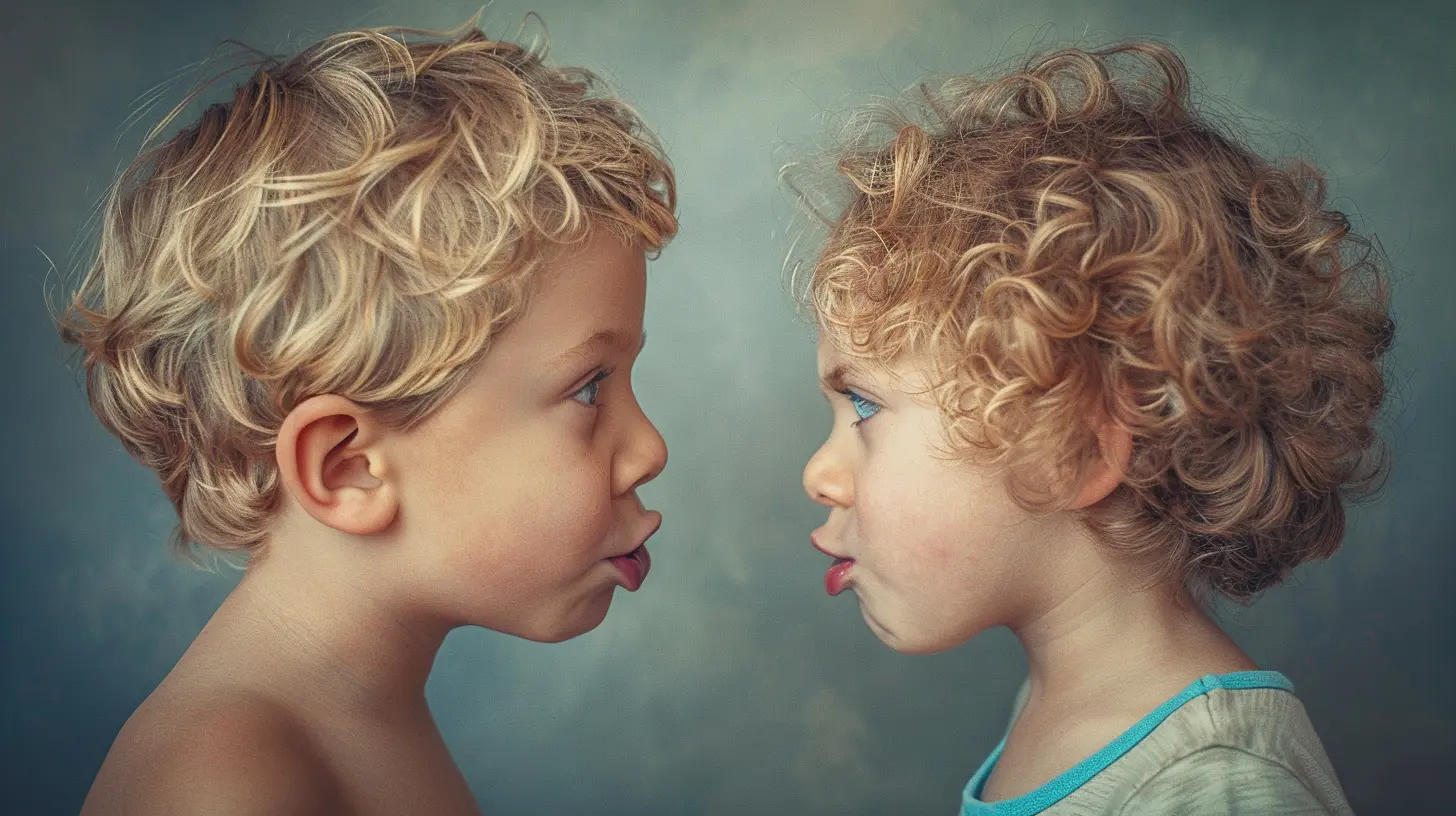
Why Communication Styles Matter in Sibling Relationships
Ever hear the phrase, “It’s not what you say, it’s how you say it?” That couldn’t be more true in a household with multiple kids.Siblings share a lot—space, toys, and attention. But they don’t always share the same emotional toolkit. One might be loud and expressive while another is quiet and reserved. When these clashing styles bump into each other, arguments flare up, feelings get hurt, and suddenly your peaceful home sounds like a war zone.
Understanding their individual styles isn’t just helpful—it’s necessary. When you can identify how each child naturally communicates, you can guide them in connecting with each other more respectfully and effectively.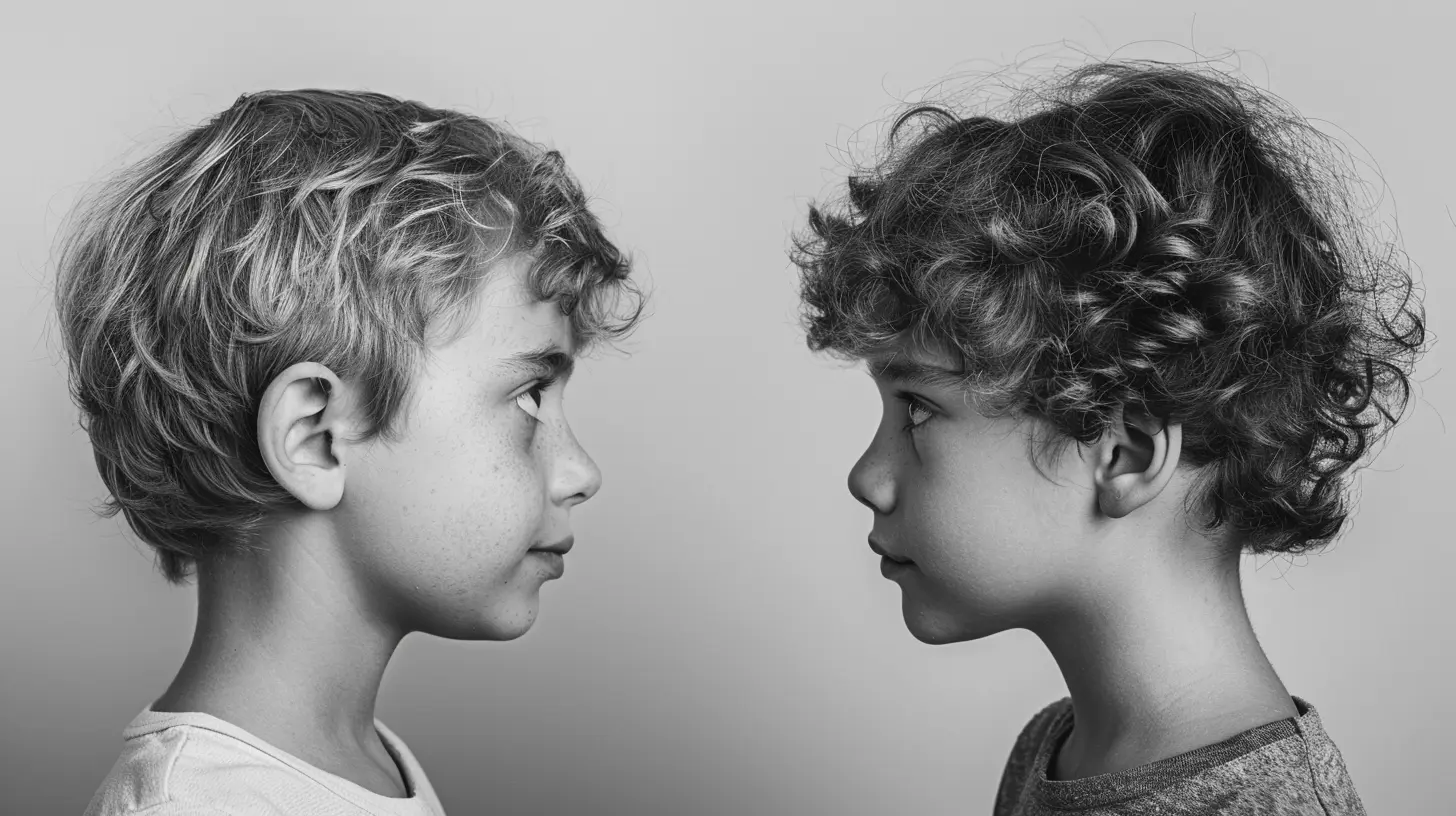
The Different Communication Styles in Kids
Now, let’s break down some common communication styles children tend to develop. Keep in mind, most kids don't fit squarely into just one category. But having a general idea can help you tune in better.1. The Verbal Processor
This child talks things through. A lot. Whether they’re excited, upset, or trying to make sense of a situation—they’ll want to use words. Lots of them.- Strengths: Expressive, clear about feelings
- Challenges: May dominate conversations, struggles with listening
You might hear this child say something like, “But I told her I wanted that toy first!” They believe their words should speak for themselves.
2. The Observer
The opposite of the verbal processor, this child prefers to take things in quietly. They need time to process and may not speak up right away—or at all.- Strengths: Thoughtful, perceptive
- Challenges: Hard to read, may suppress feelings
With this child, you might not hear what they’re thinking unless you gently draw it out of them.
3. The Physical Communicator
This is the kid who shows affection by hugging, pushing, tapping, or even wrestling. Physical contact is their go-to way of expressing themselves—for better or worse.- Strengths: Emotionally transparent, affectionate
- Challenges: Can come off as aggressive or invasive
They’re not trying to start a fight. They're just using their body to express emotions the way others use words.
4. The Visual Thinker
Think of this child as someone who speaks in images. They may gravitate toward drawing, writing notes, or using facial expressions more than words.- Strengths: Creative, expressive in non-verbal ways
- Challenges: Misunderstood if others rely heavily on verbal interaction
They might hand their sibling a drawing instead of saying "I'm sorry." If no one recognizes the effort, it could be taken the wrong way.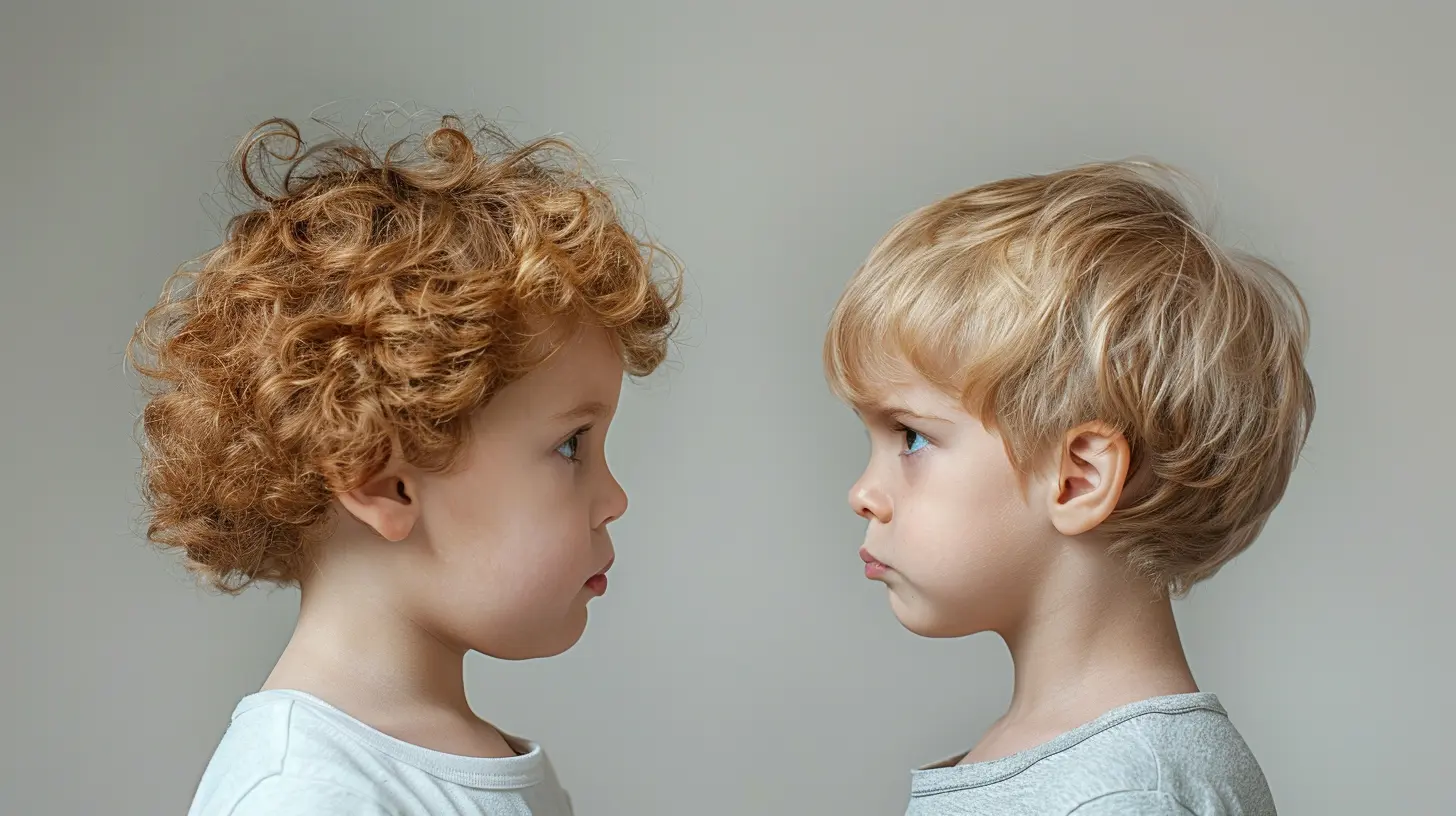
Recognizing Red Flags in Miscommunication
Let’s be real—most sibling fights aren’t about what actually happened. They’re about feeling unheard or misunderstood.Here are a few signs that your kids’ different communication styles are clashing:
- Constant interrupting
- One child always gets blamed or overlooked
- A child refusing to talk about their feelings
- Escalating physical fights
- Sarcasm, teasing, or passive-aggressive behavior
These red flags are your cue to step in—not just to mediate the conflict, but to decode what’s really going on beneath the surface.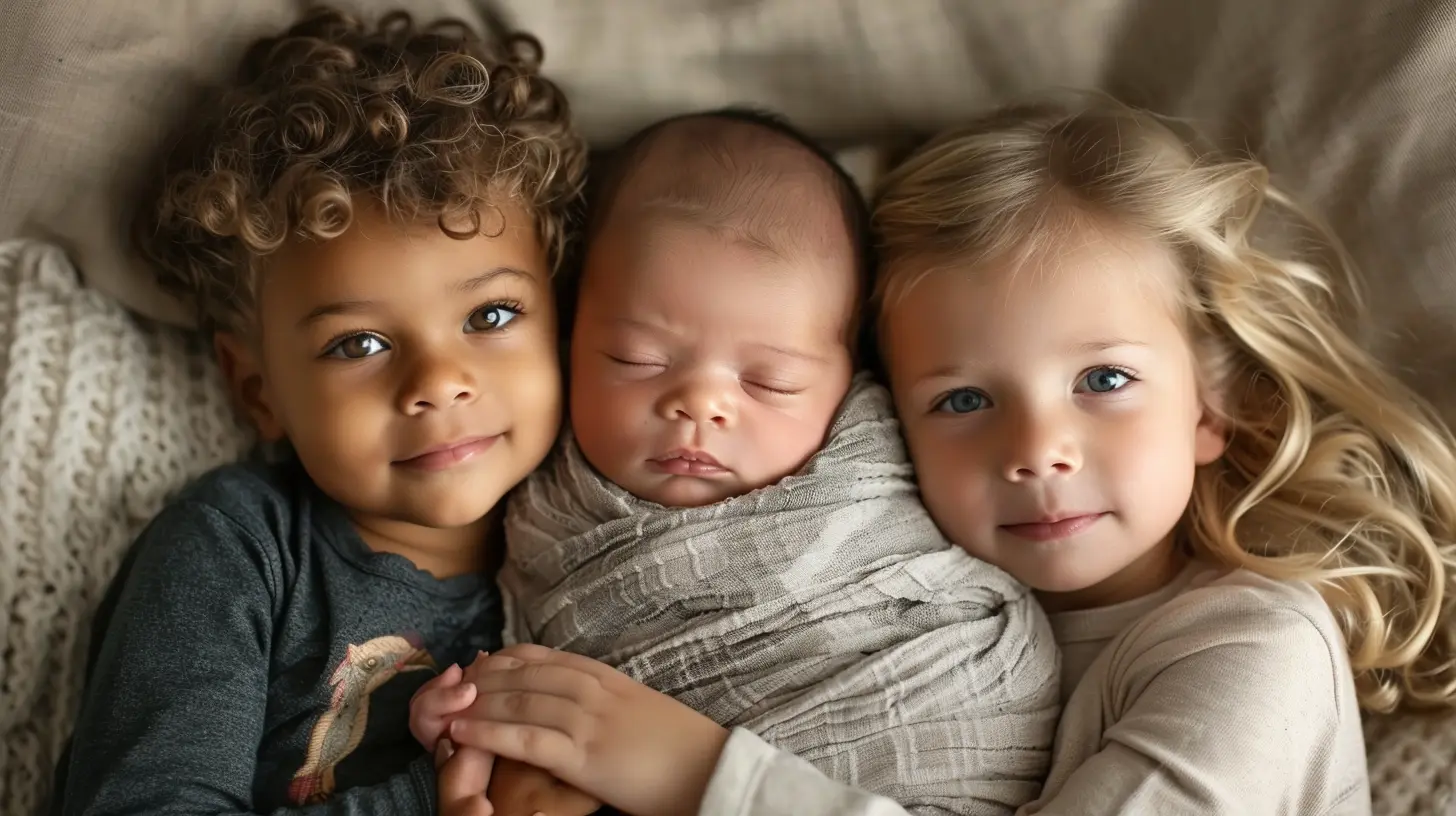
How to Decode and Support Each Child’s Communication Style
So, how do you figure out your child’s style? And more importantly, how do you help them understand each other’s?Let’s walk through this step-by-step.
1. Observe Without Jumping In
You need to play detective. Next time there’s a disagreement, resist the urge to jump in with solutions. Watch how each child reacts. Who talks first? Who stays quiet? Who gets physical? You’ll start to see patterns.2. Talk About It (When Everyone’s Calm)
After things cool down, have a short and sweet convo with each child. Use simple prompts like:- “I noticed you didn’t say much when your sister was upset. What were you feeling?”
- “When you raised your voice, were you trying to make sure everyone heard you?”
You’re not placing blame—you’re helping them become aware of how they interact.
3. Teach Communication in Kid Terms
Think of it like teaching them a new game. “Hey guys, everyone has a different way of showing how they feel. Some people talk, others need quiet time. Let’s figure out how to play fair with each other’s styles.”Use analogies. “If your brother speaks ‘quiet turtle’ and you speak ‘loud lion,’ how can you make sure he hears you without scaring him off?”
4. Encourage Empathy and Translation
Once kids understand there are different “languages,” they can start trying to translate. For example:- Help the verbal child learn to give space.
- Teach the quiet child it’s okay to speak up.
- Show the physical child how to ask before touching.
This isn't about changing their style—it’s about understanding that others have their own.
Real-Life Strategies for Bridging Communication Gaps Between Siblings
Enough theory—let’s get practical. Here are some parenting hacks that really work to smooth out those sibling communication bumps.1. Use Role Play
Act out common conflicts using stuffed animals or action figures. Switch roles, and let each child pretend to be the other. This helps them “walk in each other’s shoes” and laugh a little too.2. Create a "Feelings Chart"
Visual kids love this. Hang up a chart with different facial expressions and feelings. Ask, “Which one are you today?” It’s a great way to get even the quietest kid talking.3. Implement a “Talk and Listen” Stick
Only the person holding the stick (or any small object) can talk. This slows things down and teaches kids to listen—especially helpful for verbal processors who tend to dominate.4. Schedule One-on-One Time
Sometimes, communication struggles stem from feeling unseen. Spend individual time with each child to understand their inner world better. They’ll probably feel more secure—and less likely to lash out at siblings.5. Model It Yourself
Kids watch how you communicate. Do you interrupt your partner? Snap when you're stressed? Avoid touch or over-explain everything? Your communication habits set the tone. Make sure you're setting the right kind of example.When to Get Extra Help
If you’ve tried everything and sibling communication is still stuck in the mud, don’t feel bad. Sometimes, the dynamics are too complex to untangle alone.You might want to call in reinforcements if:
- One child is constantly isolated or targeted
- There's physical aggression that doesn’t improve
- A child shows signs of anxiety, sleeplessness, or withdrawal
- Communication struggles show up in school or with friends too
Family therapy or parent coaching can offer fresh tools and perspectives. It's not a sign you've failed—it's a sign you're committed to growth.
The Long Game: Raising Siblings Who Understand Each Other
Here’s the big picture: you’re not just teaching your kids to get along today. You’re teaching them how to collaborate, empathize, and communicate for life. These skills will help them in relationships, careers, and even as parents themselves someday.It takes time. It takes patience. Sometimes it takes chocolate and coffee and deep breaths behind closed doors. But the effort is worth it.
When siblings understand each other's communication styles, something amazing happens. They fight less and connect more. They start to get each other in a way only siblings can.
And that’s a family dynamic worth building.
Final Thoughts
Parenting multiple kids is a bit like being a translator at the United Nations—each child has their own unique way of expressing joy, frustration, love, or sorrow. You’re there in the middle, helping them understand one another, helping them build bridges instead of walls.And yeah, some days it’ll test your patience. But as you help each child feel heard and respected—and teach them to do the same with their siblings—you’re not just reducing fights. You're raising emotionally intelligent humans.
So next time you hear, “She never listens!” or “He always yells!”, try hearing what they really mean.
There’s more going on beneath the surface than you think.
all images in this post were generated using AI tools
Category:
Sibling BondingAuthor:

Max Shaffer
Discussion
rate this article
2 comments
Quillan Wilcox
In the delicate dance of sibling dynamics, every child's voice reveals hidden secrets waiting to be understood.
December 16, 2025 at 3:43 AM
Max Shaffer
Thank you for your insightful comment! Understanding each child's unique voice truly enriches the sibling relationship.
Jemima Vance
This article offers valuable insights into recognizing and nurturing each child’s unique communication style. Understanding these dynamics can foster stronger sibling relationships and enhance family harmony. Thank you for sharing!
December 9, 2025 at 5:22 AM
Max Shaffer
Thank you for your thoughtful comment! I'm glad you found the insights valuable for fostering family harmony.