How Gratitude Enhances Empathy and Emotional Intelligence in Kids
30 December 2025
Let’s face it—parenting can feel like juggling jelly sometimes. You’re trying to raise kind, thoughtful little humans, and amidst the lunchboxes and laundry, you wonder: am I doing enough to help my child grow emotionally?
Here's some great news—you are. And if you're wondering about something simple yet powerful to add to your parenting toolkit, say hello to gratitude. Yep, that one little word has the power to supercharge your child’s empathy and emotional intelligence (EQ). That's pretty amazing, right?
So grab a cup of coffee, get comfy, and let’s dig into how showing a little “thank you” can help raise kinder, more emotionally savvy kiddos.
What is Gratitude, Really?
We often think of gratitude as saying "thank you" when someone gives us a snack or holds the door. And while that’s a great start, gratitude goes way deeper than good manners.At its core, gratitude is recognizing the good in our lives—and realizing that much of it comes from outside ourselves. It’s an attitude of appreciation, not just an action.
Imagine gratitude as the emotional glue that connects us to others. It helps kids understand, “Hey, that nice thing didn’t just appear—I matter to someone, and they put effort into me.” That kind of thinking builds emotional bridges. And guess what lives on the other side of that bridge? Yep. Empathy and emotional intelligence.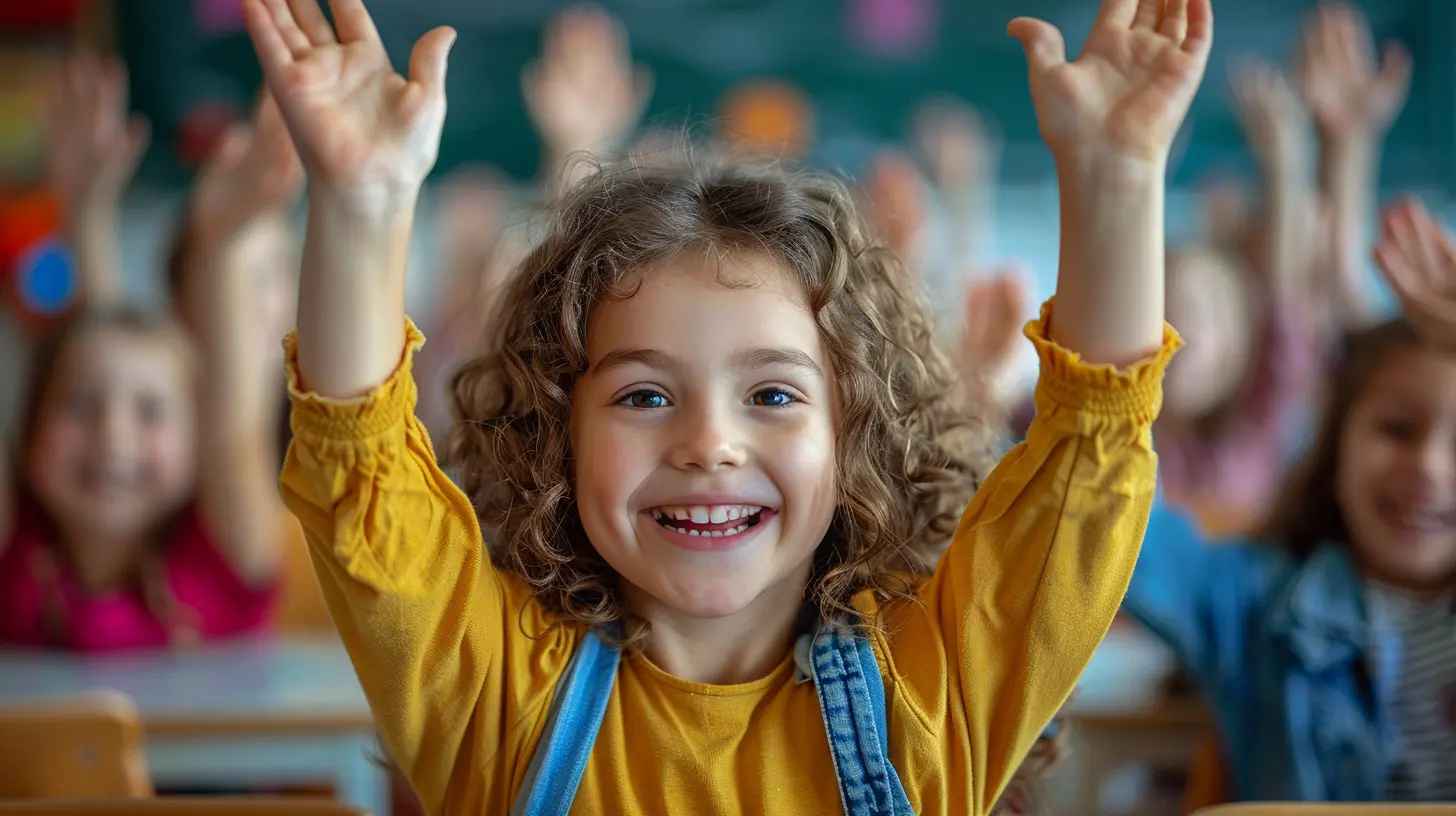
Why Gratitude is the Gateway to Emotional Growth
Gratitude unlocks all sorts of good stuff in a child's brain. When kids regularly practice gratitude, studies show improvements in:- Resilience
- Optimism
- Relationship skills
- Emotional regulation
Now, that’s a parenting win if we ever heard one.
Let’s break down how this simple practice actually helps develop empathy and EQ.
Empathy 101: Seeing Through Someone Else’s Eyes
Empathy is the ability to understand and share someone else’s feelings. Not just knowing what others feel, but actually tuning in and feeling it with them.And kids? They aren’t born with a full tank of empathy—it’s something they grow into. Kind of like shoes. Gratitude helps fill those shoes by encouraging kids to look outside themselves and recognize other people's kindness, efforts, and emotions.
How Gratitude Fuels Empathy
When children express gratitude, they naturally begin noticing the positive actions of others. They see that a friend gave them half a sandwich or a sibling let them pick the TV show. They stop to think, “Wow, that was really nice of them.”That pause—that moment of reflection—is the start of empathy. It’s where they learn to imagine how others feel and begin to care about those feelings.
It’s like giving them a pair of emotional binoculars. Suddenly, they’re not just seeing themselves; they’re zooming into the lives of others.
Emotional Intelligence: The Life Skill That Keeps on Giving
Ever met someone who just gets people? They’re calm under pressure, think before they react, and can read a room like a pro. That’s emotional intelligence at work—and it's pure gold for kids learning to navigate the world.So, where does gratitude fit in?
Gratitude Strengthens Self-Awareness
Self-awareness is the first pillar of emotional intelligence. It helps kids label their own emotions, understand what triggers them, and recognize how their feelings influence behavior.Grateful kids tend to be more reflective. They take little mental snapshots of happy moments and kind gestures, which helps them recognize emotions—both theirs and others’.
It Builds Better Self-Regulation
Practicing gratitude can dial down stress and anxiety. When kids focus on what they’re thankful for, they shift from a “lack” mindset to an “abundance” one. That calm, positive energy helps them make better choices in the heat of the moment. Less sass, more smiles? Count us in.Real-Life Examples: Gratitude in Action
Let’s say your daughter comes home and shares how her friend helped her pick up her books when they fell. If she’s been practicing gratitude, she’s more likely to recognize that kindness and maybe even say, “I’m lucky to have her as a friend.”That small moment? It plants seeds of appreciation and emotional insight that grow over time.
Or imagine your son gets frustrated during homework. If he’s built some emotional awareness through gratitude, he might take a deep breath and remember a moment when his teacher praised his effort. That memory becomes a tool for resilience and regulation.
Practical Ways to Cultivate Gratitude in Your Kids
Okay, so we know gratitude is awesome. But how do we actually help our kids practice it?Here are some creative (and fun!) gratitude habits you can build into everyday life:
1. The Three Good Things Game
Before bed, ask your child to share three good things that happened during the day. It could be as simple as “I got extra recess” or “I had spaghetti for lunch.” Reflecting on the good stuff shifts their mental focus and gradually builds a grateful heart.2. Thank You Notes with a Twist
Set up a little gratitude station with paper, colorful pens, and stickers. Encourage your kids to write thank-you notes—not just for gifts, but for people who did something kind. A “thanks for helping on the science project” note for a classmate goes a long way.3. Gratitude Jar
Keep a jar in the kitchen where everyone can drop in a little note about something they appreciate each day. Read them together once a week. Think of it as a family gratitude time capsule!4. Model, Model, Model
Kids are like emotional sponges. If they see you expressing gratitude—thanking your partner, appreciating a sunny day, or acknowledging a kind stranger—they’ll mirror it. Say it loud and proud: “Wow, I’m so thankful for this cozy moment with you.”5. Gratitude Walks
Take a walk and point out things you’re thankful for in nature—the blue sky, a cool breeze, puppy dogs strutting their stuff. Invite your child to do the same. It’s mindfulness with sneakers on.Gratitude in the Digital Age: A Quick Reality Check
Let’s get real—between screen time, social media, and the meme-a-minute world we live in, kids are bombarded with a lot of messages that lean toward “me, me, me.” The gratitude muscle? It needs a little extra love to stay strong.But here’s the thing: gratitude is kind of like charging your kid’s emotional iPhone. It powers up empathy, kindness, and connection. And just like brushing teeth or eating veggies, it needs to be a daily habit.
If we want our kids to grow up emotionally intelligent and compassionate in a sometimes chaotic world, helping them focus on gratitude is one of the most powerful (and loving) things we can do.
The Ripple Effect: Gratitude Shapes Character
This isn’t just about warm fuzzies. Studies show that kids who practice gratitude are kinder, more cooperative, and even get better grades. But beyond the numbers, we’re talking about raising humans who care.Kids who feel and express gratitude tend to:
- Understand different perspectives
- Communicate more effectively
- Navigate conflict respectfully
- Build stronger friendships
- Have a more positive outlook
In other words, gratitude shapes their character in the best way possible. Kindness becomes their default. Compassion becomes cool. And empathy? It becomes their emotional superpower.
Remind Yourself: It’s a Journey
Look, it’s not about being the perfect parent or having kids who wake up quoting Oprah’s gratitude journal. It’s about planting small seeds and watering them a little every day.Some days your child will be full of thanks. Other days, they’ll eye-roll their way through dinner. That’s okay. Keep showing up. Keep reminding them of the good. Keep saying “thank you” for the little stuff.
Because someday, they’ll be the one holding the door, writing the kind note, offering the understanding smile. And when they do, you’ll know that all those bedtime chats and gratitude jars were worth it.
Final Thoughts
Gratitude isn’t just a feel-good emotion—it’s a catalyst for deep emotional growth. It helps kids tune into the world around them, connect with others, and navigate their feelings with emotional clarity.By deliberately weaving gratitude into everyday life, we’re helping our children build empathy and emotional intelligence—skills that will serve them beautifully in school, relationships, work, and life.
So breathe easy, parent—you’ve got this. And remember: the more we nurture gratitude, the brighter our kids' emotional future becomes.
all images in this post were generated using AI tools
Category:
Teaching GratitudeAuthor:

Max Shaffer
Discussion
rate this article
2 comments
Taylor Hayes
Gratitude cultivates awareness of others' feelings, enriching children's emotional landscape and fostering genuine connections—an essential foundation for empathy and emotional intelligence.
January 23, 2026 at 4:29 AM
Max Shaffer
Thank you for your insightful comment! I completely agree—gratitude truly plays a vital role in developing empathy and emotional intelligence in children.
Quentin McCollum
What a wonderful reminder! Teaching kids gratitude isn’t just about saying "thank you"; it’s a powerful way to boost their empathy and emotional intelligence. This simple practice can create a more compassionate world for them—and for all of us!
December 30, 2025 at 4:04 PM
Max Shaffer
Thank you for your insightful comment! I completely agree—teaching gratitude is essential for fostering empathy and compassion in our children and creating a better world.