The Impact of Praise on Your Toddler’s Milestone Achievements
24 March 2026
Ever caught yourself clapping like you just witnessed a Broadway performance when your toddler stacked two blocks? Or maybe you’ve thrown a mini dance party because they tried saying “banana” and it came out as “nana”? Yep, we’ve all been there. As parents, praise becomes second nature — and rightly so! But have you ever stepped back and thought about how your praise actually affects your child's development?
Let’s dig into how that simple “Good job!” can do more than just bring a smile — it might actually shape how your toddler hits their key milestones.
Why Praise Matters in Early Development
Toddlers are like little scientists. They explore, test, fail, and try again. And just like scientists, they need feedback. Praise becomes that feedback — it's our way of saying, “You're on the right track!”But here’s the kicker: not all praise is created equal. How we praise can either motivate our kids to keep exploring or cause them to shy away from trying new things.
The Psychology Behind Praise
Okay, this might sound like Psych 101, but hang with me. There are generally two types of praise:1. Person Praise: “You’re so smart!” or “You’re a good boy!”
2. Process Praise: “I love how hard you worked on stacking those blocks!” or “You kept trying even when it was tough!”
Turns out, process praise — the kind that focuses on effort and perseverance — actually helps toddlers develop what psychologists call a growth mindset. That means they learn to value effort, not just natural talent.
On the flip side, person praise can make kids believe their intelligence or abilities are fixed. If they think they're only smart when they succeed, what happens when they fail? Spoiler alert: meltdowns and giving up.
Milestones That Matter: Where Praise Fits In
So where does praise come into play with all those major toddler milestones? Let’s break it down.1. Walking and Physical Movement
Remember that wobbly first step? It might not seem like a big deal now, but it’s huge for your toddler. Encouraging their attempts, even when they fall, reinforces their desire to keep going.💬 Try saying: “You’re getting better at this every day!” instead of “You’re a great walker!”
This highlights progress over perfection.
2. Talking and Language Skills
Language milestones are giggle-worthy and frustrating all at once. Whenever your toddler tries to form a word, your reaction matters. Over-praising for every sound might overwhelm them or create pressure. Focus on praising their attempt rather than perfection.💬 Try this: “You’re really trying to say ‘cat’ — that’s awesome!”
3. Toilet Training
Oh, the potty training phase — an emotional rollercoaster for parents and kids alike. Praise works wonders here, but it’s got to be balanced. Over-the-top celebrations might lose their charm (or become expected every time).💬 Instead of: “You’re such a good boy for going potty!”
Say: “You listened to your body and made it to the potty — that’s really responsible!”
4. Social Skills and Sharing
Toddlers aren’t exactly natural-born sharers. Praising moments of kindness or turn-taking with a focus on the action helps build empathy.💬 Rather than: “You’re so nice!”
Say: “That was kind of you to give your truck to your friend.”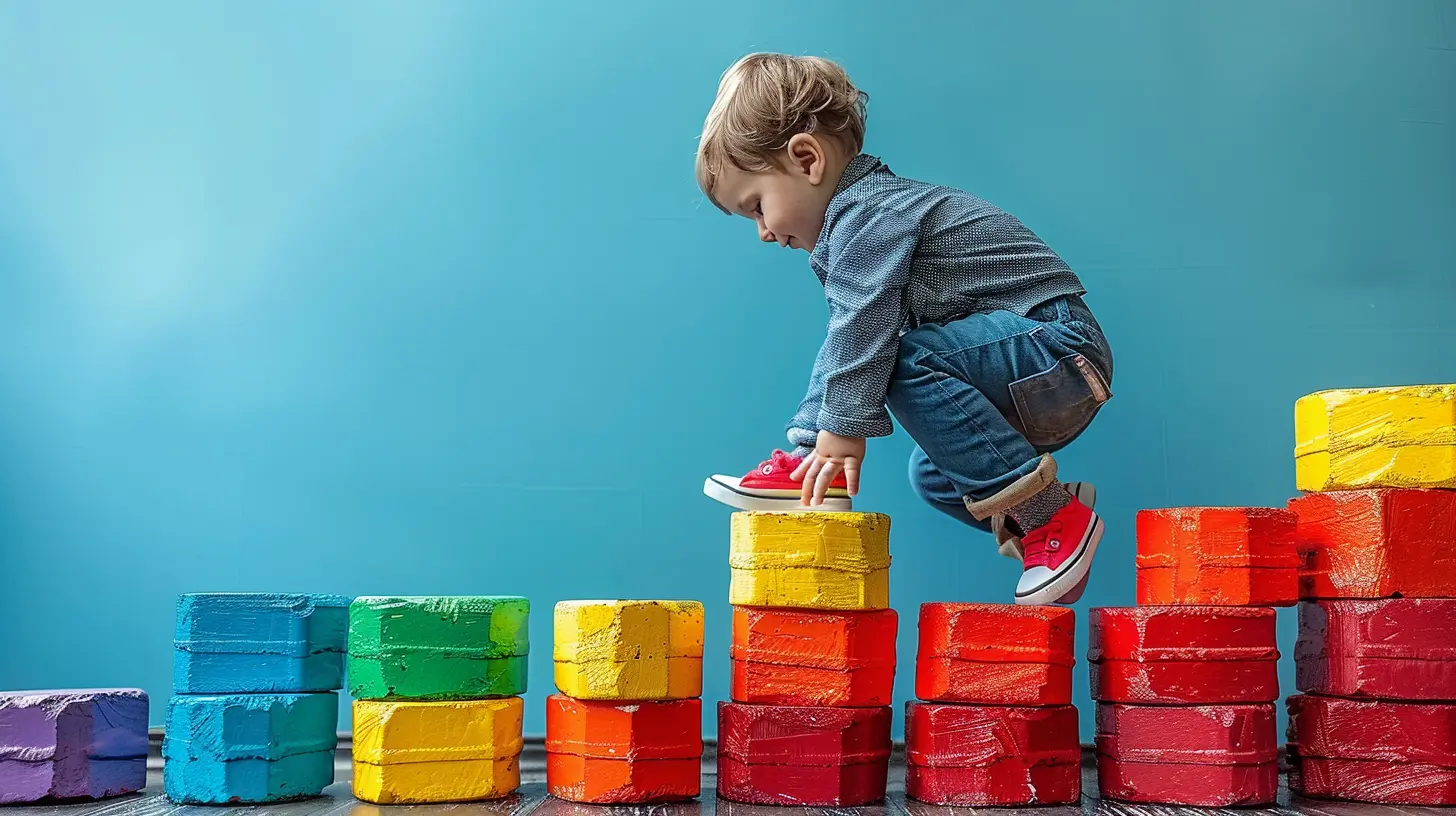
The Risk of Overpraising
Here’s the reality: too much praise, or the wrong kind, can backfire.Why?
1. Creates Dependency: If your toddler expects praise for every little thing, they might stop doing things unless someone’s clapping.2. Triggers Performance Anxiety: Pressure to always succeed can make failure feel like a disaster.
3. Undermines Intrinsic Motivation: We want our kids to do things because they love learning — not just for the high-five.
It’s like giving a trophy for just showing up to practice every day — eventually, the trophy loses its meaning.
How to Use Praise the Right Way
Not saying you should stop clapping and cheering altogether — trust me, I’ve still got a dance reserved for when my kid uses the potty. But tweaking how and when you praise can make a big difference.1. Be Specific
Instead of vague “good job,” go with “I noticed how carefully you put all your blocks back in the box.”Being specific tells your child exactly what they did well, reinforcing that behavior.
2. Focus on Effort over Outcome
Even if they didn’t succeed, praise the journey.💬 “You kept trying even when it was hard. That’s what makes you better!”
3. Don’t Overdo It
Sometimes a simple smile or nod is enough. Let them soak in their own sense of achievement instead of looking to you for approval every time.4. Encourage Self-Praise
Ask: “How did it feel when you finished that puzzle?” This gets them reflecting and building confidence from the inside out.The Role of Praise in Building Confidence
At the heart of it, what we want is to raise confident, curious, resilient little humans, right? The right kind of praise fosters this.Think of praise like seasoning food. A little enhances the flavor. Too much? It ruins the dish.
When kids are praised for perseverance, they don’t just feel good about what they did — they feel empowered to try new things. And that’s how they grow.
Praise in Everyday Moments
You don’t need to wait for major milestones to praise your child. Everyday routines are ripe with opportunities:- Putting on their shoes independently
- Cleaning up toys
- Helping put groceries away
Each of these can be a moment to encourage autonomy and reinforce positive behavior. Just keep in mind — highlight effort, not just completion.
What If My Toddler Gets Frustrated?
Ah, the meltdown zone. If your toddler is struggling and doesn’t want to try anymore, it might be time to shift your approach.💬 Instead of, “Come on, you can do it!” say “I see you’re working hard, even if it’s tricky. That shows courage.”
You’re validating their emotions while still reinforcing the value of trying. That goes a long way.
Final Thoughts: Praise with Purpose
Your toddler isn’t looking to be the next Olympic prodigy. They’re just trying to figure out the world, one sippy cup and stacking toy at a time.Thoughtful, purposeful praise helps build the foundation for confidence, resilience, and a lifelong love of learning. It’s not about doling out compliments like candy — it’s about being intentional with our words.
So next time your toddler makes a tiny leap — whether it’s a new word or a new pair of undies — pause, smile, and let your praise be a stepping stone, not the end goal.
Because parenting isn’t about perfect kids. It’s about raising kids who keep trying, keep growing, and know that progress — no matter how wobbly — is worth celebrating.
all images in this post were generated using AI tools
Category:
Toddler MilestonesAuthor:

Max Shaffer
Discussion
rate this article
2 comments
Denise McAnally
Thank you for shedding light on the crucial role praise plays in our toddlers' development. It's fascinating to see how positive reinforcement can shape their confidence and motivation as they reach important milestones. Great insights!
March 26, 2026 at 5:38 PM
Max Shaffer
Thank you for your kind words! I'm glad you found the insights on praise and development helpful. Positive reinforcement truly makes a difference!
Kason Romero
Praise boosts confidence and encourages growth!
March 25, 2026 at 4:57 PM
Max Shaffer
Absolutely! Positive reinforcement can make a huge difference in a toddler's development.