The Art of Gentle Communication in Mindful Parenting
30 June 2026
Let’s be real for a minute—parenting is no walk in the park. It's a wild ride filled with messy kitchens, skipped naps, sticky fingers, and emotions cranked up to eleven. Amidst all this chaos, the way we communicate with our kids plays a massive role in shaping their emotional health and how they view the world. That’s where the concept of gentle communication in mindful parenting steps in—and trust me, it's a total game changer.
Now, gentle communication isn’t about sugar-coating everything or avoiding conflict. Nope. It's about being intentional, respectful, and present. It's speaking to your child the way you'd want someone to speak to you when you’re having a rough day.
So, let’s dive into this beautiful blend of communication and consciousness, and unpack what it really means to talk with our kids instead of at them.
What Is Gentle Communication?
At its core, gentle communication is about using words and tone that promote connection, empathy, and understanding rather than fear, guilt, or shame. It’s parenting through conversation, not control.Think of it this way: You’re building a bridge to your child’s heart and mind, not a wall of commands and consequences. It’s nurturing a relationship where your child feels seen, heard, and valued—even when they’re struggling or misbehaving.
Not Weak, Just Wise
A common misconception? That gentle communication = permissive parenting. Nah. It’s not about letting your kids run wild or skipping boundaries. It’s more about the how instead of the what.You can still say no. You can set limits. You can correct behavior. But you’re doing it with compassion and clarity—not fear or frustration.
The Role of Mindfulness in Parenting
Before we get too deep, let's talk about the "mindful" side of mindful parenting. Mindfulness is the practice of being fully present in the moment. In parenting, that means tuning into your child’s words, body language, and emotions—without jumping to conclusions or reacting on autopilot.Ever snapped at your kid and then instantly regretted it? Been there. That’s what happens when we parent on default. Mindfulness helps us shift gears. It gives us a second to breathe before we speak. To respond rather than react.
When we pair mindfulness with gentle communication, we become more attuned, calmer, and intentional. It's like upgrading from guesswork to GPS in our parenting journey.
Why Gentle Communication Matters More Than Ever
Let’s face it—kids today are growing up in an overstimulating, high-pressure world. They’re bombarded with information, expectations, and distractions from every angle. In this chaos, the home should be their safe space.Gentle communication helps create that safety. It builds trust, connection, and emotional security. And guess what? Kids who feel emotionally safe are more cooperative, resilient, and confident.
Plus, let’s not forget: children learn how to communicate by watching us. The way we speak to them becomes the voice in their heads. Are we planting seeds of self-worth or self-doubt?
Pillars of Gentle Communication in Mindful Parenting
Let’s break it down into practical, relatable pieces. Here are the key ingredients to mastering the art of gentle communication:1. Listen More Than You Speak
Seems simple, right? But it’s surprisingly easy to overlook. Often, we’re so focused on solving the problem or correcting behavior that we forget to actually listen.Try this instead: Pause. Get down to their level. Look them in the eye. Reflect what they’re saying (“You’re really upset I turned off the TV, huh?”). This validates their feelings and shows that their voice matters.
2. Speak With Empathy, Not Authority
Instead of barking orders, offer understanding. Imagine how much better it feels to hear:“Looks like you're having a hard time with that puzzle—want some help?”
versus…
“Why can’t you just figure it out? You’ve done this before!”
Empathy builds bridges. It’s how you step into their shoes and show them they’re not alone.
3. Use "I" Statements
This one’s gold. When explaining how behavior affects you, start with “I” instead of “you”. It removes blame and encourages connection:- “I feel frustrated when toys are left everywhere because I trip over them.”
- Not: “You’re always such a mess.”
See the difference? One starts a conversation; the other starts a conflict.
4. Set Boundaries Without Threats
Boundaries are essential, obviously. But the way we deliver them matters.Instead of: “If you don’t brush your teeth, no bedtime story!”
Try: “You can choose to brush now and then we can read your favorite book together.”
It’s not about manipulation. It’s about offering choices, fostering responsibility, and keeping the tone respectful—always.
5. Validate Their Emotions
Big feelings can be scary—for them and for us. But when we dismiss or minimize their emotions (“You’re being silly,” or “Don’t cry!”), we send a message that those feelings are wrong.What works better? Acknowledge and label the emotion:
- “You’re sad because playtime is over. That makes sense—it’s hard to stop when you're having fun.”
Just naming the feeling can diffuse the meltdown and give them tools to express themselves better next time.
Real-Life Scenarios: Gentle Communication in Action
Let’s get practical. Below are a few common parenting moments and how they might sound with gentle communication.Scenario 1: Tantrum in the Grocery Store
Old way: “Stop it right now or we’re leaving!”Gentle communication: “I see you’re upset because I said no to the candy. That’s disappointing. Let’s take some deep breaths together.”
Sure, it might not stop the tantrum instantly—but it preserves the relationship and models emotional regulation.
Scenario 2: Refusing Bedtime
Old way: “Go to bed now or no cartoons tomorrow!”Gentle communication: “It’s hard to stop playing, I know. But your body needs rest. Would you like to hop like a bunny to the bathroom or tiptoe like a cat?”
Playful, respectful choices can ease transitions and reduce resistance.
Scenario 3: Sibling Conflict
Old way: “If you two don’t stop fighting, you’re both grounded!”Gentle communication: “Sounds like you’re both frustrated. Can you each tell me what happened, one at a time, so I can help you work it out?”
This approach teaches problem-solving, empathy, and emotional safety.
The Long-Term Benefits of Gentle Communication
Want to know the best part? Over time, gentle communication doesn’t just improve behavior—it strengthens your bond and sets your child up for long-term emotional success.Here’s what it promotes:
- Self-regulation: Kids who are heard can better manage their own emotions.
- Empathy: When they feel understood, they learn to understand others.
- Confidence: Affirming their thoughts builds self-worth.
- Healthy relationships: They learn how to communicate openly and respectfully.
And here’s the kicker—it makes parenting more enjoyable. Really. When power struggles decrease, connection increases.
Common Obstacles (And How to Navigate Them)
Let’s be honest: gentle communication sounds dreamy, but it’s not always easy. Especially when you’re sleep-deprived, stressed, or running on caffeine and fumes.So how do you stay on track?
1. Practice Self-Compassion
You’re human. There will be moments when you snap or lose your cool. That doesn’t make you a bad parent—it makes you a normal one.Own it, apologize, and repair the connection. That, in itself, is a powerful lesson for your child.
2. Take a Pause
Before reacting, take a deep breath. Literally. Count to five. Give your nervous system a chance to chill before you respond.3. Lower the Volume
Gentle communication doesn’t have to be soft-spoken 24/7, but shouting rarely brings clarity. If you’re boiling over, it’s okay to say, “I need a minute to calm down” before addressing the issue.4. Use Scripts (Until It Feels Natural)
If you’re new to all this, practice a few “go-to” phrases. Things like:- “It’s okay to feel upset.”
- “I’m here. I’m listening.”
- “Let’s figure this out together.”
Eventually, these phrases will roll off your tongue like second nature.
Final Thoughts: It’s About Connection, Not Perfection
Gentle communication doesn’t mean you’ll have perfectly behaved kids or stress-free days. (Spoiler alert: no one does.) But it does mean you’re building something deeper—a relationship rooted in trust, empathy, and respect.It’s less about controlling your child and more about collaborating with them. Less about perfection, more about presence.
Each moment you choose connection over correction, conversation over commands, you’re raising a more emotionally intelligent, confident, and compassionate child.
And that’s the real win in parenting, isn’t it?
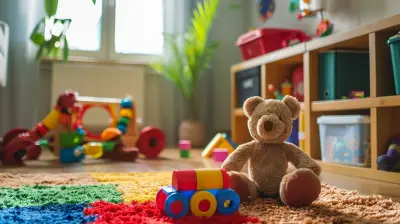
So next time you're knee-deep in Legos and someone’s melting down over the wrong color cup, take a breath. Lean in. Speak gently.
Because in the end, those words? They shape everything.
all images in this post were generated using AI tools
Category:
Mindful ParentingAuthor:

Max Shaffer
Discussion
rate this article
2 comments
Geneva Spencer
Gentle communication? Please. Sometimes you need to let your kids know you're the boss, not their best friend. Mindful parenting is great until they start tuning you out. A little sass mixed with love keeps them on their toes. Balance is key, but so is a healthy dose of reality!
August 24, 2026 at 3:21 PM
Max Shaffer
I appreciate your perspective! Finding that balance can be tough, but a mix of firmness and love often works wonders. You make a great point about keeping kids engaged.
Catherine Valentine
Gentle communication fosters trust and connection. Your mindful approach makes a lasting impact on your child's emotional growth.
July 15, 2026 at 4:30 PM
Max Shaffer
Thank you for your thoughtful comment. I believe gentle communication truly shapes strong bonds and supports our children's growth.