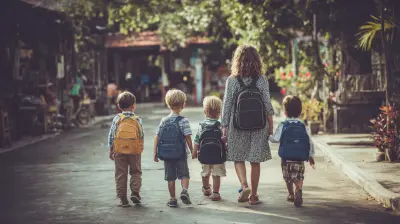
Navigating Conflict: Helping Siblings Resolve Disputes Peacefully
9 June 2026
Let's be real—siblings fight. It's part of the package deal that comes with growing up together. Whether it's over toys, attention, or just because they’re in the same space, squabbles are inevitable. But here’s the kicker: how we, as parents, handle these conflicts can shape our kids’ ability to resolve disagreements in the real world.
So, how do we help our kids stop going from loving each other one second to full-blown WWE smackdowns the next? Let’s dive into the real, practical ways to help siblings settle disputes peacefully and—dare I say—actually strengthen their bond in the process.
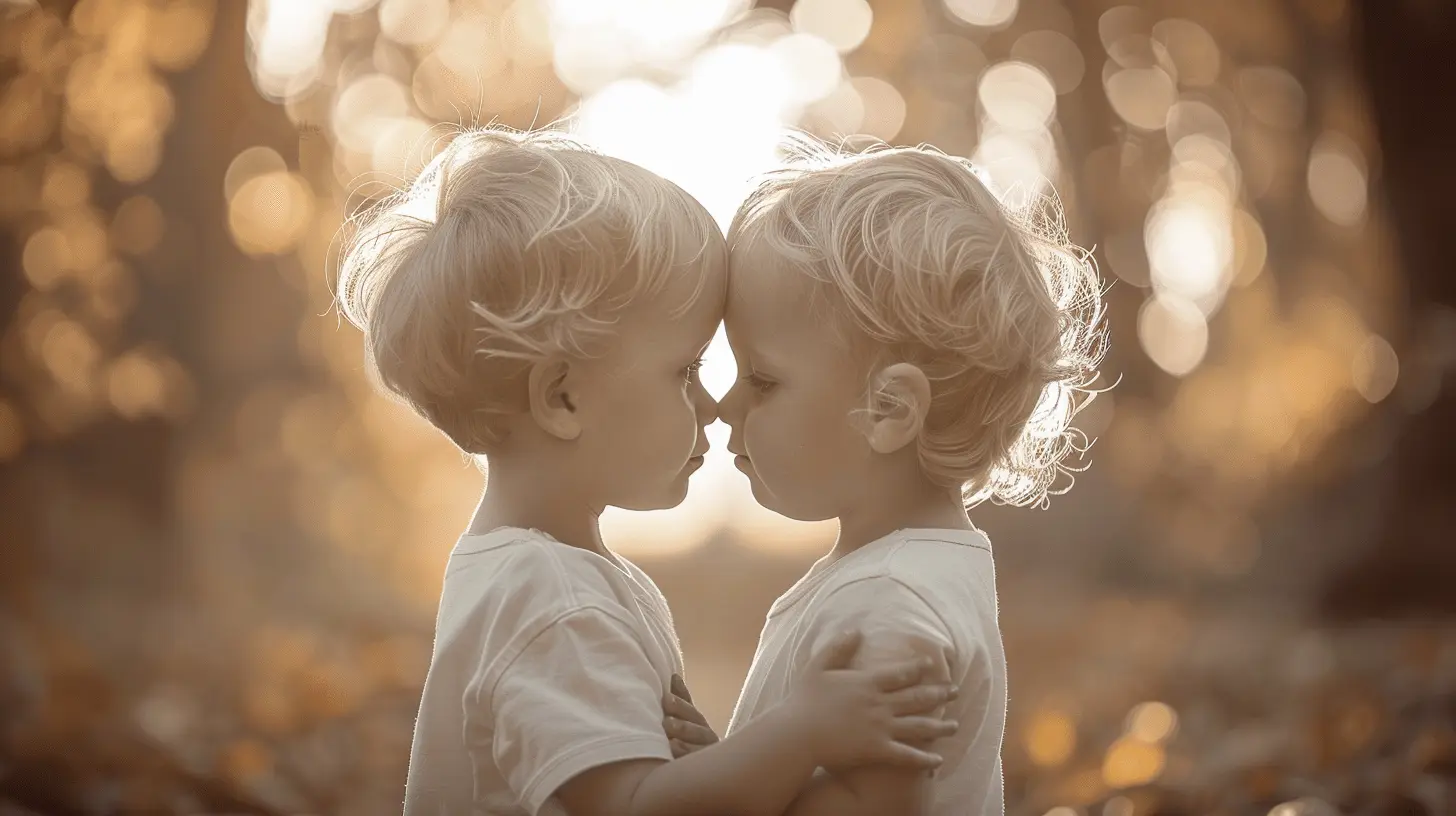
Why Do Siblings Fight?
Before we jump into solutions, let's understand why these little humans feel the need to battle it out in the first place.1. Competition for Attention
Kids, like plants, crave sunlight—except in their case, it’s your attention. The moment they sense a sibling getting more of it, boom! Conflict.2. Clashing Personalities
Each kid is wired differently. One might be easygoing while the other is a hothead. Opposing temperaments? That’s a recipe for tension.3. Simply Testing Boundaries
Children are like tiny scientists, always experimenting. Sometimes, fighting is just their way of figuring out where the limits are.4. Fairness Battles
“It’s not fair!” might be the most common phrase in any multi-kid household. Whether it's about screen time or who got a bigger slice of cake, the fairness war is never-ending.5. Just Bored
Yep. Sometimes, kids fight simply because they have nothing better to do. Stir-crazy energy often turns into sibling showdowns.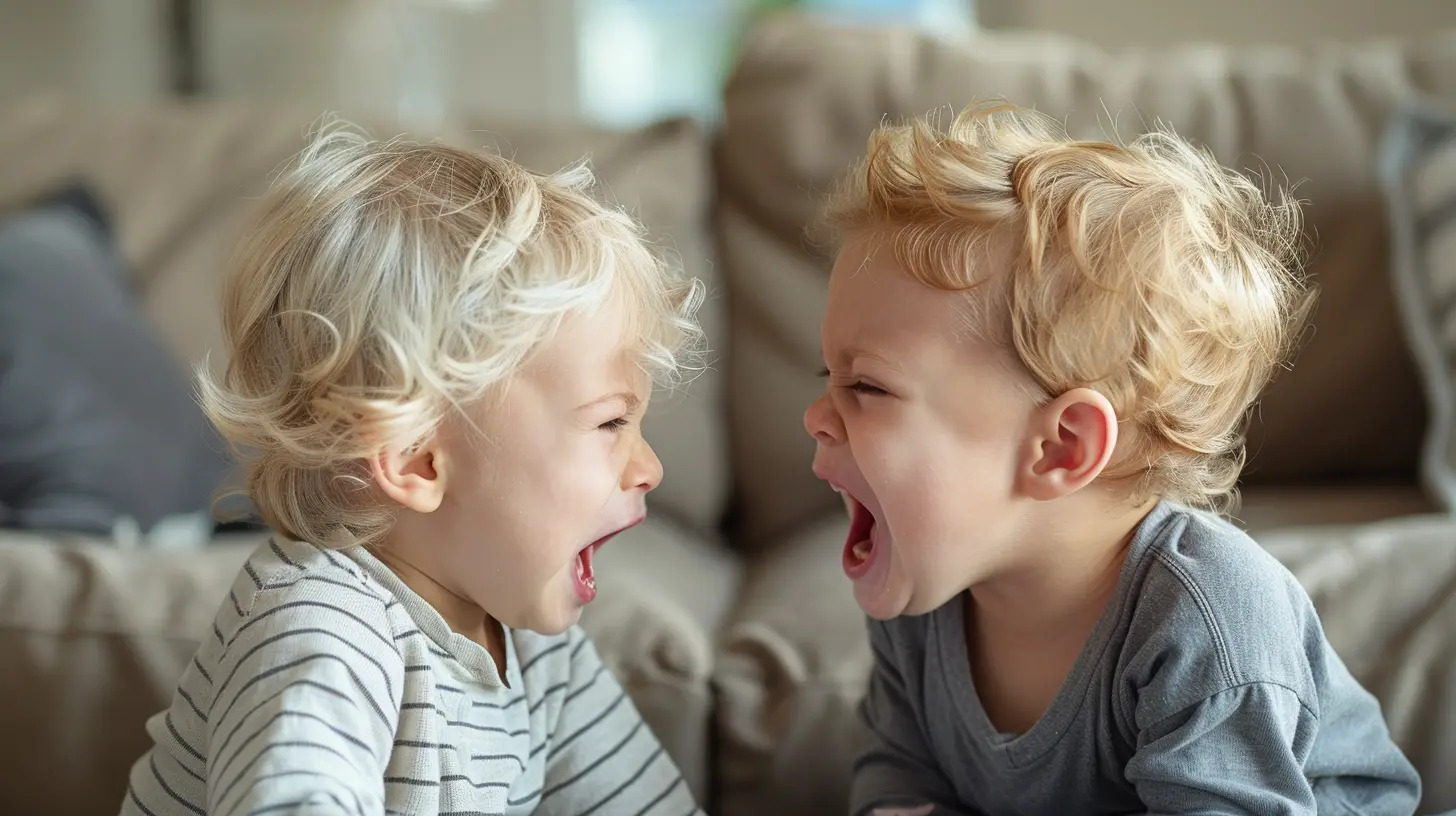
What NOT to Do When Siblings Fight
Before we get into the magic tricks of peaceful conflict resolution, let's pause for a second and highlight what NOT to do:- Don’t take sides. Even if it’s crystal clear who's at fault, playing referee can make things worse.
- Don’t compare your kids. Saying things like “Why can’t you be more like your brother?” just fuels resentment.
- Don’t force an apology. A forced “sorry” won’t fix the problem—teaching them how to resolve it will.
- Don’t intervene too soon. Kids need to learn how to work things out on their own. Step in only if things escalate.
Now that we’ve got that out of the way, let’s talk about how to actually manage sibling disputes without losing your mind.
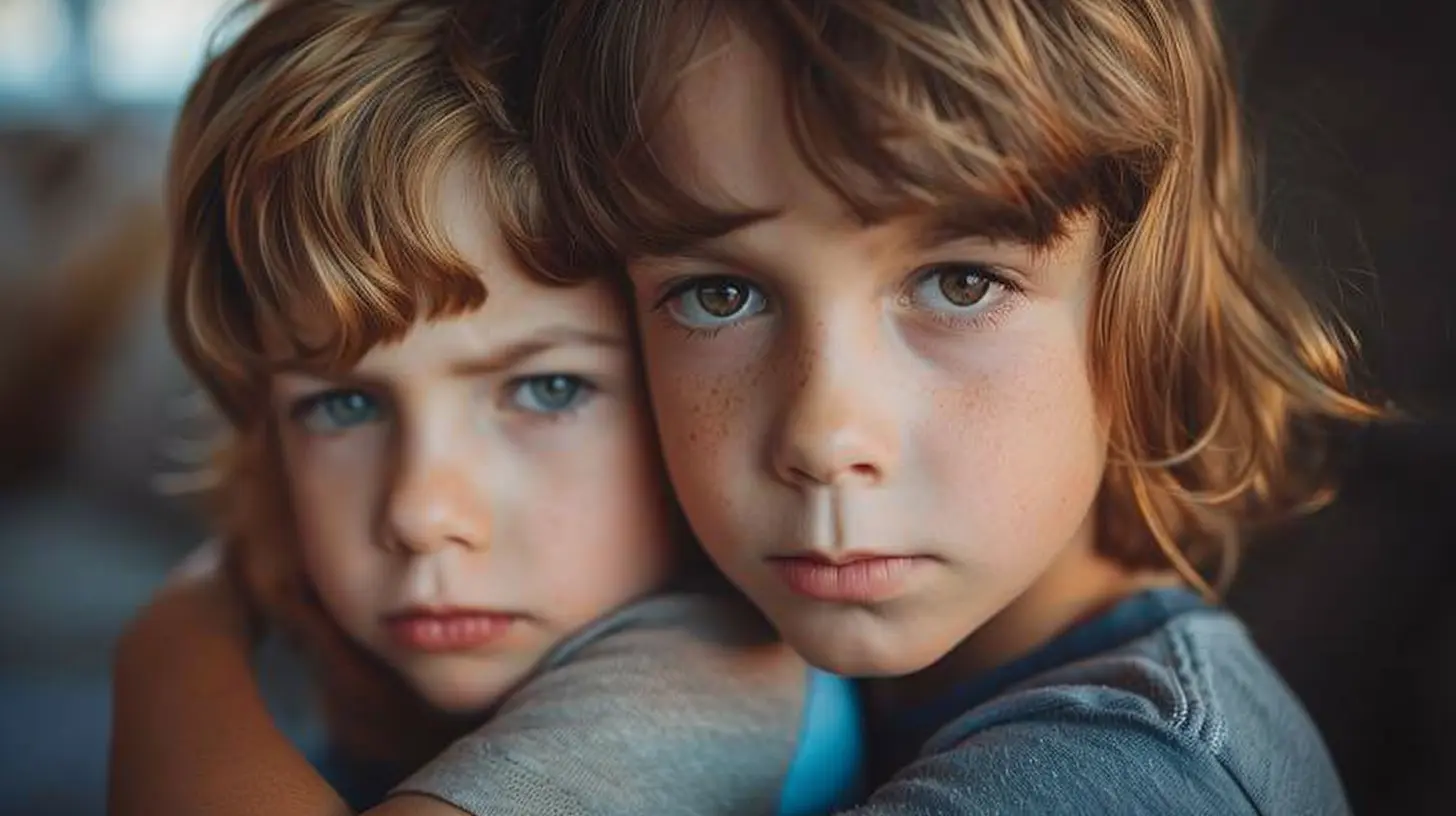
How to Help Siblings Resolve Conflicts Peacefully
1. Teach Them to Use Their Words, Not Their Fists
Kids often resort to yelling, hitting, or name-calling because they don’t know how to express their frustration. Teach them phrases like:- “I don’t like it when you take my toy.”
- “That hurt my feelings.”
- “Can we find a solution that works for both of us?”
Modeling these phrases in your own conflicts (yep, they watch EVERYTHING) helps reinforce their learning.
2. The Magic of "Take a Break" Spaces
Instead of sending kids to time-out as punishment, create a cool-down zone where they can retreat to calm down. This teaches them that taking space isn’t about “winning” but about regaining control over emotions.3. Encourage Problem-Solving, Not Just Apologies
Instead of just demanding “Say sorry,” guide them to find a resolution. Ask:- “How can we fix this?”
- “What can we do to make sure this doesn’t happen again?”
- “What do you think would be fair for both of you?”
This helps them think critically about their actions rather than just going through the motions.
4. Give Them Some Power Over the Process
Letting kids help decide how to solve their own disputes is a game-changer. If they feel they have control, they’re less likely to resist finding a peaceful solution.For example:
- If they’re arguing over who gets the last cookie, encourage them to come up with a fair way to split it.
- If they can’t agree on a TV show, suggest they create a schedule that works for both of them.
5. Teach Emotional Intelligence (Without the Fancy Jargon)
Help kids identify their feelings so they don’t just lash out. Simple questions like:- “Are you feeling frustrated because your brother took your toy?”
- “Does it make you sad when your sister won’t share?”
Labeling emotions gives them the tools to express themselves without aggression.
6. Celebrate When They Resolve Things Well
Catch them in the act of solving things peacefully and praise the heck out of it. Positive reinforcement works wonders.“Wow! You two figured that out without yelling. That’s awesome!”
It reinforces the idea that peaceful problem-solving is not just possible—it’s celebrated.
7. Schedule One-on-One Time with Each Child
A lot of sibling fights boil down to someone feeling left out. Make a habit of spending solo time with each kid, even if it's just 10-15 minutes a day.This reassures them that they’re valued individually, not just as a unit.
8. Set Clear Family Rules About Respect
Setting ground rules for respectful behavior can prevent a LOT of conflicts. Some examples include:- No hitting, no name-calling, no taking things without asking.
- If you have a problem, talk about it before reacting.
- If things escalate, walk away and calm down before continuing.
Make sure everyone understands the rules and, more importantly, that they apply to EVERYONE—including you.
9. Be a Role Model for Conflict Resolution
Kids learn by example, so if they see you arguing aggressively, guess what? They’ll mimic it. Show them how to disagree respectfully—whether it’s with your partner, a coworker, or even them.10. Sometimes, Let Them Work It Out
Not every sibling spat requires parental intervention. If they’re bickering but not crossing any serious lines, sit back and see if they can resolve it themselves. Kids get better at problem-solving when they actually have to do it.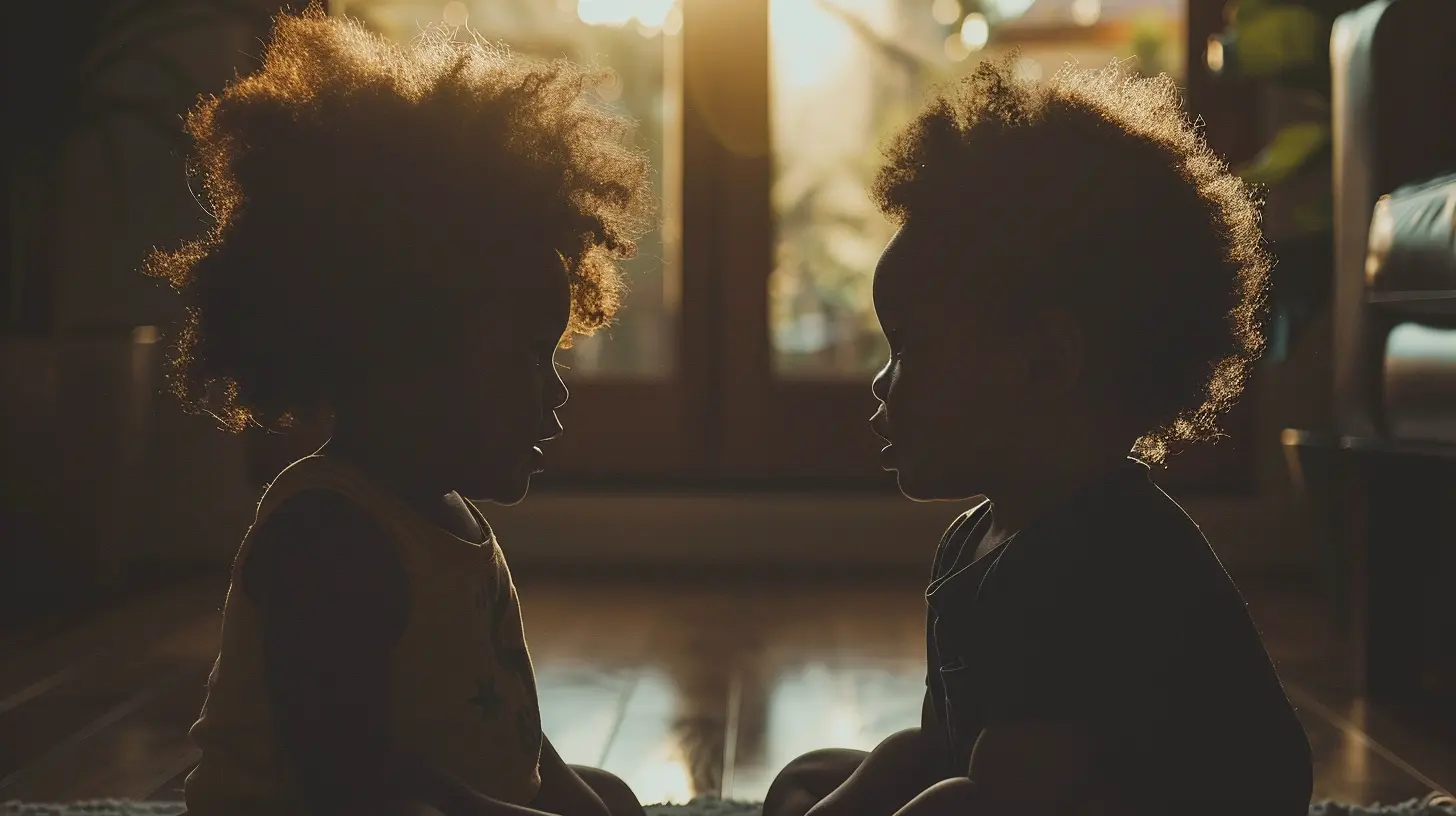
What If Conflict Becomes Harmful?
While a little healthy conflict is normal, physical aggression, ongoing bullying, or deep resentment needs to be addressed immediately. If one child is consistently being hurt or feeling unsafe, don’t brush it off as “normal sibling rivalry.”In these cases:
- Set firm consequences for harmful behavior.
- Talk to your kids separately to understand their perspectives.
- Seek outside help if needed—from a therapist, counselor, or parenting expert.
Final Thoughts: It’s a Long Game, Not an Overnight Fix
Let’s be real—sibling fights aren’t magically going to disappear no matter how many strategies you use. But what you CAN do is give your children the skills to handle conflict in a way that teaches them empathy, communication, and problem-solving.Over time, they’ll learn to manage their disagreements with less screaming and more solutions. And who knows? Maybe, just maybe, one day they'll look back and realize their sibling was their first best friend. Wouldn't that be worth the effort?
all images in this post were generated using AI tools
Category:
Sibling BondingAuthor:

Max Shaffer
Discussion
rate this article
2 comments
Idris Soto
Sibling conflicts can be tough to handle, but teaching kids how to resolve their differences is invaluable. It builds their communication skills and strengthens their bond in the long run.
July 5, 2026 at 4:18 AM
Max Shaffer
Absolutely, teaching kids conflict resolution not only enhances their communication skills but also fosters a stronger, more understanding relationship. It's a crucial life lesson.
Melina Hodge
It's inspiring to see parents seeking peaceful solutions for sibling conflicts. Every step you take to guide them through these disagreements is a valuable lesson in communication and understanding. Keep going!
June 9, 2026 at 2:33 AM
Max Shaffer
Thank you! I appreciate your support. Teaching siblings to communicate peacefully is so important.