Teaching Responsibility Through Chores in 2026
25 April 2026
Let’s be real for a moment: getting kids to do chores in 2026 feels a bit like trying to convince a cat to take a bath. You’ve got screens buzzing, virtual worlds calling, and a million distractions that make folding laundry seem about as exciting as watching paint dry. But here’s the thing—chores aren’t just about having a tidy house. They’re the secret sauce for raising responsible, resilient humans who can actually, you know, function in the real world.
I’m not talking about the old-school “clean your room or else” approach. That’s so 2019. In 2026, we’re parenting in an era of AI assistants, smart homes, and kids who can code before they can tie their shoes. So how do we weave responsibility into daily life without turning into drill sergeants? Grab a coffee (or tea, no judgment), and let’s dive into the art of teaching responsibility through chores in this wild, wonderful year.
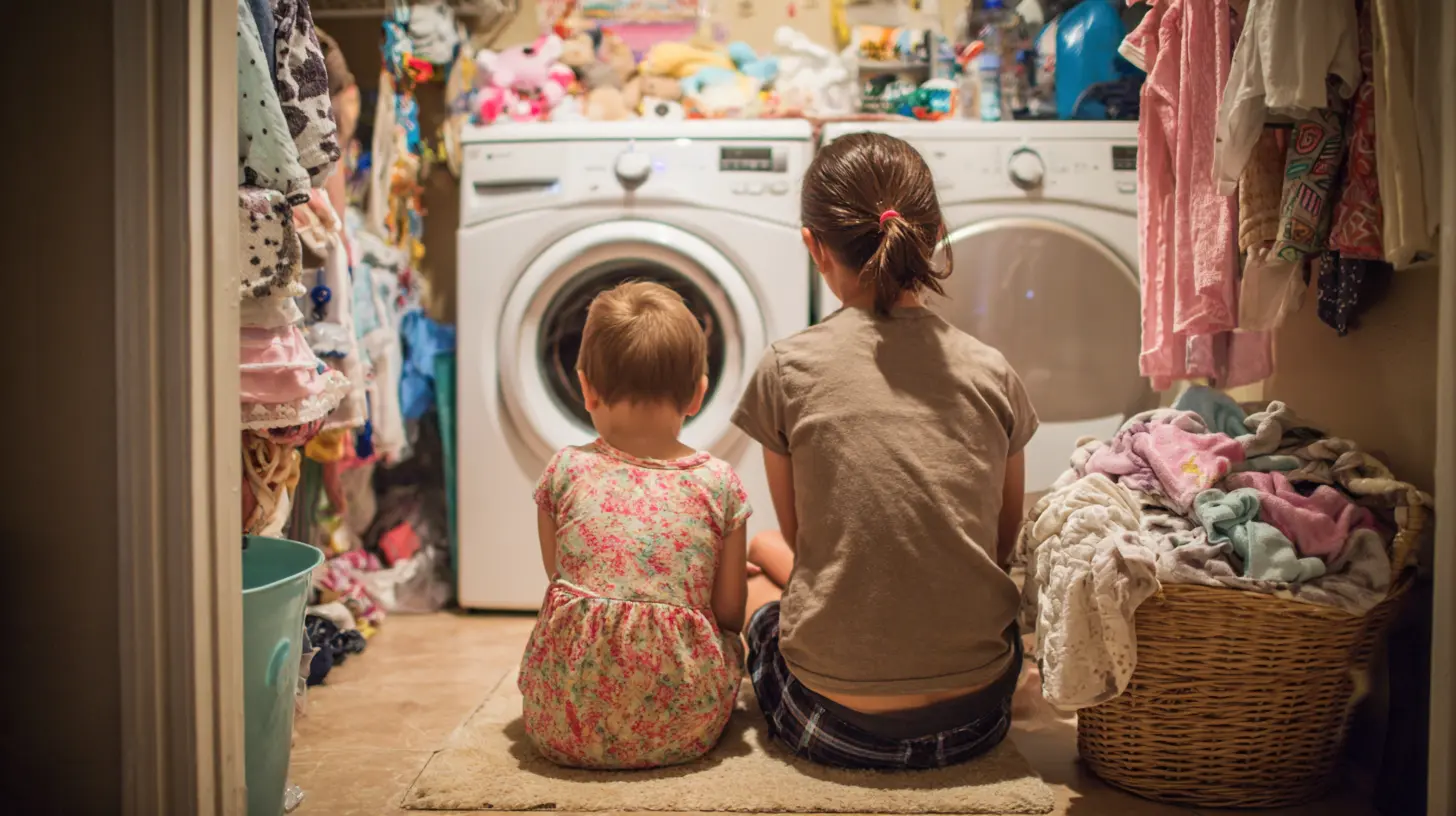
Why Chores Still Matter in a Hyper-Connected World
You might be thinking, “My kid can build a robot in Minecraft, but they can’t put their dishes in the sink. Does it even matter?” Yes, it does—more than ever. In a world where instant gratification is the norm, chores teach something that no app can: delayed gratification and grit. When a child wipes down the kitchen counter, they’re not just cleaning; they’re learning that effort produces results. It’s a tiny, tangible win in a sea of virtual achievements.Think of chores as the training wheels for adulthood. Without them, kids grow up expecting life to be handed to them on a silver platter—or, in 2026 terms, delivered by a drone. Responsibility isn’t innate; it’s built, brick by brick, through everyday tasks. And here’s the kicker: research still shows that kids who do chores have higher self-esteem, better problem-solving skills, and stronger relationships later in life. So, yes, sweeping the floor is actually brain food.
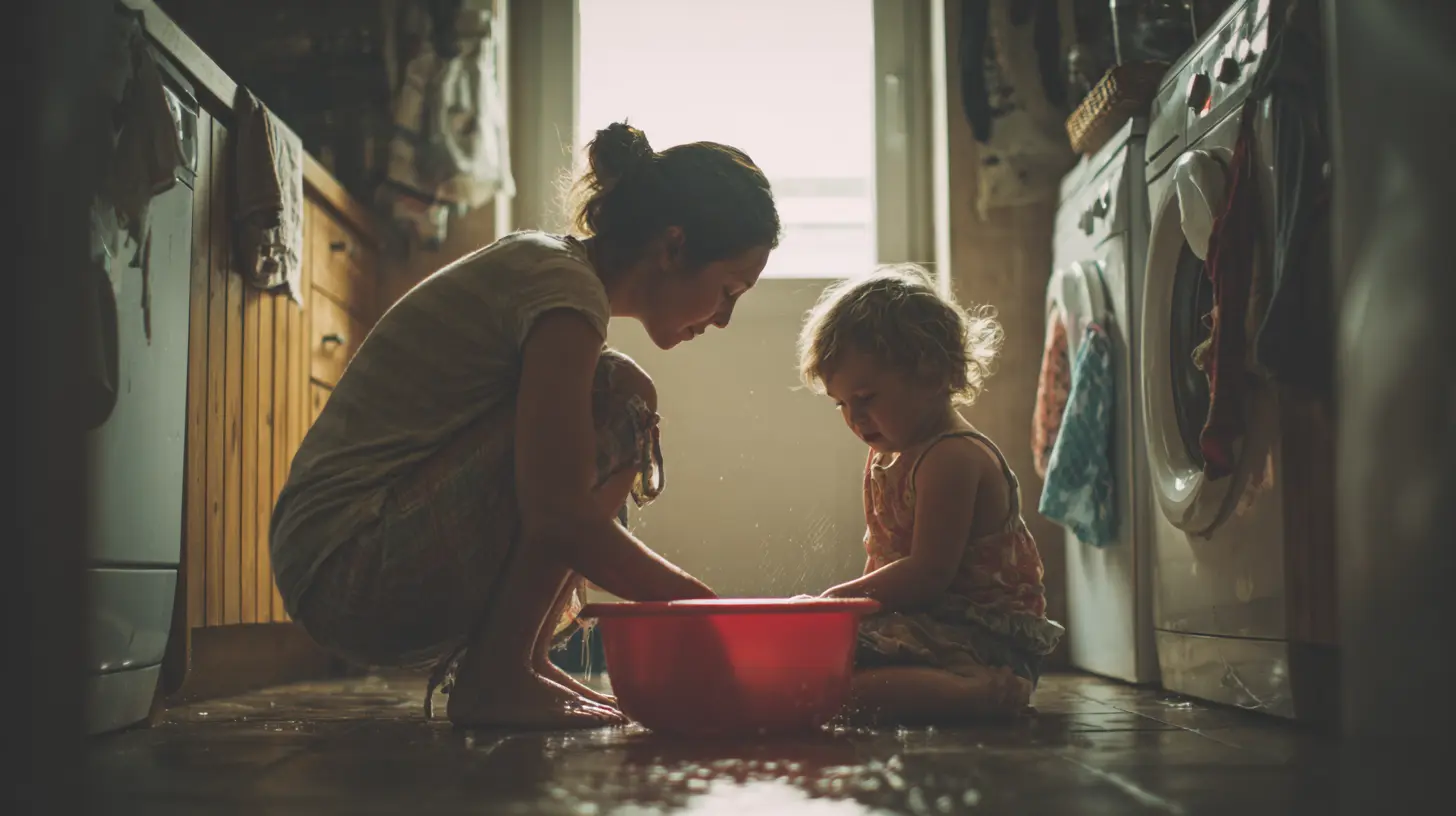
The 2026 Twist: Chores Meet Technology
Let’s address the elephant in the room: screens. In 2026, your kid’s digital life is as real as their physical one. So why not use that to your advantage? I’m not saying turn chores into a video game (though that can work), but think about integrating smart home tools. For example, a smart vacuum cleaner becomes a team effort—“We race the robot to see who picks up toys faster!” Or use a family app where kids check off tasks and earn screen time credits. It’s not bribery; it’s modern motivation.But here’s the catch: technology should be a helper, not a crutch. If a smart fridge orders groceries, your teen still needs to learn how to stock shelves. If a dishwasher loads itself (hey, we can dream), they still need to understand the cycle of cleanup. The goal isn’t to automate responsibility away; it’s to make the process less painful and more engaging. After all, nobody wants to fight a 10-year-old over a dust bunny.
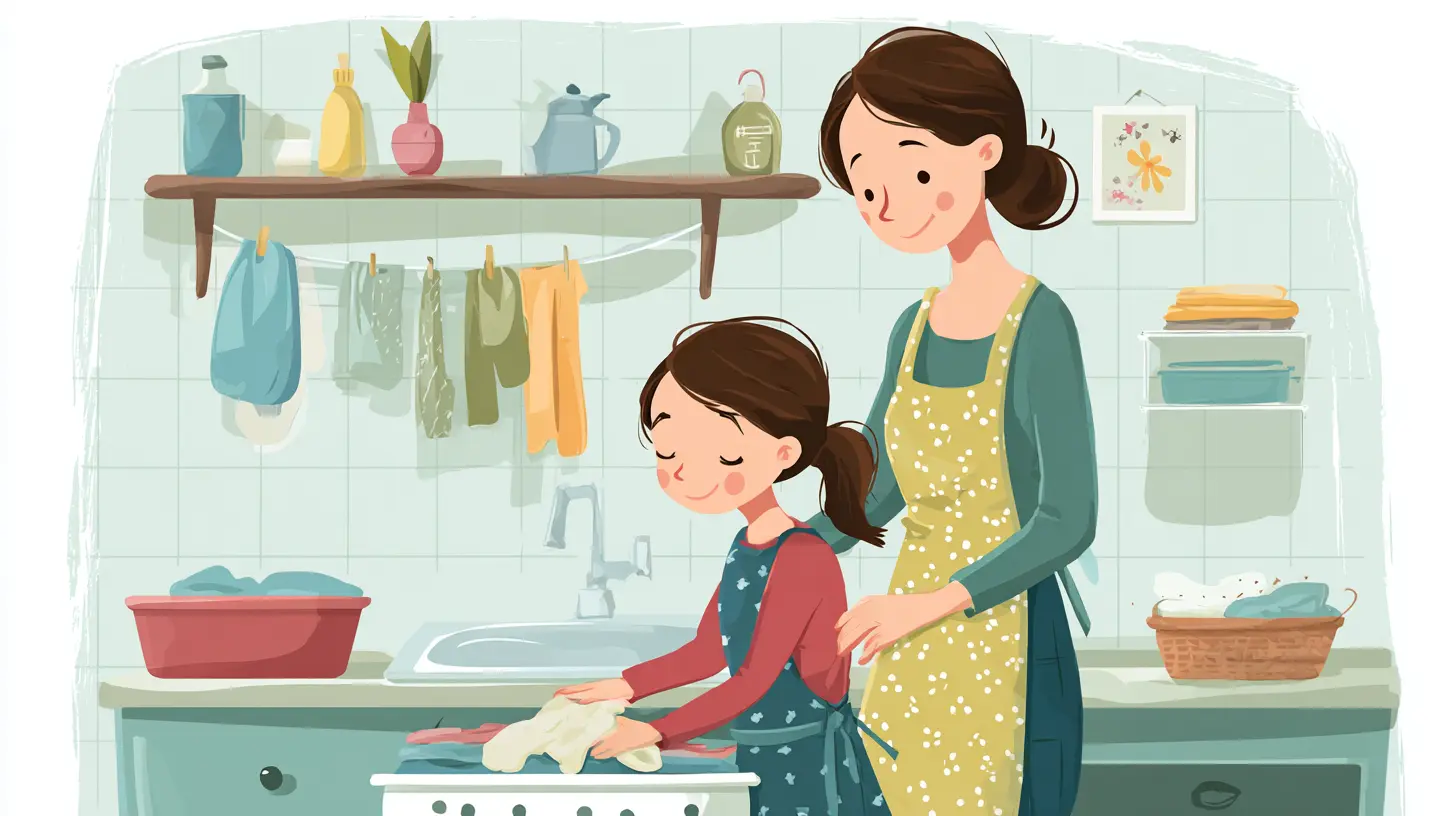
Age-Appropriate Chores: A Roadmap for 2026
One size does not fit all—especially when your 8-year-old has different capabilities than your 15-year-old. Let’s break it down by age group, keeping in mind that every child is unique. The key is to match the task to their developmental stage, not your desperation for a clean house.Toddlers (Ages 2-4): The “Helper” Phase
At this age, chores are about imitation and fun. Your toddler wants to do what you do—so let them. Give them a damp cloth to “wipe” the table (even if it’s just smearing jelly around). Let them put their toys in a bin while you sing a silly song. The goal isn’t perfection; it’s building the habit of participation. Think of it like planting a seed—you’re not expecting a full-grown tree, just the roots.2026 tip: Use voice-activated timers. “Alexa, set a 5-minute cleanup timer!” turns tidying into a game. Keep it short, sweet, and full of praise. “You put your block away! High five!” That’s the dopamine hit they need.
Elementary Kids (Ages 5-10): The “Ownership” Phase
Now we’re getting into real territory. Kids this age can handle simple, recurring tasks: making their bed, feeding a pet, sorting laundry, or setting the table. The trick is to make it routine, not a surprise. I like to use the “3-step rule”: explain, demonstrate, then supervise. For example, show them how to fold a towel once, then let them try—even if it looks like a crumpled origami project. Praise the effort, not the result.2026 tip: Create a visual chore chart using a tablet or a magnetic board. Let them earn “chore coins” that can be redeemed for extra screen time or a small treat. But avoid over-rewarding—the goal is to internalize responsibility, not just chase a prize.
Tweens (Ages 11-13): The “Independence” Phase
Tweens are caught between wanting freedom and not knowing how to handle it. This is the perfect age to introduce tasks that require planning: preparing a simple meal, doing their own laundry, or managing a weekly grocery list. Yes, you might end up with pink socks (because they forgot the color catcher), but that’s a lesson in consequences. Let them fail in safe ways.2026 tip: Use a shared calendar app for family tasks. When your tween sees that “clean the bathroom” is due Saturday, they start learning time management. Also, let them choose which chore they do—autonomy is a powerful motivator.
Teens (Ages 14-18): The “Life Prep” Phase
This is the big leagues. Teens should be handling tasks that mimic adult life: budgeting for a family dinner, deep-cleaning a room, or even managing a small home repair (with supervision). Think of it as a low-stakes simulation for the real world. If they can cook a balanced meal and budget for ingredients, they’re ahead of half the college freshmen out there.2026 tip: Introduce “life skill challenges.” For instance, have your teen plan and execute a weekend meal for the family—from grocery shopping to cleanup. Use apps like Splitwise to teach money management. And don’t be afraid to step back; let them struggle a bit. That’s where growth happens.
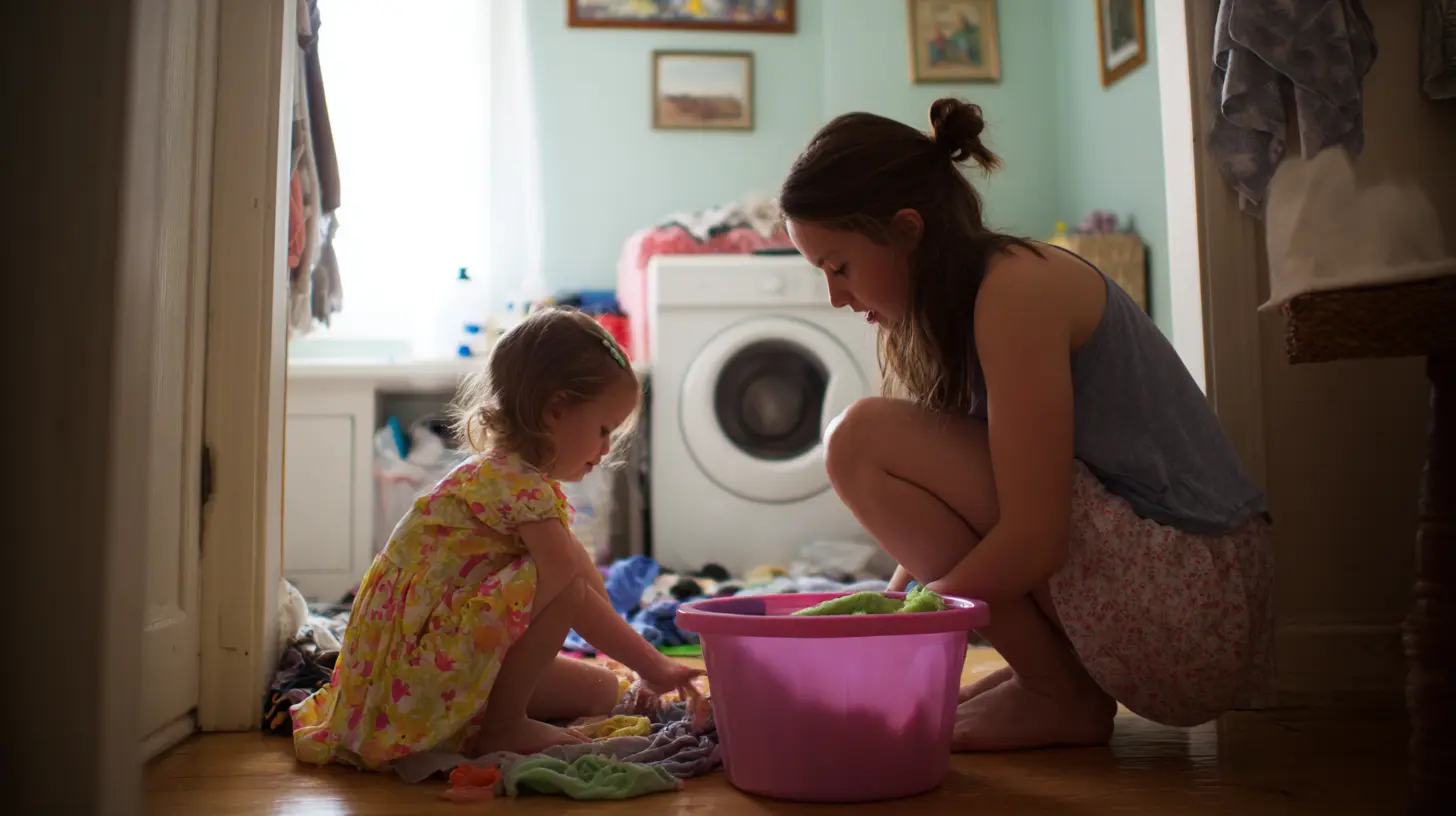
The Art of the “No-Fight” Chore System
Let’s be honest: chores often lead to battles. You nag, they ignore, you yell, they sulk. Sound familiar? In 2026, we’re done with that cycle. Here’s a secret: the fight isn’t about the chore itself; it’s about control. Kids want autonomy, and you want cleanliness. So, how do you bridge the gap?First, set clear expectations. Write down what needs to be done and when. Use a family meeting to agree on consequences for not doing chores—like losing a privilege, not punishment. For example, “If your room isn’t tidy by Sunday night, no gaming on Monday.” Be consistent, but fair.
Second, model the behavior. If you’re scrolling your phone while asking your kid to vacuum, you’re sending mixed signals. Chores are a family affair. Work alongside them sometimes. “Let’s tackle the kitchen together—I’ll wash, you dry.” It turns a task into connection time.
Third, use natural consequences. If your teen forgets to do laundry, they wear a wrinkled shirt to school. It’s not cruel; it’s real life. And trust me, they’ll remember next time. No lectures needed.
When Chores Feel Like a Battle: Practical Tips
I’ve been there. You’re exhausted from work, the dishes are piling up, and your child is staring at a tablet like it’s a lifeline. Here’s what works in 2026:- Start small. Don’t overhaul the entire chore system overnight. Pick one task, master it, then add another. Rome wasn’t built in a day, and neither is a responsible kid.
- Make it fun. Turn on music, set a timer, or make it a race. “Can you finish folding laundry before this song ends?” Suddenly, it’s a game.
- Use tech wisely. There are apps like “OurHome” or “ChoreMonster” that gamify tasks. Kids earn points, unlock rewards, and you get a cleaner house. Win-win.
- Praise effort, not outcome. “I love how you tried to organize the pantry” goes further than “You missed a spot.” Focus on the process, not the perfection.
The Emotional Side: Why Kids Resist (And How to Handle It)
Resistance isn’t laziness—it’s often fear or overwhelm. A child might avoid cleaning their room because they don’t know where to start. Or they might feel like chores are a punishment. In 2026, with anxiety rates higher than ever, we need to approach this with empathy.Ask, don’t demand. Instead of “Clean your room now,” try “What’s the hardest part about cleaning your room?” You might discover they’re overwhelmed by the mess. Then, break it down: “Let’s just pick up the trash first. We’ll do the rest later.”
Validate their feelings. “I know folding socks is boring. I don’t love it either. But we’re a team, and this helps our home run smoothly.” When kids feel heard, they’re more likely to cooperate.
Avoid power struggles. If your teen says “I’ll do it later,” agree on a specific time. “Okay, by 4 PM? If it’s not done, we’ll revisit the plan.” This gives them control within boundaries.
Chores as a Family Culture, Not a Chore List
Here’s the ultimate goal: chores shouldn’t feel like a transaction. Instead, they’re part of your family’s identity. In 2026, we’re moving away from “I do this, you give me that” and toward “We all contribute because we belong here.” It’s a subtle shift, but it changes everything.Start by talking about why chores matter. “We take care of our home because we love our home.” Use family meetings to decide tasks together. Let kids have a say in what they do—even if it’s “I want to be the one who waters the plants.” Ownership breeds pride.
Celebrate the wins. After a week of consistent chores, have a family movie night or a special dessert. It’s not a reward for cleaning; it’s a celebration of teamwork. And guess what? Over time, the chores become automatic. Your kid might even, gasp, volunteer to help without being asked. (Don’t hold your breath, but it happens.)
The Long Game: What Chores Teach Beyond 2026
When I look at my own kids, I realize that chores are about so much more than a tidy house. They’re teaching empathy (by contributing to the family), resilience (by doing hard things), and self-discipline (by completing tasks even when they’re boring). These are the skills that no AI can replace.In 2026, the world is changing fast. Jobs are evolving, technology is advancing, and the definition of “success” is shifting. But one thing remains constant: responsibility. Kids who learn to manage their time, take care of their space, and help others will thrive—whether they’re in a boardroom, a startup, or a remote village.
So, next time your kid grumbles about taking out the trash, remember: you’re not just assigning a task. You’re building a human. And that’s the most important job you’ll ever have.
Final Thoughts: You’ve Got This
Parenting in 2026 is no joke. Between screen time battles, school pressures, and your own endless to-do list, adding “chores” to the mix can feel overwhelming. But take a deep breath. You don’t have to be perfect. You just have to be consistent, kind, and willing to adapt.Start today. Pick one chore, one child, and one small step. Maybe it’s making the bed together. Maybe it’s letting your tween wash the car (badly). Whatever it is, celebrate the effort. And when it gets messy—because it will—remind yourself that you’re teaching responsibility, not just cleanliness.
After all, a little dust never hurt anyone. But a lack of responsibility? That’s a different story.
all images in this post were generated using AI tools
Category:
Parenting MilestonesAuthor:

Max Shaffer
Discussion
rate this article
2 comments
Coral Meyers
Ah, teaching responsibility through chores in 2026! Perfect timing—my kids are already experts at remote control maintenance and snack management. Maybe I'll start charging them rent for their room's 'luxury' digital gaming suite. Who knew parenting would turn into a side hustle?
April 27, 2026 at 3:40 PM
Max Shaffer
Sounds like you've got a solid plan! Turning chores into life skills is the way to go. And hey, a little rent never hurt... might even motivate them more!
Grayson Rogers
Such valuable insights! Teaching responsibility through chores prepares our kids for a brighter future!
April 26, 2026 at 3:21 AM
Max Shaffer
Thank you! I'm glad you found the insights valuable. Teaching responsibility is crucial for kids' growth.