Smart Home Technology and Childproofing: How to Integrate Safety Features
11 July 2026
Welcome to the era of smart homes — where lights, locks, sensors, and even your coffee machine are smarter than ever. But if you’re a parent, your first thought isn’t how convenient it is. Nope. It's all about safety. So, how can this snazzy smart home technology help you childproof your home? After all, curious little fingers will press buttons, open cabinets, and climb things just because they can.
Let’s dig deep and unpack how smart home tech can integrate seamlessly with childproofing — because tech isn’t just for making life easier; it should also make it safer.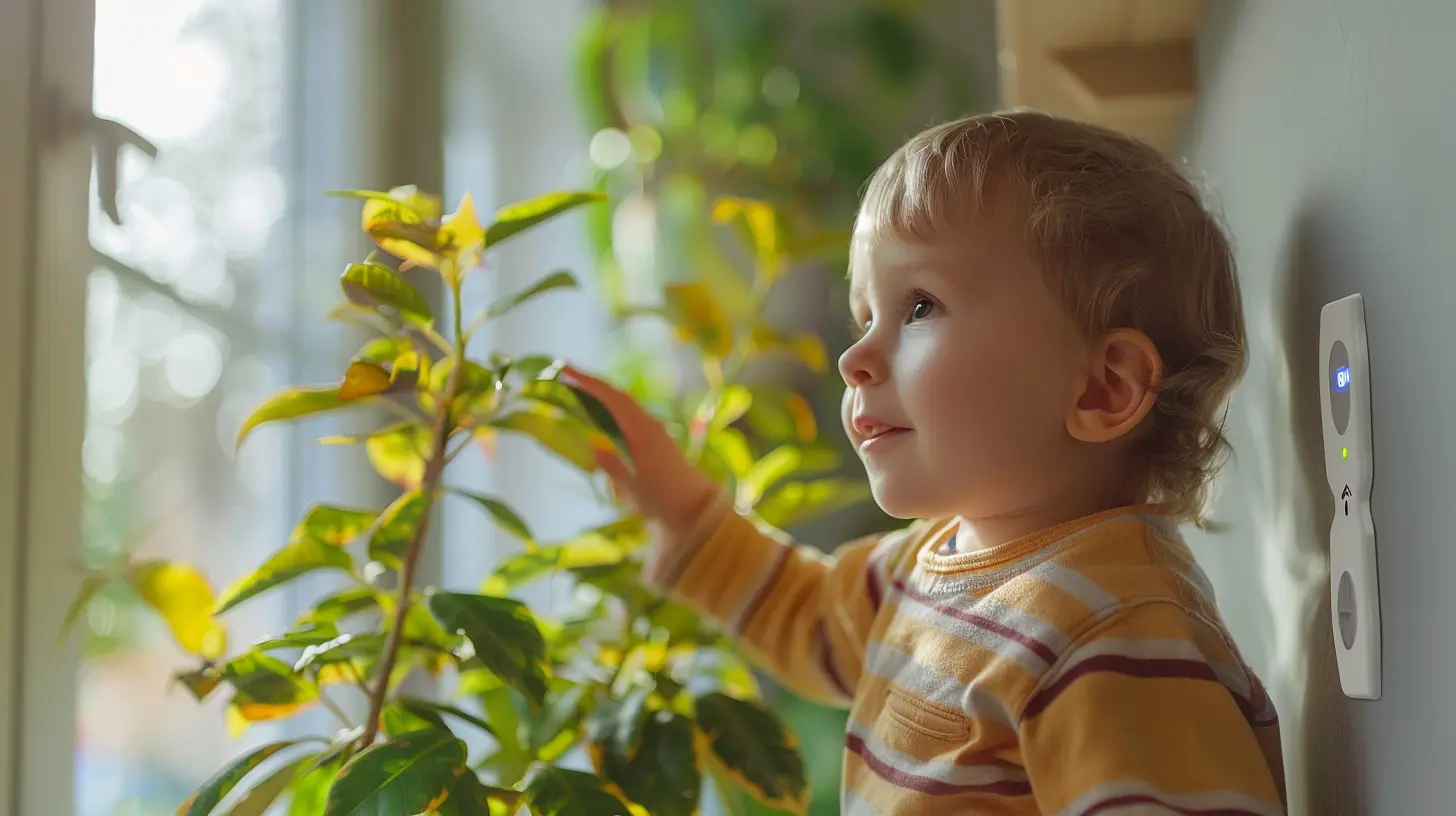
Why Traditional Childproofing Isn't Enough Anymore
Let’s be real — the outlet covers, cabinet locks, and baby gates have their place. They’re the basics. But let’s face it, kids today are growing up swiping before they’re walking. They navigate iPads like pros. So traditional childproofing methods, while helpful, often fall short.Smart homes present both risks and opportunities for families with young children. If used wisely, they become your extra set of eyes and ears—your virtual “second parent” helping you supervise and protect.
What Is a Smart Home?
Before we dive into childproofing, let’s quickly go over what makes a home “smart”. A smart home uses devices like voice assistants (think Alexa or Google Home), sensors, cameras, locks, appliances, and even thermostats that connect to the internet. The big win? You can control all this stuff remotely—from your phone, tablet, or voice command.Now, the question on your mind: can all this tech keep your little one safer?
Yes. Absolutely. And here's how.
Integrating Smart Home Technology With Childproofing: Key Areas to Focus On
1. Smart Locks & Door Sensors: Kid-Proof Your Exits
One of the biggest worries for parents? Your toddler quietly slipping outside when you’re not looking.Enter smart locks.
With smart locks, you can control access to your home (or even just certain rooms). You can:
- Automatically lock doors after a certain time.
- Get notified when doors open or close.
- Remotely lock/unlock via your phone.
- Create user codes (or disable them!) for babysitters or grandparents.
Add in door and window sensors, and you’ll get real-time alerts whenever someone tries to sneak out of the house—or in. It’s like a digital security guard that never takes a break.
2. Video Doorbells: Know Who’s at the Door (Before They Ring)
Ever had your toddler run toward the door when someone knocks?A video doorbell is a game-changer:
- See in real-time who’s at the door.
- Speak to visitors using two-way audio (without opening anything).
- Review footage if something seems off.
And for next-level parenting? Combine this with geofencing. Your system will notify you when someone approaches your property — even before they hit the doorbell.
3. Smart Security Cameras: Keep an Eye Without Being Obvious
Security cameras aren’t just for catching intruders. They’re excellent for monitoring your child’s activities inside and outside the home.Here’s how parents are using them:
- Checking in on sleeping babies while you’re in the kitchen.
- Watching over the kids in the playroom while you work.
- Making sure big brother isn’t “sharing” toys too aggressively.
Look for features like motion detection, two-way audio, and mobile notifications. Don’t forget indoor and outdoor placement—because the backyard deserves just as much attention as the living room.
4. Smart Plugs & Outlets: Shut Things Down Automatically
We’ve all said it: “Don’t touch that!”But what if you didn’t have to say it 47 times?
Plug-in devices like kettles, heaters, toasters, and TVs can be dangerous. A smart plug lets you control when they’re on or off—even if you’re not home.
You can:
- Turn off devices remotely.
- Set schedules (e.g., no microwave access after dinner).
- Limit power use to reduce fire hazards.
Bonus? Some smart plugs even alert you if something’s left on for too long. It’s like having a tech-savvy babysitter keeping tabs.
5. Voice Assistants (Alexa, Google Assistant): Use Responsibly
Voice assistants are super helpful — but like any tool, they require boundaries when children are around.Here’s how to make them safer:
- Enable voice purchase protection so your toddler doesn’t accidentally order 10 pounds of marshmallows.
- Create routines that control lights, locks, and more at once (e.g., a “bedtime” routine that dims the lights and plays lullabies).
- Restrict access to inappropriate content or limit functionality during certain hours.
While fun, voice assistants can be a gateway to the web, so lock down settings just like you baby-proof drawers.
6. Smart Lighting: Keep the Nighttime Adventures Safe
Every parent knows — kids LOVE to get up at night. Whether it's a bathroom trip or a midnight snack mission, smart lighting can guide them safely.Here’s how:
- Use motion-activated lights in hallways and bathrooms.
- Set up low-level night lights that won’t fully wake them up.
- Schedule bedroom lights to dim automatically at bedtime.
No more stubbed toes or crying over the dark. Let the lights do the parenting (just a little bit).
7. Smart Thermostats: Prevent Overheating or Chilly Rooms
Temperature matters—especially for infants and toddlers. A smart thermostat helps maintain a consistent temperature that's just right.You can:
- Control the temp remotely.
- Set zones so bedrooms are cozy at night.
- Track usage and get alerted if things go out of the comfort range.
Some thermostats even learn your habits and adjust accordingly. It’s like having a climate-conscious nanny.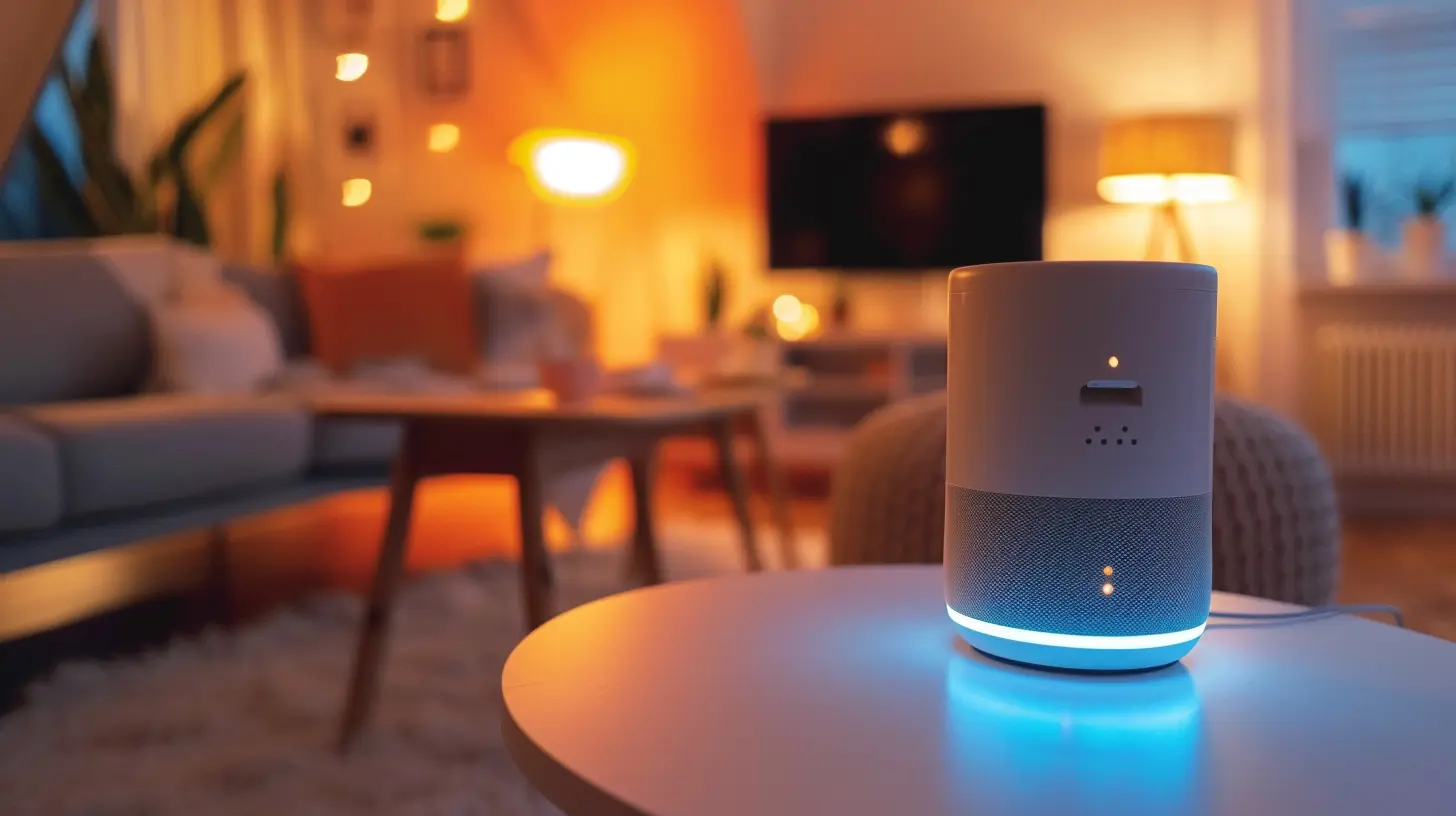
Real-Life Situations Where Smart Tech Saved the Day
Let’s talk scenarios, because theory is nice but stories stick.- A mom in Denver used her smart door sensor to catch her toddler sneaking out to "visit the dog" at 5 AM.
- A dad in New Jersey got a notification when his daughter tried to turn on the stove via a plugged-in switch. Crisis averted — thanks to smart plugs.
- A parent in Florida relied on their playroom camera to intervene when their twins were climbing furniture during nap time.
These aren’t just gimmicks—they’re safeguards.
Are There Risks? Let’s Talk Honestly
Now, smart home tech isn’t perfect. Like anything connected to the internet, there are privacy concerns. Hackers exist, and poorly secured devices can be a risk.Here’s what you, as a parent, can do:
- Use strong passwords and enable two-factor authentication.
- Buy from trusted brands with good security histories.
- Regularly update firmware and apps.
- Limit sharing permissions.
Yes, smart tech can be hacked. But the more you secure it, the less likely it’ll happen.
How to Start: Baby Steps Into the Smart Home World
Feeling overwhelmed? Don’t worry — you don’t need to tech-out your whole house overnight.Here’s a simple roadmap:
1. List your top 3 childproofing concerns. Maybe it’s doors, outlets, and nighttime wandering.
2. Choose ONE smart solution to start with — maybe a smart plug or door sensor.
3. Test it. See how it fits into your daily routine.
4. Expand slowly, based on what works.
It’s not about having a robot house. It’s about making your home safer one smart decision at a time.
Bonus Tips: Make It Fun for the Kids Too
Want your child to embrace your smart home without turning it into a game of “what can I mess with”?✅ Give them a job — let them say "Goodnight" to Alexa to start the bedtime routine.
✅ Turn on “child mode” options where possible.
✅ Set boundaries and explain rules just like you would with any other tool.
It’s not about shielding them from tech. It’s about guiding them to use it wisely.
Final Thoughts
Smart home technology and childproofing aren’t enemies—they’re allies. When used thoughtfully, smart devices offer proactive safety, real-time alerts, and peace of mind that traditional methods simply can't match. From door sensors to voice assistants, there's a whole world of innovation ready to jump in and help you parent smarter—not harder.So, whether you’re a tech-loving parent or someone just dipping their toes in, remember: you don't need to automate everything. Just start with what matters most, keep your eyes open, and let technology do a little of the heavy lifting.
all images in this post were generated using AI tools
Category:
ChildproofingAuthor:

Max Shaffer
Discussion
rate this article
1 comments
Meagan Roth
Great tips! Smart tech makes childproofing easier and keeps our little ones safe.
July 29, 2026 at 4:51 AM
Max Shaffer
Thanks for your feedback! I'm glad you found the tips helpful. Keeping our kids safe is so important.