How to Encourage Healthy Competition, Not Rivalry, Between Siblings
10 April 2026
Let’s be honest—parenting siblings can feel like juggling fireworks and water balloons at the same time. One second they’re laughing together, and the next? Total chaos over who got more juice. We’ve all been there. And when it comes to competition, it can either be a huge motivator or a total relationship wrecker.
So how do we, as parents, strike that oh-so-tricky balance between encouraging our kids to push each other to be their best without turning every moment into a battle? Let’s break it down and chat about real, practical ways to fuel healthy competition and keep that ugly rivalry monster at bay.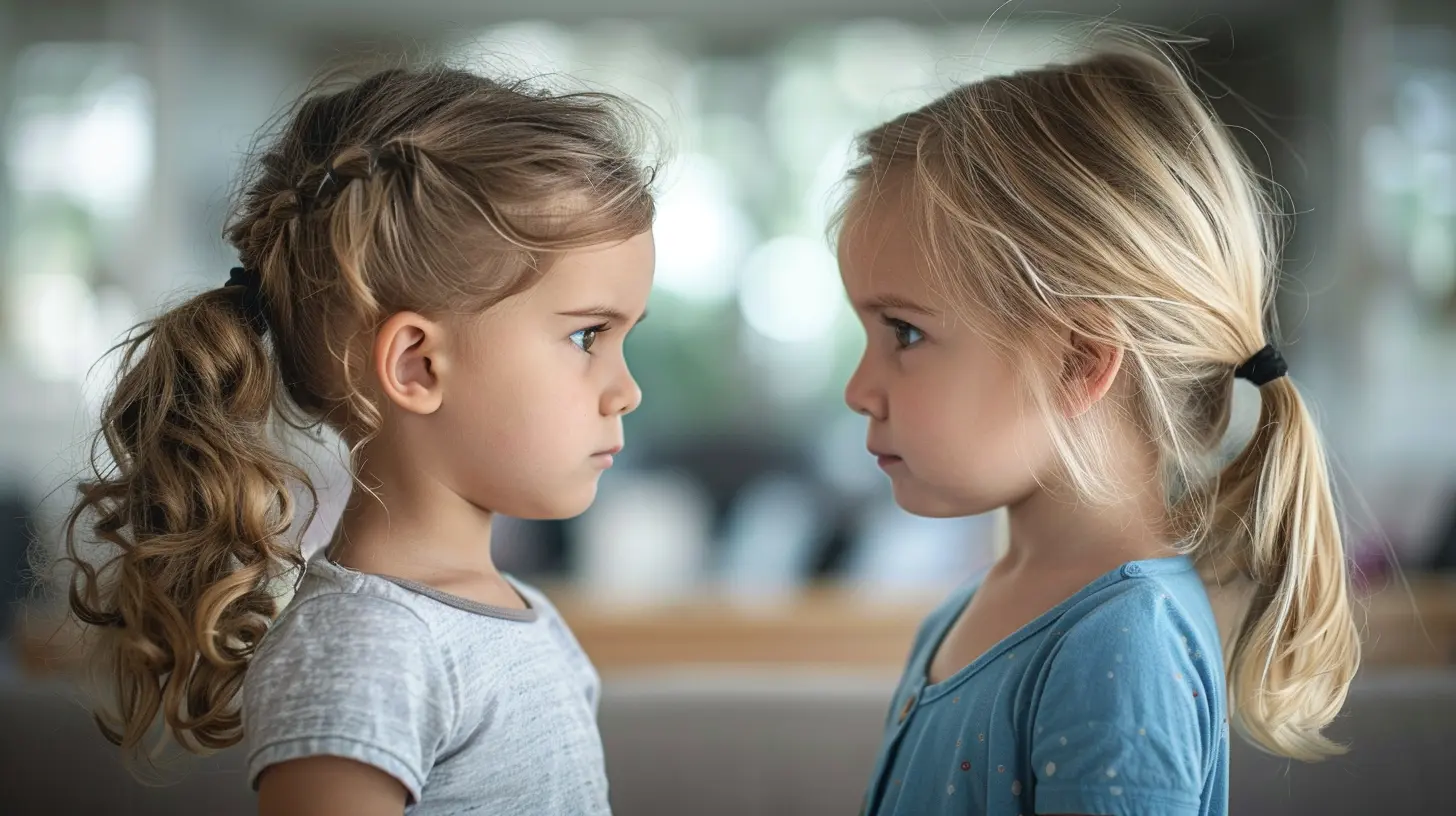
Understanding the Fine Line Between Healthy Competition and Rivalry
Before we dive in, let’s clarify what we're actually talking about.Healthy competition is when kids push each other in positive ways. It builds motivation, confidence, and even teamwork. Think of it like a friendly race where both kids try to win, but high-five regardless of who finishes first.
Rivalry, on the other hand, is often driven by jealousy, comparison, and the need to outshine. It’s the kind of tension that can stick around for years if not handled early.
Recognizing the difference is super important. It’s not about preventing competition altogether—it’s about guiding it in the right direction.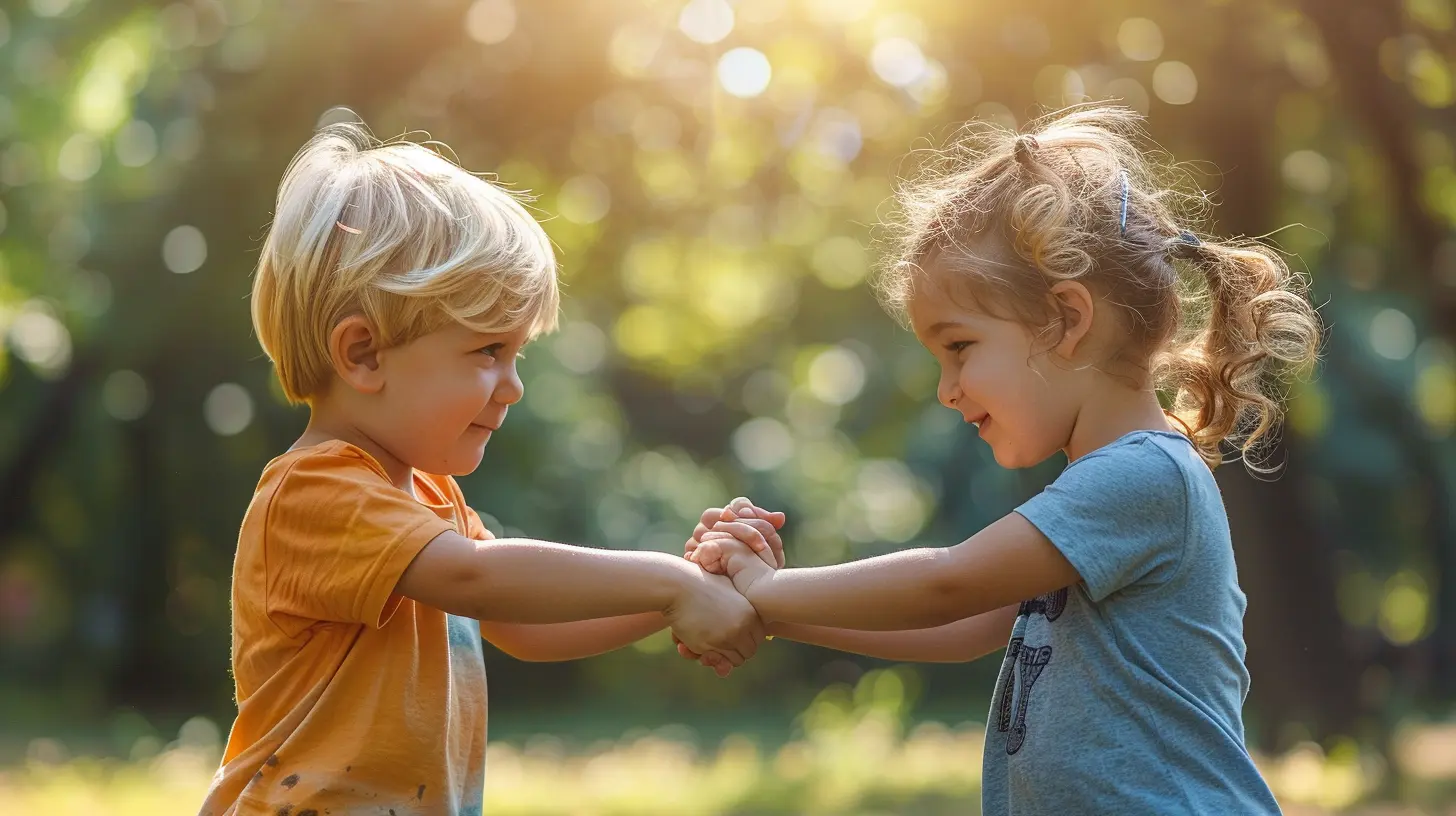
Why Sibling Rivalry Happens (And It’s Not Always What You Think)
Sibling rivalry isn't always just about kids trying to one-up each other. Sure, sometimes it’s about who runs faster or who gets the window seat, but it can also stem from deeper stuff like:- Comparison and favoritism (even if it’s unintentional)
- Age gaps or similar developmental stages
- A desire for affirmation and attention
- Different personalities or temperaments
- Unresolved feelings like jealousy or insecurity
See, rivalry bubbles up when kids feel like they’re in a contest for your love, attention, or approval. That’s why even subtle differences in how we respond to our kids can dramatically affect how they feel—and how they treat their siblings.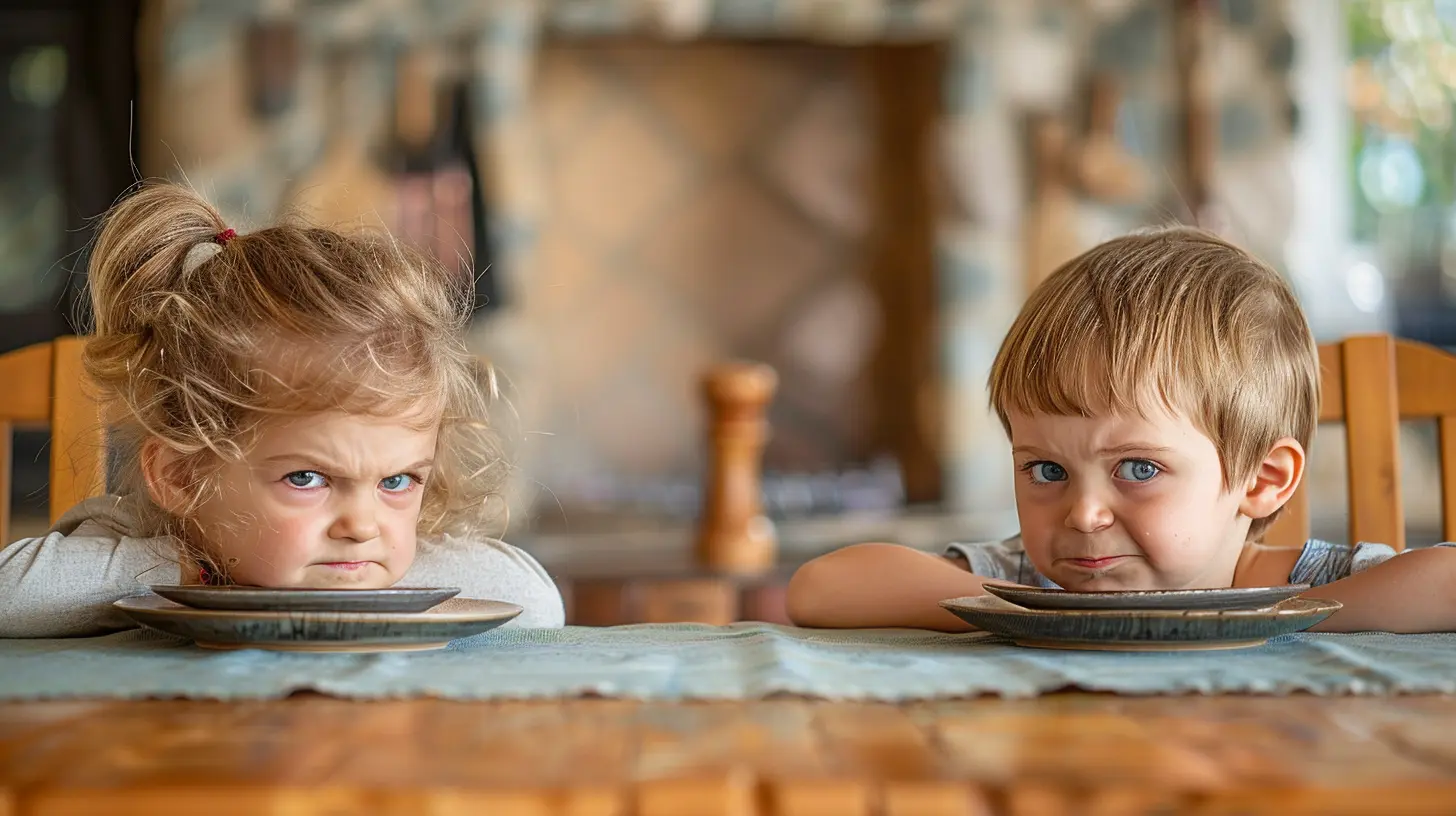
1. Stop Comparing—Even the Little Stuff
This one’s a biggie. Even innocent comments like “Why can’t you keep your room clean like your sister?” can sting and stick around in your child’s head way longer than you’d expect.It sends the message that love and approval are conditional, and that one sibling is somehow “better.” Ouch, right?
Instead? Focus on individual strengths. Try lines like:
- “I love how creative your drawing is.”
- “You have such a kind heart.”
- “You really figured that out like a problem-solving pro!”
This shifts the focus from sibling-versus-sibling to self-improvement. It lifts up each child for who they are, not how they measure up to someone else.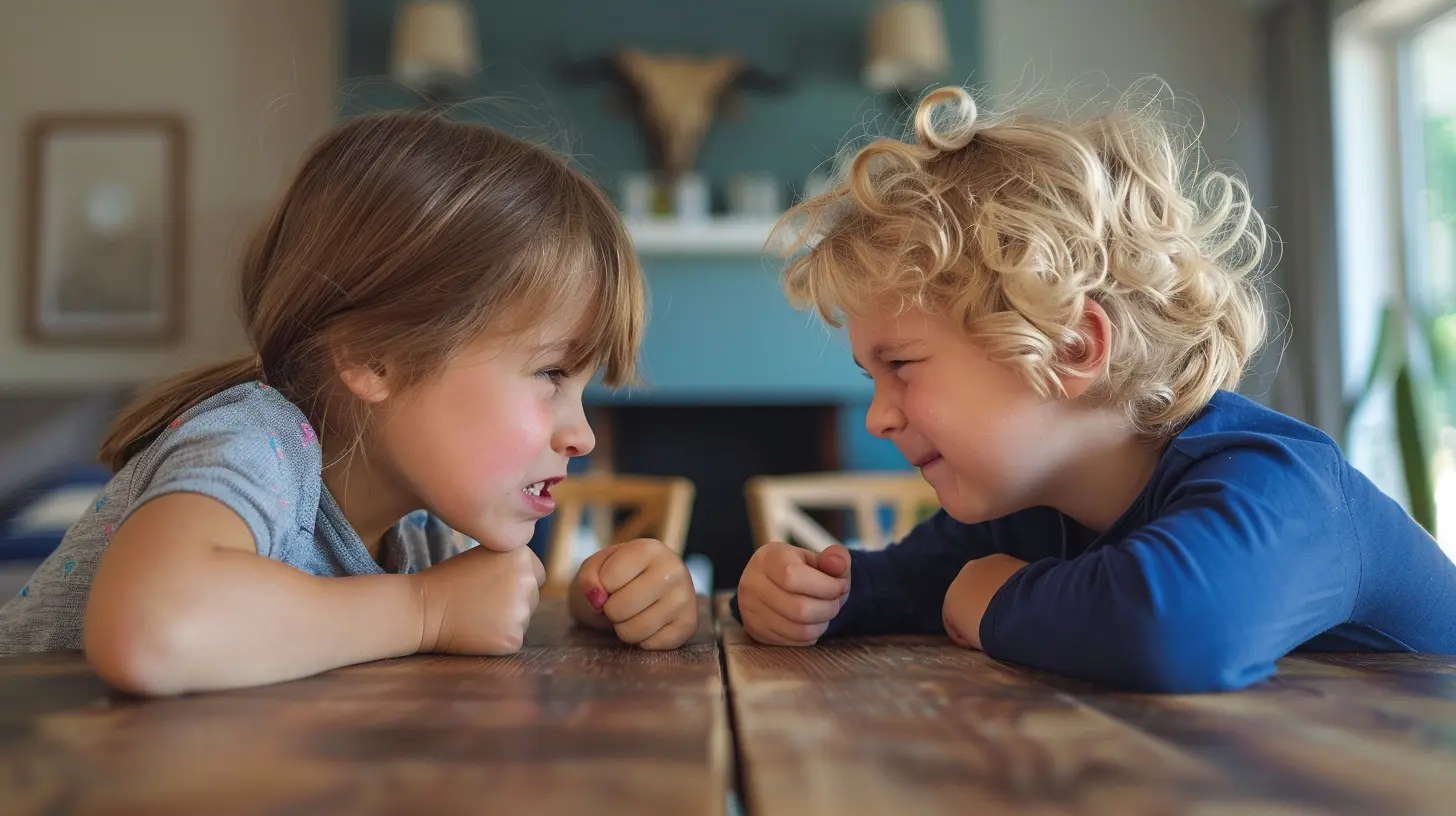
2. Celebrate Effort Over Outcome
Let’s face it—life isn’t just about winning. What we really want is for our kids to learn to enjoy the process of trying hard and getting better.So instead of always celebrating achievements like the highest grade or the fastest time, celebrate progress and perseverance. Say things like:
- “You worked so hard on that project—what part did you enjoy the most?”
- “I noticed you practiced that song for days. I’m proud of your dedication!”
This way, they grow up associating success with effort, not comparison. And that mindset can shift how they view challenges in general.
3. Encourage Teamwork Instead of Solo Victories
Want to stop the rivalry before it starts? Get your kids on the same team. Literally.Assign joint responsibilities, like:
- Planning dinner together
- Taking care of a pet
- Building a blanket fort (a classic!)
When they work together toward a shared goal, they develop mutual respect. They learn each other’s strengths and how to lean on one another. Plus, they start seeing each other more as allies and less as opponents.
And hey, the occasional sibling squabble during teamwork? Totally normal—and still a teachable moment.
4. Praise Each Child Uniquely (Yes, Even If It's For the Same Task)
Let’s say both kids brought home excellent report cards. It’s tempting to hand out identical praises like Oprah giving away cars: “You’re both so smart!”But different strokes for different folks, right?
Instead of blanket praise, try something more personal:
- “You really pushed yourself in math. I know that chapter was tough!”
- “Your writing in your essay really showed your creativity!”
It reminds them they’re individuals, and it steers the focus away from direct comparison.
5. Create Opportunities for Each Child to Shine
Every kid has their own "thing." Some love sports, others are into art, music, coding, baking—whatever it may be.Give each child the space (and support) to explore their unique strengths, even if it means having different hobbies or activities. It sends the message that your family doesn’t have just one definition of success.
When each child feels valued in their own lane, they’re less likely to compete in someone else’s.
6. Teach Conflict Resolution (Not Just “Say Sorry”)
Let’s be real: “Say sorry” on its own doesn’t teach much.When conflicts arise (and they will), use them as moments to teach, not just solve. Walk your kids through it:
- What happened?
- How did it make you feel?
- What could you do differently next time?
These conversations help kids develop empathy and learn how to handle tension when it comes up—which, by the way, is a skill they’ll use for life.
7. Be a Role Model of Healthy Competition
Kids are watching you like a hawk. How you handle competition—even friendly games, sports, or disagreements—sends a message.If you react poorly to losing or constantly compare yourself with others, they’ll learn to do the same. On the flip side, show them how to:
- Congratulate others sincerely
- Focus on personal growth
- Be a gracious winner (and loser)
If it feels like a tall order, that’s okay. Even just talking through your feelings out loud—“I lost, and I feel bummed, but I’m proud of how I played”—can be a powerful teaching moment.
8. Carve Out One-on-One Time
This tip is pure gold. Kids act out and compete when they feel unseen. Spending solo time with each child—just 15-30 minutes a day or even weekly—can do wonders for their emotional bank account.It doesn't have to be elaborate. A walk around the block. A board game. Folding laundry together (with jokes included).
The goal? To make them feel valued just for being. Not for being better than their sibling.
9. Use Words That Build, Not Burn
Let’s be mindful of the language we use. Labeling kids as "the smart one,” “the athletic one,” or the “troublemaker” boxes them in and can create a sense of competition or resentment.Instead, describe behaviors, not identities:
- “You put in a lot of thought into your answer.”
- “You worked so hard on that goal!”
Labels stick. But so do encouraging words—and those are the ones we want echoing in their heads.
10. Reinforce That Love Isn’t a Limited Resource
Kids sometimes think love is like a pie—if their sibling gets a big slice, there’s less left for them.But that’s not how love works. And it's up to us to show them that.
Say things like:
- “I love you because you’re you—not because you do more or less than your brother.”
- “My heart has enough room for both of you, always.”
Make affection plentiful. Hugs, notes, bedtime chats, and all the little moments? They matter more than we think.
Wrapping It Up: It’s a Marathon, Not a Race
At the end of the day, building healthy sibling dynamics isn’t a one-time task. It’s an ongoing journey that takes patience, consistency, and a whole lot of heart.Encouraging healthy competition—without feeding rivalry—is totally doable. It’s not about trying to control every squabble or eliminate all the conflict. (Spoiler alert: you can’t.) It’s about giving your kids the tools, language, and emotional support to grow together, not apart.
And when they support each other at their best and even at their worst? That’s the kind of sibling bond that can last a lifetime.
So go ahead—cheer them on. Encourage the hustle. But let’s also build bridges between our kiddos, not walls.
Because in the end? They’re not just siblings. They’re teammates in life.
all images in this post were generated using AI tools
Category:
Sibling BondingAuthor:

Max Shaffer
Discussion
rate this article
2 comments
Zander McFarland
This article provides valuable insights on fostering healthy competition among siblings. Encouraging collaboration while celebrating individual achievements can transform rivalry into motivation. I've found that emphasizing teamwork and shared goals has helped my kids support each other while still striving for personal success. Great read!
April 17, 2026 at 5:06 PM
Max Shaffer
I'm glad you found the article helpful! It's great to hear how emphasizing teamwork has made a positive impact on your kids' relationships. Thanks for sharing your experience!
Silas Mendoza
Encouraging healthy competition among siblings is about fostering an environment where they celebrate each other's strengths rather than comparing shortcomings. By emphasizing collaboration over comparison, we can nurture their individuality and resilience, teaching them that true growth often springs from mutual support and shared achievements, not rivalry.
April 10, 2026 at 4:03 AM
Max Shaffer
Thank you for your insightful comment! Promoting collaboration and mutual support among siblings is indeed key to fostering healthy competition and nurturing their individual strengths.