Preparing Your Home for the Toddler Years in 2027
5 September 2026
The transition from baby to toddler is one of the most thrilling and exhausting shifts in family life. One minute you are adjusting to a sleeping schedule, and the next, you are chasing a determined little person who has just figured out how to open the kitchen drawer where you keep the wooden spoons. As we look toward 2027, the way we prepare our homes must account for a new reality: smart homes are standard, sustainability is a priority, and our children are growing up in a world where the physical and digital are deeply intertwined.
This guide is not about buying the most expensive gadgets or turning your living room into a padded cell. It is about creating an environment that fosters independence, ensures safety without constant surveillance, and remains a calm sanctuary for the adults who live there too. The goal is to design a space that works with your toddler's developmental drive, not against it.
The 2027 Home Philosophy: Less Restriction, More Facilitation
The biggest mistake parents make is approaching toddler-proofing as a series of locks and barriers. We tend to see the home as a minefield of dangers, and our job as bomb disposal experts. This creates a stressful environment for everyone. The toddler's job is to explore, test limits, and practice new motor skills. If your home is a series of "nos," you will spend your days fighting a natural, healthy instinct.The 2027 approach flips this script. Instead of asking "How do I keep my child out of this space?" you should ask, "How can I make this space appropriate for my child?" This is the difference between restriction and facilitation.
The "Yes" Space Concept
Create dedicated zones where the answer is always "yes." This does not mean a single playpen in the corner. It means transforming a significant portion of your main living area into a toddler-friendly landscape. In this zone, everything is accessible. Books are on low shelves with covers facing out. Toys are organized in open bins that are light enough for a two-year-old to carry. Art supplies are within reach on a low table.
In 2027, we are seeing a move away from primary-colored plastic. The trend is toward "natural play." This means wooden blocks, silk scarves for dress-up, and stackable metal pots. These materials are not just aesthetically pleasing; they offer richer sensory feedback. A plastic toy that beeps does one thing. A set of wooden bowls can be a drum, a hat, a nesting toy, or a car garage. By curating a "yes" space with open-ended materials, you reduce the need for constant redirection.
The Reality of the "No" Space
You cannot make the entire house a "yes" space. The kitchen stove, the home office with its wiring, and the bathroom are non-negotiable. The key is to make these boundaries clear and consistent, not through physical punishment, but through clever design and routine.
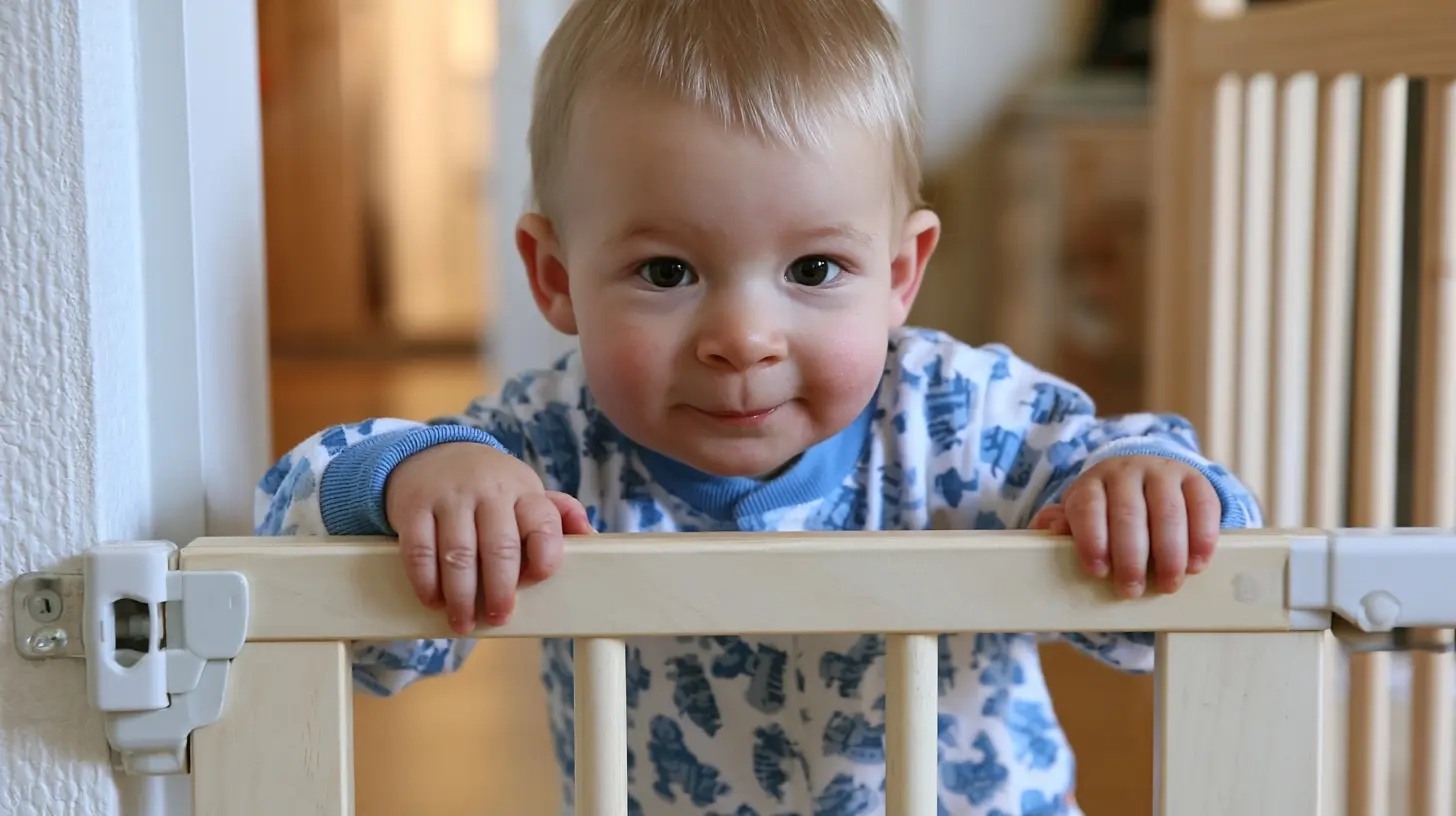
For example, instead of a flimsy baby gate that you trip over, consider a permanent or semi-permanent solution. In 2027, we are seeing more homes built or renovated with "pocket doors" that slide into the wall to close off a kitchen or office. If that is not in the budget, a high-quality, hardware-mounted gate that swings open like a door is a worthwhile investment. It signals to the child that this is a door, not a barrier to be climbed.
Smart Safety: The Double-Edged Sword of the Connected Home
By 2027, most new homes have some level of smart technology. Smart speakers, cameras, and automated locks are common. This presents a unique challenge for toddler safety. While technology can offer peace of mind, it can also create a false sense of security and introduce new hazards.Cameras and Monitors: Helpful, Not a Substitute
Video monitors are excellent for naptime and nighttime checks. The new generation of monitors offers high-resolution video and even breathing monitoring. However, the temptation to check the monitor constantly while your toddler is playing independently in the next room is a trap. It becomes a pacifier for the parent, not the child. A toddler needs to know you are nearby, not just that a camera is watching.
The 2027 best practice is to use monitors for sleep and for moments when the child is in a truly separate, safe space, like a fenced backyard. For general playtime in the living room, the monitor should be off. Your physical presence, even if you are folding laundry across the room, is the most powerful tool for building secure attachment.
The Hidden Hazards of Smart Devices
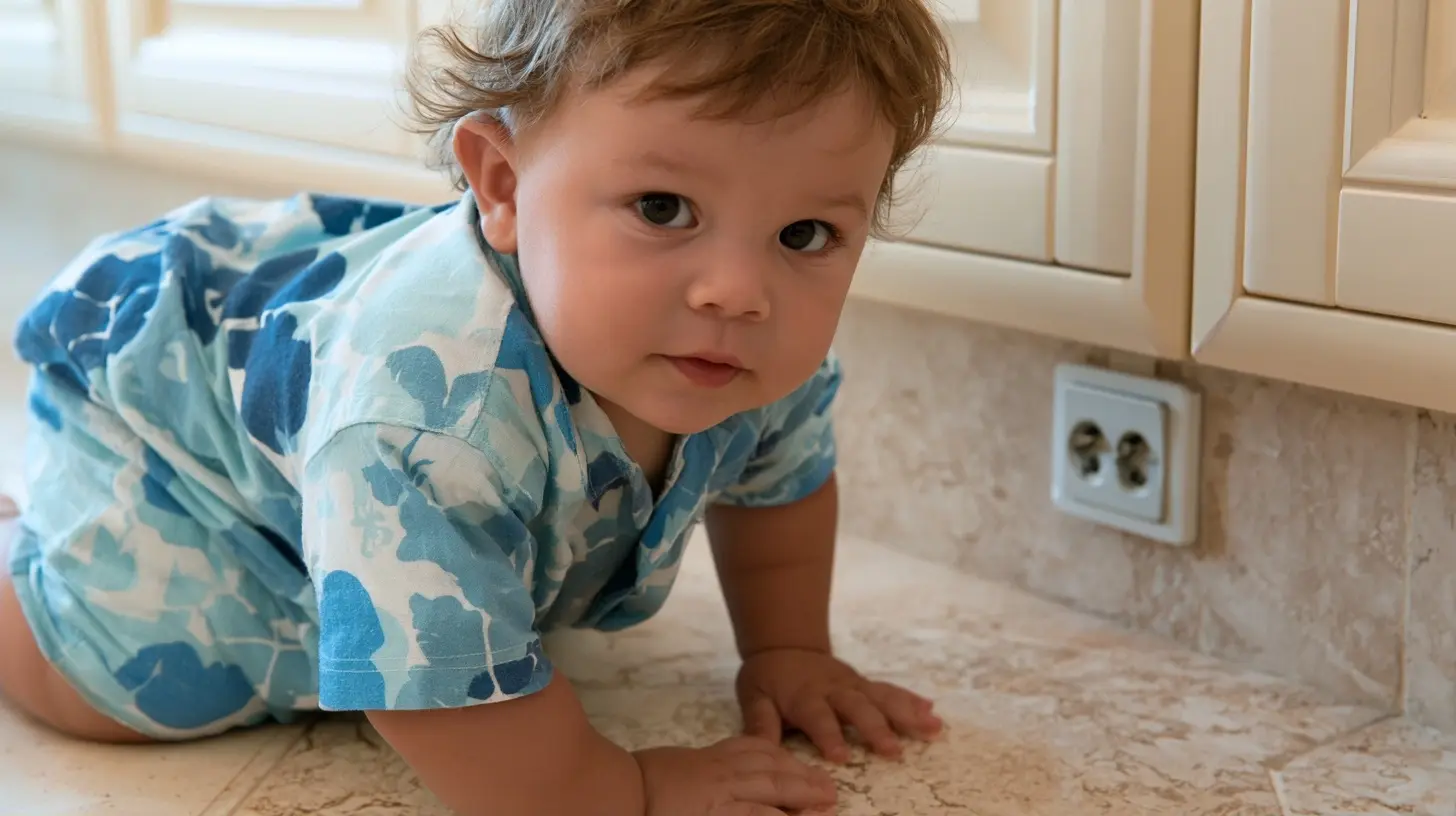
Think about the physical objects in your smart home. A smart speaker on a low coffee table is a tempting target for sticky fingers. The cords are a strangulation risk. The speaker itself can be pulled down onto a head.
In 2027, you must treat all smart devices as you would any other electrical appliance. Mount speakers high on shelves, out of reach. Secure all cables with cord concealers or cable boxes. More importantly, consider the digital content. A toddler who hears a smart speaker respond to a parent's voice might try to mimic that. They might ask it to "buy" something or play a song. You need to set up voice purchasing restrictions and a "kid's mode" on your devices. But even more critical is the habit you form. Do not use the smart speaker as a babysitter. The interactive voice response can be engaging, but it is not a substitute for human conversation. The give-and-take of dialogue, where a parent responds to a child's babbling and refines their pronunciation, is crucial for language development. A machine cannot do that.
Automated Locks and Security
Smart locks are a blessing. They mean no more fumbling for keys while holding a squirming toddler. However, they also mean you must be hyper-vigilant about the "curious toddler" factor. A two-year-old can watch you punch in a code. They might not understand it, but they understand that the door opens when you do something.
The 2027 rule is to have a secondary physical deadbolt that is too high for a toddler to reach. Relying solely on a keypad lock is a risk. Similarly, if you have a smart garage door, ensure the release cord is secured high out of reach, as toddlers love to pull on dangling cords. The convenience of smart tech must always be paired with a physical, "dumb" back-up safety measure.
The Furniture and Layout Revolution: Anchoring and Flow
The most common misconception in toddler-proofing is that you need to strap every piece of furniture to the wall. While anchoring is critical for tall, heavy pieces like bookshelves and dressers, the 2027 approach is more nuanced. It is about choosing furniture that is inherently more stable and designing a layout that discourages climbing.Low and Heavy is Key
Do not buy a sleek, modern TV stand on spindly legs. Your toddler will try to climb it to reach the remote. Instead, opt for a low, solid, mid-century modern style credenza that is wide and heavy. It should not have sharp corners, or if it does, they should be rounded. The weight distribution matters. A piece that is heavier at the bottom is less likely to tip.
For bookshelves, the rule is to anchor them, but also to not overfill them. A shelf that is crammed with books is an invitation to pull them all out. A shelf that is lightly stocked with a few attractive items is less of a magnet. This ties back to the "yes" space. If you have a low bookshelf in the living room, fill the bottom two shelves with board books. The top shelves can hold your books, but they should be out of reach.
The Layout: Creating a Circular Path
Think about the flow of your home. Toddlers do not walk in straight lines. They run in circles, they zig-zag, and they stop suddenly. Your furniture layout should accommodate this. Avoid creating narrow pathways between a sofa and a coffee table. This is a recipe for bumped heads and tears.
Push furniture against the walls to create a large, open central area in your main living space. This gives your toddler a safe, clear path to run and practice gross motor skills like running, jumping, and spinning. The coffee table is often the biggest culprit. In 2027, many parents are ditching the traditional coffee table in favor of a large, soft ottoman with a tray on top. This eliminates sharp corners and provides a safe landing spot for falls. When your child is older, you can replace it with a proper table.
The Kitchen Conundrum
The kitchen is the most dangerous room in the house. The 2027 best practice is not to block it off entirely, but to make it safe for "supervised" access. This is a trade-off. If you block the kitchen off completely, you will lose your mind trying to cook while your toddler screams at the gate.
Instead, create a "safe drawer" or "safe cabinet" in the kitchen. Fill it with plastic containers, wooden spoons, and silicone cupcake liners. When you are cooking, open this drawer and let your toddler "cook" alongside you on the floor. This teaches them about being in the kitchen and satisfies their curiosity.
For the actual dangers, you must be ruthless. Use magnetic locks on cabinets under the sink containing cleaning supplies. These are superior to the old plastic latches that toddlers quickly figure out. Install a stove guard to prevent your child from touching hot burners. Most importantly, establish an ironclad rule: the stove is a "no" zone. If your toddler approaches the hot stove, you must physically move them away and say "hot, no" calmly but firmly, every single time. Consistency is the only thing that works.

The Digital Landscape: Screen Time and the Virtual Playground
No discussion of a 2027 home is complete without addressing the digital world. The American Academy of Pediatrics has long recommended avoiding screens for children under 18 months, except for video chatting. For toddlers 18 to 24 months, high-quality programming with a parent is acceptable. For ages 2 to 5, the limit is one hour per day of high-quality programming.However, the reality in 2027 is that screens are everywhere. The question is not "if" your toddler will be exposed, but "how." The home preparation here is about creating physical and temporal boundaries.
The Command Center
Do not put the television in the center of your main living space as the focal point. In 2027, the best home layouts have the TV in a separate "media room" or hidden behind cabinet doors. If that is not possible, position the TV so that it is not the first thing you see when you walk into the room. The couch should not be facing the TV by default.
This is a deliberate design choice. It makes screen time an event, not a background hum. If the TV is always on, your toddler will learn to ignore it or, worse, become over-stimulated by it. When the TV is off and hidden, the room invites other activities. You are signaling that the primary function of this space is for living, not for watching.
The Charging Station
In 2027, you will have multiple devices: your phone, your tablet, your smartwatch. These are all things your toddler wants to grab. The solution is a designated charging station that is out of reach. This should be in a home office, a master bedroom, or high on a shelf. It should not be on the kitchen counter or the coffee table.
More importantly, create a "drop zone" at the front door. When you walk in, your phone and keys go into a bowl or a drawer that is high up. This establishes a habit. Your toddler sees that you are present and engaged when you are home, not constantly looking at a glowing rectangle. This is the most powerful anti-screen-time message you can send.
The Quality over Quantity Debate
It is easy to fall into the trap of using a tablet to get through a long car ride or a restaurant meal. This is a tool, and like all tools, it has its place. The problem arises when the tablet becomes the default solution for boredom. A toddler who is bored is an opportunity for creativity. They need to learn to manage that feeling.
When you do allow screen time, choose content that is slow-paced and realistic. Shows like "Bluey" are excellent. They model imaginative play and healthy family dynamics. Fast-paced, flashing, overly stimulating content is designed to hijack attention, and it can make it harder for a child to focus on slower, real-world activities later. You are curating their digital diet just as carefully as you curate their nutritional diet.
The Sensory and Motor Development Landscape
Your home in 2027 should be a gymnasium for development. A toddler is learning to balance, to climb, to grasp, and to coordinate their hands and eyes. The environment should provide challenges that are just slightly beyond their current ability.The Climbing Conundrum
Your toddler will climb. It is an evolutionary imperative. Instead of constantly saying "get down," provide safe things to climb on. A Pikler triangle is a fantastic investment. It is a wooden climbing frame that allows toddlers to practice gross motor skills in a safe, controlled way. They can climb up the rungs and slide down the ramp. This satisfies the urge to climb without resorting to scaling the bookshelf.
If you do not have the space for a large climbing frame, consider a foam play couch. These modular pieces can be arranged into tunnels, forts, and ramps. They are lightweight, so a toddler can move them around, and they provide a soft landing for tumbles. This is a much better alternative to letting them jump off the sofa.
Sensory Play: Containing the Mess
Sensory play is crucial for brain development. This includes playing with sand, water, playdough, and finger paints. The biggest barrier for parents is the mess. The 2027 solution is to plan for the mess.
Designate a specific area for messy play. This could be a kitchen floor with a washable mat, or a spot on the patio. Do not try to do sensory play on a white carpet. It will end in tears. When you set up a sensory bin, use a large, shallow plastic tub. Place it on the floor, not on a table. This allows the toddler to stand and lean over it, which is better for their core strength and posture than sitting.
The trade-off here is between a clean house and a happy, developing child. You cannot have both all the time. The best practice is to schedule sensory play for a time of day when you have the energy to clean up, and to use tools like smocks and drop cloths to minimize the aftermath. The goal is not to avoid mess, but to manage it.
The Importance of the Outdoors
In 2027, the home extends to the backyard. If you are lucky enough to have one, it is a vital part of your toddler's world. The preparation here is about safety and accessibility.
Ensure your fencing is secure and that there are no gaps a toddler can squeeze through. Lock all gates. Remove any toxic plants. Create a digging patch where it is okay to get dirty. A small sandpit with a cover is a wonderful addition. If you do not have a backyard, a balcony can be adapted with a sturdy gate.
The key is to make going outside as easy as possible. Keep a pair of wellington boots and a jacket by the back door. This reduces the friction of getting out. A toddler who is outside is using their senses in a way they cannot indoors. They are feeling the wind, seeing the clouds, and hearing the birds. This is essential for their well-being and for their sleep.
The Final Frontier: The Parent's Sanctuary
We have talked extensively about the toddler, but what about you? In 2027, the concept of the "village" has evolved. Many parents are more isolated than ever. Your home must also be a sanctuary for you, or you will have nothing left to give.This means creating a space that is purely for adults. This might be a home office with a door that locks, or a section of the master bedroom that is off-limits to toys. This is not about excluding your child, but about maintaining your identity.
The Art of the "No" for Parents
It is okay to have nice things. It is okay to have a white sofa. The 2027 approach is not to child-proof your entire existence, but to create clear boundaries. If you have a beautiful, delicate vase, you have two options. You can either put it away for five years, or you can put it on a high shelf and teach your toddler that it is not for touching.
This is a nuanced point. Some experts argue that you should not have breakables in a home with a toddler because they cannot control their impulses. This is true. A two-year-old does not have the impulse control to resist a shiny object. However, by placing it out of reach and creating a "look, don't touch" rule, you are starting to teach them about boundaries. You are modeling that some things are for adults.
The common mistake is to have a "kid zone" and an "adult zone" that are visually and emotionally separate. This creates a feeling of exile for the parent. A better approach is to integrate the child's things into your aesthetic. Choose a beautiful wooden toy shelf that complements your furniture. Store toys in woven baskets that look intentional. This makes the home feel cohesive, not like a daycare exploded in it.
Resilience and Routine
Finally, the most important preparation you can make is not physical, but mental. The toddler years are a marathon. There will be tantrums, there will be messes, and there will be days when you feel like you are failing. The home you create can support you through this.
A predictable routine is your best friend. Toddlers thrive on predictability. It makes them feel safe. Your home should support this routine. Have a designated spot for shoes and coats. Have a consistent place for meals. Have a dark, quiet room for naps. When your home has a rhythm, your toddler learns to anticipate what comes next, which reduces anxiety and behavioral issues.
In 2027, the home is not just a shelter. It is a partner in your parenting. It is a tool for teaching independence, for fostering curiosity, and for providing comfort. By thinking carefully about the layout, the technology, and the boundaries you create, you are not just preparing your home for a toddler. You are preparing the foundation for a confident, capable, and happy child. And you are giving yourself the best possible chance to enjoy this wild, wonderful, and fleeting phase of life.
all images in this post were generated using AI tools
Category:
ChildproofingAuthor:

Max Shaffer
Discussion
rate this article
2 comments
Elowyn Frye
Great tips! Creating a safe and welcoming space for toddlers makes such a difference in their development.
September 27, 2026 at 4:11 AM
Aris Whitaker
As you prepare your home for the toddler years ahead, focus on creating a safe and nurturing environment. Embrace flexibility in your space to adapt to your child's needs. Remember, it's not about perfection but fostering opportunities for exploration, learning, and growth as your little one discovers the world.
September 8, 2026 at 3:19 PM
Max Shaffer
Great advice! A flexible and safe space really makes a difference as toddlers explore and learn. It's all about nurturing their curiosity.