Preparing for Sibling Transitions Like College or Moving Out
30 October 2026
Here is the scene every parent dreads and secretly anticipates in equal measure. One kid is packing a duffel bag for a dorm room, and the other kid is standing in the doorway trying to look fine and failing. The leaving child gets the send-off, the photos, the new bedding, and the countdown. The one staying behind gets a leftover bedroom and a family that suddenly feels too quiet. Most parents pour their energy into the departing kid and treat the sibling left at home as an afterthought. That is a mistake you can avoid, and avoiding it starts well before the car is loaded.
This is not a soft topic. Sibling transitions, whether a brother heads to college or a sister moves into her first apartment, reshape the emotional geography of a household. The kid who leaves is not the only one going through something. The kid who stays is going through something too, and nobody is throwing them a party. Your job is to manage both transitions at once, and to do it without pretending the change is easy.

Why the Staying Sibling Gets Overlooked
Parents are wired to solve the loudest problem. College prep is loud. Move-out logistics are loud. The sibling left behind is usually quiet, sometimes painfully so, and quiet gets misread as fine. That is the first misconception to kill.A sibling transition is a loss, even when it is a happy loss. The kid who stays loses a roommate, a rival, a confidant, and a daily witness to their life. They lose the person who knew which teacher was unbearable and which friend was fake. They lose the built-in audience for their jokes and the built-in opponent for the last slice of pizza. They also lose their position in the family order. The one who was the younger sibling is suddenly an only child. The one who was the middle child is suddenly the oldest or the youngest depending on the day. Identity shifts like that land hard, and they land without ceremony.
The departing kid is also grieving, but they have a distraction: a new campus, a new apartment, a new life to assemble. The kid at home has no distraction. They have the same house, the same room, the same dinner table, minus a person. That asymmetry is why the stayer often struggles more than the leaver, and why parents who only plan for the leaver miss the real work.
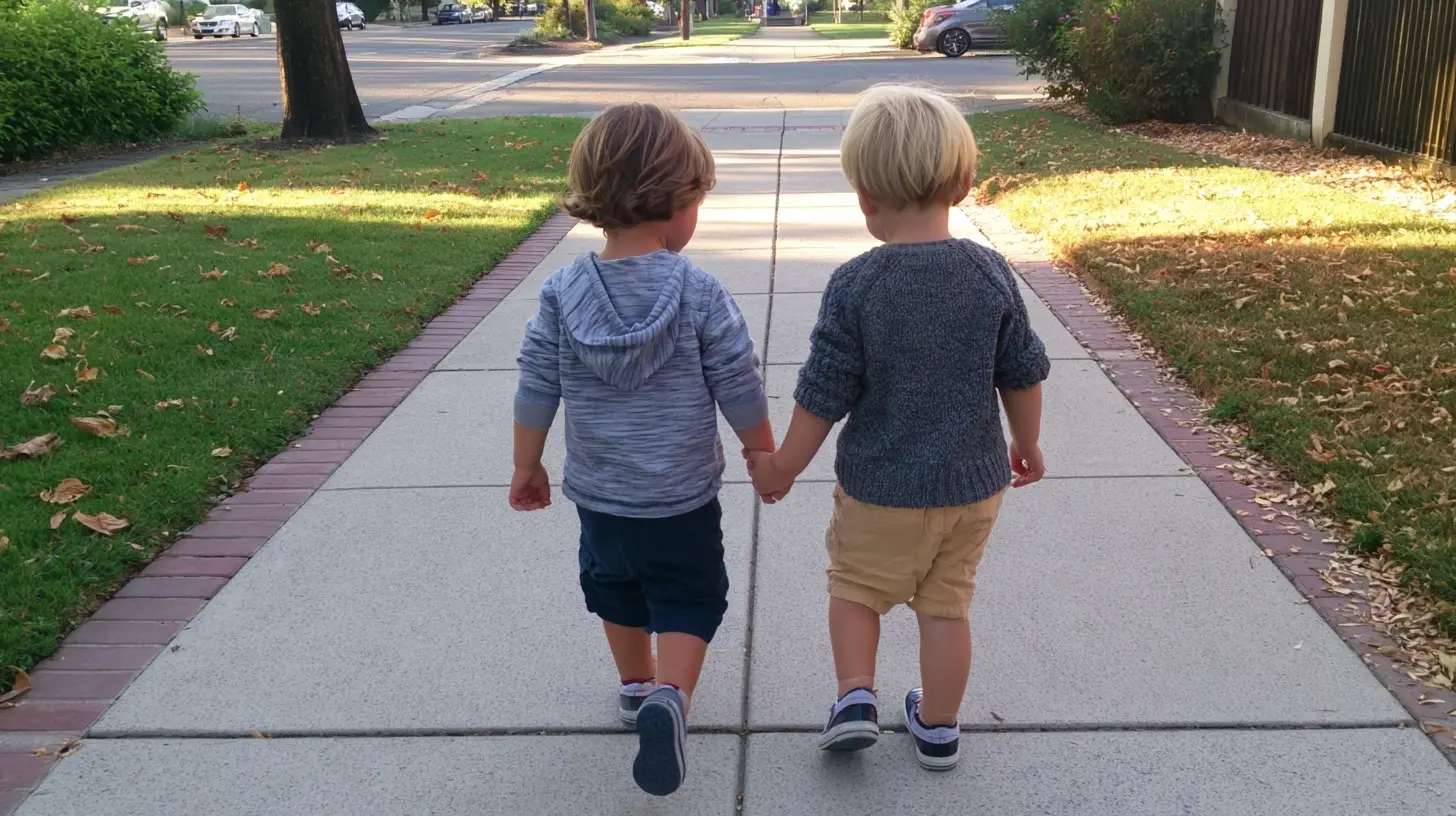
Start the Conversation Earlier Than Feels Necessary
Most families start talking about the transition a few weeks out. That is too late for the sibling. The staying kid needs runway, and runway means months, not days.Begin with practical honesty. Say what is changing, when it is changing, and what it will look like on a random Tuesday. Vague reassurances like "nothing will really change" are a lie, and kids smell lies. Instead, name the specifics. The bedroom will be emptier. The car will be gone. Dinner will be quieter. The person who used to drive you to practice will not be there. Then name what stays. The sibling relationship does not end. The family does not dissolve. Your availability does not disappear.
Timing matters because kids process change in stages. A twelve-year-old needs more warning and more repetition than a seventeen-year-old. A younger sibling may need the change explained several times, each time with fewer words and more reassurance. An older sibling may need to be treated as a partner in the transition rather than a bystander. Do not use the same script for both.

The Farewell Ritual Matters More Than You Think
Families underestimate the power of a deliberate goodbye. When a sibling leaves without a ritual, the staying kid often feels like the departure just happened to them. A ritual gives them a role.It does not have to be elaborate. A last family dinner where the leaving kid picks the menu. A photo taken in the empty room before the boxes go out. A short letter or a small gift that the stayer gives the leaver. A promise of a specific weekly call that the stayer helps schedule. What matters is that the staying sibling participates rather than watches.
There is a trade-off here. Too much ceremony can feel performative and make the stayer feel like a prop in the leaver's send-off. Too little and the stayer feels invisible. Read your kid. A teenager who rolls their eyes at a family dinner still remembers whether they were included. A younger child may want to draw a picture or pick a present. Match the ritual to the kid, not to your Instagram feed.

Rebuilding the Household Rhythm
The biggest practical disruption is not emotional. It is logistical. The sibling who leaves was probably doing something useful: driving, babysitting, mediating, entertaining, or simply being the person who made the house feel full. When they go, the household rhythm breaks, and the staying kid feels the break in ways they cannot always name.Rebuild the rhythm on purpose. Sit down with the remaining kid and map the week. Who drives now? Who does the dishes the leaver used to handle? What happens on the nights when the stayer used to have company? Give the stayer a real role in the new setup, not a token one. A kid who helps design the new normal is a kid who owns it.
This is also where parents make a common mistake: they overcompensate. They fill every empty hour with activities, playdates, and distractions, and the stayer never gets to feel the quiet. Quiet is not the enemy. Emptiness is uncomfortable, but it is also where kids learn to sit with change. Let some evenings be boring. Let the stayer be sad for a while. Your job is to be present, not to erase the feeling.
The Sibling Relationship After the Move
The relationship does not end when the boxes leave. It changes shape, and the shape depends on what you build next.The leaver is busy. That is real. New classes, new roommates, new routines. The stayer often interprets busyness as abandonment, and the leaver often interprets the stayer's neediness as pressure. Your job is to translate between them without taking sides.
Set up a low-friction contact habit. A weekly call is better than a daily text war, because a call has a beginning and an end and does not leave the stayer waiting for a reply all day. A shared streaming account, a group chat, or a monthly care package gives the relationship a structure that does not depend on either kid being emotionally available on demand.
Be careful about forcing closeness. Some siblings thrive on constant contact. Others need space. A stayer who feels obligated to call every night will start to resent the leaver, and a leaver who feels guilted into calls will start to avoid them. Ask both kids what they want, then help them build a habit they can actually keep.
When the Leaver Is the Younger Sibling
This is the underrated scenario. Everyone assumes the older kid leaves first. Sometimes the younger one does, and the older sibling at home gets hit with a strange mix of pride and displacement. The older kid was supposed to be the trailblazer, and now the younger one is out the door first.The older sibling in this situation often feels embarrassed about feeling left behind, so they say nothing. Watch for it. Give them explicit permission to feel weird about it. Acknowledge that the order of departure does not determine who matters. If the older sibling is still at home for reasons like a gap year, a local college, or a job, make sure the family narrative does not treat them as the one who did not leave. That framing is poison.
The Only-Child Adjustment
When the last sibling leaves, the remaining kid becomes an only child overnight. That is a bigger shift than most parents plan for.Only children get more attention, more resources, and more parental scrutiny. Some kids love it. Many find it suffocating. The stayer who suddenly has both parents focused on them may feel watched in a way they never were before. They may also feel guilty for enjoying the extra attention, or guilty for missing the sibling who made them feel invisible sometimes.
Talk about it directly. Ask what feels different. Ask what they want more of and what they want less of. Then adjust. If your stayer suddenly wants more privacy, give it. If they want more family time, take it. The only-child phase is temporary, but the habits you build during it can last.
Common Mistakes Parents Make
Mistake one: treating the leaver as the only one in transition. The stayer needs a plan too. If you only prepare the departing kid, the staying kid learns that big feelings are only valid when you are the one with a suitcase.Mistake two: promising that nothing will change. Everything changes. Say so. Then say what will not change. Honesty builds trust. False comfort builds resentment.
Mistake three: making the stayer responsible for the leaver's happiness. Do not turn the younger sibling into the family's emotional caretaker. The stayer is allowed to be sad, angry, or indifferent. They are not a support animal.
Mistake four: comparing the two kids' experiences. "Your brother is working so hard at college, you should be grateful for what you have" is a sentence that starts a fight and ends a relationship. Both experiences are real. Both deserve airtime.
Mistake five: skipping the goodbye because it is easier. Avoidance feels kind in the moment and cruel in the long run. The stayer who never got to say a real goodbye will carry that unfinished feeling for years.
What Actually Helps the Staying Sibling
Give them language. Kids often cannot name what they feel, so they act it out. Teach them words like displaced, left out, relieved, guilty, and lonely. A kid who can say "I feel replaced" is a kid who does not have to slam a door to communicate.Give them a private outlet. A journal, a therapist, a trusted aunt, a coach. Not everything should go through you. The stayer needs a place to complain about the family without hurting the family.
Give them something that is theirs. A new responsibility, a new activity, a redecorated room, a project. Something that marks the new chapter as theirs and not just as the chapter where their sibling left.
Give them time. The first month is the hardest. The first holiday home visit is the second hardest, because the leaver comes back different and then leaves again. Warn the stayer about the second goodbye. It often hurts more than the first.
The Holiday Reentry Problem
When the leaver comes home for break, the family tries to recreate the old normal. That rarely works. The leaver has changed. The stayer has changed. The house has changed. The old chore chart is gone, the old bedtime rules are gone, and the old pecking order is gone.Talk about expectations before the visit. Who sleeps where? Who drives? How much togetherness is expected? Does the leaver get to disappear with friends, or is family time mandatory? The stayer often has strong opinions about this and rarely gets asked. Ask.
The reentry is also when the stayer may feel the loss most sharply, because the leaver is present but not the same. The person who comes home is a version of the sibling, not the sibling. That gap is confusing. Name it. Say "your brother is different now, and that is okay, and it does not mean he loves you less." Simple sentences like that do more work than a family meeting.
A Practical Playbook by Age
Younger children, roughly under ten. Keep explanations short and concrete. Use calendars and countdowns. Expect regression, like bedwetting or clinginess, and do not shame it. Use play, drawing, and stories to process the change. Reassure them that the sibling is coming back and that they are not being replaced.Tweens, roughly ten to thirteen. They feel everything and admit nothing. Watch behavior, not words. Give them private space and a role in the transition. Do not force them to be the mature one. Let them be grumpy.
Teenagers, fourteen and up. They want autonomy and honesty. Treat them as partners in the household redesign. Respect their need for privacy. Do not use them as a substitute parent or a replacement driver without asking. Give them permission to have complicated feelings about a sibling they love and sometimes cannot stand.
When to Get Outside Help
Most sibling transitions are hard but manageable. Some are not. Watch for signs that the stayer is not coping: withdrawal from friends, a drop in school performance, sleep changes, irritability that lasts weeks, or talk of worthlessness. If those show up, do not wait it out. Talk to a school counselor or a therapist.The same goes for the leaver. A kid who moves out and then stops answering calls may be thriving or drowning, and you cannot always tell from a text. Keep the door open without forcing it. A parent who says "I am here when you want to talk, and I will not interrogate you" gets more honesty than a parent who demands a daily report.
The Long Game
The point of all this is not to make the transition painless. It is to make it honest. Siblings who go through a well-managed transition learn that relationships survive distance, that change is survivable, and that they are loved whether they are the one leaving or the one staying.That lesson does not come from a single conversation. It comes from a hundred small moves: the goodbye ritual, the weekly call, the rebuilt chore chart, the permission to be sad, the refusal to compare, the willingness to ask what the stayer actually needs. Do those things, and the sibling who watched the car pull away will remember that they were not an afterthought. They were part of the plan.
all images in this post were generated using AI tools
Category:
Sibling RelationshipsAuthor:

Max Shaffer