Practicing Gratitude as a Family: A Mindful Approach
4 August 2026
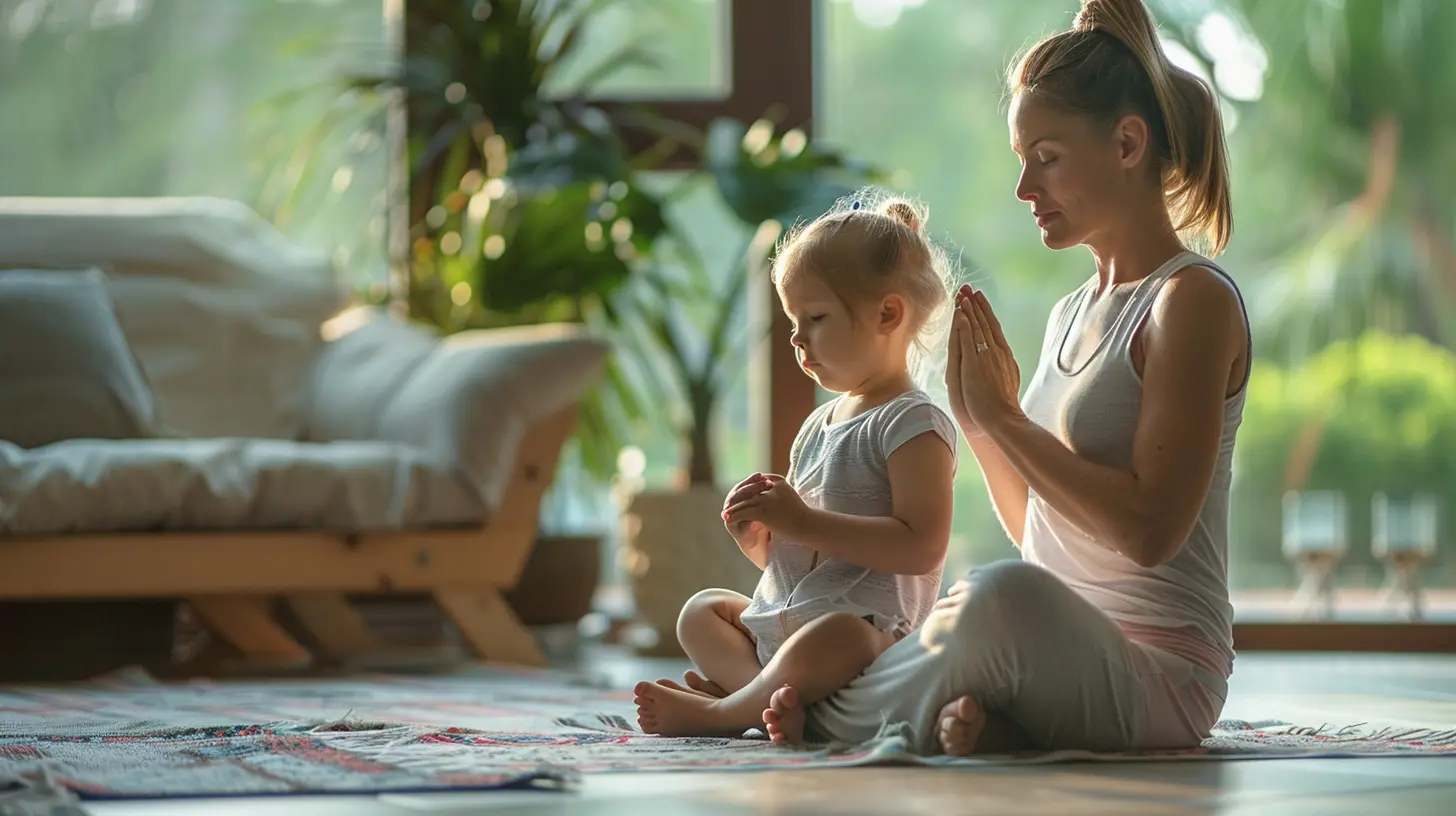
Have you ever just stopped to count your blessings—like really pause during the chaos of family life to breathe in the good stuff? Imagine if your whole family did that together. Not just on Thanksgiving, not just when life is going great, but every day. That’s the beauty of practicing gratitude as a family: it’s like planting a seed in your home that grows into something deeply comforting and incredibly powerful.
In a world filled with distractions, demands, and constant noise, gratitude is like turning the volume down and tuning into what really matters. And when you involve your entire family, it's not just life-changing—it’s legacy-building.
Why Gratitude Matters (Even When Life Gets Messy)
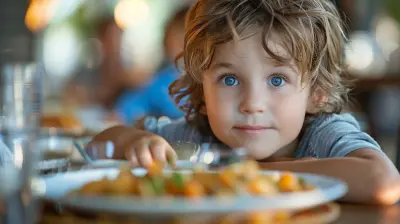
We live in a fast-paced world. We're always reaching for what's next—more stuff, more success, more everything. But gratitude tells us to slow our roll. It nudges us to say: “Hey, this moment? It’s enough.”Gratitude isn’t just about saying thank you. It’s about recognizing value in the small things, anchoring your heart even when the seas get choppy. And let's be honest—family life? It gets choppy. There are sticky breakfast tables, missing socks, spilled milk, tantrums, and teenage eye rolls. But nestled in those messy moments are opportunities for connection, kindness, and yes—gratitude.
The Science Behind the Feel-Good Vibes
Here’s the cool part—gratitude isn’t just fluff. There’s solid science behind it. Studies show that people who regularly practice gratitude sleep better, have stronger relationships, and enjoy better mental health. Kids who learn gratitude early are more empathetic, less materialistic, and generally happier human beings.So yeah, gratitude isn’t just a feel-good thing. It’s a build-your-life-on-it thing.
Modeling Gratitude: It Starts With Us
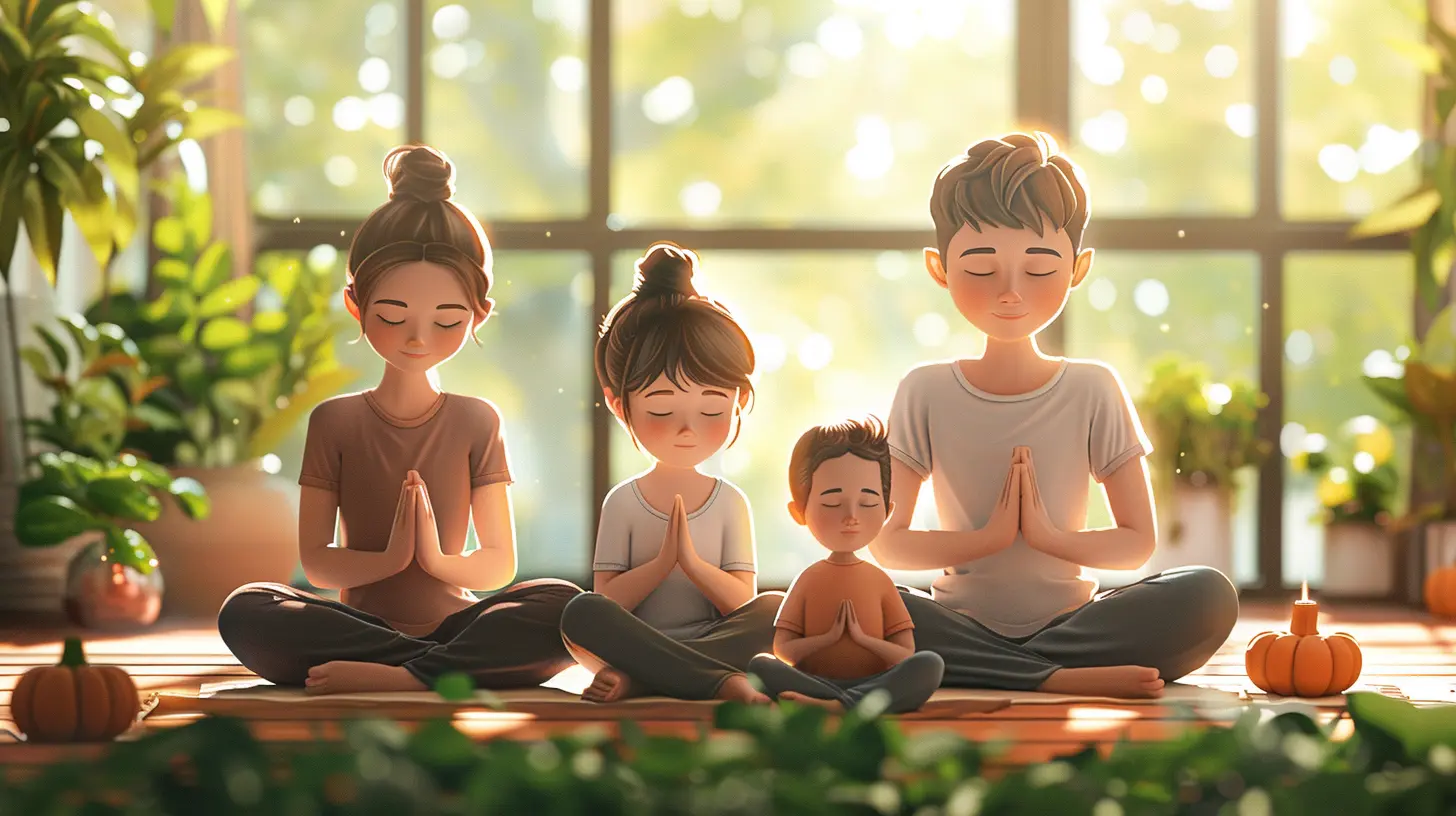
Our kids learn more from what we do than what we say (even though we say a LOT, right?). That’s why modeling gratitude is key. You can’t expect your kids to appreciate the small things if you’re constantly sighing over what’s missing.Try this: next time you’re in a rush and someone lets you go first in traffic, instead of grumbling about being late, say, “Wow, that was kind. I really appreciate that!” Boom—teachable moment.
Let your kids overhear you say thank you to the cashier. Acknowledge your partner’s effort, even if dinner is just frozen pizza. Gratitude is caught more than it’s taught.
Start With Simple Words
Words are powerful. They shape how we see the world. Make gratitude part of your daily language:- "I’m so thankful for this sunny day."
- "How lucky are we to have warm pancakes?"
- "I'm grateful we get to spend time together, even if we’re just doing groceries."
These phrases are like little drops in the gratitude bucket. Over time, they overflow.

Everyday Ways to Practice Gratitude as a Family
So, how do you make gratitude a family habit? It doesn’t require Pinterest-worthy crafts or hours of effort. Sometimes the simplest things leave the deepest impact.1. Gratitude Jars: Magic in a Mason Jar
Grab an empty jar, decorate it if you'd like (but no pressure), and keep some paper and pens nearby. Every day or once a week, each family member writes something they’re grateful for and drops it in.Then, on a hard day—or maybe New Year's Eve—dump them out and read them aloud. It’s like opening envelopes full of tiny joys you've forgotten.
2. Bedtime Thank-You Rituals
Make gratitude part of your bedtime flow. Ask each other:- What was the best part of your day?
- What made you smile?
- What are you thankful for today?
It ends the day on a positive note, no matter how chaotic it was. Like a warm hug before sleep.
3. Gratitude Walks: Step Into Thankfulness
Take a family walk—around the block, in the woods, anywhere. As you walk, take turns naming things you're grateful for: the blue sky, your dog’s wagging tail, crunchy leaves. Suddenly, the world looks brighter.4. The Compliment Game
During dinner, go around the table and say one nice thing about the person next to you. It can be big: “Thanks for helping me with my homework,” or small: “You make the best grilled cheese.” Either way, it fosters appreciation and connection.5. Thankful Notes: A Lost Art Revived
Bring back handwritten notes. Leave them on pillows, tuck them in lunchboxes, or stick them on mirrors. Imagine your kid finding a note that says, “I love how hard you’re trying at school.” That’s heart-fuel right there.
Teaching Kids Gratitude Without the Guilt Trip
Let’s keep it real—teaching gratitude is not about making kids feel guilty because they have more than someone else. It’s about expanding their hearts, not shrinking them with shame.Instead of saying, “You should be grateful,” try:
- “Isn’t it amazing we have clean water every day?”
- “Can you imagine how happy someone will be to receive this donation?”
- “How do you think it feels to be helped when you’re having a hard time?”
Invite empathy. Spark curiosity. Guide them into gratitude without wagging a finger.
Tie it to Action
Real gratitude often leads to action. If your child is thankful for their toys, help them choose a few to donate. If they’re grateful for Grandma’s cookies, write her a thank-you doodle. Gratitude that flows outward is gratitude that sticks.Gratitude During Tough Times
Let’s be honest—it’s way easier to be grateful when life’s peachy. But what about when it’s not?It’s okay to feel pain, anger, or sadness. Gratitude doesn’t erase hard feelings—it sits beside them, like a friend.
During tough moments, simply finding one thing to be thankful for—a kind friend, the comfort of a pet, a warm blanket—can be a lifeline. Teaching this to your children builds resilience. It’s like giving them an emotional anchor in life’s storms.
Make It a Tradition (Not a Chore)
Rituals stick. Create traditions around gratitude that your kids look forward to. Maybe every Sunday is “Sunshine Share,” where you talk about what brightened your week. Or every family vacation starts with a gratitude circle in the car.Make it fun. Make it sacred. But above all—make it yours.
When Gratitude Changes the Whole Vibe
Picture this: a home where people see the good in each other, where small moments are cherished, where kindness flows freely. That’s the power of practicing gratitude as a family.Suddenly, the morning rush feels softer. Conflicts are managed with a little more grace. Laughter comes easier. And your home? It becomes a sanctuary of mindfulness, love, and presence.
It’s not about perfection. It’s about presence and intention. Gratitude isn’t something you check off—it’s what you live into, day by day.
Final Thoughts: Water the Roots Together
Gratitude is like watering the roots of your family tree. It doesn’t always show up in showy ways, but it strengthens the whole structure. When storms come—and they will—it holds you steady.So take time, every day, to whisper thanks. To look around and say, “This here, this life—it’s messy and loud and absolutely beautiful.”
Because when families practice gratitude together, they grow something irreplaceable: a shared heart, full of light.
all images in this post were generated using AI tools
Category:
Mindful ParentingAuthor:

Max Shaffer
Discussion
rate this article
1 comments
Cypher Yates
This article highlights the importance of cultivating gratitude within the family unit. By engaging in mindful practices, families can strengthen bonds and foster a positive environment, leading to improved emotional well-being and deeper connections. A must-read!
August 9, 2026 at 4:10 PM
Max Shaffer
I appreciate your kind words! I'm glad you found the article on practicing gratitude helpful for fostering family connections.