Parenting Tips for Encouraging Cooperation Between Siblings
19 July 2026
Ah, sibling rivalry—the classic domestic drama that’s been playing out in households since the beginning of time. One minute, your kids are building a Lego castle together and the next, it’s World War III over who gets the last cookie. Sound familiar?
Let’s face it, parenting is hard enough without having to constantly play referee. But what if I told you that sibling harmony (or at least something close to it) isn’t just the stuff of dreams? With a few clever strategies and a dash of patience (okay, maybe a whole jar), you can actually encourage your kids to work with each other instead of against each other.
Ready to turn the chaos into cooperation? Let’s dive into some tried-and-true parenting tips that can make peace in your household more than just a fluke.
Why Sibling Cooperation Matters
Before we jump into the how, let’s talk about the why. Why is it even important for siblings to get along?Well, aside from saving your sanity, fostering cooperation between your kids teaches them key life skills—like empathy, communication, patience, and problem-solving. These aren’t just “nice to haves”; they’re essential tools your children will carry into adulthood. Think of your home as the first social playground. And you're the head coach.
Tip #1: Stop Comparing, Start Celebrating
You might think saying things like, "Look how nicely Lily shares. Why can't you do that?" is motivational. Spoiler alert: it's not.? Comparison fuels competition, not cooperation.
Instead, focus on celebrating each child's unique strengths. "Sam, I love how you helped your brother find his toy. That was really kind!" By praising the behavior you want more of—in all your kids—they’ll be more inclined to repeat it.
Tip #2: Set Clear Family Rules
Let’s be honest—kids are like miniature lawyers. They’ll find loopholes, test boundaries, and negotiate like they’re working for a Fortune 500 company.? That’s why having clear, simple family rules is a game-changer.
Rules like “We speak kindly to each other,” or “We help each other when someone is upset” give your kids a blueprint for acceptable behavior. Post them somewhere visible and refer to them often. Better yet, involve your kids in creating the rules! They’ll feel more ownership and be more likely to follow them.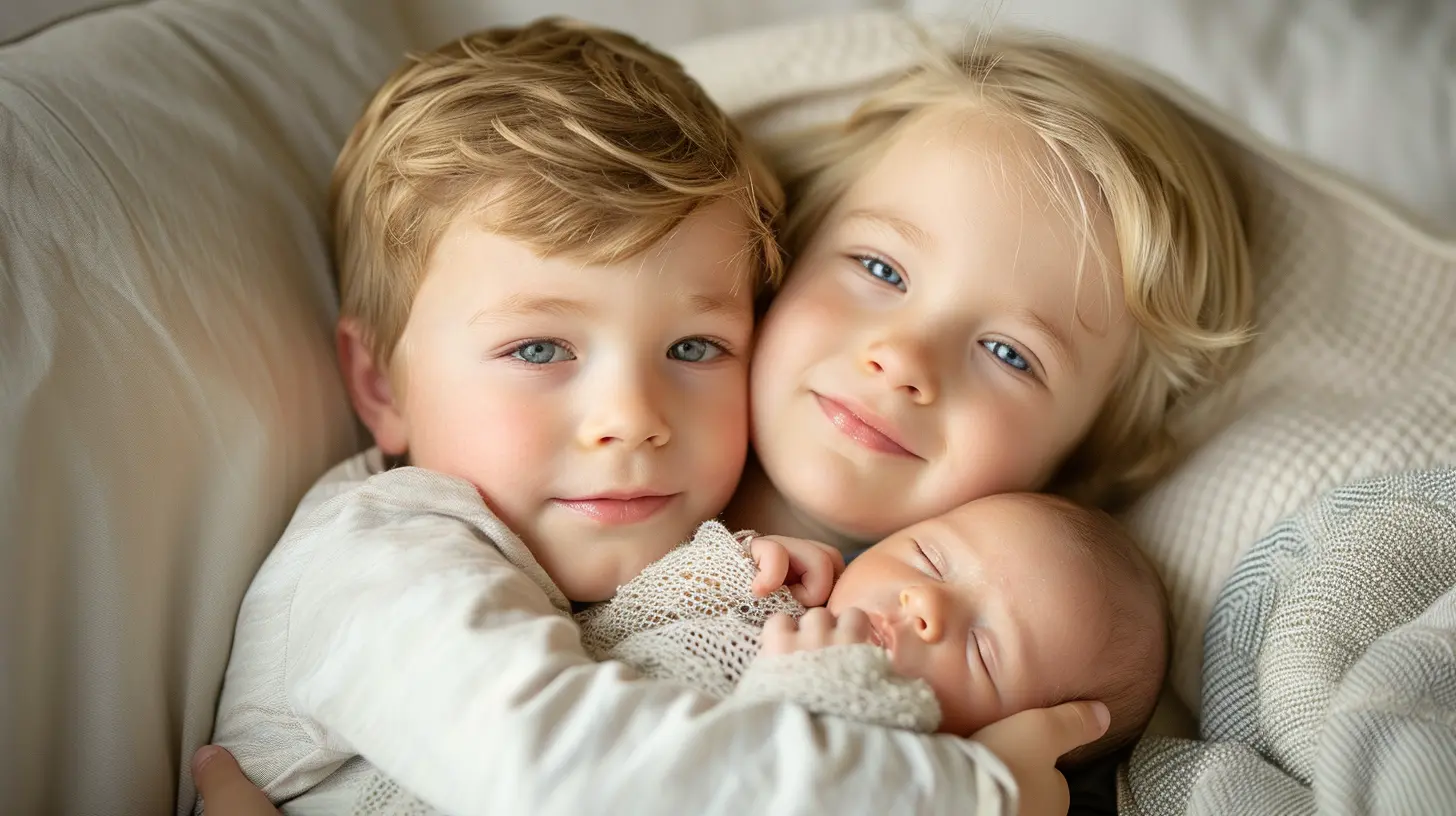
Tip #3: Encourage Teamwork With Shared Goals
Want your kids to cooperate more? Give them a reason to work together.Try setting fun, achievable shared goals like cleaning up the playroom in under 10 minutes. If they do it, they earn a reward—like choosing a movie for family night.
? Make it a mission: “You’re part of Mission Clean-Up—your job is to gather all the stuffed animals!”
Turning chores into team challenges not only adds a fun twist but also teaches that great things happen when they work together.
Tip #4: Teach Problem-Solving Instead of Playing Judge
When your kids fight (and they will), it’s tempting to swoop in and hand down the law. But when you always solve their problems for them, they don’t learn how to fix things with each other.? Instead, become the mediator, not the judge.
Ask open-ended questions:
- “What happened?”
- “How do you think your sibling felt?”
- “What could you both do differently next time?”
You’re teaching them emotional intelligence and conflict resolution. And that, my friend, is pure parenting gold.
Tip #5: Make One-on-One Time a Priority
It might seem counterintuitive when you're trying to foster sibling bonding, but giving each child individual attention can actually reduce friction.Here's why: kids who feel seen and valued individually are less likely to seek attention through rivalry or competition.
⏰ Schedule mini “dates” with each child—even 15 minutes can mean the world to them. You can play a quick game, bake cookies, or just chat about their day.
Think of it this way — when their emotional cup is full, they’re less likely to throw it at their sibling’s head. Win-win.
Tip #6: Model the Behavior You Want to See
Let’s be real—kids are watching you like a hawk. How you handle conflict, teamwork, and even frustration is silently teaching them how to manage their own relationships.So, the next time you disagree with your partner or a friend, model respectful dialogue. Show your kids what it looks like to collaborate, apologize, and find solutions.
? Say things like:
- “I understand your point of view.”
- “Let’s work together to figure this out.”
- “I’m sorry I raised my voice earlier.”
They’re more likely to mirror your behavior if they see you practicing what you preach.
Tip #7: Create Rituals That Bond
Sometimes, it’s not about solving problems—it’s about creating opportunities for warmth and laughter. The more positive interactions your kids have together, the better their relationship will be.? Build traditions like:
- “Sibling Appreciation Day” (yes, make it a thing!)
- Friday night pillow fort parties
- Helping each other with a surprise for Mom or Dad
Even something as simple as a secret sibling handshake can make them feel like they’re on the same team.
Tip #8: Let Them Play Free (Yes, Even If It Gets Messy)
Free play is where the real magic happens. It’s where kids learn negotiation, creative problem-solving, and cooperation without adult interference.Sure, it might end in a fight over who gets the blue crayon—but it might also end in a masterpiece they made together.
? Let them take the lead sometimes. Step back and watch them navigate the ups and downs of play. When they figure things out on their own, their bond strengthens in a way no grown-up lecture could do.
Tip #9: Avoid Labels
“She's the smart one. He’s the troublemaker.” Sound familiar?? Labels might seem harmless at first, but they can stick like glue and drive a wedge between siblings. If one child is “the responsible one,” guess what—they might resent their sibling for not having the same expectations.
Instead, focus on their efforts and actions in the moment:
- “You worked really hard on that puzzle!”
- “I saw that you tried your best to keep calm during that argument.”
Recognize behavior, not identity.
Tip #10: Lead With Empathy
Sometimes, your kids just need to feel heard. When one child says, “He always gets to go first!” resist the urge to correct—try to connect instead.? Say something like:
- “That sounds frustrating. I can see why you’d feel that way.”
Empathy doesn’t mean you’re giving in—it means you're acknowledging feelings. And when kids feel understood, they’re more likely to open up and listen to what you have to say.
Tip #11: Foster Individual Identity
While teamwork is important, it’s also crucial to let each child shine in their own way. Too much emphasis on doing everything together can create resentment or competition for attention.? Encourage separate hobbies, interests, and friend groups. Let them be individuals first, siblings second. That way, time spent together feels more like a choice than a mandate.
Tip #12: Be Realistic
Let’s bust a myth right now: No household has perfectly harmonious siblings 100% of the time. Not even the ones with Pinterest-worthy chore charts and unicorn-shaped lunchboxes.? Your goal isn’t perfection. It’s progress.
Some days will be better than others. Some days, you’ll knock it out of the park. Other days? Well, you'll be refereeing a shouting match over who looked at who the wrong way. And that’s okay.
Just keep showing up, keep reinforcing those cooperation-building habits, and keep the long game in mind.
Final Thoughts: You're Doing Better Than You Think
Parenting isn’t a straight road—it’s more like a winding roller coaster with unexpected turns, snack breaks, and possibly a few tears (from them and you). Encouraging sibling cooperation doesn’t happen overnight. But with consistency, creativity, and compassion, you’re laying the foundation for a relationship that, believe it or not, could turn into a lifelong friendship.And on those especially tough days, just remember: even the fiercest sibling rivals can turn into the best of friends when the time is right. You're not just raising kids—you're nurturing future allies.
So breathe, grab a cup of coffee (or hide in the pantry with some chocolate), and know that you've totally got this.
all images in this post were generated using AI tools
Category:
Sibling BondingAuthor:

Max Shaffer
Discussion
rate this article
1 comments
Morgan McGonagle
Great tips! Encouraging cooperation between siblings can create a supportive environment that helps them grow together. It's amazing how simple strategies can build lasting bonds and teach valuable lessons about sharing and teamwork. Keep up the good work and continue fostering those important connections!
July 21, 2026 at 4:12 AM
Max Shaffer
Thank you for your kind words! I'm glad you found the tips helpful. Building strong sibling relationships is so important for their growth.