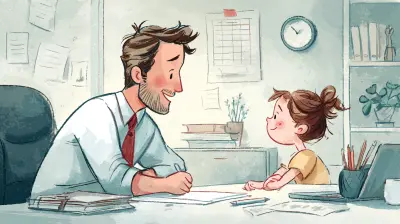
Thankfulness During Tough Times: Teaching Kids to Find Gratitude in Challenges
17 March 2026
It’s easy to be grateful when life is going smoothly—when the sun is shining, the fridge is full, and everyone’s healthy. But what about when things get hard? When plans fall apart, stress creeps in, and uncertainty becomes a constant companion? Here's the truth: those are the moments when gratitude matters most—and, yes, our kids can learn that too.
As parents, we often shield our kids from adversity. It’s instinctual. We want to keep their world safe, happy, and joy-filled. But life doesn’t always play fair. So, what if instead of wrapping them in a bubble, we taught them how to find thankfulness—real, deep gratitude—even during tough times?
Let’s unpack how we can raise kids who don’t just count blessings on sunny days, but actually see the silver lining in the storms.
Why Gratitude Is So Hard When Life Gets Tough
Ever stub your toe and someone tells you to “just be grateful you didn’t break it”? Annoying, right? That’s the thing—gratitude can feel forced when you’re hurting. Kids feel it too. When they’re dealing with disappointment, fear, or confusion, it’s not natural to say, “Well, at least I have my toys!”Tough times often trigger survival mode—fight, flight, or freeze. Gratitude taps into a different part of the brain entirely. It requires slowing down, reflecting, and choosing to focus on what’s still good. That’s a tall order, even for adults.
So how do we guide our kids? We start by modeling it ourselves.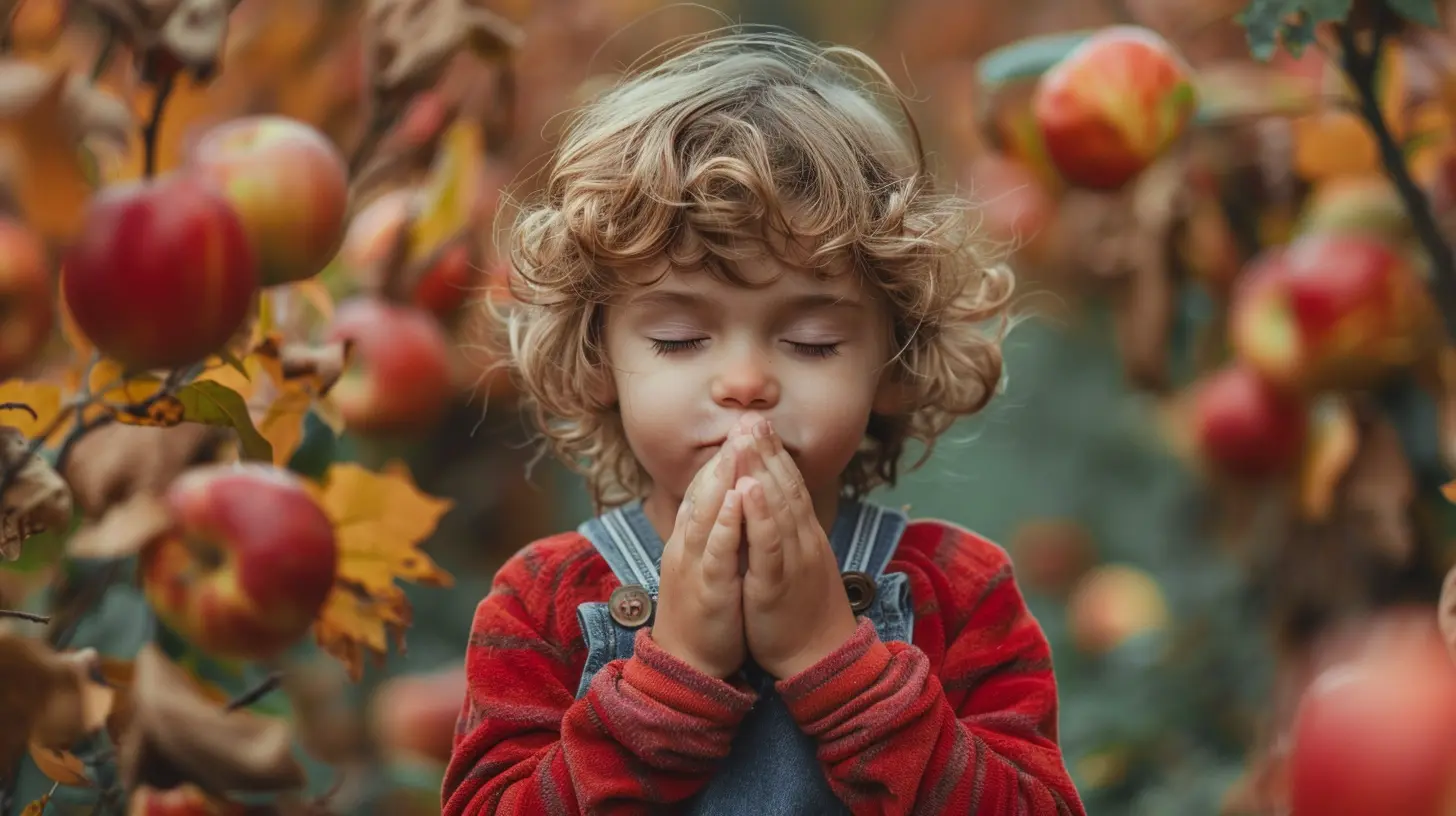
Step One: Model Real (Not Fake) Gratitude
Kids are top-tier lie detectors. If you slap on a smile and say, “Everything’s fine,” when it’s clearly not, they’ll sense the disconnect. Instead of pretending, be honest—appropriately, of course.For example: “Yeah, Mom’s had a rough day. Things didn’t go as planned, but I’m thankful we’re all home together.”
That’s not toxic positivity. That’s truth + gratitude. It teaches them that both can exist at the same time.
Want to go deeper? Share stories of your past hard times and what you still found to be thankful for. These stories become anchor points for your child, showing them that gratitude isn’t about ignoring pain, but holding onto light when things get dark.
Let Them Feel: Gratitude Doesn’t Cancel Out Emotions
Here’s something important: gratitude is not a bandaid for big feelings.When your 9-year-old cries about not seeing their friends, don’t rush in with, “At least you have FaceTime!” Let them be sad. Sit with them. Nod. Listen.
Then later, when the emotions have settled, you can gently introduce a new perspective. “I know it’s tough being apart. But wasn’t it kind of cool how your friend sent you that silly picture? That was something to smile about, yeah?”
Helping your child feel heard makes them more receptive to reflection. Gratitude sticks best when it’s sprinkled in—not dumped like a cold shower.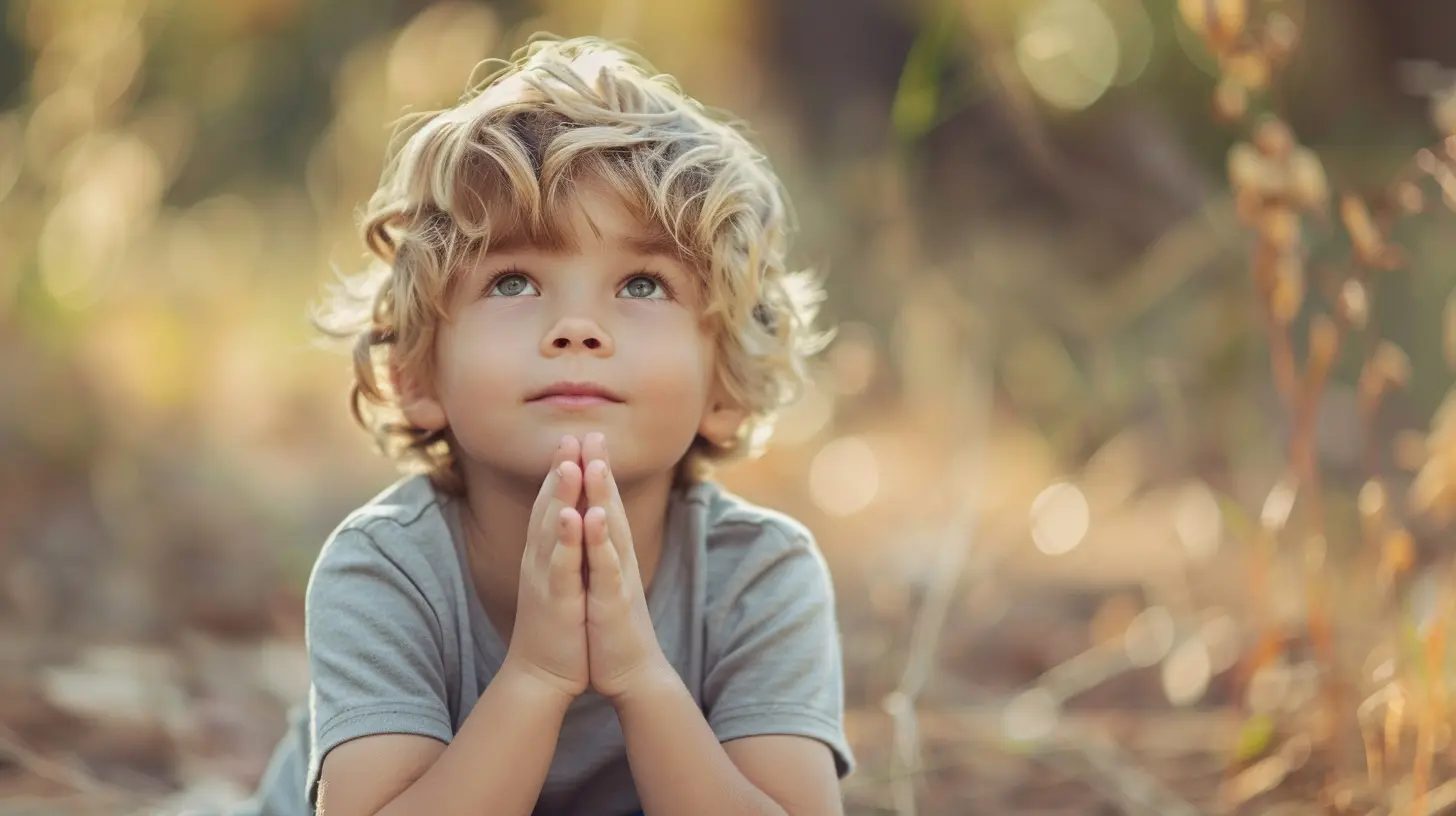
Make Gratitude a Daily Habit (Even on Bad Days)
Gratitude isn’t a “one and done” life lesson. It’s a muscle. The more your child uses it, the stronger it gets. But how do you build that habit without sounding like a broken record?Try this: create a “Thankful Time” routine.
- At dinner: Go around the table and have everyone share one thing they’re thankful for that day—even if it’s tiny.
- Bedtime: Before lights out, ask, “What’s one thing that made you smile today?”
- In the car: Turn off the radio and play a game. “Tell me something good that happened this week—even just a little bit.”
Keep it light. Keep it consistent. On tough days, thankfulness might be that the dog didn’t chew your shoes. And you know what? That counts.
Use Challenges as Gratitude Opportunities
Here’s something wild: challenges can actually turbocharge gratitude.Think about it. You don’t really appreciate power until there’s a blackout. You don’t savor health until you get sick. Challenges strip away the extras, spotlighting what truly matters.
Help your kids tune into that perspective.
Say your family has to cancel a vacation. It stinks. Everyone’s bummed. That’s fair. But after the initial blow, try saying, “I’m really disappointed too. But it makes me so thankful for all the memories we’ve already made on past trips.”
It’s not about denying the frustration—it’s about anchoring it in perspective. Over time, kids start to naturally look for those anchors themselves.
Turn Gratitude Into Action
One powerful way to teach gratitude? Let your kids give.During hard times, especially if your family is struggling, giving might feel counterintuitive. But generosity—even small acts—shifts the focus from what we lack to what we still have to offer.
Some ideas:
- Make cards for neighbors or hospital workers.
- Give away toys they’ve outgrown to a local shelter.
- Bake cookies for a friend who’s having a rough week.
- Write thank-you notes—not just for gifts, but for kindnesses.
When kids actively show appreciation, the feeling sinks in deeper. It becomes more than words—it becomes part of who they are.
Share the Science: Kids Love Knowing “Why”
If your kid's the curious type, they’ll love this bit: gratitude actually rewires your brain.Yup. Science shows that being grateful floods your brain with dopamine and serotonin—the feel-good chemicals. Over time, practicing gratitude literally makes you more optimistic and resilient.
Want to drive this home? Let your child keep a gratitude journal. They don’t have to write big paragraphs—just a few bullet points. Watch what happens after a few weeks. Their mindset shifts, their mood improves, and even challenges seem a little less heavy.
It’s like giving their brain a workout—with gratitude as the coach.
Normalize Imperfection
Here’s a hard truth: sometimes your kid won’t feel thankful, no matter what you say. And that’s okay.The goal isn’t to raise little gratitude robots. It’s to raise emotionally intelligent humans who know how to sit with discomfort, acknowledge pain, and still find something good when they’re ready.
So if your child rolls their eyes during “thankful time”? Keep showing up. Gratitude isn’t one big moment—it’s hundreds of small ones stacked together.
Keep It Fun with Gratitude Games
Kids learn best through play, so why not make thankfulness part of that?Here are a few creative ideas:
- Gratitude Scavenger Hunt: Find five things around the house you’re thankful for—go!
- Alphabet Gratitude: “A is for apples, B is for bed, C is for… cartoons!” (This one’s great for car rides.)
- Gratitude Jar: Each family member writes one thankful thought every day. Read them together once a week.
These games make gratitude feel less like a chore and more like a celebration.
When Big Stuff Happens: Helping Kids Through Major Life Changes
Some tough times aren’t about missed playdates—they’re about big, life-altering events. A move. Job loss. Divorce. Grief.These are heavy topics. And teaching gratitude here gets more delicate. But it’s not impossible.
In these moments:
- Be emotionally available. Let your child talk (or not talk) in their own way and time.
- Share your honest feelings. “I’m sad too, but I’m grateful we’re facing this as a team.”
- Look for constants. “Our house has changed, but our love hasn’t.”
- Invite them to express thanks when it feels right—not before.
Gratitude won’t erase pain, but it can soften it. It becomes a reminder of what remains, even when much has been lost.
Final Thoughts: It’s a Lifelong Journey
Teaching kids to find gratitude during tough times isn’t about instant results. It’s about planting seeds.Some days, it’ll click. Other days, not so much. That’s okay. The goal isn’t perfection—it’s persistence.
Every moment you model thankfulness, every time you hold space for their emotions, every time you help them see the good peeking through the cracks—you’re building a foundation. One they’ll carry into adulthood.
Because life will always have storms, but if our kids learn to look for rainbows, even the darkest days get a little bit brighter.
Quick Tips Recap: How to Build Gratitude in Hard Times
- Be real. Show them it’s okay to hurt and be thankful at the same time.- Stay consistent. Make gratitude a daily rhythm.
- Get creative. Use games, journals, and stories.
- Celebrate small wins. Gratitude doesn’t need to be grand.
- Give back. Help them shift from scarcity to generosity.
- Be patient. It’s a marathon, not a sprint.
Remember, gratitude isn’t about ignoring reality—it’s about choosing which part of reality to focus on. And that’s a life skill worth passing down.
all images in this post were generated using AI tools
Category:
Teaching GratitudeAuthor:

Max Shaffer
Discussion
rate this article
2 comments
Sloane Weber
What a beautiful reminder! Teaching our kids to embrace gratitude, even in tough times, not only strengthens resilience but also fills our hearts with joy. Thank you for sharing this inspiring message!
March 23, 2026 at 5:05 AM
Max Shaffer
Thank you for your kind words! I'm glad the message resonates with you. Embracing gratitude truly can transform challenges into opportunities for growth.
Zevin Maddox
Thankfulness, even in tough times, is a powerful lesson for our children. By guiding them to find gratitude in challenges, we’re nurturing resilience and a positive mindset. Let’s embrace these moments together, turning obstacles into opportunities for growth and connection. Gratitude transforms everything!
March 20, 2026 at 5:15 AM
Max Shaffer
I completely agree. Teaching kids to see the silver lining in tough times helps them build resilience and a positive outlook. It's all about turning challenges into valuable lessons.