How to Use Playtime to Teach Your Kids the Concept of Gratitude
8 July 2026
Let’s face it: teaching gratitude to little ones can feel like trying to herd cats. One minute they’re thankful for their favorite toy, the next they’re griping because their sandwich was cut into rectangles instead of triangles. Parenting, right?
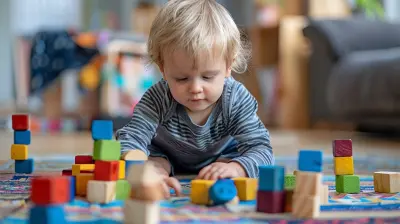
But here’s the deal—we can teach our kids to be more grateful. And we don’t need lectures or reward charts to do it. One of the best ways? Playtime. Yep, that wild, messy, giggle-filled part of your day that’s already packed with noise and Nerf darts. It turns out, playtime isn’t just for fun. It can be a powerful tool to plant seeds of gratitude that grow into lifelong habits.
So grab those building blocks and toy dinos—we’re diving into how playtime can become your secret weapon in raising appreciative, kind-hearted kids.
Why Gratitude Matters (Even for Toddlers Who Just Bit Someone)
Before we jump into the how, let’s talk about the why.Gratitude isn’t just about saying “thank you.” It’s a deeper emotional skill that helps kids recognize and appreciate the good around them. Research shows that grateful kids tend to be happier, more empathetic, and even do better in school. They’re also less likely to suffer from depression and anxiety. Yep, practicing gratitude is kind of like giving your kid a superpower—no cape required.
But here’s the kicker: kids don’t learn gratitude overnight. It’s a muscle that grows slowly with lots of practice. And that’s where play comes in.
Why Playtime Is the Perfect Teaching Tool
Play isn't a break from learning. For kids, it's how they learn.During play, kids are free to explore the world, test social interactions, and express themselves without pressure. And when we join them in their little worlds, we open doors for meaningful teaching moments. You know, the kind that stick.
Plus, play naturally builds key pieces of gratitude—empathy, patience, perspective-taking, and cooperation. All the good stuff.
So, how exactly do you use play to teach gratitude? Here’s a breakdown of practical, everyday ways—tried and tested in the chaos of real-life parenting.
1. Use Pretend Play to Cultivate Perspective
Got a kid who’s obsessed with tea parties or playing school? That’s your golden opportunity.When your child invites you into a pretend scenario, go with it—but with a gratitude twist. If you’re the “student” and they’re the “teacher,” thank them for helping you understand something. If you’re having a tea party, compliment the service: “Thank you for such a lovely cup of tea!”
Then flip it. Prompt them to practice gratitude in character.
Maybe say, “Wow, your teddy shared the last cookie with me. That was kind. Should we thank him?”
Why It Works:
Pretend play lets kids explore emotions and social situations in a safe, imaginative way. By modeling and encouraging grateful behavior in their fantasy worlds, you help them apply it in real life.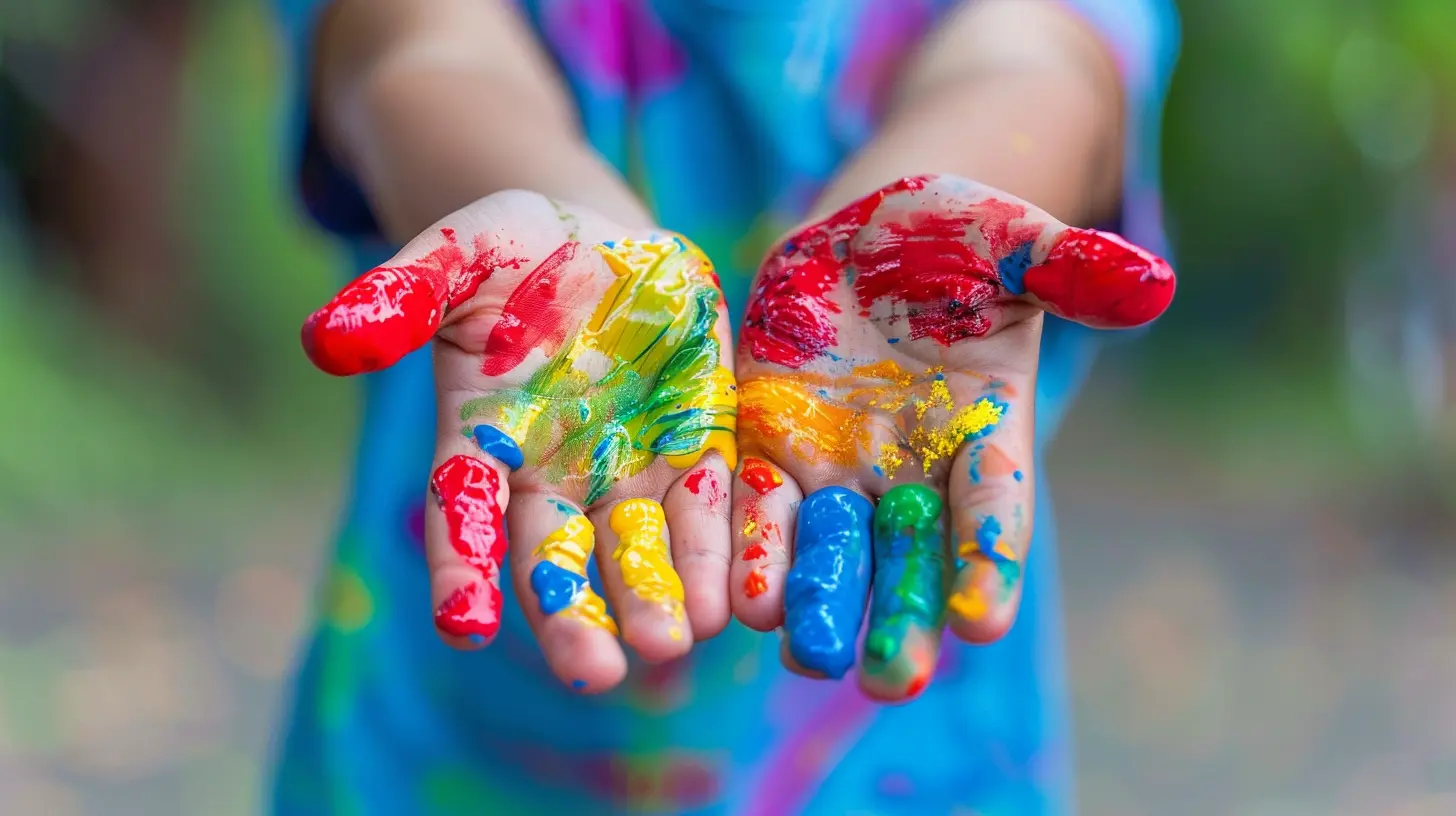
2. Turn Board Games Into Gratitude Lessons
You might cringe at the idea of playing Chutes and Ladders for the 800th time this week, but hear me out—games offer amazing ways to talk about gratitude.Start simple. When someone wins, encourage everyone (yourself included) to say something kind or thankful: “Thanks for playing!” or “I’m thankful for our fun game together!” If someone loses, use it as a way to recognize effort: “I’m really proud of how you kept trying!”
You can also sneak in gratitude prompts during turns:
- “Name something you were thankful for today before you roll.”
- “Say one person you’re grateful for and why.”
Why It Works:
Games naturally involve cooperation, fairness, and emotional highs and lows. Integrating gratitude helps kids learn to appreciate others—whether they win or lose.
3. Crafting with Gratitude Under the Glue
Arts and crafts are more than just a way to kill time on a rainy afternoon. They’re perfect for tangible gratitude projects.Ideas to try:
- Gratitude Jar: Have your child decorate a jar and fill it with little notes about what they’re thankful for. Read one every night.
- Thank You Cards: Let them make homemade cards for grandparents, teachers, or neighbors. They don’t need a special occasion—just a simple “Thanks for being awesome!” does wonders.
- Gratitude Collage: Cut out pictures from magazines or print photos that represent things you’re grateful for, then glue ‘em all on construction paper. Boom—gratitude vision board!
Why It Works:
Creative play gives kids a concrete way to express complex emotions. Plus, they get to see what gratitude looks like, one glittery glue stick at a time.
4. Role-Playing Real-Life Gratitude Moments
Remember the last time someone gave your kid a lollipop and they just... stared at them? No “thank you”, no smile, just pure sugar-shock? Yeah, we’ve all been there.One way to help? Practice through role-playing.
Set up little skits during playtime:
- Pretend one of their stuffed animals gives them a gift—how would they say thanks?
- Act out birthday parties, sharing snacks, or someone helping them with a task.
Make it silly, make it fun—and gently guide them to practice gratitude in those scenarios.
Why It Works:
Practicing real-life situations through play builds muscle memory. When the actual moment comes, your kid will be more likely to react with gratitude (instead of staring blankly like a deer in headlights).
5. Storytime with a Side of Thankfulness
Books are a fantastic way to sneak in big life lessons without turning it into a sermon.During reading time, pause to discuss how the characters showed (or didn’t show) gratitude.
Try questions like:
- “How do you think that character felt when they got help?”
- “Would you have said thank you if you were in their shoes?”
- “Is there someone you’re thankful for today like that?”
Better yet, choose books that naturally highlight kindness and appreciation. There are plenty of gems out there (think: “The Thank You Book” by Mo Willems or “Bear Says Thanks” by Karma Wilson).
Why It Works:
Stories create emotional connections. When kids see characters experience gratitude, they internalize the message better than from a lecture. And honestly—who doesn’t love a good bedtime story?
6. Celebrate Small Moments of Thanks
This one’s easy but powerful: during play—or right after—highlight and celebrate acts of gratitude.Did your toddler share a toy without being asked? Mention it. Did your preschooler say “thank you” at the end of a pretend meal? Praise it.
Make gratitude part of your everyday playtime language:
- “That was really thoughtful.”
- “I’m so thankful we got to play this game together.”
- “It makes me happy when we say thank you to each other.”
Why It Works:
Kids thrive on positive reinforcement. The more we recognize and mirror gratitude, the more normal it becomes.
7. Tech Time with a Twist
Let’s be real: screens happen. And while we want to limit tech, sometimes Peppa Pig saves the day. But here’s a twist—use their screen time to fuel gratitude-based play.After a show or game, ask:
- “What’s something that character could be thankful for?”
- “Can we act out that episode but add something kind someone does?”
- “What are we thankful for after watching that?”
Then, encourage them to recreate part of the episode with toys—adding in grateful actions or thank-you moments.
Why It Works:
Making connections to content they enjoy helps drive the gratitude lesson home. Plus, it makes you feel a little better about screen time (bonus!).
8. Set an Example (Even When You’re Running on 3 Hours of Sleep)
This part might sting a little, but it’s the truth—we are our kids’ biggest teachers.If we’re not practicing gratitude ourselves, it’s hard to expect them to do the same. So during play, make it a habit to express your own thankfulness:
- “Thanks for inviting me to play!”
- “I’m grateful we had time together today.”
- “It means a lot when you let me be the blue race car.”
Why It Works:
When kids see us being grateful, they learn that gratitude is a normal, everyday thing—not just something you say when prompted.
And don’t worry—you don’t have to do it perfectly. Just start small. A little thankfulness goes a long way.
Gratitude + Play = Lifelong Impact
Here’s the beautiful thing about teaching gratitude through play—it sticks. When we weave thankfulness into our kids’ daily games, it becomes second nature. Not another chore or life lesson crammed into their heads, but something they feel. Something they live.You won’t see results overnight, and that’s okay. Some days, they’ll forget to say thank you, and other days they’ll surprise you with deep, heartfelt appreciation for the tiniest things.
But over time? You’ll be helping them build a foundation of empathy, joy, and resilience—one stuffed animal tea party at a time.
So next time you’re down on the carpet, covered in LEGO bricks and wondering if your efforts are getting through—remember this: play is powerful. Gratitude is a gift. And together, they’re one heck of a parenting combo.
all images in this post were generated using AI tools
Category:
Teaching GratitudeAuthor:

Max Shaffer
Discussion
rate this article
1 comments
Misty Vasquez
Playtime is more than fun; it's a chance to instill gratitude. Teach kids to appreciate what they have by engaging in creative activities. Let them experience joy in giving and sharing. Gratitude is a lesson best learned through play.
July 10, 2026 at 3:22 AM
Max Shaffer
Absolutely! Playtime is a wonderful opportunity to nurture gratitude. Engaging in creative activities allows kids to not only have fun but also learn the value of sharing and appreciating what they have.