How to Handle the First Time They Say “I Hate You”
12 November 2026
Hearing your child say "I hate you" can be shocking and painful. It's a phrase that cuts deep, triggering a mix of emotions that can include confusion, hurt, and even anger. Understanding why children express themselves this way is key to handling the situation effectively. This article will guide you through the nuances of this experience, offering insights on how to respond thoughtfully and constructively.

Understanding the Context
Why Do Children Say "I Hate You"?
Children often lack the emotional vocabulary to express their feelings fully. When they say "I hate you," it typically stems from frustration, anger, or disappointment. Perhaps they are upset over a recent decision, like not getting a toy they wanted, or they may be feeling overwhelmed and unable to articulate their feelings in a more constructive way.It's also important to remember that children are testing boundaries and seeking to understand the power of their words. They may not fully grasp the emotional weight behind the phrase, making it essential for parents to approach the situation with empathy rather than immediate defensiveness.
Emotional Development and Language Skills
Around the ages of four to eight, children begin to develop a more complex understanding of their emotions. They may experience intense feelings but still rely on simple phrases to communicate them. This is a natural part of their emotional development. Thus, their outbursts are often not a reflection of true hatred but rather a signal that they are struggling to manage their feelings.
Responding to the Outburst
Stay Calm and Composed
When your child says "I hate you," your first instinct might be to react defensively. However, responding with calmness is crucial. Take a deep breath and remind yourself that this is a learning moment. Your calm demeanor can help diffuse the tension and model appropriate emotional responses.Validate Their Feelings
Instead of dismissing their statement or immediately countering with "You don't mean that," try to validate their feelings. You might say, "I can see you're really upset right now." This acknowledgment helps your child feel heard, which is often what they are seeking in that moment.Ask Open-Ended Questions
Encourage your child to express their feelings more clearly. Questions such as "What made you feel this way?" or "Can you tell me more about what you're feeling?" guide them toward articulating their emotions. This not only helps them process their feelings but also teaches them how to communicate more effectively in the future.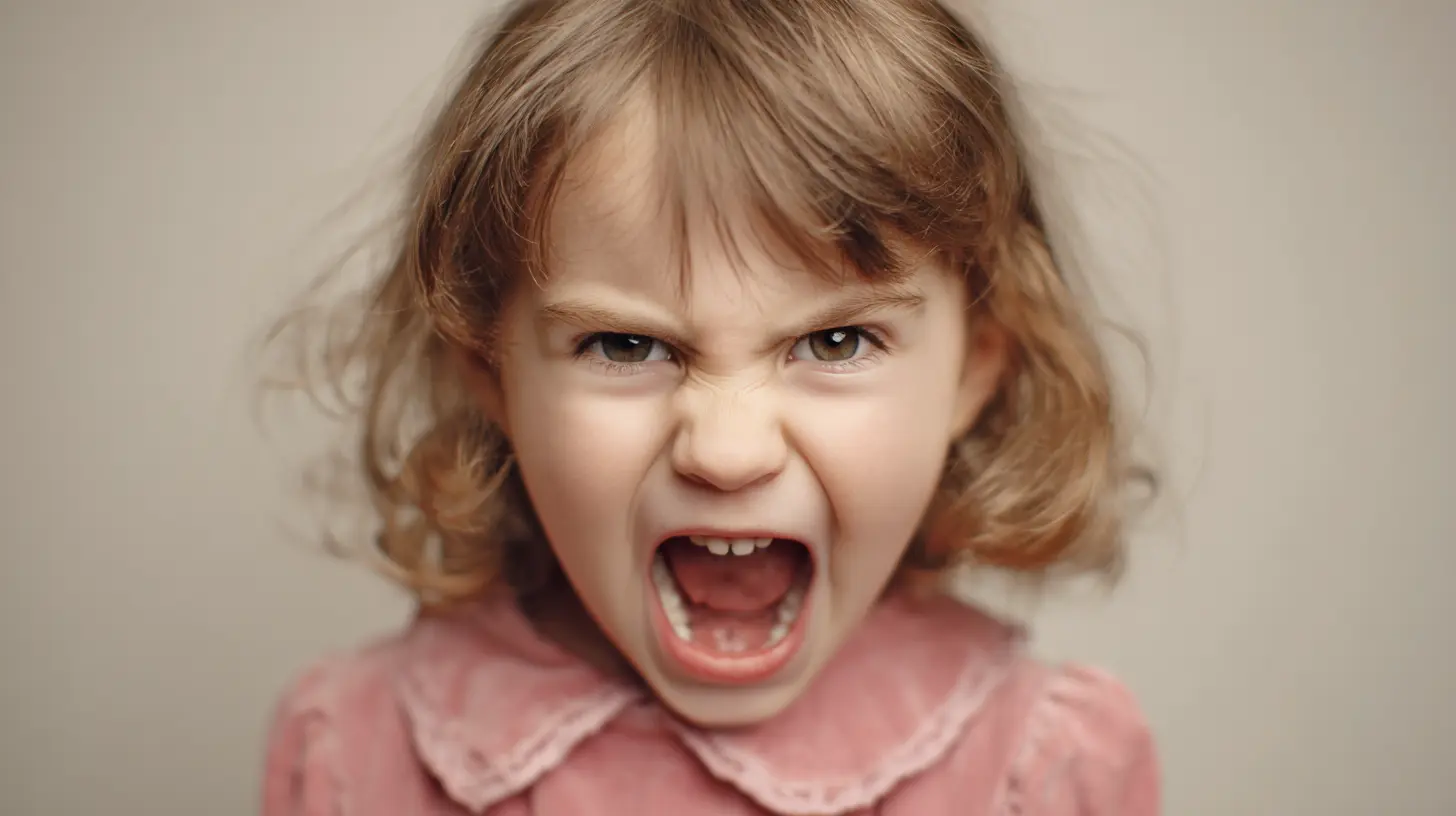
Practical Strategies for Managing Emotional Outbursts
Use Role-Playing Techniques
Role-playing can be an effective tool for helping children navigate their emotions. Create a safe space where you can act out scenarios that might lead to frustration or anger. For instance, you could pretend to deny a request for a snack or playtime. This exercise helps them practice using their words instead of resorting to hurtful phrases.Teach Emotional Vocabulary
Building an emotional vocabulary is vital for children. Regularly introduce new words related to feelings, such as "frustrated," "disappointed," and "overwhelmed." Use books, movies, or everyday situations to illustrate these emotions. The more words they have at their disposal, the better equipped they will be to express themselves without resorting to extreme phrases like "I hate you."Model Healthy Expression of Emotions
Children learn a lot by observing their parents. Make sure you model how to express emotions healthily. When you feel frustrated or upset, articulate your feelings appropriately. For example, say "I feel overwhelmed right now, so I need a moment to calm down" instead of lashing out. This approach teaches your child that it's okay to have strong feelings but essential to express them constructively.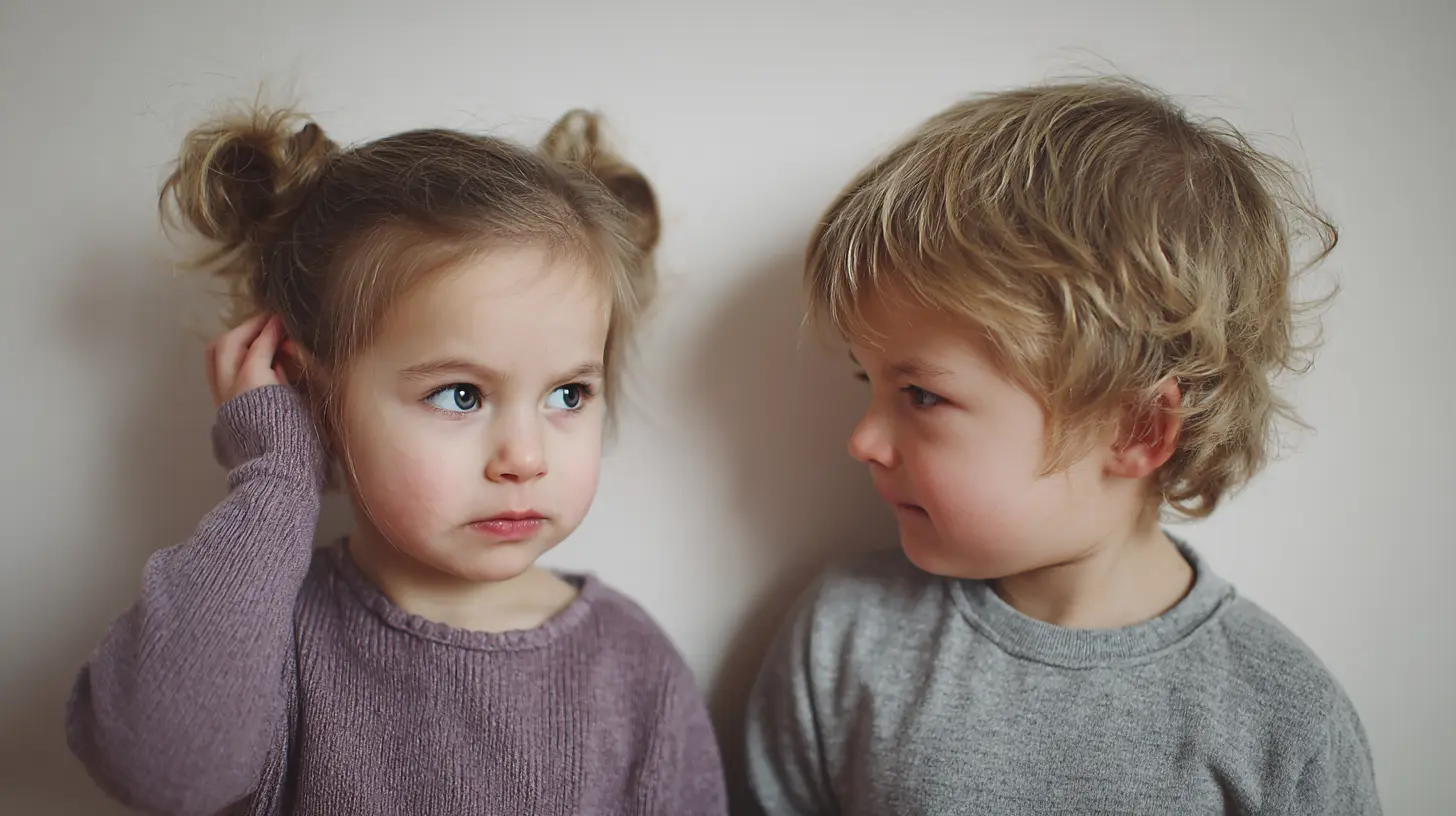
Common Mistakes to Avoid
Taking It Personally
It can be challenging not to take your child's words personally. Remember, their outburst is not a reflection of your parenting or your relationship. Children often say things they don't mean in the heat of the moment. Keeping this in mind can help you stay focused on how to support them through their emotional turmoil.Overreacting or Punishing
Overreacting can escalate the situation. Instead of punishing your child for their words, view it as an opportunity for emotional growth. Punishment may lead to shame rather than understanding, which doesn't help your child learn how to express their feelings appropriately.Ignoring the Behavior
While it might be tempting to brush off the phrase as typical childhood behavior, ignoring it can lead to bigger issues later. Children need guidance to understand that words matter and that it's essential to communicate feelings in a way that is respectful to themselves and others.Encouraging Positive Communication
Create a Safe Space for Expression
Encourage open communication in your home by creating a safe emotional environment. Regularly check in with your child about their feelings, and let them know that they can come to you anytime without fear of judgment or reprimand. This ongoing dialogue fosters trust and allows them to express themselves freely.Reinforce Positive Language
When your child expresses their feelings in a constructive way, be sure to reinforce that behavior. Praise them for communicating their emotions effectively, saying things like, "I really appreciate how you told me you were feeling frustrated instead of saying something hurtful." This positive reinforcement encourages them to continue using healthy communication methods.Use "I" Statements
Teach your child to use "I" statements to express their feelings. For instance, instead of saying "I hate you," they could say, "I feel angry when I can't play outside." This shift not only helps them articulate their emotions better but also fosters empathy and understanding in their communication.
When to Seek Professional Guidance
Recognizing Patterns of Behavior
If your child frequently resorts to saying "I hate you" or exhibits persistent emotional outbursts, it may be beneficial to consult a child psychologist or counselor. A professional can help identify underlying issues, such as anxiety or social challenges, and provide strategies tailored to your child's needs.Understanding the Impact of Environment
Consider the environment in which your child is growing up. Factors such as family dynamics, school pressures, and social circles can all impact emotional expression. If you suspect that external factors are contributing to their behavior, addressing these concerns may be essential for their emotional well-being.Conclusion
Hearing your child say "I hate you" can be a heart-wrenching experience, but it also presents an invaluable opportunity for growth. By responding with calmness, validating their feelings, and guiding them toward healthier communication, you can help your child navigate their emotions effectively. Remember, this moment is not just about the words they say but about teaching them how to express themselves in ways that foster understanding and connection.Final Thoughts
As a parent, your response to these challenging moments can significantly influence your child's emotional development. By equipping them with the tools to articulate their feelings and reinforcing positive communication, you set the stage for a loving and supportive relationship. It's not just about the phrase "I hate you"; it's about nurturing a future where your child feels empowered to express themselves positively and respectfully.
all images in this post were generated using AI tools
Category:
Parenting MilestonesAuthor:

Max Shaffer