How Volunteering Can Teach Children the Value of Gratitude
2 February 2026
Let’s be honest—sometimes our kids act like the world is their personal vending machine. Need a snack? Boom—the pantry delivers. Want some screen time? Just whine long enough. And don’t even get us started on birthdays, when each gift is judged like a contestant on a reality TV show.
But what if we told you there’s a low-cost, high-reward way to help your children gain some perspective (and maybe even say “thank you” without a reminder)? Yep, we’re talking about volunteering. Rolling up their sleeves and giving back can open your child’s eyes to the bigger picture—and hand them a lifetime supply of gratitude.
Let’s break it down.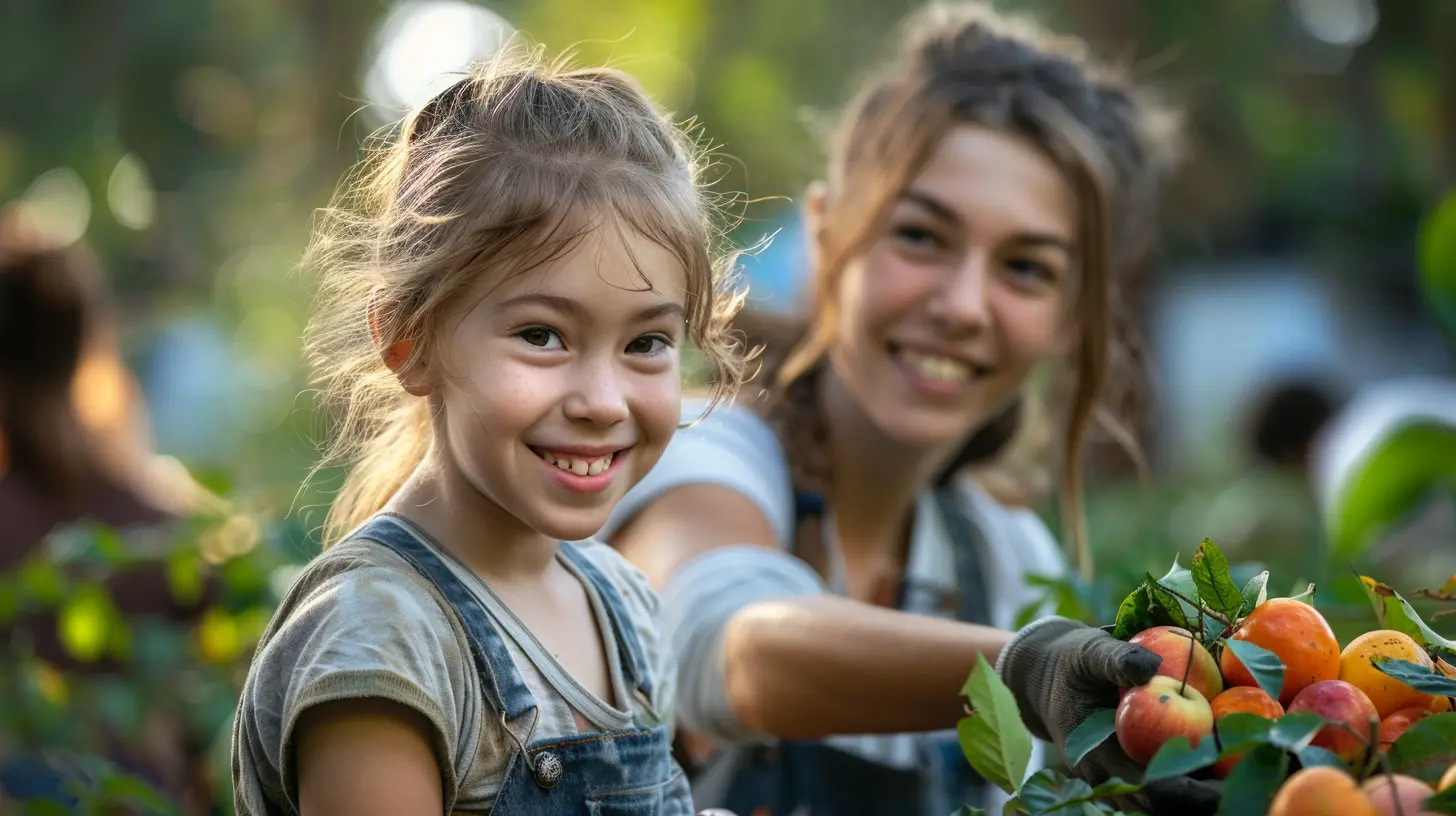
Why Gratitude Matters (Spoiler: It’s Not Just About Saying “Thanks”)
Gratitude is like the secret sauce to a happier, healthier life. Seriously, studies have shown that grateful kids sleep better, are more empathetic, and even perform better in school. It’s basically the parenting jackpot.But here’s the thing: gratitude isn’t something you can preach into existence. You can’t just say, “Be grateful!” and expect your child to suddenly appreciate everything from broccoli to bedtime. It has to be felt, experienced—lived.
That’s where volunteering comes into play.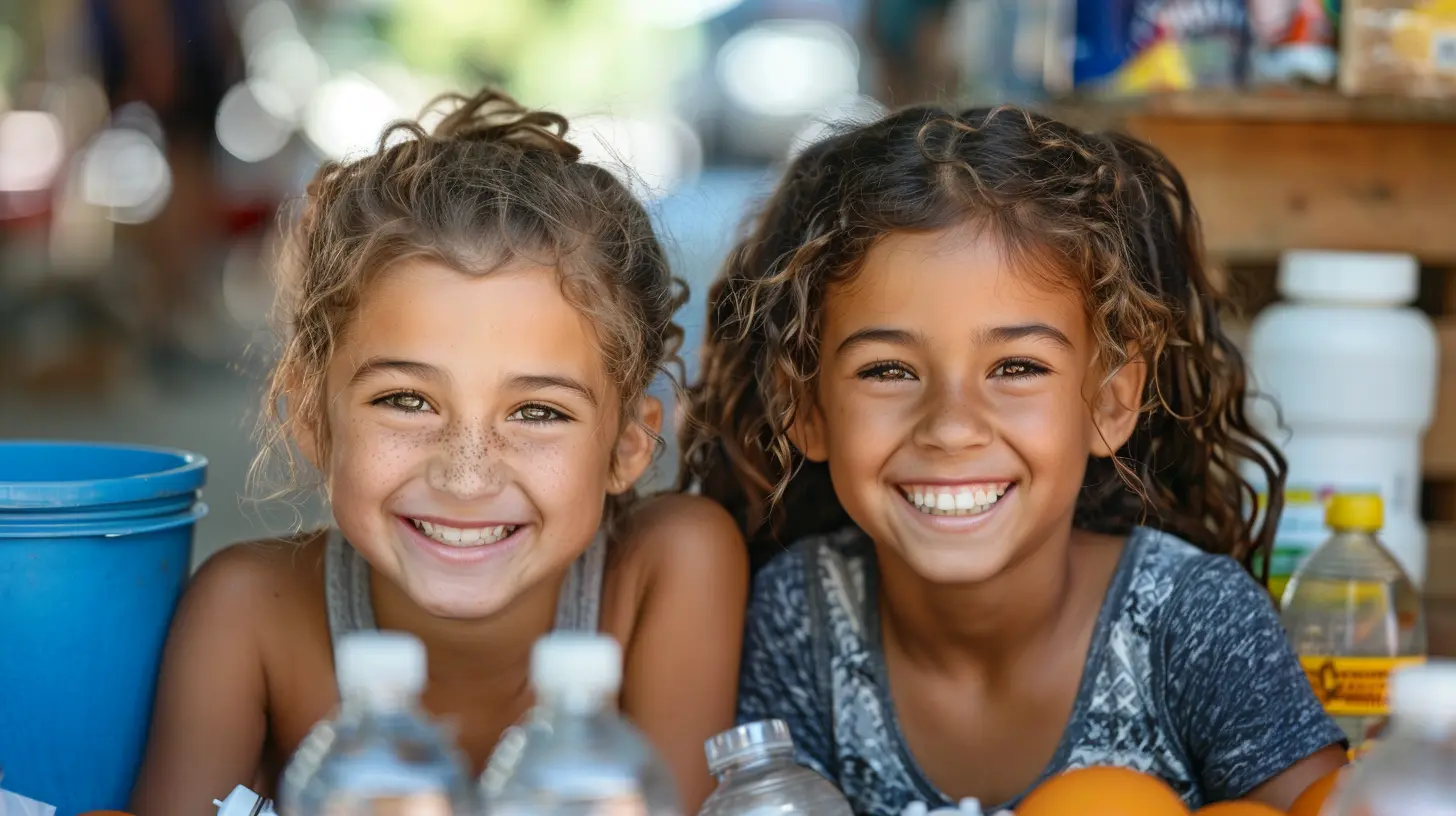
What Volunteering Teaches (Hint: More Than Just Manual Labor)
Volunteering isn’t just about picking up trash at the park or serving soup at a shelter (though those are great starts). It’s about stepping into someone else's shoes, even if just for an hour.When kids volunteer, they experience:
- A shift in perspective: You mean not everyone has a closet full of shoes? Or five different kinds of cereal to choose from every morning?
- Appreciation for the small stuff: After helping out at an animal shelter, that ‘boring’ family dog suddenly seems like a VIP.
- A sense of empathy: Kids start to understand that everyone’s going through something—even if it's not obvious.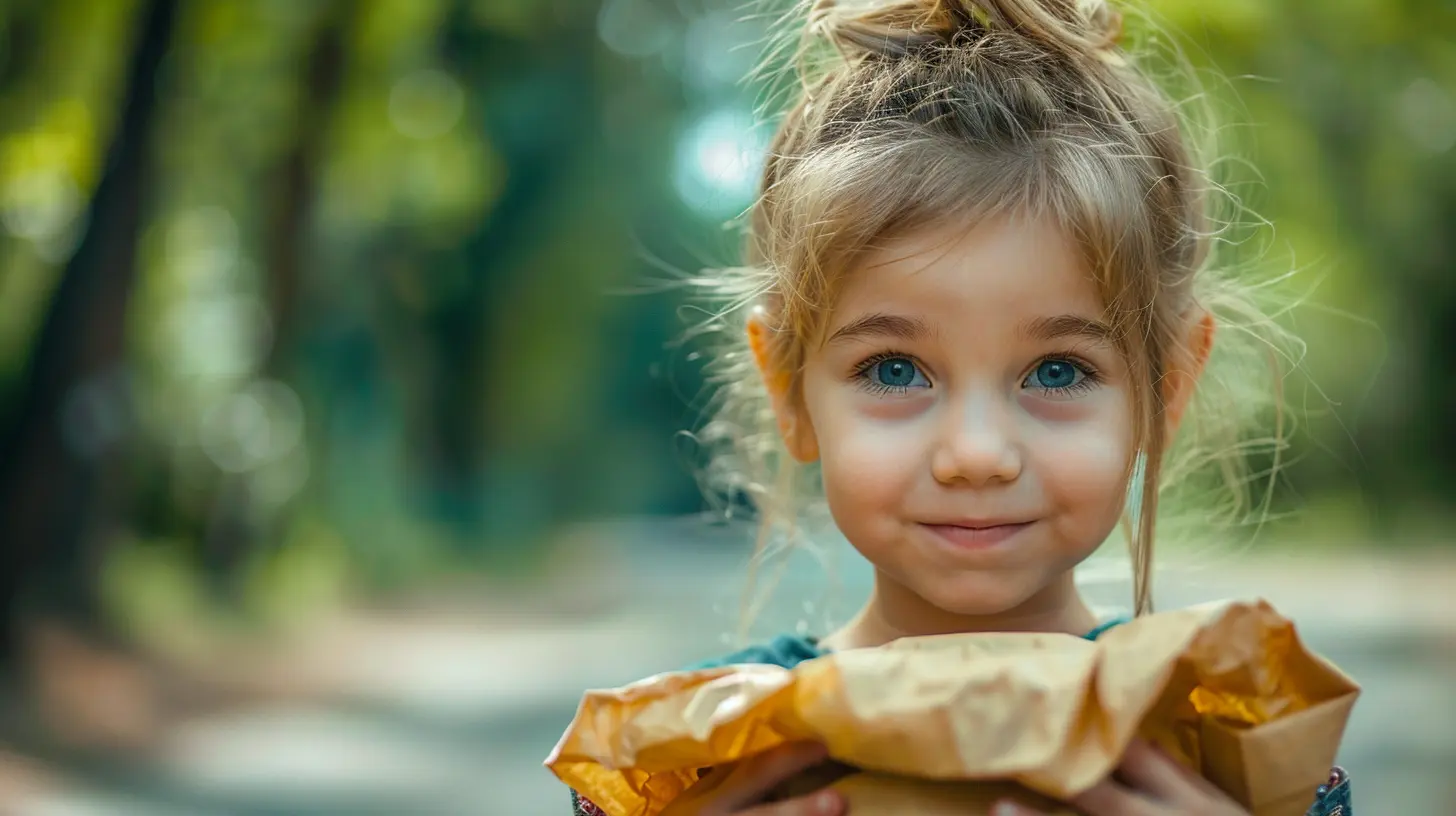
Real-Life Moments That Shape Character
Let’s talk scenarios. Imagine your 10-year-old spending the afternoon making care packages for families in need. As they pack toiletries and canned food, it dawns on them—some people don’t have toothpaste at home. Not their favorite brand. Not a travel size. Literally none.Cue the light bulb moment.
Suddenly, the toothpaste wars at home (“Mom, we’re out of the minty one!”) seem a bit... silly.
Or picture your teen helping run a kids’ craft booth at a community event. They meet children who are beaming with joy just to be there, clinging to their handmade paper crafts like treasures. It hits them—joy doesn’t come from things. It comes from experiences, connection, and kindness.
These are the lessons that stick. And they’re learned not by being told, but by doing.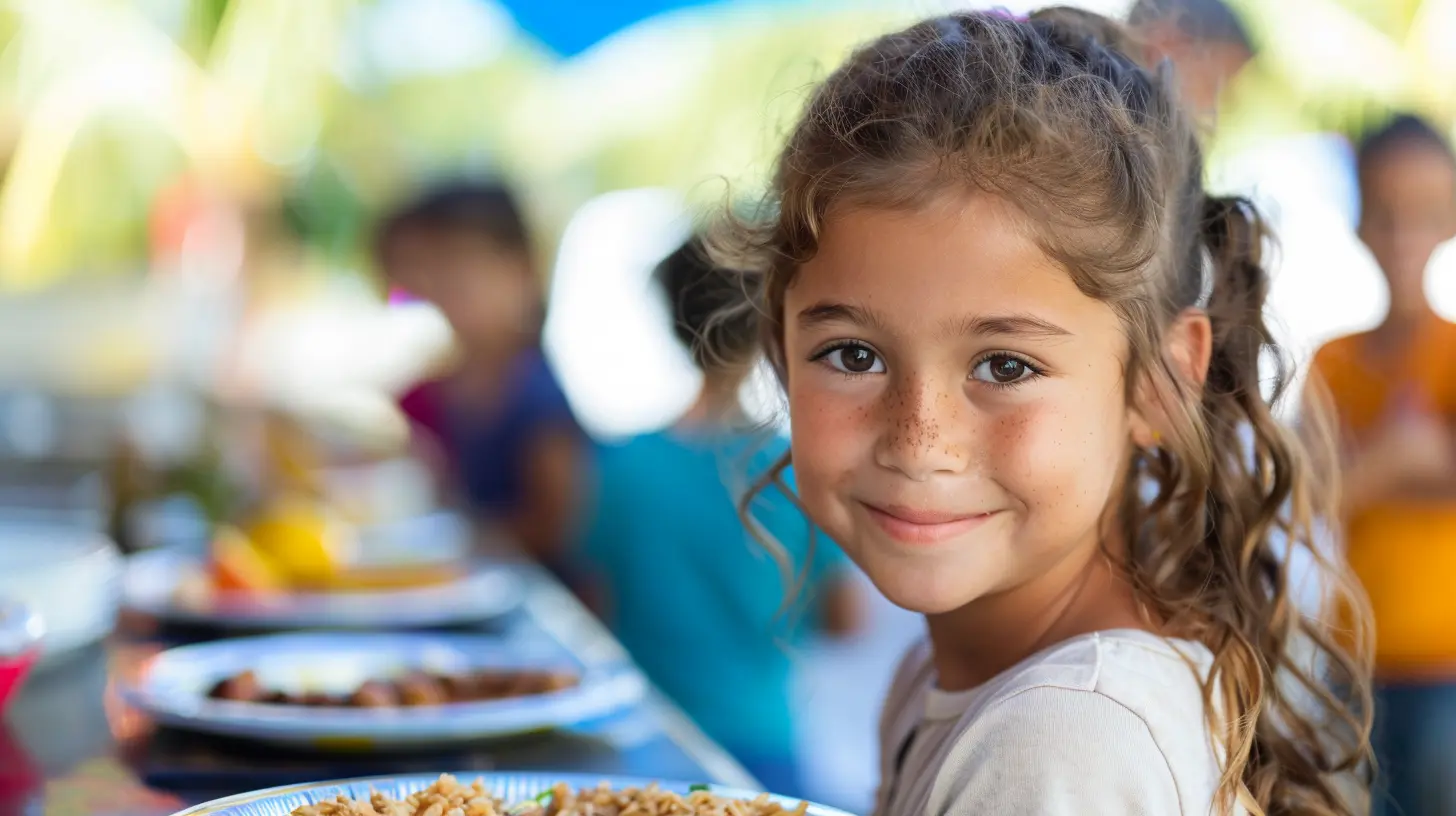
Volunteering Opportunities That Inspire Gratitude (and Don’t Induce Whining)
Now, before you go all “Mother Teresa” on your family calendar, remember: not all volunteering experiences are created equal—especially when kids are involved.Here are a few age-appropriate and impactful options:
1. Animal Shelters = Cuteness + Compassion
Feeding, cleaning, or just spending time with rescue animals is a great way for kids to develop empathy. They’ll also realize that not all pets have it as easy as Mr. Fluffy at home who eats gourmet kibble.2. Food Banks = Food for Thought
Helping sort and package food can be an eye-opener. Kids start to see that the snack drawer doesn’t refill itself—and for some families, snacks are a luxury.3. Community Gardens = Growing Gratitude
Planting, watering, and weeding alongside others teaches patience, cooperation, and appreciation for the literal fruits of their labor. Bonus: they might even eat a tomato on purpose.4. Senior Centers = Generational Gold
Chatting with seniors, playing games, or just listening to stories gives kids a deeper understanding of life’s journey—and helps them appreciate their own youth-filled, tech-fueled world.5. Holiday Drives = Season of Giving
Whether it’s coats in the winter or toys during the holidays, participating in donation drives shows kids that giving can feel just as good (if not better!) than receiving.How to Get Kids Excited About Volunteering (Instead of Rolling Their Eyes)
Okay, so how do you actually get your child to want to volunteer? Because let’s face it—saying, “Hey, wanna spend your Saturday picking up litter?” might not exactly earn a fist bump.Here’s how to make it a win-win:
✅ Let Them Choose
Empower your child to pick a cause they care about. Animal lover? Try the shelter. Budding environmentalist? Go with a beach cleanup. The more it aligns with their interests, the more invested they’ll be.✅ Make It a Family Thing
When volunteering becomes a family tradition, it feels less like a chore and more like quality time. You’re modeling kindness, bonding as a team, and maybe even turning it into your version of a weekend brunch plan (just less syrup, more sweat).✅ Keep It Short and Sweet
Start small. One-time events or short shifts help ease them in without overwhelming their attention span (or yours).✅ Celebrate Their Efforts
After a volunteering gig, talk about how it went. Highlight the good they did. Maybe even treat them to a post-volunteering hot chocolate or movie night—not as a reward, but as a way to connect and reflect.But Wait… Is Gratitude Actually Cool?
Short answer: Yup.Gratitude isn’t just an old-school virtue your grandma talks about. It’s a tool for resilience, happiness, and even social success. Kids who understand gratitude tend to be more confident, more likeable, and less likely to feel entitled.
And the best part? Volunteering doesn’t just teach gratitude in theory—it wraps it up in a big, messy, hands-on experience that sticks.
Life Lessons in Disguise
Here’s the thing: when kids volunteer, they rarely realize they’re learning anything profound. It’s sneaky like that. One minute, they’re handing out meals or playing with shelter cats, and the next—they’re reflecting on how much they have.It’s like hiding spinach in a smoothie. Delicious, and good for them.
And those gratitude “a-ha” moments? They don’t just make your kid more appreciative—they make them better humans. Which, let’s be honest, is the ultimate parenting win.
What Gratitude Looks Like After Volunteering
So what does it actually look like when kids start absorbing these lessons?- They start saying “thank you” without being prompted (yes, really!)
- They stop taking things for granted—especially the small things
- They show more compassion and empathy toward others
- They begin to grasp the idea that the world is bigger than their bubble
- They become a little more patient, a little less “gimme”
It doesn’t happen overnight, but volunteering plants the seed. And given time—it grows.
Final Thoughts: Raising Thankful Kids Just Got Easier
Let’s face it: teaching gratitude in the age of instant gratification is no small feat. But volunteering makes it achievable. It takes gratitude from a vague moral lesson and turns it into a lived experience—one bag of groceries, one wagging tail, one warm conversation at a time.So whether your kid is four or fourteen, it’s never too early (or too late) to start showing them what it means to give back—and why that makes life sweeter.
And who knows? The next time they get socks for Christmas, they might actually say, “Thank you.”
Okay... maybe not right away. But a parent can dream, right?
all images in this post were generated using AI tools
Category:
Teaching GratitudeAuthor:

Max Shaffer
Discussion
rate this article
2 comments
Arwen Cummings
This article beautifully highlights how volunteering instills gratitude in children. Engaging in community service not only fosters empathy but also helps kids appreciate their own lives. A vital lesson for nurturing kind-hearted, aware individuals.
February 9, 2026 at 5:33 AM
Max Shaffer
Thank you for your kind words! I truly believe that volunteering shapes kids in profound ways, teaching them to value gratitude and empathy.
Samuel Vasquez
Volunteering truly shapes children’s perspectives, fostering gratitude and empathy in meaningful, lasting ways.
February 2, 2026 at 5:28 PM
Max Shaffer
Thank you for your thoughtful comment! I completely agree—volunteering indeed cultivates essential values like gratitude and empathy in children.