How to Handle Separation Anxiety on the First Day of School
14 February 2026
Ah, the first day of school. Cue the tiny backpacks, brand-new sneakers that haven’t touched a speck of playground dirt, and the oversized t-shirts with “Class of 2036” printed proudly on them. It’s a milestone moment—like a rite of passage for both child and parent. But right between the “cheese!” of the back-to-school photo and the actual handing off of your mini-human to a stranger in a classroom filled with glitter and alphabet posters… comes the meltdown. The tears. The clinging. And guess what? Sometimes the kid’s not the only one crying.
Separation anxiety on the first day of school is a real thing, and if you’re already sweating just thinking about it, don’t worry—you’re not alone. Deep breaths, we’re going to laugh a little, cry a little (okay, maybe just sniffle), and get through this together.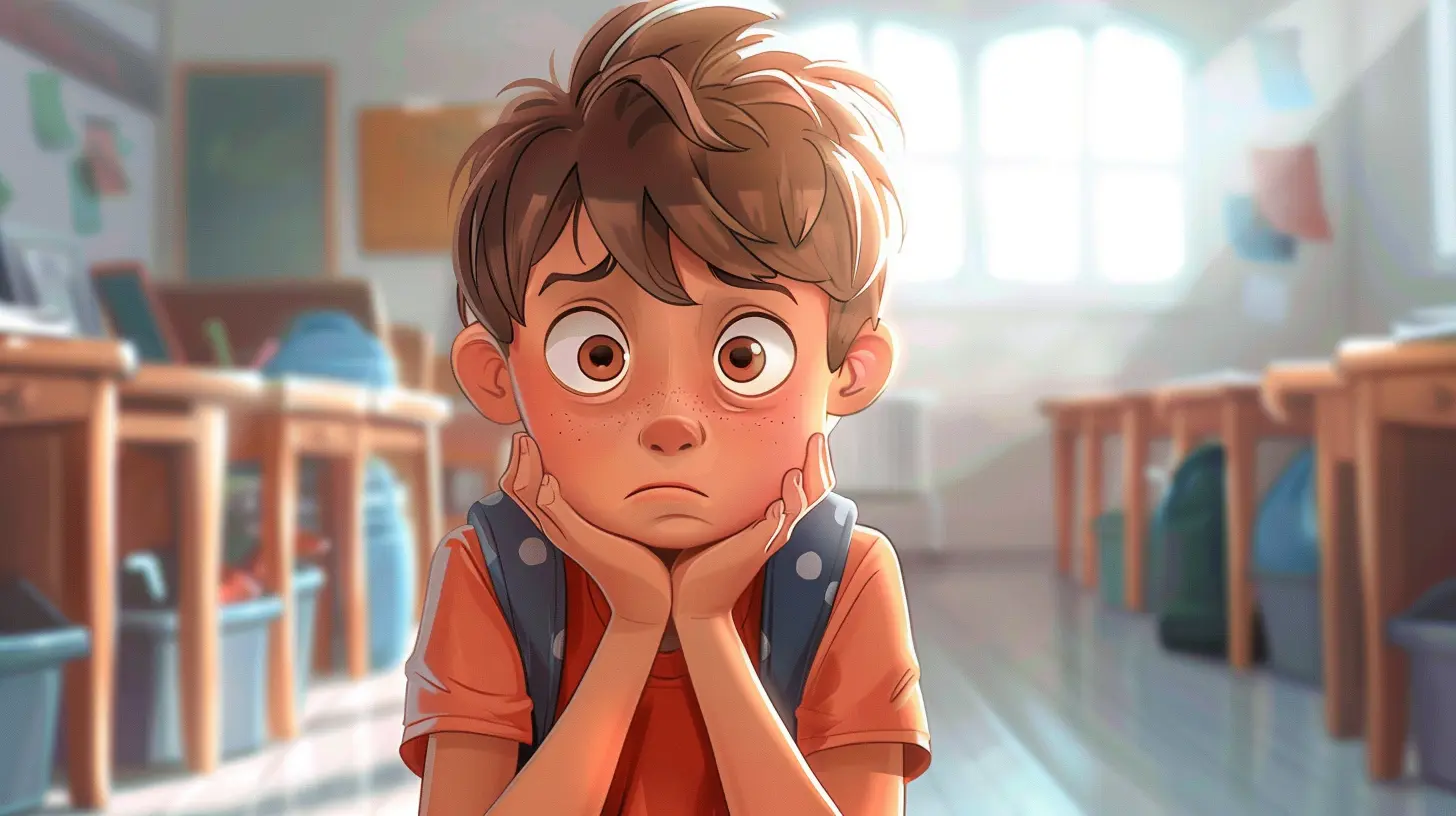
What Is Separation Anxiety, Anyway?
Before we go full comedy hour on this emotional rollercoaster, let’s quickly skip through the science-y bit.Separation anxiety is your child’s response to the idea that their safe place (aka YOU) is leaving them in a new, unfamiliar environment (aka school, a.k.a. the place with tiny chairs and questionable glue consumption habits). It’s completely normal and actually developmentally appropriate for children—particularly those in preschool or kindergarten.
Think of it as their inner GPS panicking: “Danger! Primary caregiver unit is leaving the building!”
Good news, though? It’s temporary. Bad news? It can be intense enough to make you question all your parenting decisions, life choices, and whether you can legally homeschool from your basement with zero teaching credentials. (Spoiler alert: you probably can’t. Or at least shouldn’t.)
Signs Your Kid Might Have Separation Anxiety (a.k.a. Clinginess Level 9000)
Let’s diagnose it—parent style. Here are some classic signs your tiny human might be battling separation anxiety:- Tearful or emotional goodbyes (we’re talking Oscar-worthy performances)
- Clinging to your leg like it’s their last lifeline
- Refusing to go into the classroom
- Complaints about tummy aches or headaches right before drop-off
- Following you from room to room the night before school starts (hello, human shadow!)
- Sudden hatred of anything school-related ("Crayons? I don’t even KNOW her!")
Bonus: You might get your own set of symptoms too. Like guilt. So. Much. Guilt. And maybe a public cry in your car after drop-off. (Been there, sobbed that.)
Why the First Day Hits Hard
Imagine waking up one day and being told, “Hey, you’re going to a new job today. You don't know anyone. The boss is five years older than you, everyone talks in code, and snack time is mandatory.” That’s literally what school feels like to a 4-year-old.The first day is tough because it's new. Nothing feels safe or predictable yet. The teacher is still a stranger. The classroom is unfamiliar. And their favorite stuffed narwhal is not allowed to come along. (Honestly, rude.)
Add that to their limited “I can handle big emotions” toolkit, and meltdown mode is basically inevitable.
Okay, So How Do You Handle It? (Without Moving to the Woods and Avoiding Society)
Let’s get down to business: how do you help your child (and yourself) handle separation anxiety without turning drop-off into a Broadway-level dramatic farewell scene every morning?1. Start Sooner Than You Think
Don’t wait until the night before school to casually mention, “Oh by the way, you’re going to a new place with new people tomorrow! Sleep tight!”Instead, start prepping early. Talk about school weeks beforehand like it’s the most awesome thing since chicken nuggets. Visit the school if you can. Meet the teacher. Play pretend “school” at home. Let them pack their own backpack. Get a lunchbox they’re obsessed with.
Basically, make school feel like Disneyland—minus the $400 tickets.
2. Create a “Goodbye Ritual”
Children thrive on routine. It helps them feel safe. So create a goodbye ritual that’s quick, predictable, and, most importantly, doesn’t involve you sobbing into their hair.It can be as simple as:
- A hug
- A high-five
- A secret handshake
- A “See you later, alligator!”
Whatever it is, keep it upbeat and consistent. Channel your inner Mary Poppins—practically perfect and full of magical distractions.
3. Don’t Sneak Away Like a Ninja Parent
You might think, “Hey, if I just slip out while they’re distracted by the coloring table, they won’t cry!”WRONG.
When kids realize you’ve ghosted them, it can make them more anxious in the long run. They’ll be on high alert next time, clinging like a baby koala with separation trust issues.
Always say goodbye. Clearly. Sweetly. Quickly. Then leave like you’re walking away in slow motion in an action movie—with zero hesitation.
4. Keep Your Cool (Even If You’re Dying Inside)
Children are emotional sponges. If you're feeling anxious, they’ll suck up those vibes faster than spilled apple juice through paper straws.So fake it ‘til you make it, friend.
Put on that confident, cheerleader-parent smile. Say, “You’re going to have SO much fun today!” even if your anxious inner monologue is screaming, “WHAT IF THEY NEED ME AND I’M NOT THERE AND THEY FORGET TO EAT AND—”
Save that panic spiral for the group text with fellow parents later.
5. Create a Goodbye Token
No, not a gold coin (though that would be adorable). A goodbye token is a small object they can keep in their pocket as a reminder of you.Ideas include:
- A small rock painted with a heart
- A keychain with your photo
- A “worry stone” they can rub
- Matching bracelets
It’s like giving them a little piece of you to take along—without cloning yourself.
6. Stay Consistent
Don’t change the goodbye plan every day. One day you walk them in, the next you leave at the curb, the next you bribe them with candy.Keep your goodbye the same every day. Children love predictability the same way adults love coffee and quiet.
7. Resist the Rescue
Listen, it’s hard. You hear their cry—your baby’s heart-wrenching, soap-opera-level cry—and every cell in your body wants to scoop them up and run for the hills.But if you swoop in and rescue them too soon, you're unintentionally teaching them, “Hey, if I cry loud enough, Mom/Dad cancels school, brings me home, and feeds me snacks.”
Let the teachers do their thing. Most kids calm down within minutes after you're gone. Go ahead, ask the teacher to text you a smiley-photo update later—you deserve peace of mind too.
What If… Separation Anxiety Happens to YOU?
Let’s be real. Sometimes it’s not the kid who has the separation anxiety—it’s you. You drop them off, they waltz right in like they own the joint, and YOU are left clutching the steering wheel in full emotional disarray.Guess what? That’s okay. You’ve spent years keeping this tiny creature alive, preventing their daily attempts at chaos (and toilet paper unspooling). It's normal to feel a little... lost.
Treat yourself to some self-care. Coffee. A walk. A good cry. Call a friend. And remind yourself: independence is a sign you’ve done your job right. Go you!
Tips for Teachers (Because They’re Saints in Sneakers)
If you’re a teacher reading this—first, bless you. Second, here are a few quick things to help those nervous kiddos:- Greet them by name with a smile
- Get down to their level when speaking
- Offer a soft, safe toy or job to distract them
- Don’t force hugs or physical touch
- Praise their bravery (even if it’s just a half-smile)
And don’t forget the magic words: “Mom/Dad will be back after the day’s done.” It makes a world of difference.
When to Worry (and When to Just Wine)
Separation anxiety is normal. But if it drags on for weeks, worsens, or starts to interfere with other parts of life (e.g., they're not eating, sleeping, or showing interest in anything fun), it might be time to chat with a pediatrician or child therapist.Otherwise, pour yourself a big ol' cup of grace and know this: You're not failing. You’re parenting. And that’s no joke.
Final Thoughts: You’ve Got This
The first day of school isn't the end of the world—though it may feel like it. It's actually the beginning of a beautiful, messy, growth-filled chapter. Whether it's your first drop-off or your fifth, those emotions mean you're doing parenting right.Eventually, separation anxiety fades, routines become second nature, and drop-offs go from horror movie scenes to quick “Bye, love you!” flybys.
Until then? Hugs. Deep breaths. And maybe keep a stash of tissues and chocolate in the glovebox. Just in case.
all images in this post were generated using AI tools
Category:
School ReadinessAuthor:

Max Shaffer
Discussion
rate this article
2 comments
Jack Romero
Separation anxiety on the first day of school is common and natural. To ease the transition, establish a consistent drop-off routine, offer reassurance, and validate your child's feelings. Creating a positive school experience can help them build confidence and ease their anxiety over time.
February 20, 2026 at 3:52 AM
Max Shaffer
Great tips! A consistent routine can really make a difference. Thanks for sharing your insights.
Poppy Price
Great tips! Remember, a little cuddling and confidence can go a long way. You’ve got this!
February 15, 2026 at 5:50 AM
Max Shaffer
Thank you! Cuddling and confidence truly make a difference. I appreciate your support!