How to Create a Village: Modern Parenting Communities for 2027
15 April 2026
Remember that old saying, “It takes a village to raise a child”? We nod along, we agree wholeheartedly, and then we often look around our quiet street, our bustling but anonymous apartment building, or our jam-packed schedules and think… But where on earth is my village?
It can feel like a beautiful, mythical concept—something our ancestors had but we’ve lost in the shuffle of modern life, digital distractions, and geographic scatter. The village wasn’t just a nice idea; it was a functional, vital support system. It was the neighbor who watched the kids for an hour, the elder who shared wisdom, the friend who brought a meal after a birth, the collective eyes keeping the community safe.
So, here’s the million-dollar question: If the traditional village square is now a digital feed and our “neighbors” might be continents away, how do we forge that essential web of support today? More importantly, what will this look like as we speed toward 2027? The truth is, the village isn’t gone. It’s just evolved. It’s waiting to be built, not found. And you? You’re the architect.
The Loneliness Paradox: Why We Need the Village More Than Ever
Let’s be brutally honest for a second. Parenting in the 21st century can be profoundly isolating. We have more information at our fingertips than any generation before us, yet we often feel more uncertain. We’re connected to hundreds of “friends” online, yet we can go days without a meaningful, face-to-face conversation about the sheer chaos and joy of raising tiny humans.We’re expected to do it all, often while managing careers, and we’re doing it further from our extended families. This isn’t a complaint; it’s just the reality of our mobile, globalized world. But our biology, our psychology, and our children’s development haven’t caught up with this new normal. We are wired for connection, for shared burden, for community. Without it, burnout isn’t just a risk—it’s almost a guarantee.
Think of it like trying to build a house alone. You might have all the tools (Google, parenting books, fancy gadgets), but without a crew to help lift the heavy beams, to offer expertise, or simply to pass you a nail when you’re holding a board in place, the process is exhausting, slow, and the structure might not be as sound. The village is your crew. And in 2027, this crew will be a hybrid masterpiece of analog heart and digital efficiency.
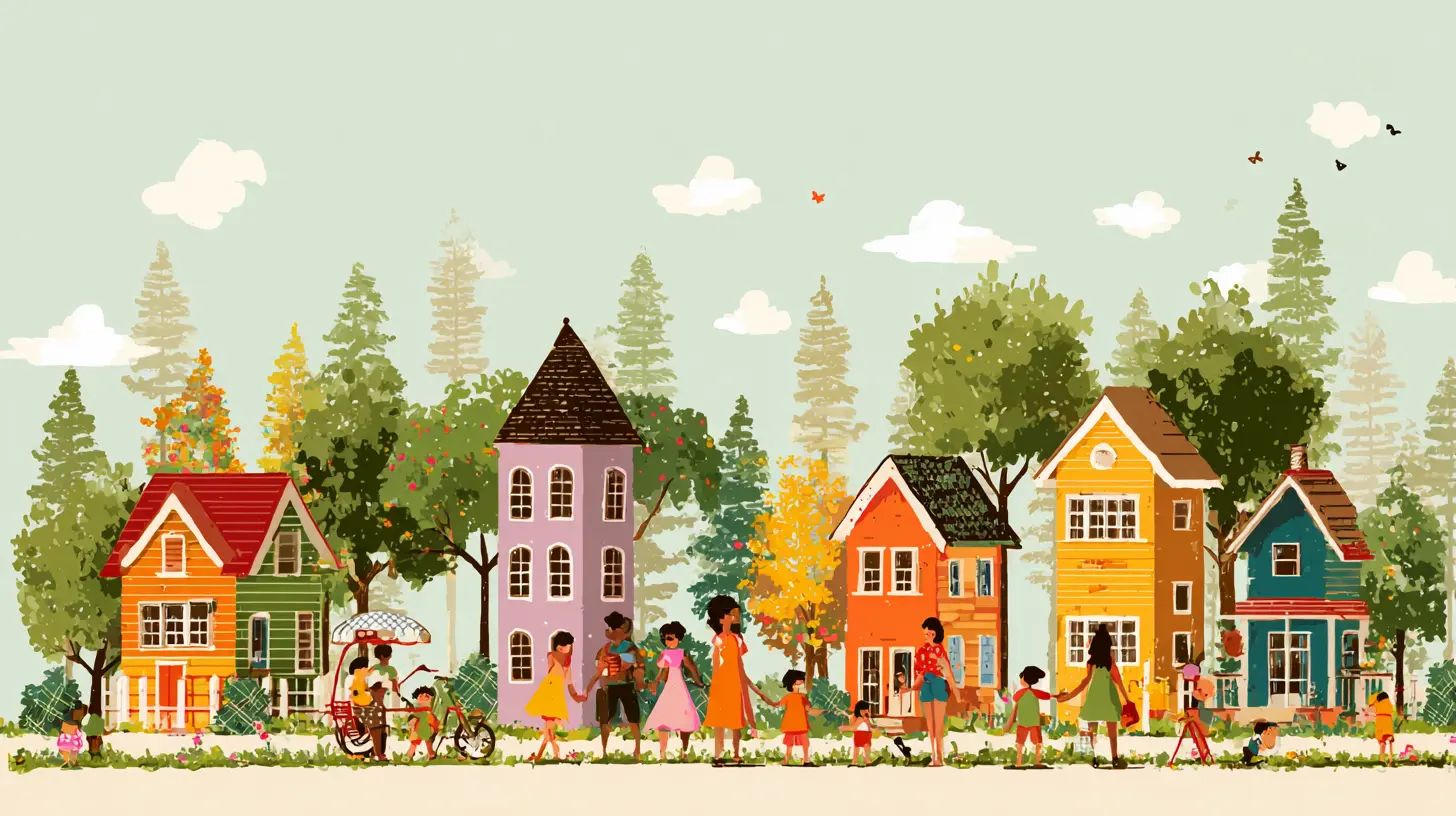
Laying the Foundation: Mindset Shifts for Modern Village Building
Before we get to the practical how-tos, we need to check our blueprint. Building a modern village requires some foundational mindset shifts.From “I Should Be Able to Do This Alone” to “Asking for Help is a Strength.” This is the big one. We’ve been sold a lie of hyper-independence. In the village, interdependence is the superpower. Asking for help isn’t an admission of failure; it’s an invitation for someone else to contribute their strength. It’s how the village comes alive.
From “Perfect Parent” to “Good Enough Partner.” Villages aren’t built by perfect people. They’re built by real, messy, sometimes-screaming-in-the-car people who show up. Drop the curtain on the performance. Your vulnerability about a tough day is a more powerful village-building tool than any picture-perfect Instagram post.
From Proximity to Purpose. Your village members might not live on your block. They might be the fellow parent you met in a 2027 virtual reality parenting workshop, the dad from a niche online forum for raising kids with similar interests, or the family you swap childcare with every other Thursday despite them living a 25-minute drive away. Connection is defined by shared values and mutual support, not just ZIP codes.
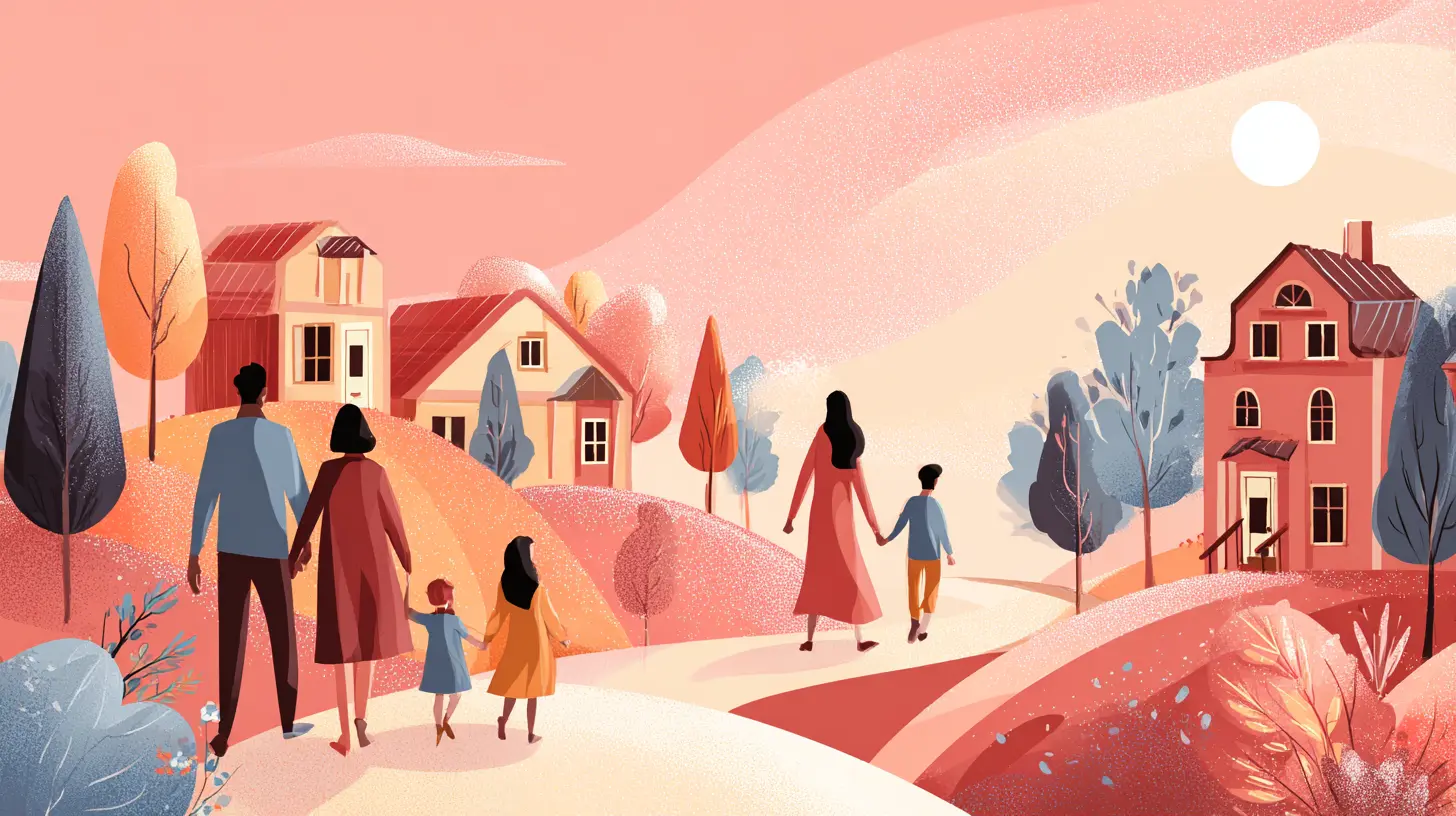
The 2027 Village Blueprint: Hybrid, Intentional, and Fluid
So, what will the village of the very-near future look like? Imagine a tapestry woven with both digital threads and real-world fibers. It’s flexible, intentional, and designed to meet specific needs. Here’s your blueprint, section by section.1. The Digital Town Square: Beyond the Like Button
The online world is our new communal well. But in 2027, it will be less about passive scrolling and more about active, purpose-driven connection.* Micro-Communities & Niche Platforms: Forget giant, overwhelming parent groups. The future is in hyper-specific apps and platforms. Think: “Parents of Teen Programmers in the Midwest,” “Single Parents in Tech Remote Workers,” or “Adoptive Families Navigating Open Relationships.” These spaces, powered by smarter AI in 2027, will connect you with stunning precision to your true “tribe,” facilitating deep discussion and real-world meetups.
* Skill-Swap Economies: Digital platforms will seamlessly facilitate real-world bartering. You’ll be able to post: “I can tutor Spanish for an hour a week in exchange for two afternoons of childcare.” A blockchain-style ledger (simpler than it sounds!) could track these exchanges of time and skill, creating a robust, trust-based local economy of support. Your graphic design skills for their homemade sourdough and babysitting? That’s 2027 village currency.
* Virtual Co-Parenting: Augmented Reality (AR) and Virtual Reality (VR) will move beyond games. Imagine putting on a headset for a “Village Playdate”—your child, in your living room, interacts with avatars of their friends in a shared digital playground while you and the other parents chat in a virtual café space, sharing a coffee and real conversation. It’s not a replacement for touch, but a powerful supplement for snow days, illness, or connecting across distances.
2. The Analog Backbone: Reclaiming Real Space & Time
Technology enables, but humanity thrives in person. The 2027 village intentionally carves out sacred, device-light space for old-fashioned connection.* Third Places on Purpose: Sociologists talk about “third places”—not home, not work, but where community happens (like a café or park). We need to create these intentionally. This could be:
* A weekly “Parent & Tot” morning at a local bookstore that’s just about presence, not a structured class.
* A rotating “Family Dinner Potluck” with 3-4 other families.
* A “Dad’s DIY Saturday” where kids and fathers build projects in someone’s garage.
* The Pod System: Create a “Parenting Pod” of 3-5 trusted families. This is your inner circle. You have a shared calendar. You operate with a high degree of trust and flexibility. One family does school pick-ups on Mondays, another hosts a Friday pizza night, another is the “emergency contact” for last-minute needs. It’s a small, manageable, deeply reliable core village.
* Intergenerational Bridges: The 2027 village actively seeks wisdom and connection across age gaps. Partner with a local senior living community for monthly “Grandfriend” story hours. Invite an elderly neighbor who gardens to teach the kids. This fills the “grandparent gap” for many and combats isolation for seniors, creating a richer, more complete community fabric.
3. The Infrastructure of Trust: Safety, Boundaries, and Communication
A village can’t stand without trust. In our modern context, we can’t assume it; we have to build it with clear communication and agreed-upon norms.* The Village Charter: Sound silly? It’s genius. With your Pod or core group, have an explicit conversation. What are our values? What does support look like? (Is it offering advice, or just listening?) How do we handle conflicts? What are our boundaries around discipline, food, screen time when kids are in each other’s care? Writing this down, even informally, prevents a thousand future misunderstandings.
* Embracing the “Casserole Rule”: In traditional villages, people showed up with food in times of need. Modernize it. Establish a rule: for any major event (new baby, illness, loss), the village organizes concrete help—a meal train, a grocery delivery sign-up, a “go-fund-me” for a cleaner for two hours. Make helping easy and specific.
* Digital Hygiene: Agree on how your village uses tech. Maybe a Signal or Telegram group for quick logistics, but a “no parenting debates” rule. Perhaps a shared photo album for pod kids, with strict privacy settings. Use tech to enhance connection, not replace or complicate it.
Your First Steps: Building Your Village, One Brick at a Time
Feeling inspired but overwhelmed? Start small. The village isn’t built in a day.1. Identify One Need: Are you lonely on maternity leave? Do you need backup childcare? Do you wish your kids had more playmates? Start with one clear need.
2. Make One Offer, Not a Ask: Instead of “I need help,” try “I’m baking extra cookies this afternoon, would anyone like to come over for a playdate and share them?” or “I’m taking my kids to the science museum Saturday, we have a spare membership guest pass if anyone wants to join.” Offering something first is a powerful magnet.
3. Show Up Consistently: Go to the same playground at the same time each week. Attend the same library story hour. Consistency turns faces into acquaintances, and acquaintances into potential village members.
4. Be the Catalyst: See a need in your existing network? Text two other parents and say, “This is hard, let’s start a weekly vent/coffee chat.” You’d be amazed how many are waiting for someone else to make the first move.
The Ripple Effect: Why Your Village Changes Everything
When you build your village, you’re doing so much more than making your own life easier. You are creating a new normal for your children. They grow up seeing community, cooperation, and shared responsibility in action. They are cared for by multiple trusted adults, giving them a wider net of security and a broader range of role models. They learn that it’s okay to need others—a lesson that will serve them for life.As we look toward 2027, the most innovative parenting tool won’t be a smarter baby monitor. It will be the intentional, brave, messy, and beautiful act of reaching out and saying, “Hey, let’s figure this out together.” Your village is out there, in the digital ether and the physical world, full of other architects just like you, looking for their crew.
So, pick up your tool. Send that text. Host that potluck. Join that niche group. Start weaving your tapestry of support. Because the village isn’t a place you find. It’s something you create, one connection at a time. And the future of parenting depends on it.
all images in this post were generated using AI tools
Category:
Parenting And Support SystemsAuthor:

Max Shaffer
Discussion
rate this article
2 comments
Loretta McCarty
What a fantastic read! Building a supportive parenting community is essential in today’s fast-paced world. Your insights on modern ways to connect with others are inspiring. It’s empowering to know we can create a nurturing village for our children and ourselves. Here’s to fostering those vital connections!
April 26, 2026 at 3:21 AM
Buzz Morrow
Building a supportive community is essential for modern parenting—let's prioritize connection and collaboration!
April 24, 2026 at 2:37 AM
Max Shaffer
Absolutely. Connection isn't a luxury for modern parents—it's the backbone of resilience in 2027. Let's build it together.