Smart Toys in 2026: Learning or Surveillance?
19 April 2026
Ah, the world of toys! Remember when a simple doll or a classic LEGO set was the pinnacle of playtime? Fast forward to 2026, and we find ourselves in a realm where toys are not just playthings; they’re smart, connected, and sometimes, a little too smart for comfort. But here's the question that looms over our playrooms: Are these toys enhancing our children's learning experiences, or are they creeping into the territory of surveillance? Buckle up, parents, because we're diving into the fascinating and slightly controversial world of smart toys!
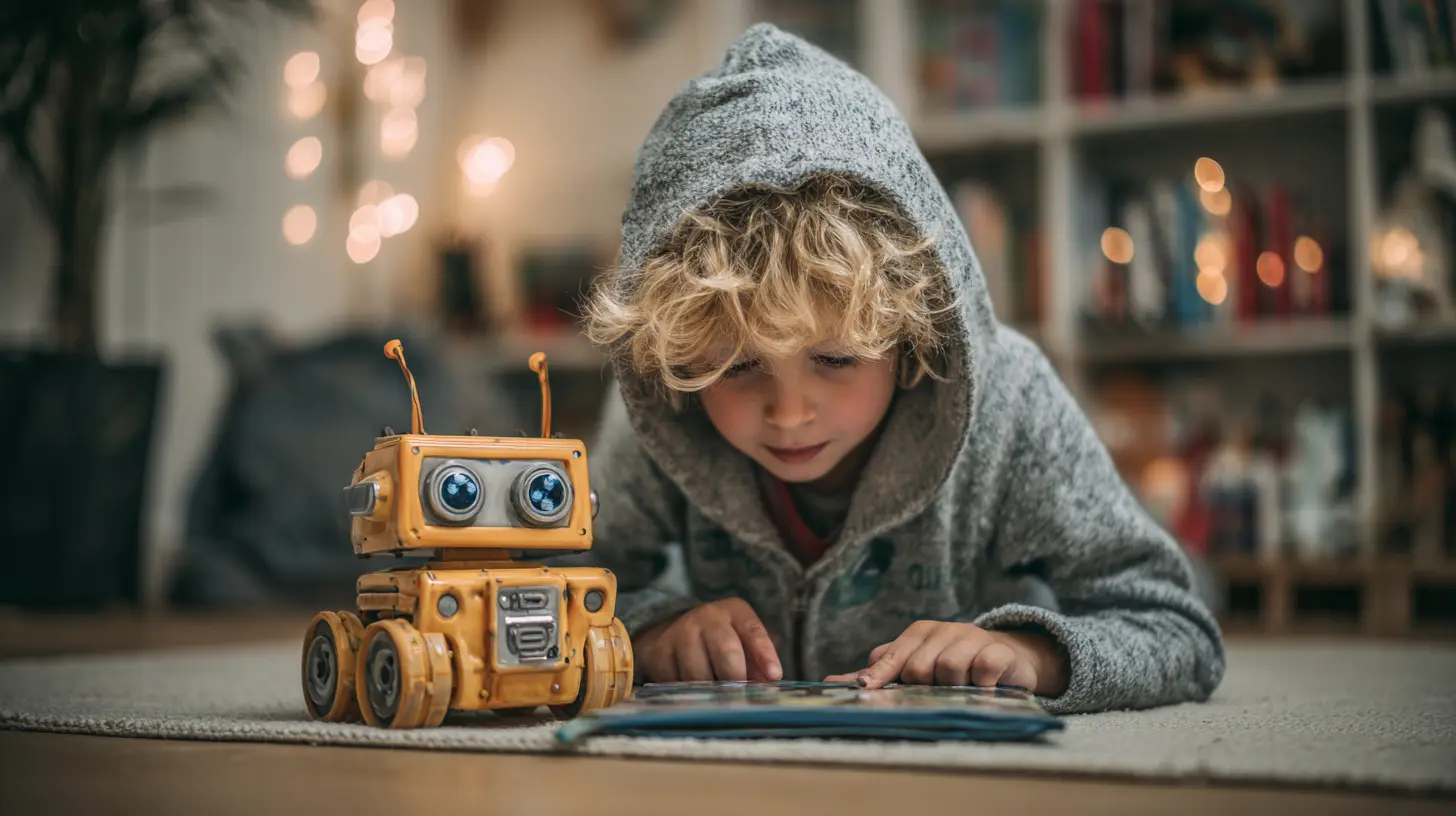
The Rise of Smart Toys
It's hard to ignore how quickly technology has infiltrated every aspect of our lives, including our children's playtime. Smart toys have evolved from simple electronic gadgets to sophisticated devices equipped with artificial intelligence, sensors, and internet connectivity. Think about it—now children can have toys that talk back, learn from them, and even adapt to their individual preferences.What Exactly Are Smart Toys?
Smart toys are interactive devices designed to engage children in a way that traditional toys simply can't. They often come with features like:- Voice Recognition: Allowing kids to interact with the toy through conversation.
- Adaptive Learning: Tailoring experiences based on the child’s learning pace.
- Internet Connectivity: Offering access to online content and communities.
For instance, a smart plush bear might engage in storytelling, understand questions, and even change its narrative based on the child's responses. Sounds exciting, right? But here’s the catch—while they can aid in learning, we also need to consider the implications they carry.
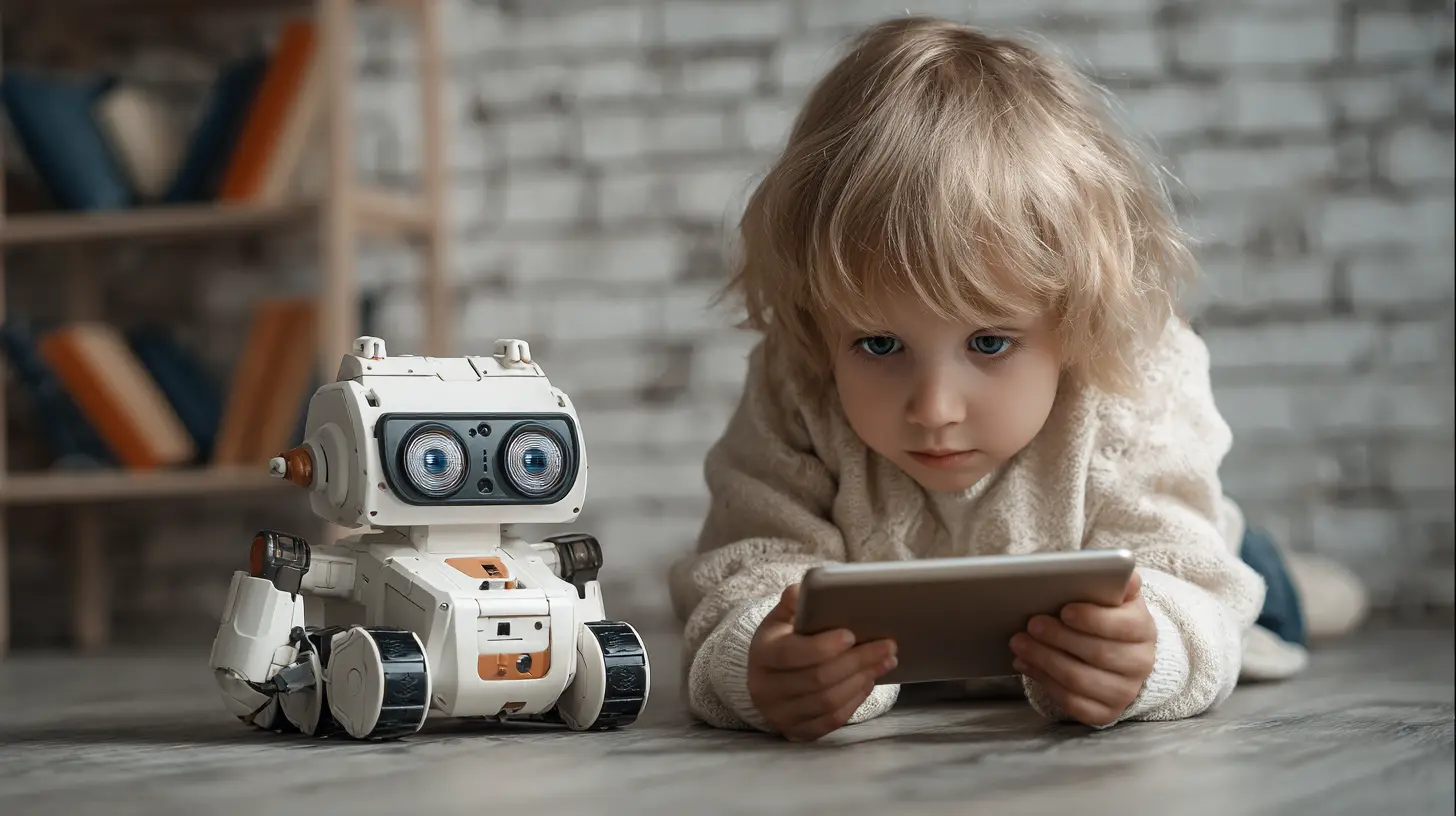
The Learning Benefits of Smart Toys
Let's not throw the baby out with the bathwater. Smart toys can indeed offer some significant benefits for learning and development. Here’s how:1. Enhanced Engagement
Have you ever tried getting your child to read a book? It can sometimes feel like pulling teeth. Enter smart toys, which can transform learning into a game. With interactive storytelling and problem-solving challenges, kids are more likely to engage and absorb the information presented to them.2. Individualized Learning
Not all kids learn the same way, and this is where smart toys shine. By adapting to each child’s learning style, they can provide personalized experiences that traditional toys simply cannot. A child struggling with math might find joy in a game that teaches concepts through fun, engaging challenges.3. Encouraging Critical Thinking
Many smart toys are designed to encourage critical thinking and creativity. They challenge children to solve problems, think outside the box, and even collaborate with peers. For example, a coding robot can introduce basic programming concepts by allowing kids to "code" their way through an adventure.
The Dark Side: Surveillance Concerns
Now, let’s flip the coin. While smart toys have their merits, they also raise serious concerns, particularly around privacy and surveillance.1. Data Collection
One of the biggest issues with smart toys is their ability to collect data. Many of these toys gather information about the child’s interactions, preferences, and even their conversations. This data is often stored and processed, which opens a can of worms regarding privacy. Who has access to this data? How is it used? These are questions that should keep parents awake at night.2. Monitoring Behavior
Think about it: a toy that listens to your child's every word can be incredibly useful in terms of personalized learning, but it also serves as a surveillance device. While manufacturers often assure parents that data is anonymized and used solely for improvement, there’s always a lingering doubt. Can we truly trust them?3. Parental Controls: Are They Enough?
Many smart toys come with parental controls, which sounds great in theory. But in practice, these controls can be complicated and often require tech-savvy parents to navigate. An average parent might not feel comfortable adjusting settings or understanding privacy policies. This raises an important question: Are we really in control of our children's playtime?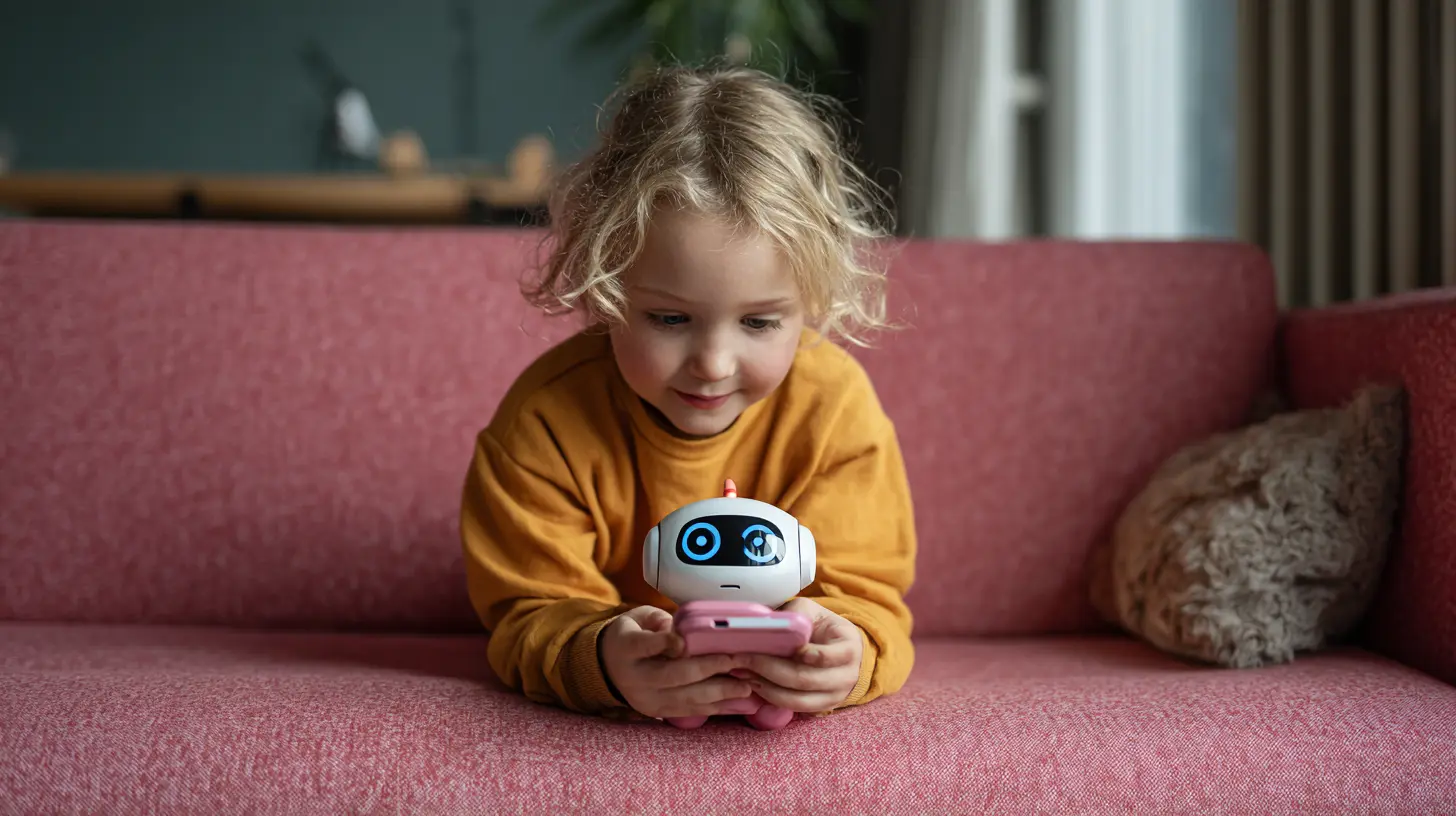
Balancing Act: Learning vs. Surveillance
So, where do we draw the line? It’s clear that smart toys can be valuable educational tools, but they also carry risks that we cannot ignore. To strike a balance, here are some tips:1. Do Your Research
Before purchasing any smart toy, take the time to read reviews and understand the privacy policies. Look for toys that prioritize data security and offer transparency about how they use and store your child's data.2. Set Boundaries
As with any technology, setting boundaries is crucial. Limit the amount of time your child spends with smart toys, and encourage them to engage with traditional toys that promote unstructured play. It’s all about finding that sweet spot between tech and traditional play.3. Foster Open Communication
Talk to your children about the toys they use. Make sure they understand how these toys work and the importance of privacy. Teaching them about technology and data security from a young age can empower them to make informed decisions in the future.The Future of Smart Toys
As we look ahead, the world of smart toys will undoubtedly continue to evolve. With advancements in AI and machine learning, we might see even more immersive and interactive experiences. But amid these innovations, we must remain vigilant.1. Ethical Manufacturing
As consumers, we should demand ethical practices from manufacturers. Companies need to prioritize children's safety and privacy over profit margins. This could include enhanced encryption, clearer communication about data usage, and more robust parental controls.2. Community Engagement
Parents and educators should engage in conversations about smart toys in various forums, from social media to school PTA meetings. By sharing experiences and concerns, we can collectively advocate for safer, more effective smart toys.3. Legislative Action
On a larger scale, policymakers should pay attention to the implications of smart toys. Regulations that protect children’s data and ensure manufacturers are held accountable can help safeguard our children’s futures.
Conclusion: Embracing the Future Wisely
As we navigate this brave new world of smart toys, let’s embrace the potential for learning while remaining cautious of the hidden dangers. Smart toys can be a powerful tool in our children's development, provided we approach them with a critical eye. After all, we want our children to thrive, not just survive in a tech-driven world.So, what do you think? Are you ready to embrace the smart toy revolution, or do you have reservations? Whatever your stance is, it’s crucial to stay informed and involved in the conversation. The future is bright, but only if we choose to illuminate it wisely!
all images in this post were generated using AI tools
Category:
Parenting And TechnologyAuthor:

Max Shaffer
Discussion
rate this article
2 comments
Lark Lopez
Finally, a toy that knows my kid's math level *and* that I hide the cookies. Cool, but also… slightly creepy.
April 30, 2026 at 4:44 AM
Max Shaffer
It's definitely a fine line between helpful and invasive. The technology can enhance learning, but privacy concerns are real.
Beth Wade
This article raises important questions about the balance between educational benefits and privacy concerns of smart toys. As technology advances, it’s crucial for parents to stay informed and advocate for their children's privacy and security. Thank you for this insightful piece!
April 24, 2026 at 4:13 PM
Max Shaffer
Thank you for your thoughtful comment. It's essential for parents to navigate these challenges as technology evolves. I'm glad you found the article insightful.