How Music and Dance Can Bring Siblings Closer Together
29 June 2026
Let’s be honest—when it comes to sibling relationships, it’s often less about “rainbows and butterflies” and more about “don’t touch my stuff!” and “you’re breathing too loudly.” Sound familiar? If you're a parent who's ever felt like a full-time referee in a WWE-esque showdown between your kids, you're not alone.
But, good news—you’ve got a secret weapon you might not be using enough: music and dance. Yep, that’s right. The very things your children blast at max volume and flail around to like caffeinated squirrels might actually be the magical glue that bonds them together. Who knew?
So, buckle up, because we’re diving into the wonderfully chaotic, surprisingly heartwarming world of how music and dance can actually bring siblings closer together—and give you a few minutes of well-earned peace and quiet. Or at least fewer decibels of screaming.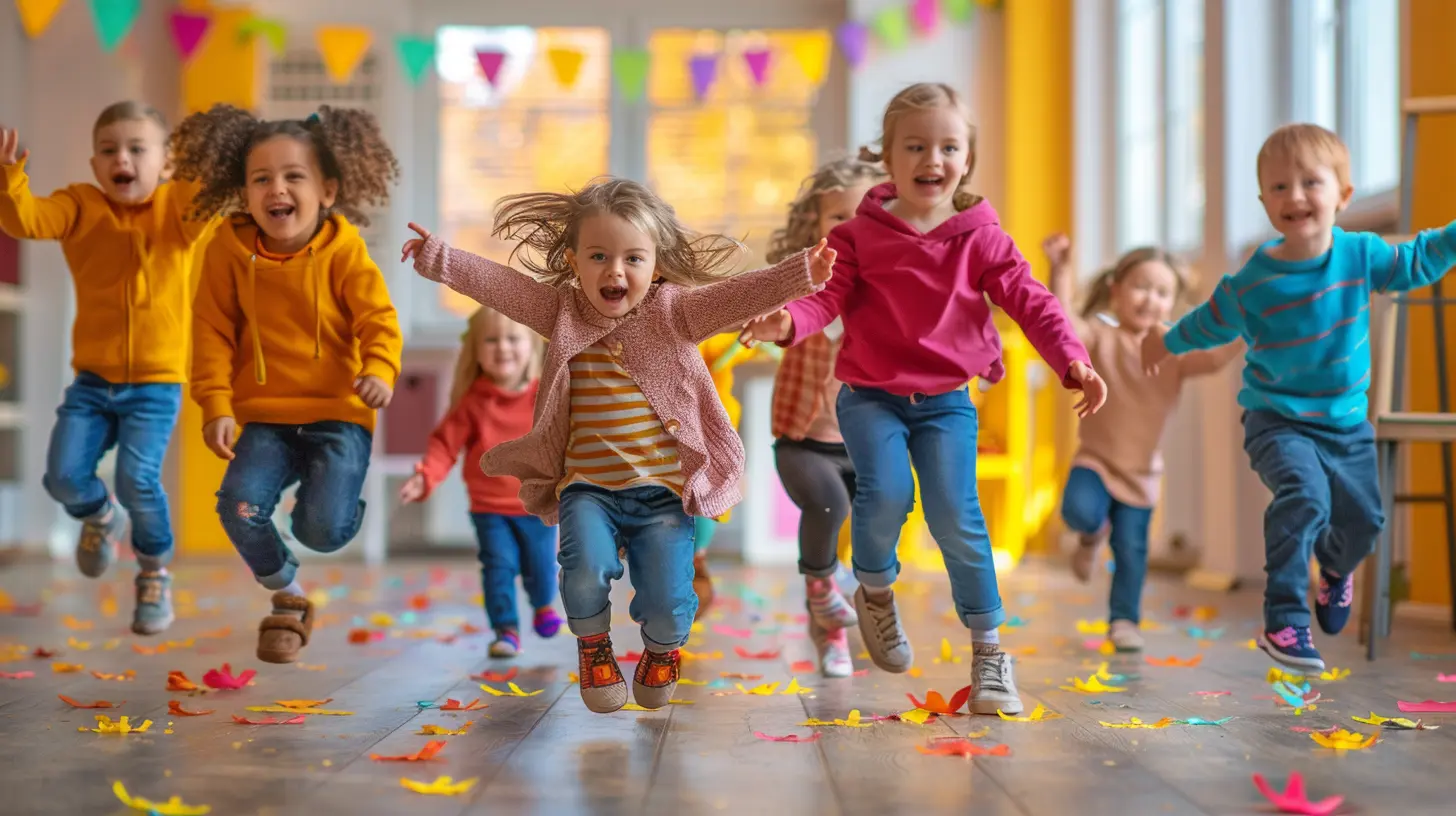
Sibling Rivalry: The OG Battle Royale
Before we dive into the solution, let’s talk about the problem: sibling rivalry. It’s been around since Cain and Abel, and if you’ve got more than one kid under your roof, odds are you’ve got a front-row seat to the 24/7 drama series titled “My Sister Took My Charger AGAIN.”Now, there's plenty of advice out there about how to reduce sibling rivalry—reward charts, conflict resolution workshops, empathetic communication (yeah, okay)—but guess what’s cheaper, way more fun, and doesn't involve a therapist? Music and dance.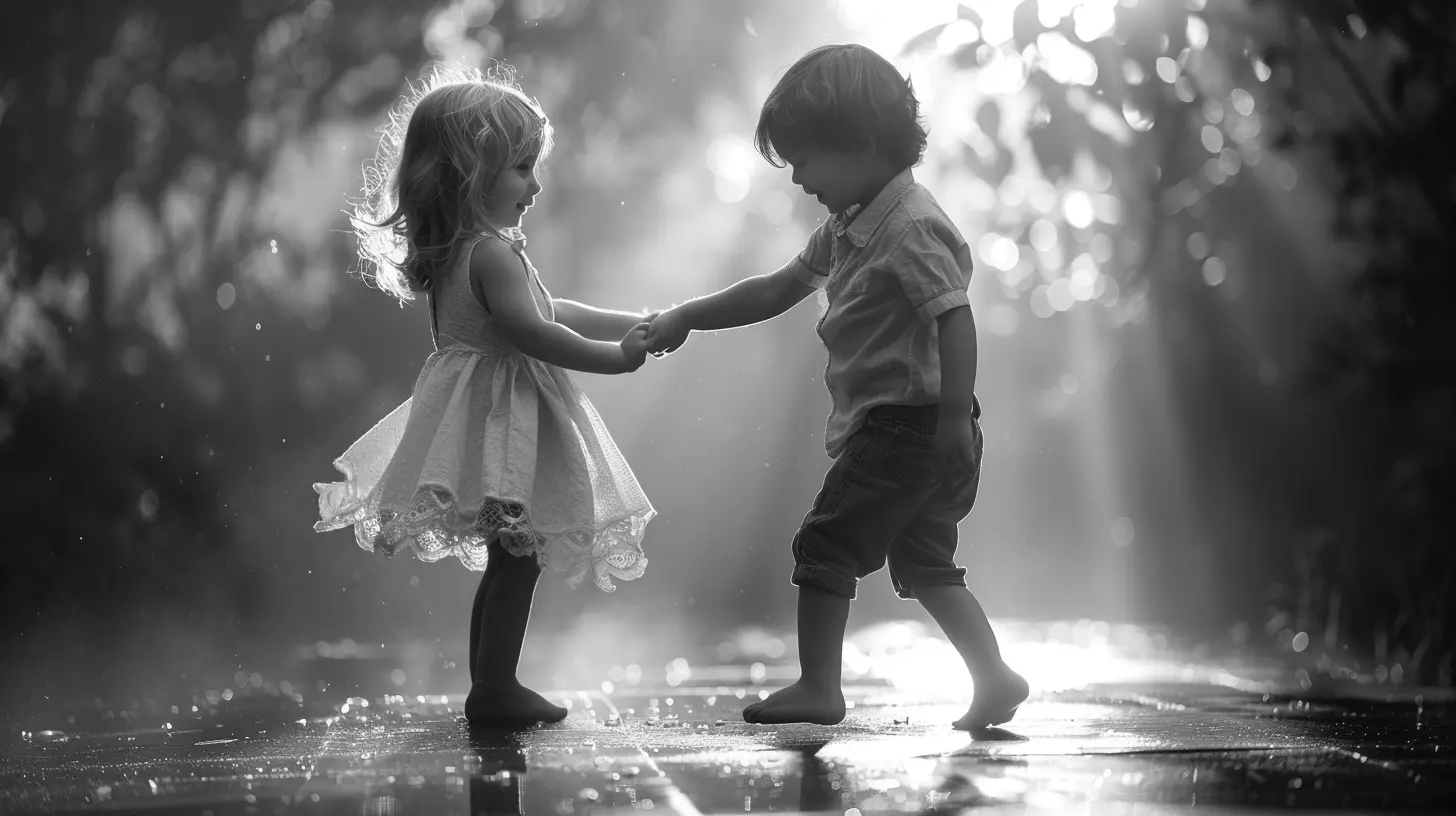
The Healing Power of Boogying Beats
Imagine this: your kids locked in a passive-aggressive standoff over who gets the last Pop-Tart. You turn on their favorite song—cue the opening notes of something upbeat and slightly ridiculous—and suddenly, the room shifts. One foot taps. Then another. And before you know it, they're grinning, dancing, and quite possibly attempting something that looks like Fortnite emotes meets interpretative ballet.Magic? No. Music and dance.
Why Music and Dance Work Like Brother-Sister Super Glue
Let’s break it down, shall we?1. Shared Experiences Build Bonds
When siblings engage in something together—especially something fun and non-competitive—it creates shared memories. Whether it's choreographing a silly TikTok routine or belting out Disney duets in the car, these are the moments they’ll look back on (and hopefully not sue each other over when they’re adults).2. It Levels the Playing Field
Music and dance don’t care about age gaps. Whether your kids are two years apart or seven, a good beat brings everyone to the same level of goofy. No one's the boss when everyone's busy doing the worm across the living room rug.3. It Builds Empathy (Without the Preachy Talk)
Dancing together requires cooperation, timing, and paying attention to each other’s moves—literally. Singing together takes listening and harmony (at least emotional harmony, if not vocal). Without realizing it, they’re learning to move as a team. And isn’t that the dream?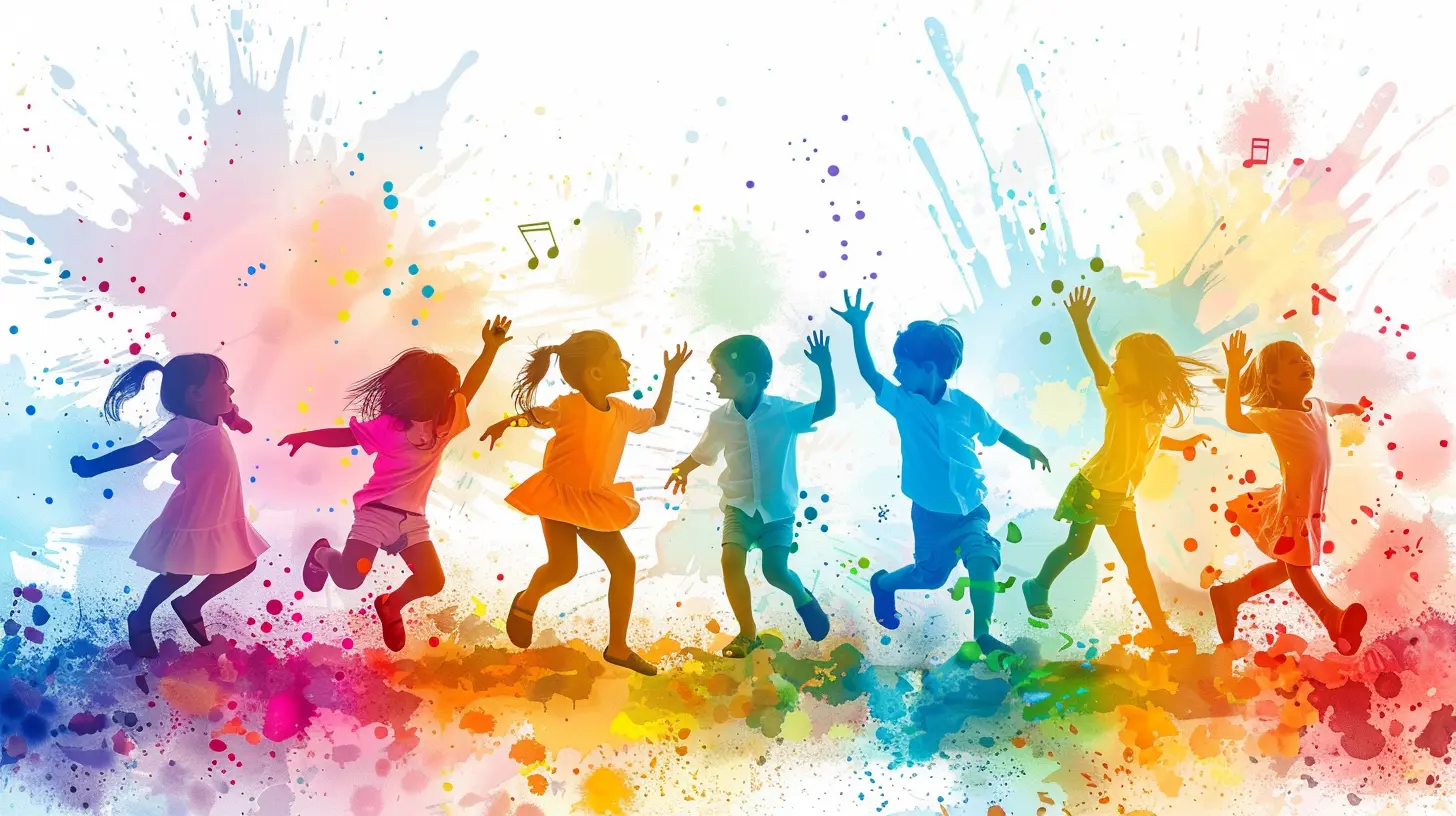
How to Make it Happen (Without Losing Your Mind)
So now that we’ve established this is actually a thing, how do you get your bickering gremlins to buy into it? Don’t worry, you don’t need to be the Von Trapp family or invest in matching jazz hands gloves. Here's how to sneak sibling bonding in through the musical backdoor:1. The Impromptu Living Room Dance Party
No schedule, no routine, no choreography. Just music, space, and an open invitation. Blast those tunes—bonus points for the most ridiculous throwback hits you can find. As the parent, it’s your job to set the tone, which means yes…you’re dancing too. (Look, your kids already think you’re weird. Roll with it.)2. Family Karaoke Night (a.k.a. Screaming with Style)
You don’t need a machine—just a screen, lyrics, and maybe a wooden spoon microphone. Let siblings pair up for duets, assign silly costume themes, or score each other (nicely). The idea is to keep it light, loud, and a little bit LOONY.3. TikTok Time (Even if You Think It's Silly)
Okay, okay—if your kids are older, they’re probably way ahead of you here. Let them show YOU a dance. Better yet, suggest they create one together. You’ll be amazed at how much sibling teamwork is required to perfect a 30-second routine that looks effortless but took 40 takes.4. Create a “Sibling Soundtrack”
Let them pick their favorite songs and mash them into the ultimate sibling playlist. You’d be shocked at how this seemingly chaotic collection can become “their” music. A soundtrack of inside jokes, embarrassing sing-alongs, and “remember when you fell off the bed doing that move?” moments.5. Host a Theme Night
Think “Decades Night” (hellooo, ‘80s jams and neon), “Musical Madness” (nothing but showtunes), or “International Beats” (shake it to global grooves). Let kids plan it—they’ll argue over some details, sure, but also collaborate for a shared goal. Sneaky parenting win.
The Unexpected Bonuses of Musical Mayhem
Still not convinced that music and dance are your parenting power-ups? Let’s go over some side effects that’ll make you want to add a DJ table to your living room decor:1. Improved Communication
It’s hard to be mad at someone when you’re both doubled over laughing from a failed dance stunt. Suddenly, conversations open up. Apologies flow easier. The icy stares thaw just a bit.2. Boosted Confidence
Performing together (even just for the family dog) helps kids gain confidence in front of others—and in each other. They cheer each other on, compliment moves, and maybe even say something nice without being bribed.3. Better Physical Coordination (Bye, Couch Potatoes)
Let’s face it—kids spend a lot of time sitting. Music and dance get them moving, building coordination and energy control. They’re learning rhythm, balance, and endurance, all while pretending they’re in a music video.4. Resilience and Humor
Not every note will hit. Not every move will land. And that’s the beauty—music and dance teach kids to laugh at mistakes, try again, and enjoy the process. What better lesson for life and for siblinghood?But Wait—What If They Hate Each Other Right Now?
Ah, yes. The nuclear cold war of sibling dynamics. When even eye contact might cause a meltdown, it’s tempting to throw in the towel (or use it to separate them).Start small. Maybe they don't want to dance together, but they’ll agree to pick songs for a playlist. Maybe they won’t do a duet, but they’ll both appear in the family dance battle (parents vs. kids, anyone?).
And if one gets into it first? Oh baby, you’ve got yourself a case of positive peer pressure. Because nothing motivates a kid like seeing their sibling getting attention for something fun. Sibling FOMO is real.
Real Talk: Don’t Force the Funk
Here’s the thing—you can’t make siblings like each other through interpretive dance. (Sad, we know.) But you can give them opportunities to connect. The magic of music and dance isn’t in perfect choreography or Insta-worthy moments. It’s in the shared smiles, spontaneous eye-rolls, and the “remember when we…” stories.You’re not trying to raise Jabbawockeez. You’re trying to raise human beings who understand each other a little better.
And if they build a stronger bond while doing the Cha Cha Slide on the kitchen floor? Well, that’s frosting on the bonding cake, isn’t it?
Final Thoughts: Less Fighting, More Funk
Parenting is exhausting. Sibling fighting is next-level exhausting. So why not fight fire with funk?Music and dance aren’t just fun distractions. They’re emotional outlets, physical expression, and—believe it or not—a fast track to sibling connection. Sure, it won’t fix everything. Your kids will still argue. But maybe they’ll argue less after their epic dance-off.
Or at least be too tired to fight because they just nailed a 3-minute TikTok routine on their 57th try.
So go on—crank up that playlist, clear a space in the living room, and let the dance floor therapy begin.
(Just maybe hide the breakables first.
all images in this post were generated using AI tools
Category:
Sibling BondingAuthor:

Max Shaffer
Discussion
rate this article
2 comments
Opal Cross
Music and dance create joyful memories and strengthen bonds, making sibling relationships more vibrant and connected.
August 13, 2026 at 2:26 PM
Max Shaffer
Absolutely! Music and dance have a unique way of bridging gaps and creating lasting joy between siblings. Those shared moments are truly special.
Charlotte Summers
Music and dance offer a fun way for siblings to bond. Shared rhythms and movement not only boost their creativity but also create lasting memories, helping them navigate their relationship with joy and connection.
June 30, 2026 at 3:42 PM
Max Shaffer
Absolutely! Music and dance truly create a unique space for siblings to connect, fostering creativity and joy in their relationship. Those shared moments are priceless.