Helping Your Children Respect Each Other’s Differences
23 November 2026
In today's diverse world, teaching children to respect each other's differences is essential. This skill not only fosters a sense of community but also prepares them for a future where collaboration and understanding are key. Here, we will delve into practical strategies, insights, and real-world examples to help you guide your children in this vital area.
Understanding Differences
What Are Differences?
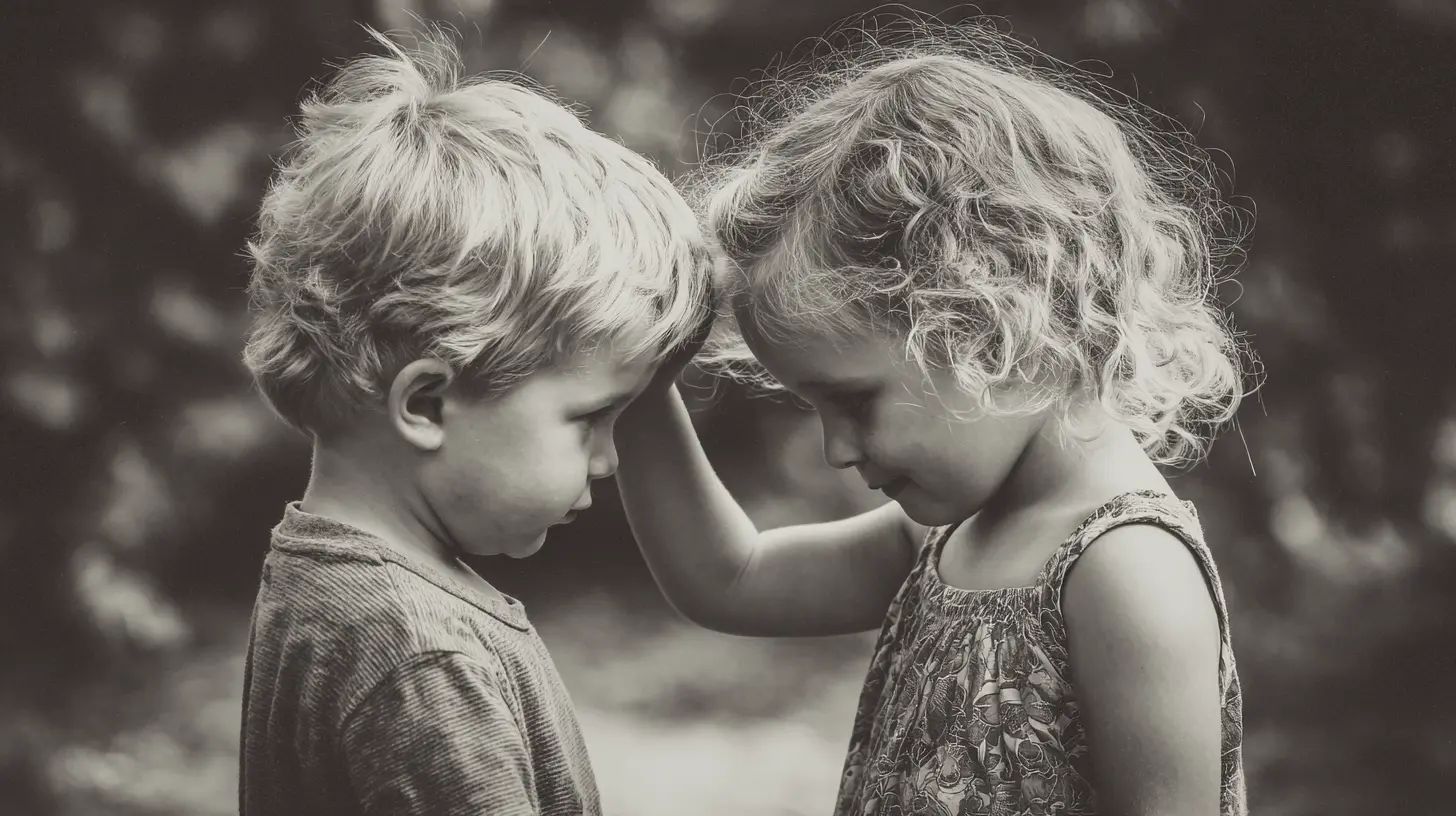
Differences can encompass a wide range of aspects, including cultural backgrounds, physical abilities, gender identities, and personal interests. Recognizing and appreciating these differences is the foundation of respect.Why Respecting Differences Matters
Respecting differences helps children develop empathy and social skills. It encourages open-mindedness and reduces the likelihood of bullying or exclusion. When children learn to appreciate diversity, they are more likely to form meaningful relationships and contribute positively to society.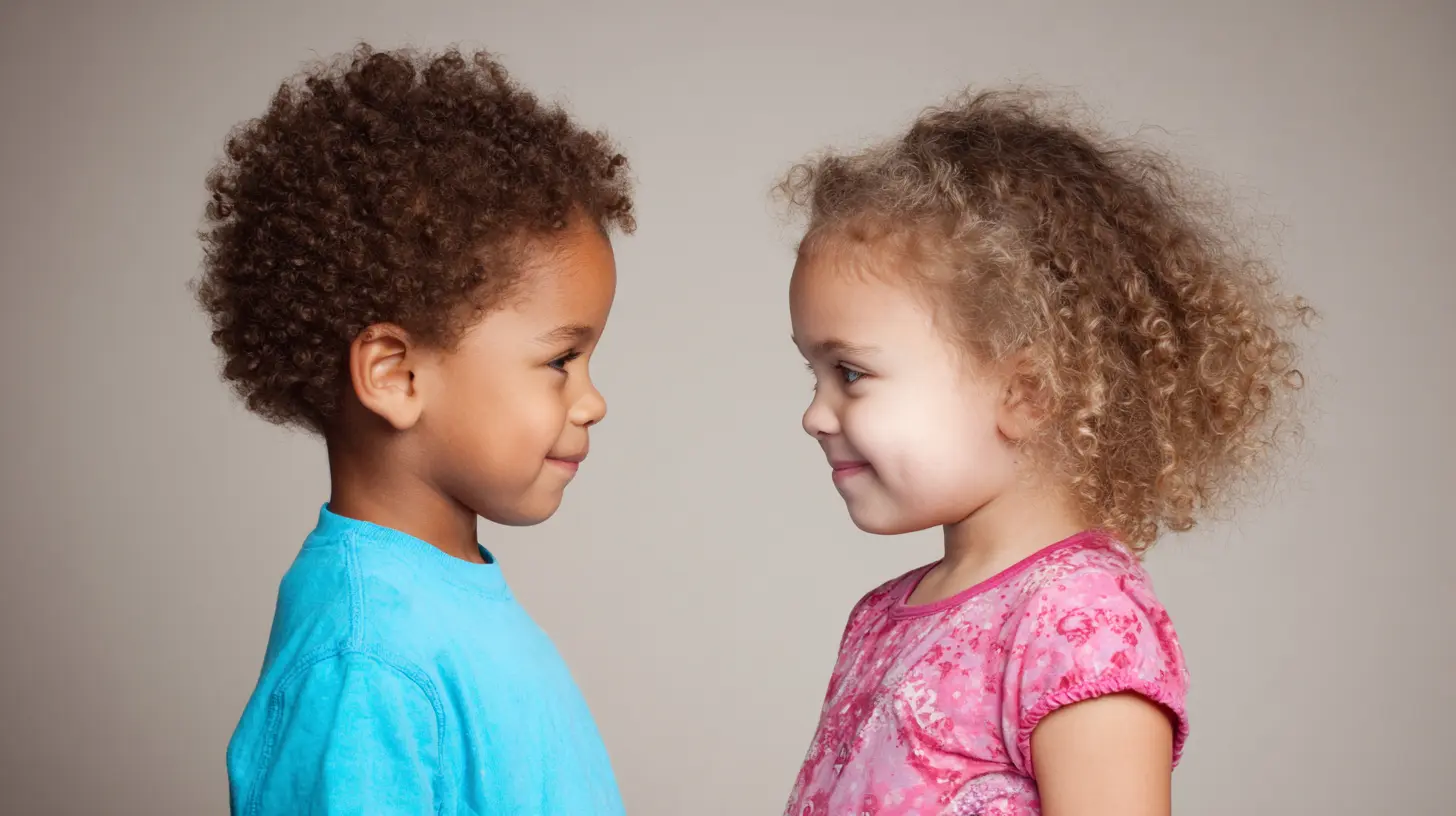
Starting the Conversation
Age-Appropriate Discussions
Initiating conversations about differences should be tailored to your child's age. Younger children may need simple explanations, while older children can handle more complex discussions.For instance, with younger children, you might say, "Some friends have different skin colors or celebrate different holidays, and that's what makes our world interesting!" With older children, you could discuss societal issues, such as discrimination, in a more nuanced manner.
Creating a Safe Space
Encouraging open dialogue requires a safe environment. Make sure your children feel comfortable expressing their thoughts and questions. This can be achieved through active listening and validating their feelings.Asking Open-Ended Questions
Instead of giving direct answers, ask open-ended questions that promote critical thinking. For example, "How do you think it feels to be different in a group?" This encourages children to reflect on their understanding and feelings about differences.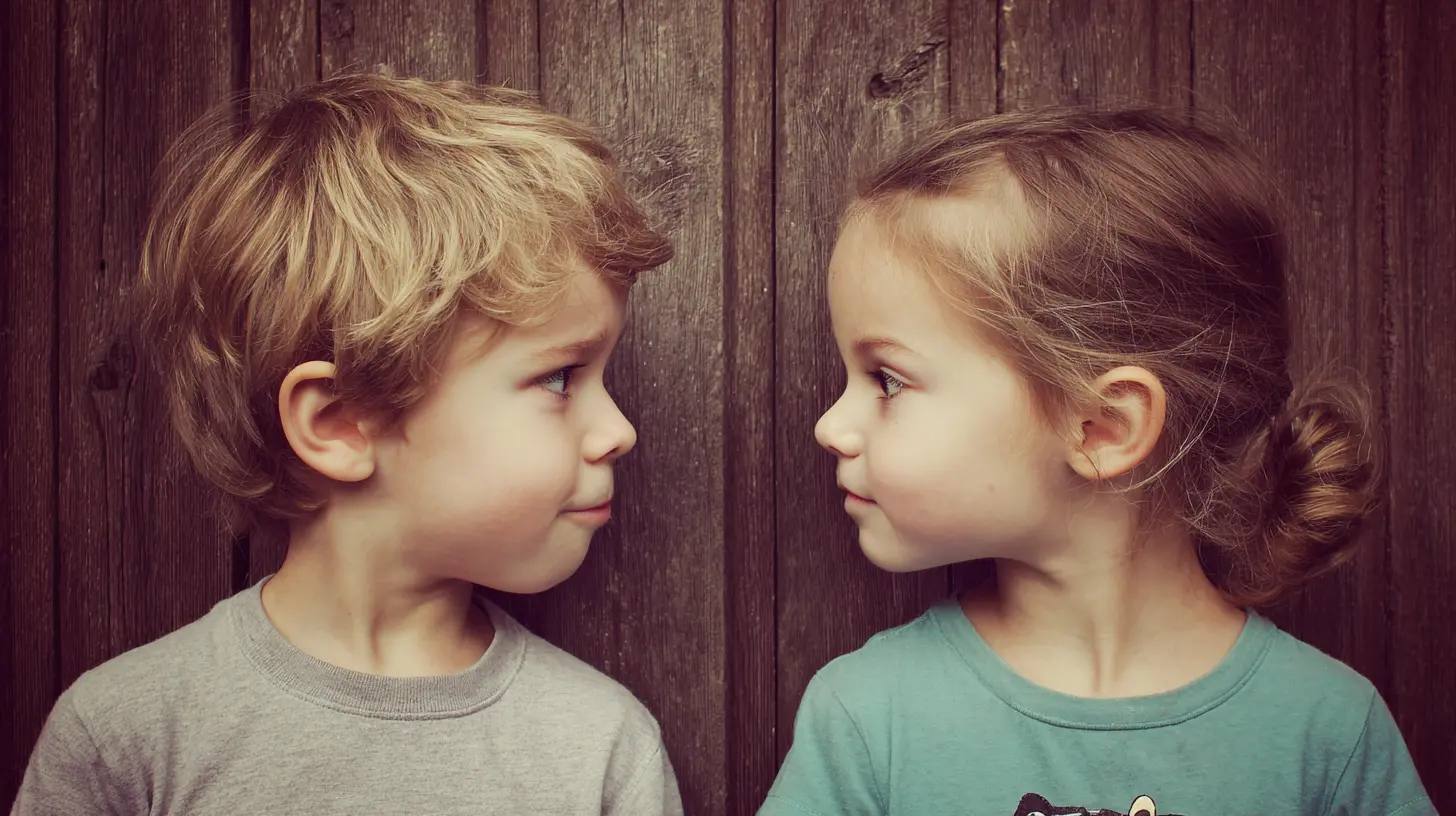
Practical Strategies
Modeling Respectful Behavior
Children learn a lot through observation. Demonstrate respectful behavior in your interactions with others. When your children see you treating people with kindness and respect, they are likely to emulate that behavior.Encouraging Diverse Friendships
Encourage your children to engage with peers from different backgrounds. This can be facilitated through extracurricular activities, community events, or playdates. Diverse friendships can break down barriers and foster understanding.Celebrating Differences
Organize activities that celebrate diversity, such as cultural days or themed family dinners. This can include cooking traditional dishes from different cultures or sharing stories about family traditions. Such experiences can make differences tangible and relatable.Teaching Empathy
Empathy is crucial in understanding and respecting differences. Encourage your children to put themselves in someone else's shoes. You might say, "Imagine how you would feel if someone made fun of your favorite hobby. How would you want others to respond?"Addressing Stereotypes
Discuss stereotypes and their impact on people's perceptions. Help your children understand that stereotypes are often oversimplifications that do not reflect reality. Use examples from media or everyday life to illustrate how stereotypes can be harmful.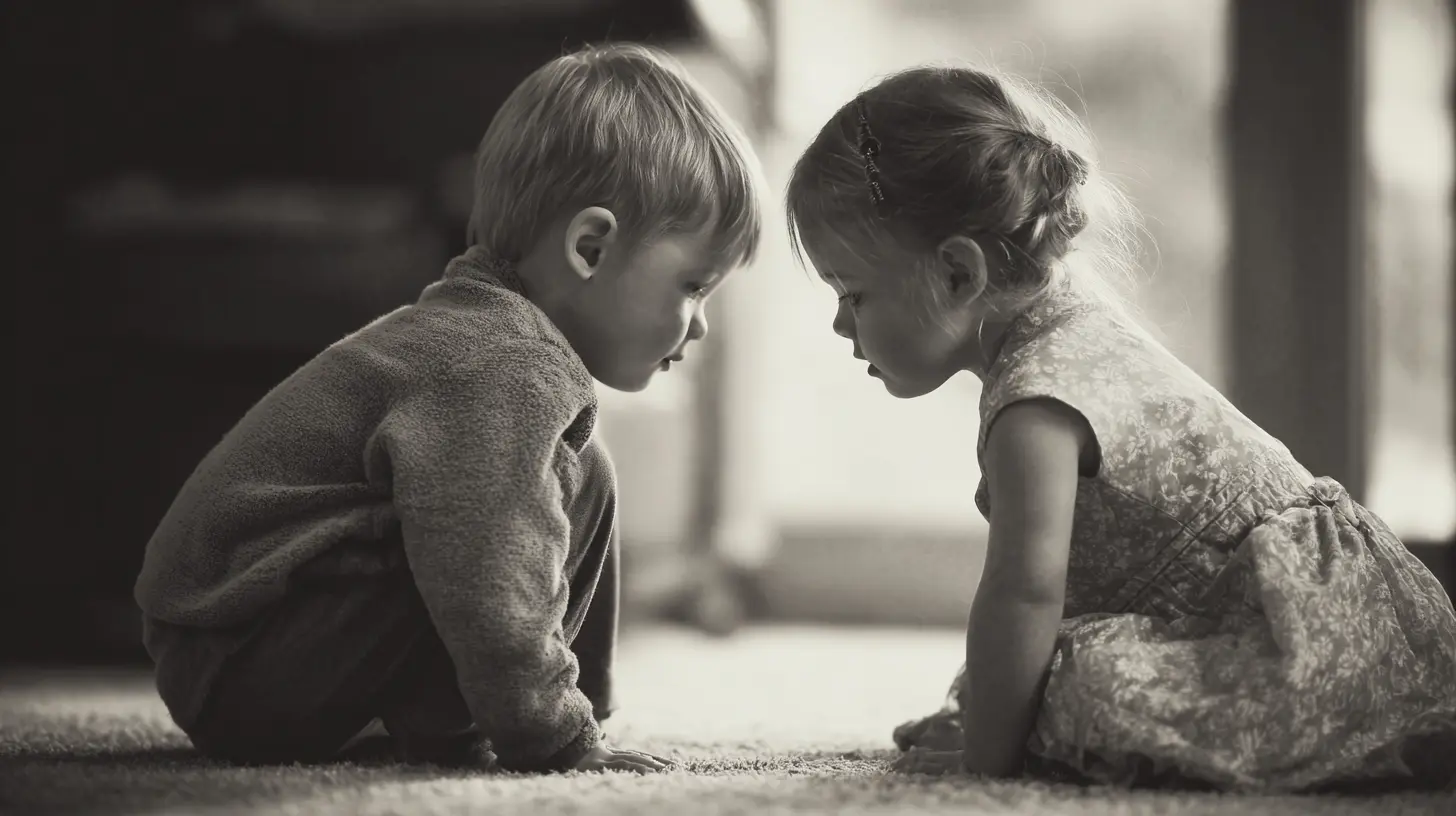
Common Mistakes to Avoid
Assuming Children Understand
One common mistake is assuming that children naturally understand and respect differences. Children may need guidance and education to navigate these complexities.Overgeneralizing Differences
While differences are important, avoid overgeneralizing or labeling people based on their identity. Teach your children that everyone is unique, and while some traits may be shared within a group, they do not define an individual.Shying Away from Difficult Conversations
Some parents may avoid discussing sensitive topics to protect their children. However, avoiding these conversations can lead to confusion and misunderstanding. Instead, approach these discussions with honesty and sensitivity.Real-World Examples
School Initiatives
Many schools have implemented programs focusing on diversity and inclusion. For instance, some schools host multicultural fairs where students can share their heritage through food, music, and art. Such initiatives not only educate children but also create a sense of belonging.Community Engagement
Involving children in community service can expose them to different perspectives. Volunteering at shelters or participating in community events can help children appreciate the challenges others face and the value of compassion.Family Discussions
Consider family discussions around current events that highlight different perspectives. For example, discussing news stories related to social justice can open up dialogues about fairness and equality, prompting children to think critically about these issues.
The Role of Media
Positive Representation
Media plays a significant role in shaping children's perceptions of differences. Encourage your children to consume media that represents diverse characters and stories. This can include books, movies, and TV shows that showcase a variety of cultures and experiences.Critical Viewing
Teach your children to critically analyze media messages. Discuss how certain portrayals may reinforce stereotypes or biases. Encourage them to ask questions like, "Why do you think the character was portrayed this way?" This fosters critical thinking and awareness.Balancing Respect with Personal Boundaries
Understanding Personal Space
Teaching children about personal boundaries is just as important as respecting differences. Explain that everyone has different comfort levels regarding personal space and interaction. Encourage them to be mindful and respectful of others' boundaries.Encouraging Self-Advocacy
Empower your children to express their own needs and boundaries while respecting those of others. This balance is crucial for healthy relationships. Teach them phrases like, "I feel uncomfortable when..." to help them articulate their feelings.
Encouraging Open Dialogue
Regular Check-Ins
Make it a habit to check in with your children about their interactions with peers. Ask about their friendships and any challenges they face regarding differences. This ongoing dialogue keeps the lines of communication open and reinforces the importance of respect.Creating Family Values
Develop a set of family values that emphasize respect for differences. Display these values prominently in your home and refer back to them in discussions. This creates a shared understanding of what respect looks like in your family.Conclusion
Helping your children respect each other's differences is a lifelong journey that requires patience, understanding, and active engagement. By modeling respectful behavior, fostering diverse friendships, and encouraging open dialogue, you can equip your children with the tools they need to navigate a diverse world. Remember, respect is not just about tolerance; it is about celebration and understanding. With your guidance, your children can learn to appreciate the beauty in differences and become compassionate individuals.
all images in this post were generated using AI tools
Category:
Sibling RelationshipsAuthor:

Max Shaffer