The Magic of Imaginary Worlds: How Pretend Play Builds Sibling Connections
7 March 2026
Let’s be real for a second—parenting is wild. Just when you think you’ve figured out how to keep your kids from bickering over who gets the last cookie, they’re suddenly dressed like pirates, sword fighting with wrapping paper tubes, giggling like best friends. What just happened? That, my friend, is the magic of pretend play.
In the world of parenting, pretend play might look like a mess of blankets and cardboard boxes, but underneath all that chaos is something pretty extraordinary. When siblings dive into imaginary worlds together, they’re not just playing pretend—they’re building bridges. Let’s take a deep dive into this whimsical dimension and see how it’s secretly engineering rock-solid sibling bonds.
What Is Pretend Play Anyway?
Before we dive head-first into the dragons, castles, and talking unicorns, let’s break down what pretend play really is. Pretend play (or imaginative play, if we’re feeling fancy) is when kids step out of this world and into one of their own making. It can be as simple as playing "house" or as complex as creating an entire kingdom ruled by stuffed animals.But here’s the thing: pretend play isn’t just cute—it’s crucial. Kids aren’t just using their imaginations for fun. They’re learning empathy, problem-solving, and communication. And when siblings hop on that magic carpet ride together? That learning gets even more powerful.
The Secret Language of Make-Believe
You ever walk in on your kids mid-play and hear them talking in a way that makes zero sense to you? Like, “Captain Sprinkles, activate the jellybean missiles!” And you’re thinking, “What on Earth…?”That’s the secret language of their imaginary world. And when siblings share that language, they’re creating an exclusive club where only they are members. These kinds of experiences create inside jokes, shared memories, and a deep sense of connection that only grows stronger with time.
Think of it like sibling glue. The more they create together, the tighter that bond becomes.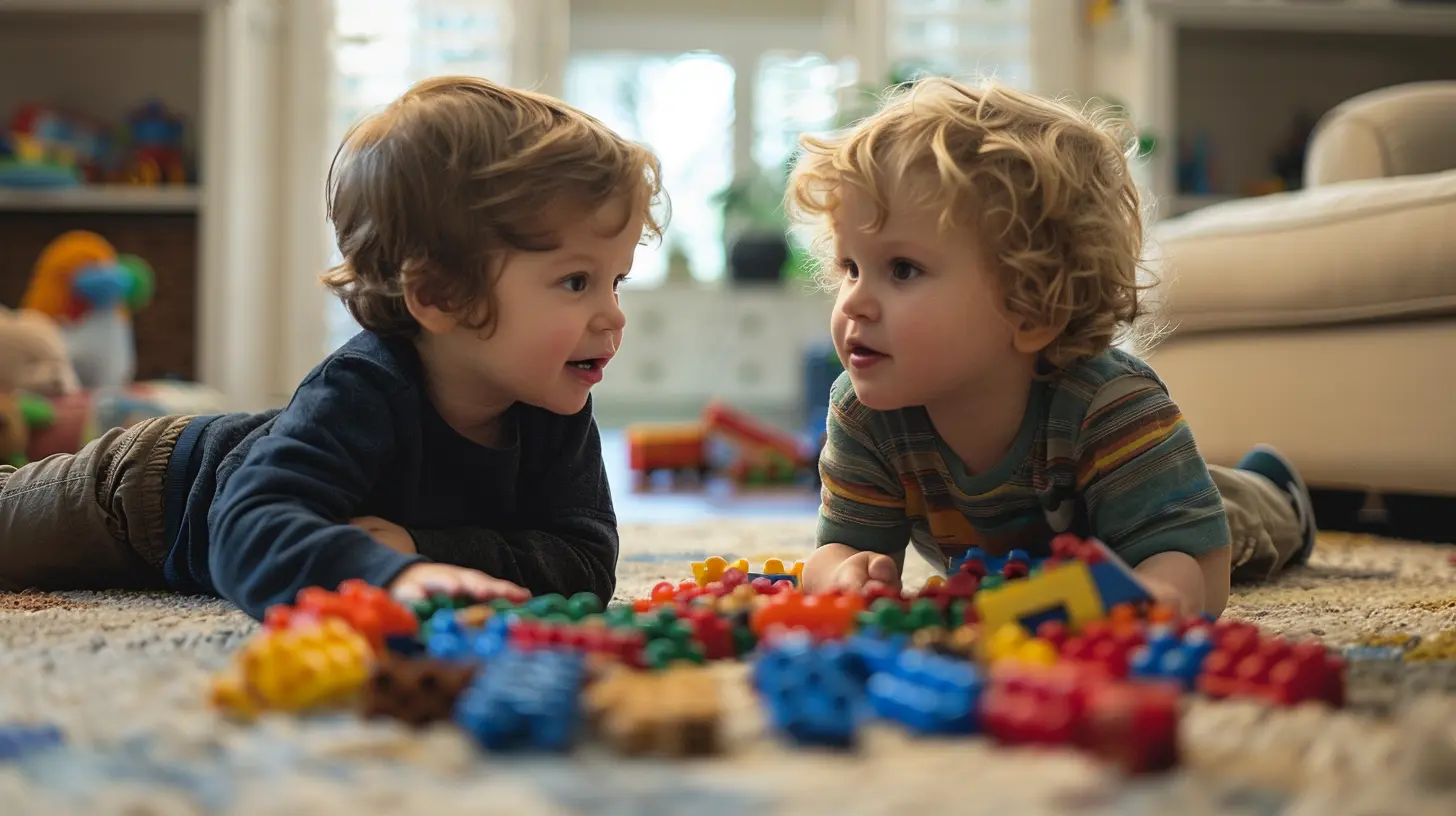
Collaboration Over Competition
Let’s face it—siblings compete. Over toys, snacks, attention—you name it. But when they’re working together to defeat the evil marshmallow queen or rescue a baby dragon from the laundry basket, guess what? They're not competing; they're collaborating.In these made-up worlds, children often assign roles to each other. “You be the queen, and I’ll be the royal knight.” Or, “We both have superpowers, but I can fly, and you can speak to animals.” These role-playing moments teach kids how to negotiate, compromise, and, most importantly—share the spotlight.
Pretend play levels the playing field. It’s not about who’s older or better at math. It’s about imagination, and in that realm, everyone’s equal.
The Emotional Safety Net of Fantasy
Let’s not underestimate the power of fantasy. In real life, emotions can be hard to express—especially for kids. But in pretend play? It’s like a sandbox for feelings.Angry? Be a fire-breathing dragon. Sad? Pretend your teddy bear is going through a tough time and needs comforting (hello, empathy training). Scared? Create a world where your sibling plays the brave knight who protects you.
Siblings who pretend together have a shared space to explore feelings in a safe, playful way. They get to see each other’s vulnerabilities behind the ninja masks and superhero capes. That’s a powerful bond—one built on trust.
Solving Problems In Disguise
Think about the last time your kids were on a pretend jungle adventure. Did they have to escape quicksand? Build a raft out of couch cushions? Navigate dangerous lava floors (aka your living room rug)?These aren’t just wild trips of the imagination—they’re complex problem-solving scenarios. And when siblings figure out these adventures together, they’re learning how to collaborate under pressure, take on leadership roles, and support each other through challenges.
It’s teamwork disguised as fun. And that’s the best kind of learning there is.
Memory-Making 101
You know what sticks with you over the years? The weird, wonderful, shared stories you made up with your brother or sister. The time you both ran a “zoo” out of stuffed animals and charged invisible money for entry. Or the haunted house you crafted from bedsheets and flashlights.These aren’t just random activities; they’re core memories. And the more time siblings spend in shared imaginary play, the more of these golden moments they collect.
One day, they’ll look back and say, “Remember when we had an alien pet named Zorp?” And they’ll laugh—not just because it was silly, but because it was theirs.
Different Ages, Same Magic
A lot of parents worry that pretend play only works if siblings are close in age. But honestly? Magic doesn’t care about birth years.Older siblings usually take on leadership roles—plotting the story, assigning characters, and driving the adventure. Younger siblings? They bring that wild, unfiltered imagination that makes the whole thing sparkle.
Pretend play not only bridges age gaps but helps nurture patience and empathy between kids. The big one learns to guide and protect. The little one learns to follow and contribute. Both learn that their voices can shape a world—and that’s an empowering lesson for any age.
Screen-Free Connection in a Screen-Full World
Let’s be real: We live in a digital jungle. And while screens have their place (hey, we’re not monsters), there’s something refreshingly pure about watching kids ditch the tablets and dive into a pillow fort prison escape or an underwater tea party.Pretend play is a screen-free zone where siblings genuinely connect. No Wi-Fi, no filters, no notifications. Just cardboard swords, paper crowns, and a whole lot of laughter.
It's bonding in its rawest, most beautiful form—just imagination and love.
When Conflict Creeps In
Okay, so pretend play isn’t all sunshine and rainbow fairies. There will be arguments. “You were the wizard yesterday!” or “I don’t want to be the villain again!”But here’s the kicker—those conflicts? They're practice runs for real-life disagreements.
Kids learn to speak up, negotiate roles, and find compromise. They learn that relationships aren’t perfect but are absolutely worth working for. And when siblings learn to navigate conflict in a world they made together, they’re better equipped to handle bumps in their bond later in life.
How You Can Encourage the Magic
You don’t have to build an elaborate set or buy every costume on Amazon to support your kids’ pretend play. Sometimes, less is more. Here are a few easy ways to nurture sibling connection through pretend play:- Keep it open-ended. Provide props like blankets, cardboard boxes, scarves, and kitchen utensils.
- Step back. Let them lead the adventure. Resist the urge to direct or correct—unless you’re invited to join the game.
- Support the story. Ask curious questions: “What happens next?” or “Can I be a dragon, too?”
- Celebrate their creativity. Compliment the teamwork: “I love how you two worked together to save the king!”
The goal isn’t perfection. It’s connection.
The Magic That Lasts
Pretend play won’t last forever. One day, those pirate hats will be too small, the tea sets will gather dust, and the living room jungle will be just a room again. But the connection siblings build through those imaginative moments? That sticks.They’ll remember how they had each other’s backs against imaginary monsters. They’ll carry that bond into teenage years, into adulthood, maybe even into raising kids of their own.
Because here’s the beautiful truth: when siblings build imaginary worlds together, they’re also building a real foundation of love, laughter, and loyalty.
And honestly, isn’t that the most magical thing of all?
Final Thoughts
So next time you hear your kids arguing about who gets to be the robot overlord, don’t worry—it means they’re doing something right. That mess of costumes, toys, and storytelling? That’s sibling bonding in action.Let them create. Let them play. Let them become wild inventors, brave superheroes, or silly chefs running a kitchen in outer space. Because in every imaginary adventure, your kids aren’t just pretending—they’re weaving a connection that could last a lifetime.
### So, tell me—what magical world are your kids building today?
all images in this post were generated using AI tools
Category:
Sibling BondingAuthor:

Max Shaffer
Discussion
rate this article
2 comments
Milena McAlister
I love how pretend play creates such special bonds between siblings! It’s amazing to watch their imaginations come alive and how quickly they can turn everyday moments into magical adventures. These memories will surely last a lifetime. Keep encouraging that creativity! 💖✨
March 12, 2026 at 5:23 AM
Max Shaffer
Thank you! Imaginary play truly enriches sibling relationships and fosters creativity—it's wonderful to see their adventures unfold! 💖✨
Owyn McTier
Imaginary play truly strengthens sibling bonds and fosters creativity together.
March 9, 2026 at 5:20 PM
Max Shaffer
Absolutely! Imaginary play not only sparks creativity but also deepens those special sibling connections. It's magical to see them create together.