Helping Kids Navigate Cultural Identity in a Globalized World
28 November 2026
My daughter once introduced herself to a new classmate as "half Italian, half Vietnamese, fully confused." She was seven. The kid nodded solemnly, as if this were a standard category on a form. I stood there holding a juice box, wondering whether to correct her, hug her, or write the whole thing down for later therapy sessions.
That moment captures something most parents in mixed, mobile, or multicultural families know in their bones: cultural identity is not a neat inheritance you hand over like a passport. It is a project your child builds, sometimes brick by brick, sometimes by knocking the whole thing down and starting again. And in a globalized world, where Grandma's dumpling recipe coexists with a school lunch of pizza Fridays and a best friend who speaks three languages, the building materials keep changing.
This article is for parents who want to help without hovering, guide without dictating, and raise kids who feel rooted rather than torn. It is not about producing miniature ambassadors of their heritage. It is about raising people who can move through the world with a stable sense of who they are, where they come from, and what they get to choose.
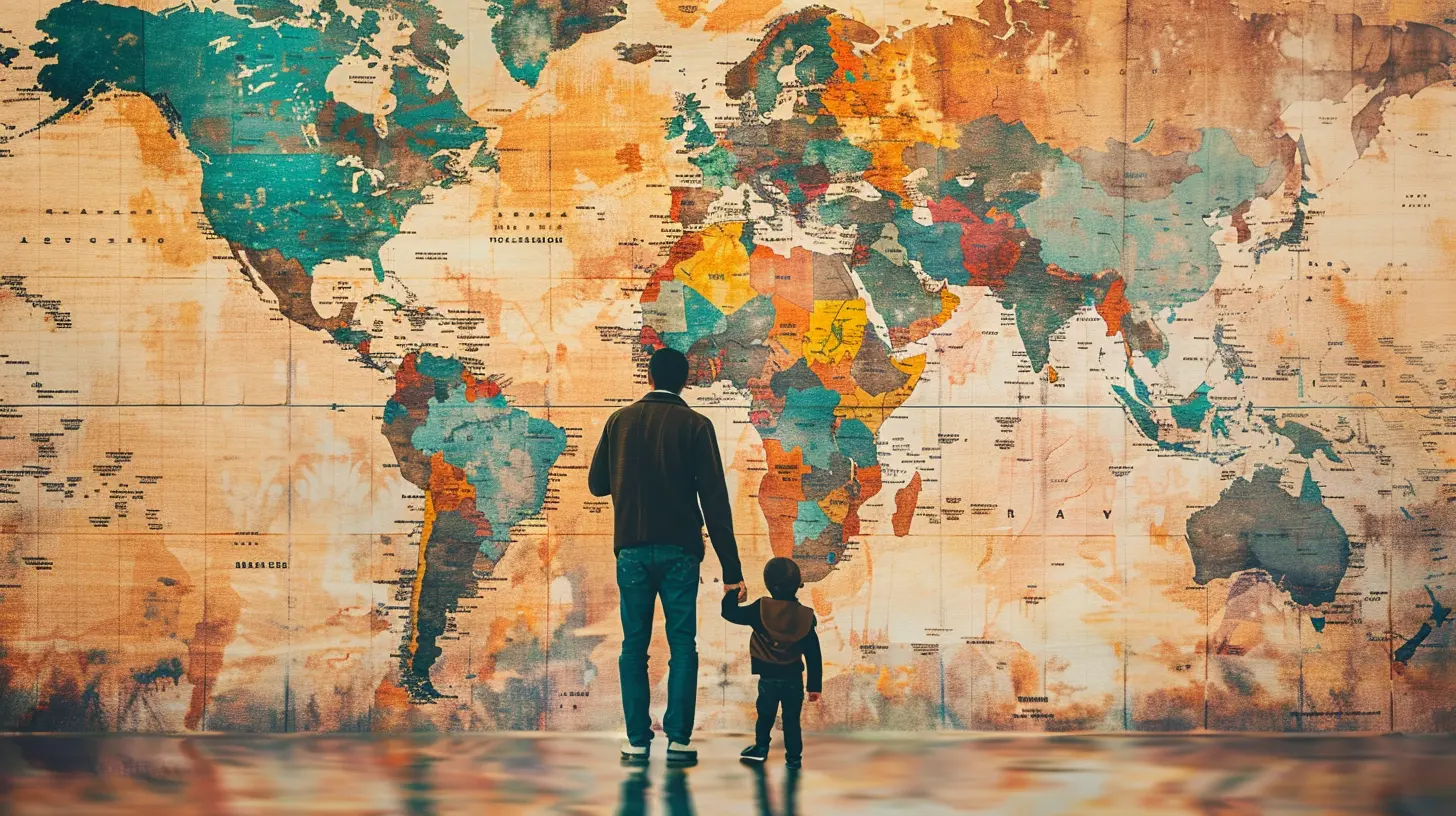
What Cultural Identity Actually Is (And What It Is Not)
Before we get practical, we need to clear up a common misconception. Many parents treat cultural identity as a fixed package: language, food, holidays, values, all shrink-wrapped and passed down. If the child speaks the mother tongue and eats the right foods at the right festivals, identity is intact. If not, something has been lost.That model worked, more or less, in societies where children grew up surrounded by one dominant culture and rarely left it. It does not survive contact with a globalized world. A child might speak Mandarin at home, English at school, pick up slang from YouTube, celebrate Lunar New Year with grandparents, and feel most at home in a friend's kitchen that smells of cumin and cardamom. None of that is a contradiction. It is a portfolio.
The more useful way to think about cultural identity is as a story a person tells about themselves, and that story has three ingredients:
- Belonging: the groups and places a child feels connected to.
- Heritage: the traditions, languages, and histories they inherit, whether or not they adopt all of them.
- Choice: the parts they actively claim, adapt, or set aside as they grow.
The first two are largely given. The third is where parenting matters most. A child who feels they are allowed to choose within a rich inheritance tends to develop a sturdier identity than one who is told the inheritance is non-negotiable. The latter often produces either rigid conformity or quiet rebellion, neither of which is the goal.

Why This Is Harder Now Than It Used to Be
Globalization has not just mixed cultures; it has multiplied the number of "audiences" a child performs for. A kid might be one person at home, another at school, another online, and yet another during summer visits to relatives abroad. Each setting has its own expectations, and children are remarkably sensitive to the gaps between them.There is also the acceleration problem. Previous generations had months to adjust to a move or a new school. Today, a child can be texting a cousin in another country while sitting in a classroom where nobody shares their background. The contrast is constant and immediate. That is not automatically bad, but it does mean children process identity questions earlier and more often than many parents expect.
And then there is the well-meaning advice industrial complex. Books, articles, and social media posts often present cultural identity as a crisis to be solved or a checklist to complete. In reality, most children move through it in uneven, non-linear ways. A nine-year-old who refuses to speak the family language may become a teenager who devours its music and literature. Identity is a moving target, and treating any single phase as a verdict is a mistake.
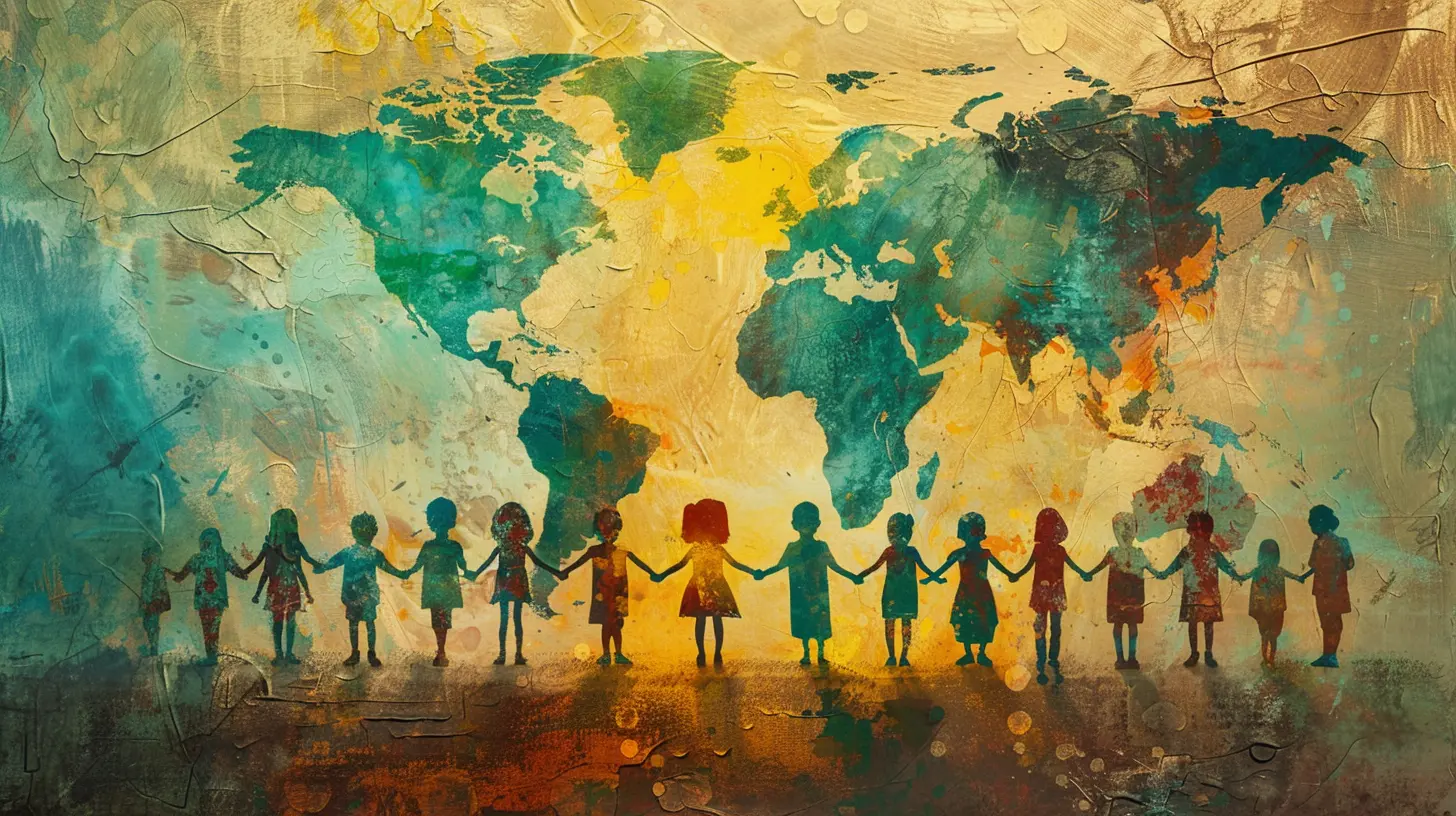
The Three Common Traps Parents Fall Into
Most well-intentioned parents stumble into one of three patterns. Recognizing them is half the battle.The Museum Curator
This parent treats heritage as a collection to be preserved exactly as it was. The food must be authentic. The language must be spoken correctly. The traditions must be observed in the original way. The underlying fear is loss, and it is understandable. But the effect on children is often the opposite of what is intended. When heritage is presented as a fragile exhibit that must not be touched, kids tend to feel like visitors in their own culture rather than participants. They learn the rules but not the joy.The Eraser
This parent, sometimes consciously and sometimes not, downplays heritage in favor of fitting in. Maybe they moved to a new country and want their child to feel "normal." Maybe they carry their own complicated feelings about the old country. The eraser approach can reduce short-term friction, but it often leaves children with a vague sense of something missing, a gap they cannot name. Many adults who grew up this way describe a later-life hunger to reconnect with a culture they were never given access to.The Theme Park
This parent treats culture as a series of fun activities: a festival here, a cooking class there, a language app for a few weeks. It is well-meaning and often enjoyable, but it lacks depth. Children can sense when culture is being performed rather than lived. The theme park approach produces familiarity without fluency, which is a fragile foundation when identity questions get serious in adolescence.The healthiest approach sits between these poles. It treats heritage as a living thing that can be adapted, questioned, and made personal, while still being taken seriously.

Start With Story, Not Syllabus
If you want to give your child a strong cultural foundation, the single most effective tool is storytelling. Not lectures. Not quizzes. Stories.Children build identity through narrative. When they hear about their grandparents' childhood, the decisions that led the family to where it is now, the funny disasters, the small triumphs, they are not just learning facts. They are locating themselves in a longer story. That location is what gives identity its weight.
Practically, this means:
- Tell stories about ordinary life, not just big events. The story of how Grandpa learned to ride a bike matters more than the family tree.
- Include the messy parts. Migration stories that include fear, mistakes, and luck are more useful than polished tales of triumph. They teach children that identity is built by real people making real choices.
- Let children ask uncomfortable questions. "Why did we leave?" "Do you miss it?" "Would you go back?" These are not challenges. They are invitations.
- Record what you can. Voice notes from grandparents, old photos with stories attached, a simple document of family sayings and recipes. These become anchors children return to later.
The reason this works is that stories are portable. A child can carry them into any context, and they do not require the child to perform anything. They simply know where they come from.
Language: The Emotional Battleground
No topic in cultural identity generates more parental anxiety than language. Parents who speak a heritage language at home often worry their children will lose it. Parents who do not speak one often worry their children are missing a key to their culture.Both worries are legitimate, but the conversation is usually framed too narrowly. The real question is not "Will my child be fluent?" It is "What relationship do I want my child to have with this language?"
There are several valid approaches, each with trade-offs:
Full immersion at home. The family speaks the heritage language exclusively, and the child learns the dominant language from school and the wider world. This produces strong heritage fluency, but it can create friction if the child feels the home language is a rule rather than a gift. It also requires consistency from every adult in the household, which is not always realistic.
Mixed use. The family uses both languages, often switching depending on context, topic, or mood. Children in these households usually develop strong receptive skills (they understand) and variable speaking skills. This is a reasonable middle ground, but it can produce guilt on both sides: parents feel they are not doing enough, and children feel they are not fluent enough.
Heritage as a second language. The family speaks the dominant language at home and treats the heritage language as a subject to be studied. This is the most common approach in mixed families, and it works best when the child has regular, enjoyable exposure to the language through media, relatives, or community. The risk is that language becomes homework rather than connection.
Whatever approach you choose, three principles tend to hold:
1. Connection beats correctness. A child who can chat happily with a grandparent in a flawed accent is better off than one who can conjugate perfectly but never speaks.
2. Consistency beats intensity. Twenty minutes a day, every day, does more than a three-hour cram session once a month.
3. Teens need a reason. Adolescents drop languages they cannot see a use for. Travel, media, relatives, and future plans are all legitimate reasons, and they should be discussed openly rather than assumed.
The School Question: Fitting In vs. Standing Out
School is where cultural identity gets tested hardest, because school is where children learn what "normal" looks like. A child who brings unfamiliar food, celebrates unfamiliar holidays, or speaks with an accent quickly learns whether difference is safe or costly.Parents cannot control the school environment, but they can shape how their child experiences it. A few practical moves:
- Prepare, do not surprise. Before a new school year, talk about what might come up: questions about food, names, holidays, or family structure. Rehearse simple, confident answers. "It is called jollof rice, and it is delicious" is a script a child can use.
- Give teachers context. A short note at the start of the year explaining any relevant cultural details, dietary needs, or holidays saves a lot of awkwardness later. Teachers are usually grateful for it.
- Watch for withdrawal. If a child suddenly stops mentioning their heritage at school or asks you to pack "normal" lunches, that is information, not defiance. It usually means they are managing social risk. Ask about it gently and take it seriously.
- Do not force visibility. Some parents want their child to be a proud representative of their culture in every setting. That is a lot of pressure. Children should be allowed to decide when and how they share their background.
The trade-off here is real. Hiding difference can protect a child socially in the short term but cost them in self-esteem over time. Flaunting difference can build pride but also invite unwanted attention. The right balance depends on the child, the school, and the community, and it may change year to year.
Food, Festivals, and the Power of Ordinary Rituals
Cultural identity is often transmitted through small, repeated practices rather than grand gestures. The smell of a particular spice in the kitchen on a Sunday. A song played during a specific holiday. A phrase used only in your family. These are the things children remember, and they are the things that make culture feel like home rather than homework.Parents often overinvest in big events and underinvest in small rituals. A single elaborate festival once a year is memorable, but a weekly family dinner with a heritage dish is formative. The reason is frequency: repeated experiences build neural associations and emotional anchors. A child who has eaten the same comfort food every time they were sick will carry that food with them for life.
Some rituals worth building:
- A weekly meal tied to heritage, cooked together rather than served.
- A bedtime story or song in the heritage language, even if imperfectly delivered.
- A holiday tradition adapted to your family's reality, not copied from a textbook.
- A "heritage hour" once a week for crafts, music, or cooking, kept light and optional.
The key is to make these rituals enjoyable rather than obligatory. A child who associates heritage with nagging will drift away. A child who associates it with warmth will return to it, even after a period of rejection.
The Adolescent Reckoning
Around age eleven or twelve, something shifts. Children who happily participated in family traditions may suddenly find them embarrassing. They may reject the heritage language, distance themselves from relatives, or adopt a persona that seems to erase their background. Parents often panic at this stage. They should not.This rejection is usually developmental, not permanent. Adolescents are working out who they are separate from their parents, and culture is one of the most visible things to push against. The push is often a way of testing whether belonging is conditional. If parents respond with anger or guilt, the child learns that identity is a loyalty test. If parents respond with patience and curiosity, the child learns that identity is a conversation.
What helps during this phase:
- Keep the door open. Continue the rituals without forcing participation. "You do not have to join, but the food will be here."
- Avoid shame. Comments like "you are rejecting your family" turn a phase into a fight.
- Find peers. Adolescents are heavily influenced by peer groups. Connecting them with other kids from similar backgrounds, through community groups, camps, or online communities, can be transformative.
- Let them teach you. Teens often discover aspects of heritage their parents never emphasized, through music, fashion, or social media. Ask them about it. Being curious about their version of culture signals respect.
Mixed Heritage and the Myth of Fractions
Children from mixed backgrounds are often described in fractions: half this, quarter that. It is a convenient shorthand, but it can be quietly corrosive. Fractions imply a whole that is being divided, and children can internalize the idea that they are incomplete.A more useful framing is that mixed heritage is not a division but a combination. The child is not half of two things; they are a whole of several things. This is not just semantic. Research on identity suggests that people who see their background as additive rather than subtractive tend to report higher well-being and lower identity conflict.
Practically, this means:
- Do not rank heritages. Avoid implying one side matters more, even casually.
- Make room for both (or all). Celebrate holidays from each background. Learn a few phrases from each language. Visit relatives on both sides when possible.
- Let the child define the mix. Some children identify strongly with one side, some with both, some with neither in the way parents expect. All of these are valid, and they may change over time.
When to Get Help
Most identity exploration is normal and does not require intervention. But some signs suggest a child is struggling in a way that warrants support:- Persistent distress about their background, including shame, self-hatred, or refusal to discuss it.
- Withdrawal from family, friends, or activities they used to enjoy.
- Bullying related to culture, language, or appearance that is not being addressed.
- Significant anxiety about fitting in that interferes with school or sleep.
In these cases, a school counselor, a culturally competent therapist, or a trusted community elder can make a real difference. The key word is "culturally competent": a professional who understands the specific pressures of the family's context will be far more effective than one who treats identity questions as generic teenage angst.
A Note on Parents' Own Identity
One thing rarely discussed: parents' unresolved feelings about their own cultural identity shape how they parent. A parent who feels ambivalent about their heritage may unconsciously discourage their child from embracing it. A parent who feels they lost their culture may overcorrect and push too hard.It helps to be honest with yourself about this. What do you wish you had been given? What do you wish had been different? What parts of your background do you genuinely love, and what parts do you carry out of obligation? Children are perceptive. They notice when a parent's enthusiasm is real and when it is performed. The most powerful thing you can do is model a living, imperfect, evolving relationship with your own culture.
Practical Takeaways
If you remember nothing else, remember this:- Cultural identity is a story, not a checklist. Help your child build a story they can tell with confidence.
- Small, repeated rituals matter more than big annual events.
- Language is about connection first, correctness second.
- Rejection during adolescence is usually a phase, not a verdict. Keep the door open.
- Mixed heritage is additive, not fractional. Avoid the language of halves.
- Your child's identity is theirs to shape. Your job is to provide materials, context, and permission.
Globalization has made cultural identity more complex, but it has also made it richer. A child raised with access to multiple cultures is not disadvantaged. They are, potentially, more flexible, more empathetic, and more creative than children raised in a single cultural frame. The work of parenting is to help them see that as a gift rather than a burden, and to trust them to make it their own.
all images in this post were generated using AI tools
Category:
Parenting And CultureAuthor:

Max Shaffer