Cyberbullying in the Age of Anonymous Apps
4 October 2026
The playground bully of my childhood had a face. He had a name, a locker, and a mother who might answer the phone if I called. That world had exits. You could walk home, close your front door, and leave the torment on the schoolyard asphalt. Today's bully often has no face at all. They exist as a temporary username, a string of random letters, a ghost that dissolves the moment a message is sent. The front door no longer offers protection because the torment now lives inside your child's pocket, glowing softly on a screen at two in the morning.
I have spent years working with families navigating this exact nightmare, and I can tell you that the anonymous app phenomenon has fundamentally changed the rules of adolescent conflict. Parents who understand this shift can protect their kids far better than those who rely on outdated instincts about bullying. This article is my attempt to hand you that understanding, along with strategies that actually work in the messy, fast-moving reality of your child's digital life.
Why Anonymity Changes Everything
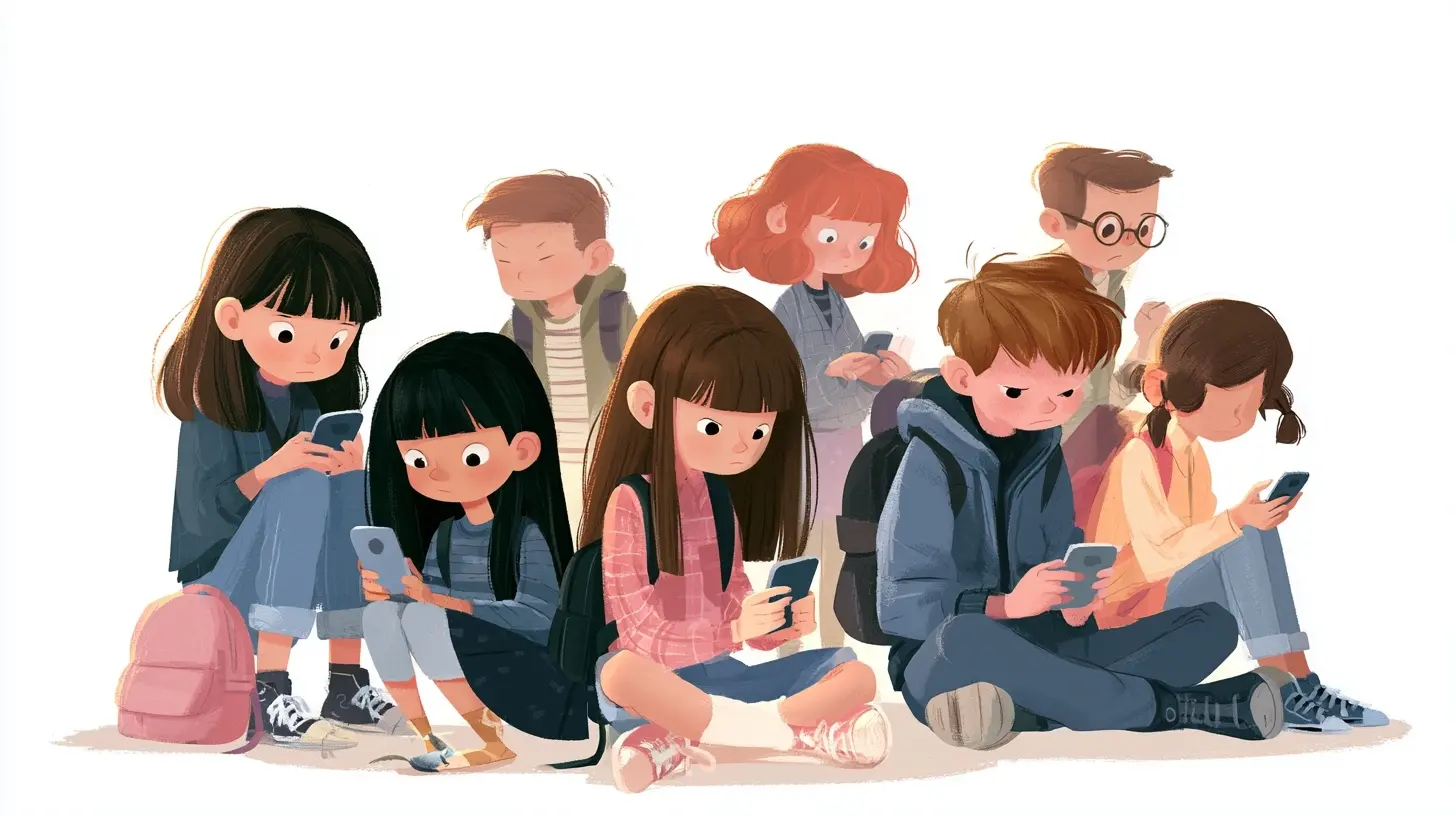
Anonymity is not simply a new feature of bullying. It is a structural transformation that alters the psychology of everyone involved: the target, the aggressor, and the bystander.When a child knows who is hurting them, the harm is personal but bounded. They can avoid that person, seek help naming a specific individual, and make sense of the cruelty through the lens of a known relationship. When the aggressor is invisible, the harm becomes ambient. It could be anyone. It could be everyone. The target's brain, searching for a source, often turns inward and assumes the worst: that the entire social world has secretly turned against them.
This is where anonymous apps do their deepest damage. They weaponize ambiguity. A single cruel message from "anon" carries more psychological weight than a dozen messages from a known rival, because the target cannot file it away as one person's problem. The imagination fills the void, and the imagination is rarely kind.
Anonymous platforms also lower the barrier to cruelty. Research on online disinhibition has long suggested that when people feel unidentifiable, the normal social brakes that restrain aggressive impulses weaken. A teenager who would never say something vicious to a classmate's face may feel oddly free when their name is not attached. This is not because anonymous apps create bullies from scratch. It is because they remove the accountability that keeps ordinary impulses in check.
The Landscape: How These Apps Actually Work
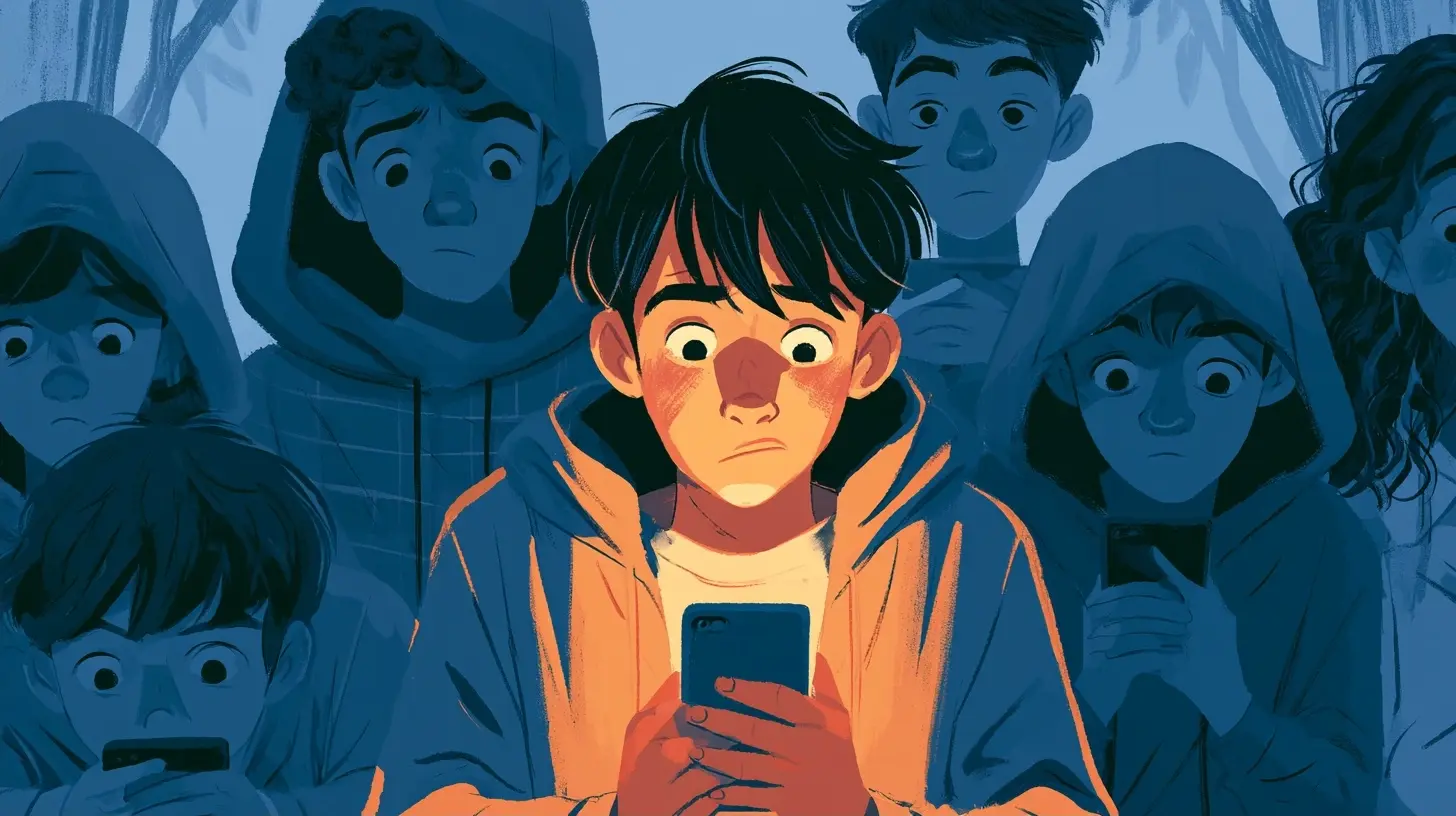
Parents often lump anonymous apps together, but the mechanics matter enormously. Understanding the design helps you predict the risks.Fully Anonymous Platforms
Some apps allow users to post or message with no identity attached at all. Anyone can say anything, and the platform has little or no way to trace it. These carry the highest risk because accountability is essentially zero. The trade-off the platform makes is clear: maximum freedom of expression, minimum safety.Pseudonymous and Ephemeral Platforms
Others assign a temporary handle or allow content that vanishes after a set time. The anonymity here is partial and time-limited. The advantage is that some traceability may exist behind the scenes, and content does not live forever. The disadvantage is that "vanishing" content creates a false sense of security. Screenshots exist, and teenagers take them constantly.Confession and Gossip Pages
Some apps function as community confession boards, often tied to a specific school. These are breeding grounds for targeted rumor campaigns because they combine anonymity with a built-in local audience. A single post naming a student can spread through an entire grade in hours.The Trade-Off Nobody Discusses
Here is the uncomfortable truth: anonymity is not purely destructive. For some young people, especially those exploring questions of identity, sexual orientation, or mental health, anonymous spaces offer a genuine lifeline. A teenager in a hostile home environment may find their only supportive community in a pseudonymous forum. The same feature that enables cruelty also enables safety for the vulnerable.This means the goal is never to eliminate anonymity entirely. The goal is to help your child navigate it with judgment, and to reduce the specific conditions that turn anonymity into a weapon.
How Anonymous Cyberbullying Differs From Traditional Bullying
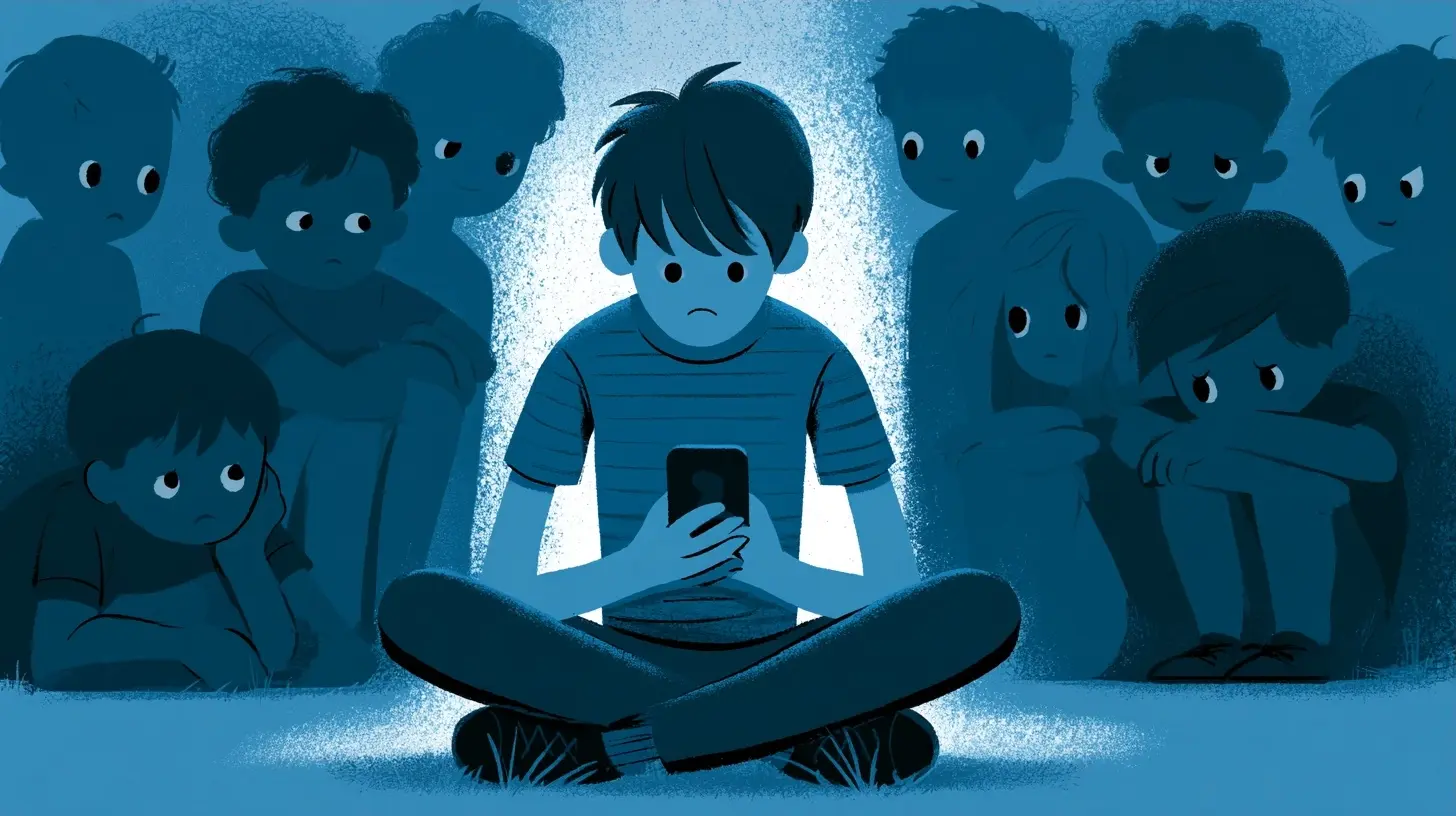
Parents sometimes ask me why they should treat anonymous cyberbullying as a separate problem. The answer lies in four distinct features.It is relentless. Traditional bullying has natural breaks. Anonymous cyberbullying follows your child into bed, into the bathroom, into every quiet moment. There is no safe hour.
It is public and permanent in a new way. A rumor whispered in a hallway reaches twenty people. A rumor posted anonymously can reach hundreds and can be screenshotted and reshared indefinitely. The audience is larger, and the record is harder to erase.
The audience is invisible. In a schoolyard, bystanders are visible. Online, your child cannot see who laughed, who shared, who saved the screenshot. This invisibility amplifies shame, because the target assumes a crowd that may or may not exist.
The aggressor may not even be a peer. Anonymous apps do not verify age or identity. An adult with malicious intent can pose as a student. This is less common than peer-on-peer cruelty, but it is a real and serious possibility that parents should keep in mind, especially with younger children.

The Psychological Toll: What the Research Suggests
I want to be careful here, because the science is still catching up with the technology. But the patterns clinicians and researchers describe are consistent and concerning.Targets of anonymous cyberbullying often report symptoms similar to trauma: hypervigilance, intrusive thoughts, sleep disruption, and a persistent sense of being watched. The lack of a known source prevents closure. You cannot forgive, confront, or dismiss someone you cannot identify.
There is also a documented link between cybervictimization and elevated rates of anxiety, depression, and in severe cases, self-harm. I am not going to frighten you with precise numbers I cannot verify, but the direction of the evidence is clear: sustained anonymous harassment is a serious mental health risk, not a rite of passage.
Perhaps the most insidious effect is what it does to a child's sense of self. When cruelty arrives from everywhere and nowhere, children often conclude that they deserve it. They reason, wrongly, that if so many people are saying it, it must be true. This is the lie that anonymous bullying tells most convincingly.
Warning Signs Your Child May Be a Target
Children rarely announce that they are being harassed anonymously. They hide it, often out of shame or fear that the phone will be taken away. Watch for these signals:- A sudden reluctance to use a device they previously loved, or conversely, an obsessive need to check it.
- Withdrawal from friends, activities, or family meals.
- Sleep changes, especially staying up late or waking frequently.
- Unexplained irritability, tearfulness, or anger.
- Declining grades or school avoidance.
- Physical complaints like headaches or stomachaches with no medical cause.
- Hiding the screen when you approach, or becoming defensive about their phone.
- Deleting apps frequently, or creating new accounts you did not know about.
One or two of these signs may mean nothing. A cluster of them, especially alongside a change in mood, deserves a gentle conversation.
What to Do When It Happens
When you suspect or confirm that your child is being targeted, your response in the first hours matters. Here is a sequence that works.Stay Calm and Lead With Connection
Your first instinct may be rage at the perpetrator or panic about the situation. Resist both. Your child needs to feel that you are a safe harbor, not another source of chaos. Say something like, "I am glad you told me. We will figure this out together." Do not interrogate. Do not lecture about screen time. Connection first, strategy second.Document Everything
Before anything is deleted, take screenshots. Capture usernames, timestamps, and the content of messages. This evidence matters if you later involve the school or law enforcement. It also helps your child see the situation clearly rather than through the fog of emotion.Do Not Encourage Retaliation
It is tempting to tell your child to fire back or to expose the anonymous account. Do not. Retaliation escalates, and it can make your child look like a participant rather than a victim. It also rarely works, because the aggressor hides behind anonymity while your child acts in the open.Use the Platform's Tools
Most reputable platforms have reporting and blocking features. Use them. Blocking removes the immediate channel. Reporting creates a record and may result in the account being removed. Explain to your child that using these tools is not weakness. It is hygiene, like washing your hands.Involve the School When Appropriate
If the harassment involves classmates, the school has a responsibility to address it, even when it happens off campus. Bring your documentation. Ask specifically what the school's anti-bullying policy says about off-campus cyberbullying, because policies vary widely. Some schools are proactive. Others will claim they have no jurisdiction. Know your rights and your district's rules before the meeting.Consider Law Enforcement in Serious Cases
Anonymous threats of violence, sexual harassment, or the distribution of intimate images cross legal lines. In these cases, contact law enforcement. Platforms can sometimes be compelled to reveal identifying information, and laws in many jurisdictions now address cyberharassment and image-based abuse. Do not handle these situations alone.Preventing the Problem Before It Starts
Prevention is not about locking down every device. It is about building the skills and the relationship that make your child resilient and willing to come to you.Start Conversations Early and Often
Do not wait for a crisis. Talk about online life the way you talk about school, friendships, and driving. Ask open questions: "What apps are popular right now?" "Have you ever seen someone get piled on?" "What would you do if it happened to you?" These conversations normalize the topic and build trust.Teach the Difference Between Privacy and Anonymity
Children often conflate the two. Explain that anonymity means no one knows who you are, while privacy means controlling what others can see. An anonymous account does not make someone safe, and a private account is not the same as an anonymous one. This distinction helps them evaluate risk.Set Expectations Without Spyware
I generally advise against secret monitoring apps. When children discover them, the breach of trust can be more damaging than the behavior you were trying to catch. Instead, set clear expectations: phones charge in the kitchen overnight, you have the right to look at accounts when you have a reason, and you will not read every message. This balance respects their growing autonomy while keeping a door open.Build Digital Judgment, Not Just Rules
Rules age poorly. Judgment lasts. Help your child think through scenarios. "If someone anonymous asked you to send a photo, what would you do?" "If you saw a friend being harassed, what is one thing you could do that would help?" Rehearsing responses in advance makes them more likely to act wisely in the moment.
A Note on the Bystander Problem
Anonymous apps make it easy to be a passive witness. Your child may see cruelty and do nothing, not out of malice but out of fear or confusion. Teach them that bystanders have power. A single supportive message to the target, a report to the platform, or a quiet word to a trusted adult can change the outcome. Research on bullying consistently shows that peer support reduces harm. Your child does not need to be a hero. They just need to not be silent.When Your Child Is the Anonymous Aggressor
This is the conversation no parent wants to have, but it happens. If you discover that your child has been harassing someone anonymously, resist the urge to shame them into oblivion. Shame tends to produce defensiveness, not change.Instead, focus on accountability and repair. Help them understand the impact of their actions, require them to stop immediately, and consider appropriate restitution, such as a genuine apology if the target is willing to receive it. Explore what was driving the behavior. Was it peer pressure? Anger? A desire for status? Addressing the root cause is the only way to prevent repetition.
The Long View
Anonymous apps will keep changing. New platforms will emerge, and old ones will fade. The specific names matter less than the underlying dynamics: the human desire for connection, the temptation of cruelty when no one is watching, and the vulnerability of young people still figuring out who they are.Your job is not to keep your child away from every risky app. That is impossible and ultimately counterproductive. Your job is to be the steady presence they can return to when the digital world gets dark. The parent who listens without judgment, who acts without panic, and who teaches without preaching will always be a child's best protection.
That is not a technological solution. It is a human one. And it is the only one that has ever truly worked.
all images in this post were generated using AI tools
Category:
Parenting And TechnologyAuthor:

Max Shaffer