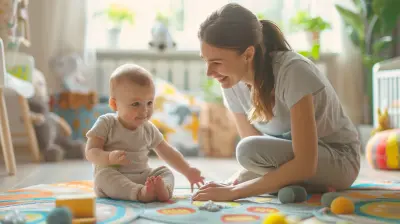
Co-Sleeping and Its Role in Attachment Parenting: Debunking Myths
9 January 2026
Let’s get real for a minute—parenting doesn’t come with a universal manual. And when it comes to how we sleep with our little ones, everyone seems to have an opinion. One of the most hot-button topics among new parents is co-sleeping, especially when it's linked with attachment parenting. Some say it’s unsafe, others claim it's the key to raising emotionally secure kids. So, which is it?
If you’ve ever felt torn between your instincts and what everyone else is telling you, you’re not alone. In this guide, we’ll dive deep into what co-sleeping actually is, how it ties into attachment parenting, and why the myths surrounding it deserve a proper debunking.
Ready to sort facts from fiction? Let's dig in.
What Exactly IS Co-Sleeping?
First things first—let's define it. Co-sleeping simply refers to sleeping in close proximity to your child. This can mean a few different setups:- Room-sharing: Baby sleeps in the same room, often in a crib or bassinet near your bed.
- Bed-sharing: Baby sleeps in the same bed as one or both parents.
- Sidecar arrangement: Baby’s crib is attached to the side of the parent’s bed.
It’s not one-size-fits-all, and families configure it in ways that suit their comfort, safety, and sleep needs.
Attachment Parenting: The Connection
Attachment parenting is based on the idea of forming a strong emotional bond with your child. Dr. William Sears, the pediatrician who popularized this philosophy, emphasized practices like babywearing, breastfeeding, responsive caregiving—and yes, co-sleeping.But here's the thing: Co-sleeping isn’t a rule of attachment parenting, it’s more like a tool. One that can promote closeness and security, especially in the early months when your baby needs that 24/7 connection.
Myth #1: Co-Sleeping Is Always Unsafe
This is probably the biggest fear-mongerer of them all. Stories online and headlines in the media often paint co-sleeping as dangerous. But here’s the truth—unsafe co-sleeping is dangerous, not co-sleeping done right.Common-sense safe sleep practices make all the difference:
- No fluffy pillows, loose blankets, or soft mattresses.
- Baby should be placed on their back.
- Avoid alcohol, drugs, or anything that impairs your responsiveness.
- Breastfeeding moms tend to naturally adopt protective sleep postures.
With proper precautions, co-sleeping can be as safe as having baby sleep in a crib. In fact, some cultures around the world have co-slept for centuries with no spike in SIDS (Sudden Infant Death Syndrome).
So, let’s stop blaming the act and start focusing on how it’s being done.
Myth #2: Co-Sleeping Creates “Clingy” Kids
Ever heard someone say, “If that baby’s in your bed now, you’ll never get them out!”?Let’s burst that bubble. Research and real-life parenting experiences show that kids who co-sleep often grow up to be more independent, not less.
Why? Because they start life feeling safe and supported. Emotional security in infancy lays the foundation for confident exploration later. It’s like building a sturdy bridge—you've got to reinforce it before anyone can cross it.
So no, co-sleeping doesn’t mean your child will be in your bed forever. They will leave eventually—just ask any parent who's watched their toddler march off to their own room like a tiny boss.
Myth #3: Only “Crunchy” Parents Co-Sleep
Attachment parenting often gets labeled as the “crunchy” or alternative parenting route. But guess what? You don’t have to wear hemp sandals or churn your own butter to co-sleep.Parents of all backgrounds co-sleep—single moms, working dads, moms who bottle-feed, parents in urban apartments and rural homes alike. Co-sleeping isn’t a lifestyle trend. It’s a choice made based on love, convenience, and sometimes pure necessity.
If that’s you, own it. There’s no one-size-fits-all way to be a good parent.
The Biology Behind Co-Sleeping
Let’s geek out for a second. Human babies are born neurologically immature. Compared to other mammals, our infants need constant care and closeness because their brains are still developing.Co-sleeping satisfies their primitive need for warmth, safety, and food availability (which also makes night feeding easier). Skin-to-skin contact promotes bonding hormones like oxytocin, helping both baby and caregiver feel more connected and calm.
It’s biology's way of saying, “Stay close. That’s how we thrive.”
How Co-Sleeping Supports Breastfeeding
If you're breastfeeding, co-sleeping can be a game-changer. Instead of dragging yourself out of bed every few hours, baby is right there. Feed, snooze, repeat. It’s a win-win.Studies show that moms who co-sleep tend to breastfeed longer and more exclusively. The nighttime proximity increases milk supply and satisfies baby’s frequent hunger cues effortlessly.
And honestly, anything that gets you more sleep during the newborn months? Sign us up.
But What About “Alone Time” for Parents?
Ah, yes. The elephant in the room. Can couples still have intimacy and connection when sharing a bed with baby?Short answer: absolutely.
Co-sleeping families often find creative ways to maintain their relationship—whether it’s setting up a separate sleep space for part of the night, having designated couple time earlier in the evening, or just being more intentional about connecting during the day.
Remember, co-sleeping is often temporary. Your relationship doesn’t have to go on pause—just adjust the playlist.
Transitioning from Co-Sleeping to Independent Sleep
At some point, most kids will transition to sleeping on their own. And that’s perfectly okay. You might guide them at 6 months, 2 years, or later. The key is to follow your child’s cues—and your family’s needs.Some practical tips for smooth transitions:
- Start with naps in their own space.
- Use familiar sleep items (blankets, nightlights, toys).
- Talk about bedtime in a positive way.
- Offer lots of emotional support and reassurance.
Your goal isn’t to “kick them out of bed,” but to help them feel safe expanding their independence.
Listen to Your Gut, Not the Noise
Parenting is noisy. The opinions, the unsolicited advice, the social media comparisons—they can drown out your instincts.Here’s your reminder: You know your child best.
If co-sleeping feels right for your family and you're doing it safely—keep doing you. If it’s not for you or your child doesn’t sleep well that way, that’s okay too.
Attachment parenting isn’t about ticking boxes. It’s about tuning in to your child’s emotional needs and responding with love and awareness. That can happen beside the crib, in your bed, on the couch at 3AM—it’s the trust that matters.
Real Stories from Real Parents
Let’s listen to a few voices from the parenting trenches:> “Co-sleeping saved my sanity. I could nurse without getting up, and we both slept better. Now at 3, my daughter sleeps on her own like a champ.” – Mia, mom of two.
> “We were hesitant at first, but co-sleeping helped us bond so quickly with our adopted son. He needed that closeness, and it brought us all healing.” – Carlos, dad of one.
> “Our family bed wasn’t the plan, but it became the heart of our home. Bedtime turned into storytime, snuggles, giggles—it was magic.” – Sarah, mom of three.
See? What works for one, might not for another. And that’s the beauty of it all.
Wrapping It Up: Let’s Break the Box
Co-sleeping isn’t a parenting “hack” or a mistake in need of fixing. It’s a deeply human response to a deeply human need—for closeness, for security, for presence.So let’s stop shaming parents for choosing closeness. Let’s stop spreading fear instead of facts. And let’s remind each other that whether you co-sleep for a year, a month, or not at all—the love you show your child is what truly matters.
There’s no badge for sleeping arrangements. The real badge? Raising secure, loved little humans in a world that desperately needs them.
Keep doing what feels right. Your child will thank you for it—maybe not today, maybe not tomorrow—but someday, for sure.
all images in this post were generated using AI tools
Category:
Attachment ParentingAuthor:

Max Shaffer
Discussion
rate this article
2 comments
Adria Forbes
Co-sleeping nurtures deep bonds; embrace this beautiful journey of connection and love with your child!
January 27, 2026 at 5:23 PM
Max Shaffer
Thank you for your thoughtful perspective! Co-sleeping can indeed foster strong bonds, and it's important for parents to find what works best for their family in nurturing connection and love.
Roxanne Nelson
Thank you for this insightful article! It’s refreshing to see the myths around co-sleeping and attachment parenting addressed with such clarity.
January 15, 2026 at 4:13 AM
Max Shaffer
Thank you for your kind words! I'm glad you found it helpful.