Using Positive Reinforcement to Encourage Grateful Attitudes
2 December 2025
Parenting is no easy feat, right? Between tantrums, mealtimes, homework, and the endless "but why, Mom/Dad?" moments, it can feel like you’re juggling a thousand things at once.
One of the trickiest lessons to instill in kids is gratitude. Let’s face it, the world doesn’t exactly make it easy. With instant gratification at every turn—streaming apps, same-day delivery, and 24/7 entertainment—it’s no wonder children find it hard to grasp the concept of being thankful. But here’s the good news: using positive reinforcement can be your secret weapon to encourage grateful attitudes in your kids.
So, grab a cup of coffee, settle in, and let’s chat about how simple (and fun!) strategies can help foster gratitude in your little ones. 
What Is Positive Reinforcement, Anyway?
Before we dive in, let’s break it down. Positive reinforcement is essentially rewarding good behavior to encourage it to happen again. It’s not bribery; it’s about recognizing and appreciating actions you want to see more often. Think of it like watering the plant of good habits so it grows into something beautiful.For example:
- Your child says, “Thank you” without being prompted? You acknowledge their kindness by saying, “That was so thoughtful of you to say thank you. I’m really proud of you!”
- They help pick up their toys? Maybe they earn an extra five minutes of playtime or a gold star on their reward chart.
The idea is to make gratitude feel rewarding and natural—because let’s be honest, kids thrive on positive attention. 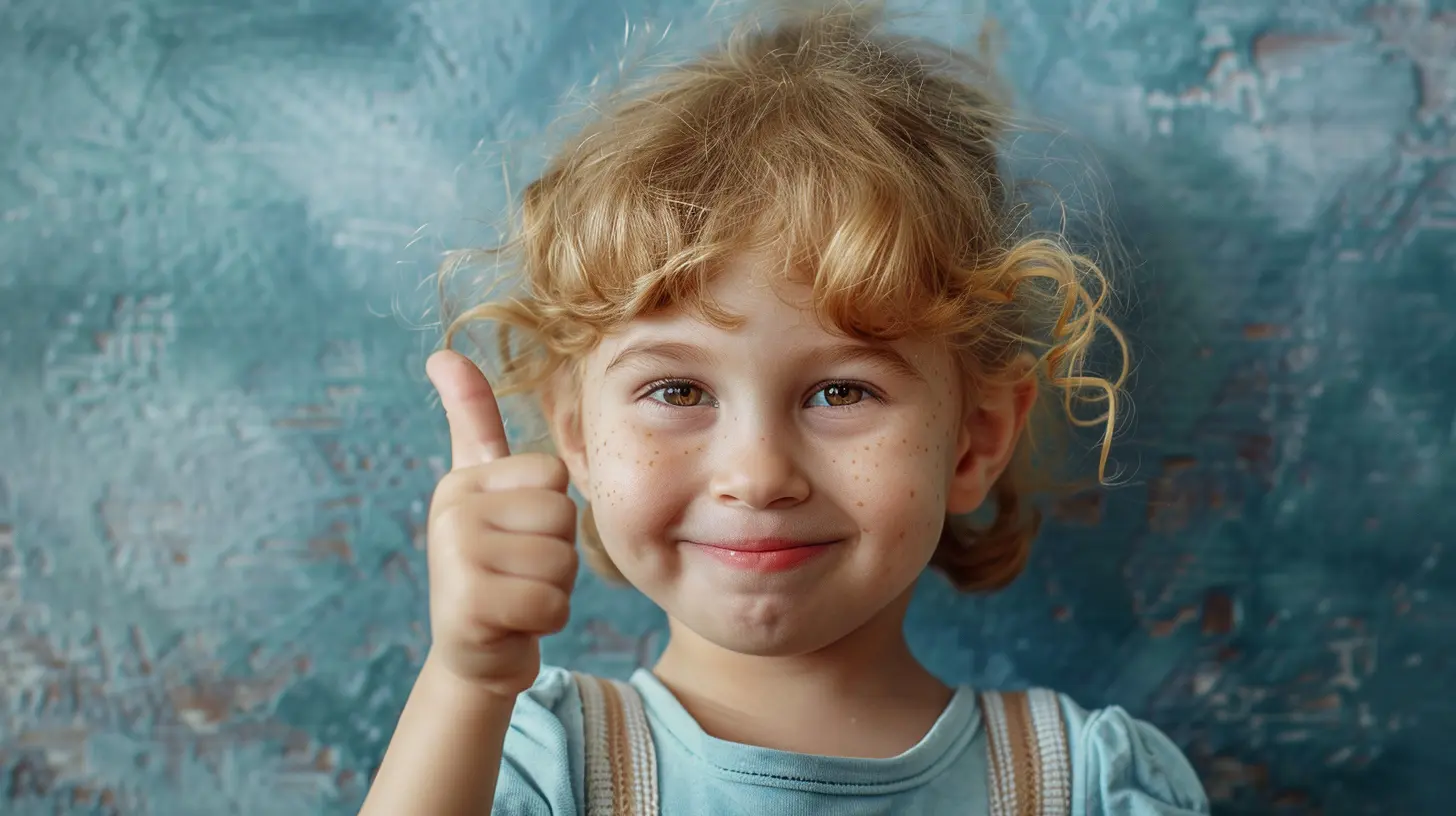
Why Is Gratitude So Important for Kids?
Gratitude is more than just saying "thank you" after receiving a toy or treat. It’s about fostering kindness, empathy, and an appreciation for the things and people in their lives. When kids develop a grateful mindset, they’re not only happier but also better equipped to handle challenges.Think about it: would you rather your child grow up focusing on what they don’t have or cherishing what they do? Gratitude helps shift their mindset from entitlement to appreciation. It’s a skill that can shape their relationships, boost their self-esteem, and even improve their mental health.
And here’s the kicker—it’s not something kids automatically learn. Which is where positive reinforcement comes in. 
How to Use Positive Reinforcement to Encourage Gratitude
Now that we’ve covered the basics, let’s talk about practical ways to use positive reinforcement to nurture a thankful heart in your kids.1. Catch Them in the Act of Being Grateful
When you notice your child expressing gratitude—whether it’s saying "thank you," sharing with a sibling, or showing appreciation for a small kindness—acknowledge it immediately.For example:
- "Wow, I noticed you thanked Grandma for your birthday gift without me reminding you. That was very polite of you!"
- Or, "You let your little brother take the first turn on the slide? That’s so kind. I’m really proud of how thoughtful you were."
This type of recognition reinforces the behavior you want to see. Kids love knowing they’re doing something right, and positive feedback makes it stick.
2. Create a Gratitude Jar or Journal
Who doesn’t love a fun activity? Set up a “gratitude jar” where everyone in the family can jot down things they’re grateful for and add them to the jar. Or get your kids a small notebook and encourage them to write (or draw) one thing they’re thankful for each day.Reward them for participation, even in small ways:
- "You’ve been so consistent with writing in your gratitude journal this week. Let’s have a mini movie night to celebrate your effort!"
- Or, "You wrote such a thoughtful entry about being thankful for your teacher. Let’s add an extra sticker to your chart."
Not only does this activity highlight positive moments, but it also encourages reflection—a key part of developing a grateful attitude.
3. Lead by Example
Let’s be real: kids are like little sponges, soaking up everything we do (both good and… not so good). If we want them to practice gratitude, it starts with us.Make a habit of expressing gratitude in your daily life. Say, “I’m so thankful for this delicious dinner you helped make” or “I really appreciate how patient you were while we waited in line.”
When they see gratitude in action, they’re more likely to mimic it. And hey, don’t forget to celebrate their attempts, even if they fall a little short.
4. Use a Reward System
Let’s talk about incentives for a second. No shame in using a reward system—kids are motivated by small perks!You could set up a sticker chart, where every act of gratitude earns a sticker. Once they hit a certain number, they get a reward like a trip to the park or their favorite dessert.
Here’s an example:
- Your child remembers to thank the cashier at the store? Sticker time!
- They show appreciation for their teacher? Sticker time again!
Just make sure the focus stays on the act of gratefulness, not just the reward.
5. Encourage Acts of Kindness
Gratitude and kindness go hand in hand. By encouraging your child to be kind, you’re indirectly fostering thankfulness too. After all, it’s easier to appreciate others when you’ve stepped into their shoes.Some ideas to try:
- Encourage your child to write thank-you notes after receiving gifts.
- Suggest donating toys or clothes they no longer use to those in need.
- Participate in fun volunteer activities as a family, like helping at a food drive.
When they participate, offer positive feedback: “You gave away your old toys to kids who need them? That’s so generous and thoughtful of you. I’m proud of the big heart you’re showing.” 
Common Pitfalls to Avoid
Let’s be honest—nobody’s perfect, and parenting is full of trial and error. Here are some things to watch out for when using positive reinforcement:- Don’t Overdo Rewards: If every small act of gratitude comes with a big prize, kids might start expecting rewards instead of internalizing the value of thankfulness. Balance is key!
- Avoid Being Too Heavy-Handed: Kids can sense pressure like a hawk. If you push too hard, it might backfire and make them resist. Instead, let gratitude blossom naturally over time.
- Be Patient: Habits take time. If your child isn’t showing gratitude overnight, don’t stress. Keep modeling and reinforcing it, and they’ll catch on.
Final Thoughts
Raising a grateful child might feel like swimming against the current in today’s fast-paced world, but with patience and positive reinforcement, it’s absolutely doable. It’s all about creating an environment where kindness, appreciation, and thankfulness are celebrated.Remember, gratitude isn’t about perfection—it’s about progress. So, take it day by day, celebrate the small wins, and watch as your child’s outlook begins to blossom.
And hey, don’t forget to pat yourself on the back too. You’re doing an amazing job.
all images in this post were generated using AI tools
Category:
Teaching GratitudeAuthor:

Max Shaffer
Discussion
rate this article
2 comments
Solenne McBride
Positive reinforcement fosters gratitude by highlighting and rewarding desired behaviors, shaping children's emotional development effectively.
December 8, 2025 at 3:21 PM
Max Shaffer
Thank you for your insightful comment! I completely agree that positive reinforcement plays a crucial role in shaping children's emotional development and fostering gratitude.
Grey Beck
Thank you for sharing these thoughtful insights! Positive reinforcement truly makes a difference in nurturing gratitude in our children. It’s heartwarming to see how small gestures can lead to lasting values.
December 3, 2025 at 4:45 AM
Max Shaffer
Thank you for your kind words! I’m glad you found the insights valuable. Positive reinforcement really does have a profound impact on fostering gratitude.