Childproofing Around Fireplaces and Wood Stoves
11 June 2026
Fireplaces and wood stoves add warmth and charm to any home, especially in the colder months. But if you have little ones crawling or toddling around, they can quickly turn into serious safety hazards. Kids are naturally curious—they love to explore, touch, and climb everything in sight. And when it comes to fire, curiosity can lead to dangerous accidents.
So, how do you keep your child safe while still enjoying the cozy ambiance of a fireplace or wood stove? In this guide, we'll walk you through the best ways to childproof these heating fixtures, offering practical solutions for a safer home.
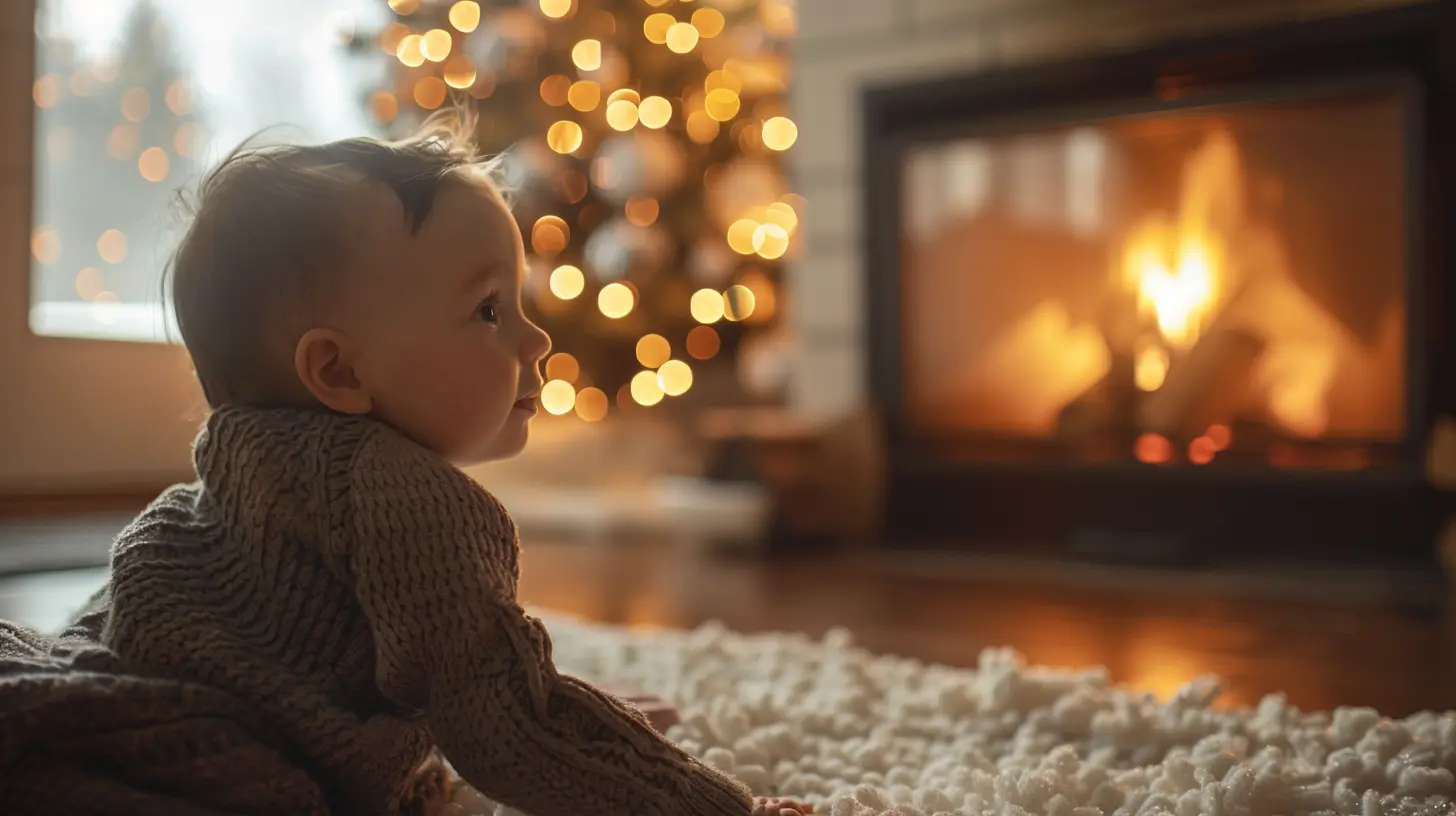
Why Childproofing Is Essential
A fireplace or wood stove can reach incredibly high temperatures, and even after the fire is out, surfaces stay hot for hours. Burns are a major risk, but they aren’t the only concern. Sharp edges, hard materials, and even loose fireplace tools can pose dangers to a small child.Childproofing isn’t about eliminating the fireplace or stove—it's about adding protective measures so you can still enjoy the warmth without constant worry.
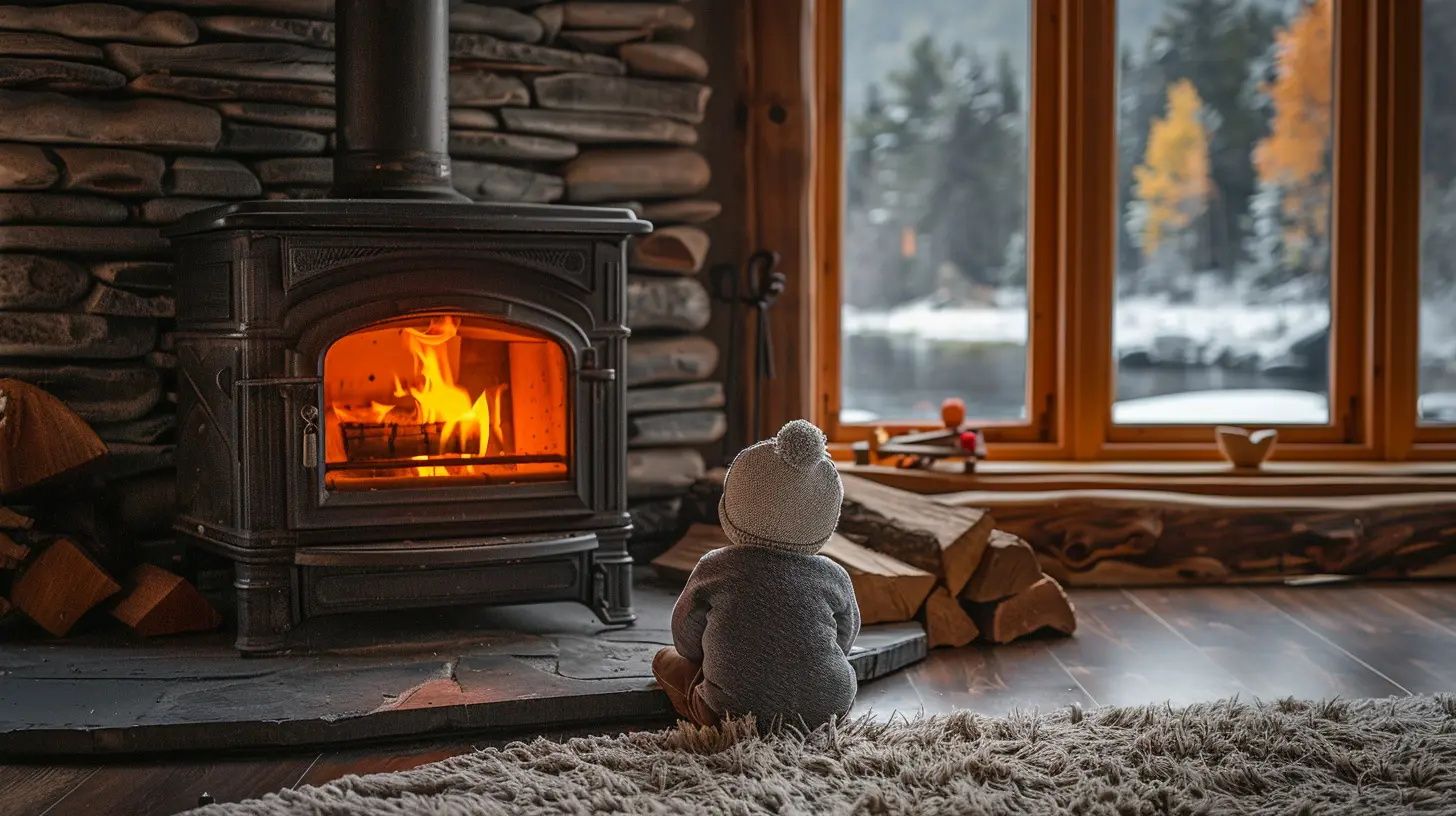
1. Install a Sturdy Safety Gate
One of the most effective ways to keep kids away from the fireplace is by installing a fireplace safety gate. These gates act as a physical barrier, preventing your child from getting close enough to touch or fall into the fire.Things to Look for in a Safety Gate:
- Heat-resistant materials: The gate should withstand high temperatures without warping.- Secure installation: Opt for wall-mounted gates instead of pressure-mounted options for extra stability.
- Height and durability: Ensure it's high enough that your little climber can’t scale it.
Brands like Regalo and KidCo offer reliable gates designed specifically for fireplaces and wood stoves.
2. Use a Hearth Cover
The edge of a fireplace hearth is usually made of stone, brick, or tile—all hard materials that can cause serious injuries if a child falls onto them. Hearth covers provide a cushioned barrier that softens any impact.You can choose from:
- Foam corner protectors (great for sharp edges)
- Full hearth pads (soft padding that covers the entire surface)
- DIY options (some parents use pool noodles or thick blankets)
A slip or tumble is inevitable with wobbly toddlers, but a good hearth cover can make those falls much less dangerous.
3. Keep Fireplace Tools and Accessories Out of Reach
Fireplace tools—pokers, tongs, and brushes—might look like fun toys to a child, but they pose serious risks. Store them in a locked cabinet, high shelf, or behind a secured barrier where little hands can’t grab them.Also, be mindful of firewood and kindling. Loose logs can roll or topple over, and some wood types splinter easily, creating a hazard for crawling babies. Keep everything tucked away in a sturdy storage bin or rack.
4. Invest in a Heat-Resistant Fireplace Screen
If you don’t want a full safety gate, a fireplace screen can serve as an extra layer of protection. Unlike traditional decorative screens, childproof versions are designed to stay in place and prevent direct access to flames.Look for screens that:
- Are securely attached or heavy enough that kids can’t move them
- Have a fine mesh to prevent little fingers from poking through
- Provide full coverage over the fireplace opening
5. Teach Fire Safety from an Early Age
While babyproofing is essential, teaching your child about fire safety as they grow up is just as important. Even toddlers can start learning that fireplaces and stoves are "hot" and "dangerous."Ways to Reinforce Fire Safety:
- Use simple, repetitive language: "Hot—don't touch!"- Set clear boundaries: Never allow kids to play near the fireplace, even when it's off.
- Supervise closely: Always be in the room when the fire is lit.
- Demonstrate the danger: Show them (from a safe distance) what happens when a piece of paper gets too close to a flame.
The more they understand, the less likely they are to test limits.
6. Consider an Electric Fireplace Alternative
If you haven’t yet installed a fireplace or are thinking about upgrading, an electric fireplace is a safer alternative for homes with small kids. They don’t produce real flames and usually remain cool to the touch, significantly reducing burn risks.Plus, many modern electric fireplaces mimic the real thing with lifelike flames and even heating features without the inherent dangers of real fire.
7. Lock Fireplace Doors and Stove Handles
Many fireplaces have glass doors, which can become dangerously hot when the fire is burning. A simple solution? Install heat-resistant door locks to keep kids from opening them.For wood stoves, consider locking the stove door and handles to prevent any accidental contact. Stove safety locks are widely available and can help keep curious hands at bay.
8. Use a Carbon Monoxide and Smoke Detector
Safety isn’t just about preventing burns—it's also about ensuring air quality. Fireplaces and wood stoves can produce carbon monoxide (CO), a colorless, odorless gas that can be fatal in high amounts.You should install:
- A carbon monoxide detector near the fireplace or stove
- A smoke detector to warn of unexpected fires
- Fire extinguishers in easy-to-access areas
Check batteries regularly and test devices monthly to ensure they’re working properly.
9. Secure Rugs and Furniture Around the Fireplace
Loose rugs or furniture placed too close to a fireplace can create tripping hazards or even catch fire if a stray ember escapes.Keep these fire-safe guidelines in mind:
- Use fire-resistant area rugs instead of standard fabric ones.- Keep furniture at a safe distance to prevent accidental tipping or climbing.
- Eliminate tripping hazards by using non-slip rug pads.
10. Never Leave a Fire Unattended
No amount of childproofing can replace constant supervision when a fire is burning. Young children are quick, and accidents can happen in seconds.Whenever the fireplace or stove is in use:
- Stay in the room at all times.
- Never leave burning fires unattended, even briefly.
- Extinguish fires completely before leaving the house or going to bed.
A small slip-up can lead to a disaster, so it's always better to be safe than sorry.
Final Thoughts
Childproofing around fireplaces and wood stoves doesn’t mean sacrificing comfort or aesthetics—it just means making your home a safer place for your little one to explore. By installing safety gates, using heat-resistant barriers, and teaching fire awareness from an early age, you can enjoy the warmth of your fireplace without the fear of accidents.At the end of the day, your child’s safety is worth every precaution. Stay vigilant, reinforce boundaries, and create a cozy but secure space for your family.
all images in this post were generated using AI tools
Category:
ChildproofingAuthor:

Max Shaffer
Discussion
rate this article
2 comments
Zanthe Hunter
Great tips! Safety first when kids are around fires.
July 24, 2026 at 3:02 PM
Max Shaffer
Thanks! Keeping kids safe near fires is so important. Glad you found the tips helpful!
Vance Vaughn
Essential tips for a safer home.
June 22, 2026 at 3:22 PM
Max Shaffer
I'm glad you found the tips helpful! Keeping homes safe for children is so important, especially around fireplaces and wood stoves.