Celebrating Cultural Roots Without Imposing Them
10 November 2026
Cultural heritage plays a vital role in shaping our identities and values. For parents, sharing their cultural roots with children can instill pride and connection. However, a delicate balance must be struck between celebration and imposition. How can parents honor their traditions while allowing children the freedom to explore their own identities? This article provides insights and guidance on achieving that balance.
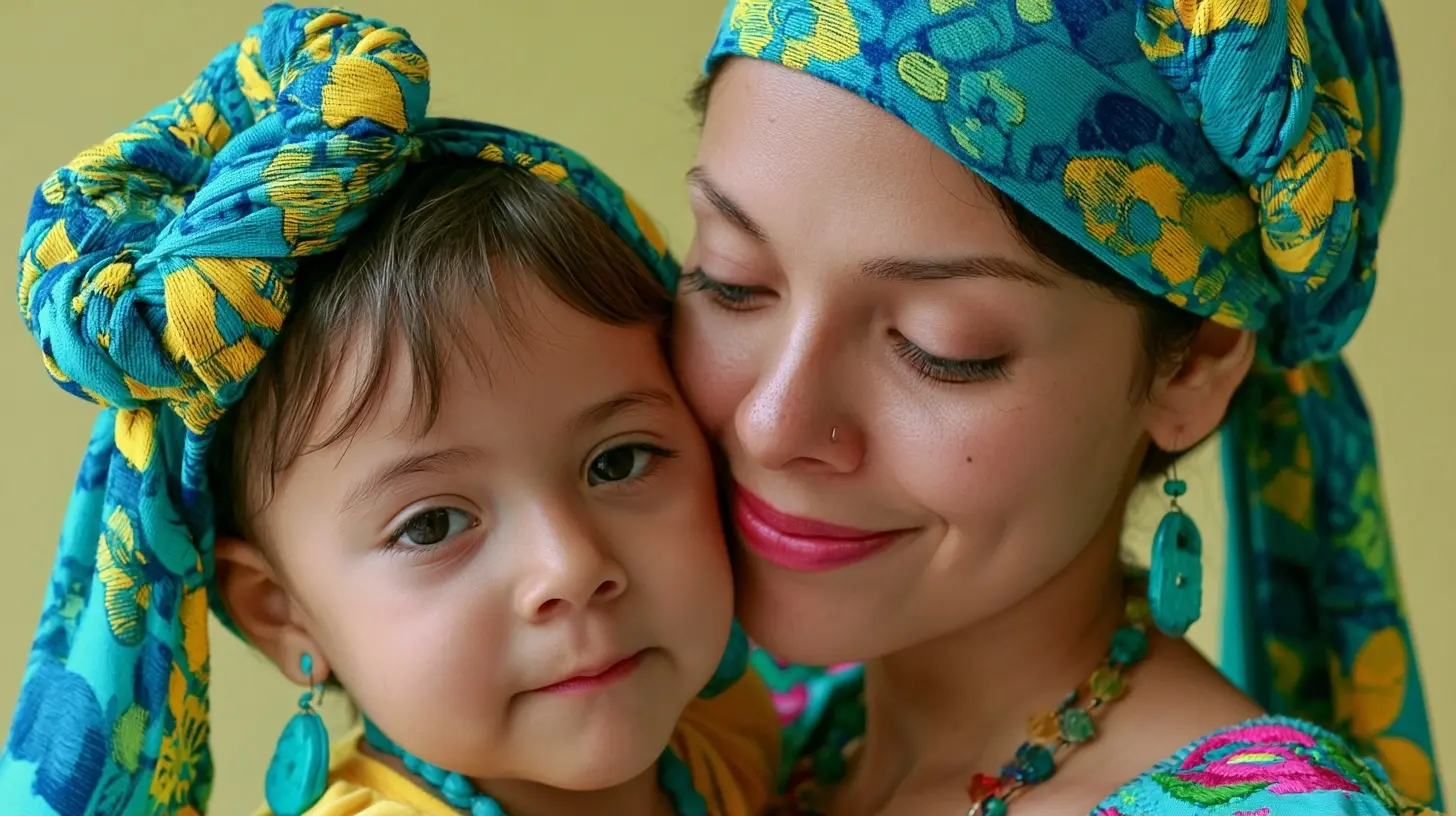
Understanding Cultural Identity
What is Cultural Identity?
Cultural identity encompasses the beliefs, values, customs, and experiences that define a group of people. It is formed through shared experiences, language, traditions, and social interactions. Children absorb cultural identity from their families, communities, and environments. The process of developing cultural identity is complex, influenced by various factors, including ethnicity, religion, and even geographic location.Why is Cultural Identity Important?
Cultural identity serves several essential functions in a child's development. It promotes a sense of belonging, provides a framework for understanding the world, and fosters resilience. When children feel connected to their cultural roots, they are often more confident and equipped to navigate challenges. This connection can also cultivate empathy and respect for diversity in a multicultural society.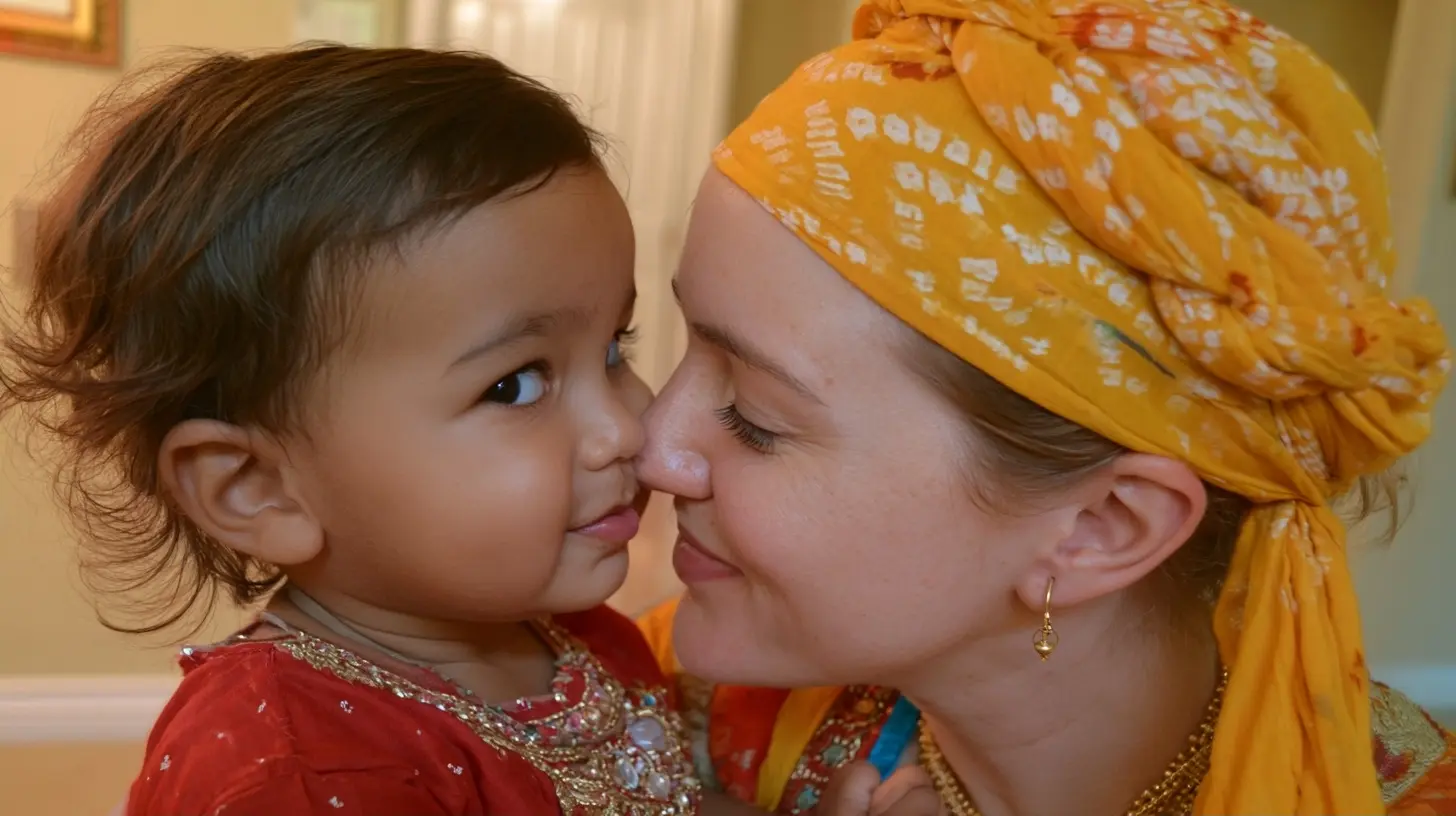
The Challenges of Imposing Cultural Roots
Defining Imposition
Imposing cultural roots refers to the act of pushing one's cultural beliefs and practices onto children without considering their perspectives or feelings. This can manifest as strict adherence to traditions, expectations regarding behavior, or discouragement of exploration outside of the family's cultural framework.The Consequences of Imposing Culture
When cultural roots are imposed rather than celebrated, several issues can arise:1. Rebellion: Children may resist imposed beliefs and traditions, leading to conflict within the family.
2. Loss of Agency: Imposition can strip children of their ability to make choices and develop their own identities.
3. Cultural Disconnection: Children may disengage from their cultural heritage altogether if they feel it is being forced upon them.
Common Misconceptions
Many parents believe that imposing their cultural practices is the best way to ensure their children maintain a connection to their heritage. However, this belief often overlooks the importance of autonomy in a child's development. Autonomy allows for personal growth and helps children assimilate cultural values in a way that feels authentic to them.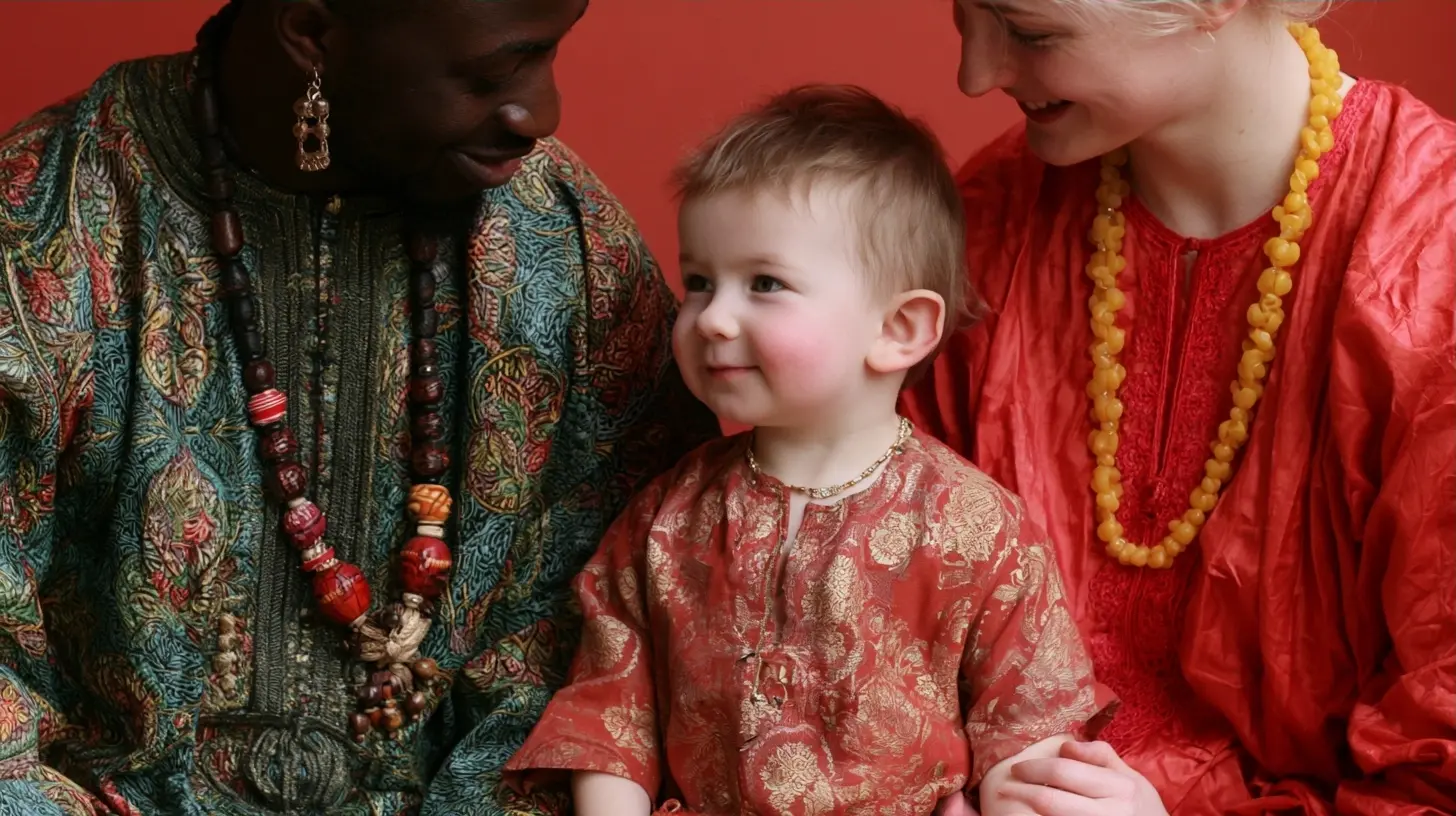
Strategies for Celebrating Cultural Roots
1. Engage in Open Dialogue
Importance of Communication
Open dialogue allows children to express their feelings about cultural traditions. It is essential to create a space where children feel comfortable sharing their thoughts and asking questions. This two-way communication fosters understanding and strengthens family bonds.Practical Tips
- Schedule regular family discussions focused on cultural topics. This can include sharing stories about ancestry, discussing the significance of specific traditions, or exploring cultural artifacts together.- Encourage children to voice their opinions and feelings about cultural practices. Listen actively and validate their perspectives, even if they differ from your own.
2. Involve Children in Cultural Practices
Empowering Participation
Involving children in cultural practices can help them feel connected without feeling imposed upon. When children take part in traditions, they are more likely to appreciate and embrace them.Practical Tips
- Invite children to help prepare traditional meals or participate in cultural celebrations. For instance, if you celebrate a holiday with specific foods, encourage them to assist in cooking or setting up.- Allow children to choose which traditions they wish to participate in. This choice can lead to a more meaningful connection to those practices.
3. Emphasize Values Over Rigid Traditions
Focusing on Core Principles
Instead of rigidly adhering to all traditions, parents can highlight the underlying values. This approach encourages children to internalize the essence of cultural practices rather than merely perform them.Practical Tips
- Discuss the values behind specific cultural traditions. For example, if a holiday emphasizes family togetherness, focus on fostering strong family bonds rather than strictly following every ritual.- Frame cultural teachings in a way that relates to modern life. This can help children see the relevance of these values in their daily experiences.
4. Allow for Exploration of Other Cultures
Encouraging Broad Perspectives
Encouraging children to explore cultures outside their own can enrich their understanding and appreciation of diversity. This exploration can help them develop a well-rounded identity rooted in multiple influences.Practical Tips
- Expose children to diverse cultural experiences through books, films, or community events. Encourage them to ask questions and share their thoughts.- Facilitate friendships with peers from different backgrounds. This interaction can provide children with firsthand experiences of various cultures and traditions.
5. Create Family Traditions that Blend Cultures
Merging Identities
Creating new family traditions that incorporate elements from various cultures can provide a sense of unity while celebrating diversity. This blending allows for a unique tradition that reflects the family's identity.Practical Tips
- Consider cultural elements from both parents' backgrounds or even incorporate local customs. For example, if one parent is from Italy and the other is from Mexico, you might create a fusion holiday meal that combines dishes from both cuisines.- Encourage children to contribute ideas for new traditions. This participation can foster a sense of ownership and investment in the cultural practices.
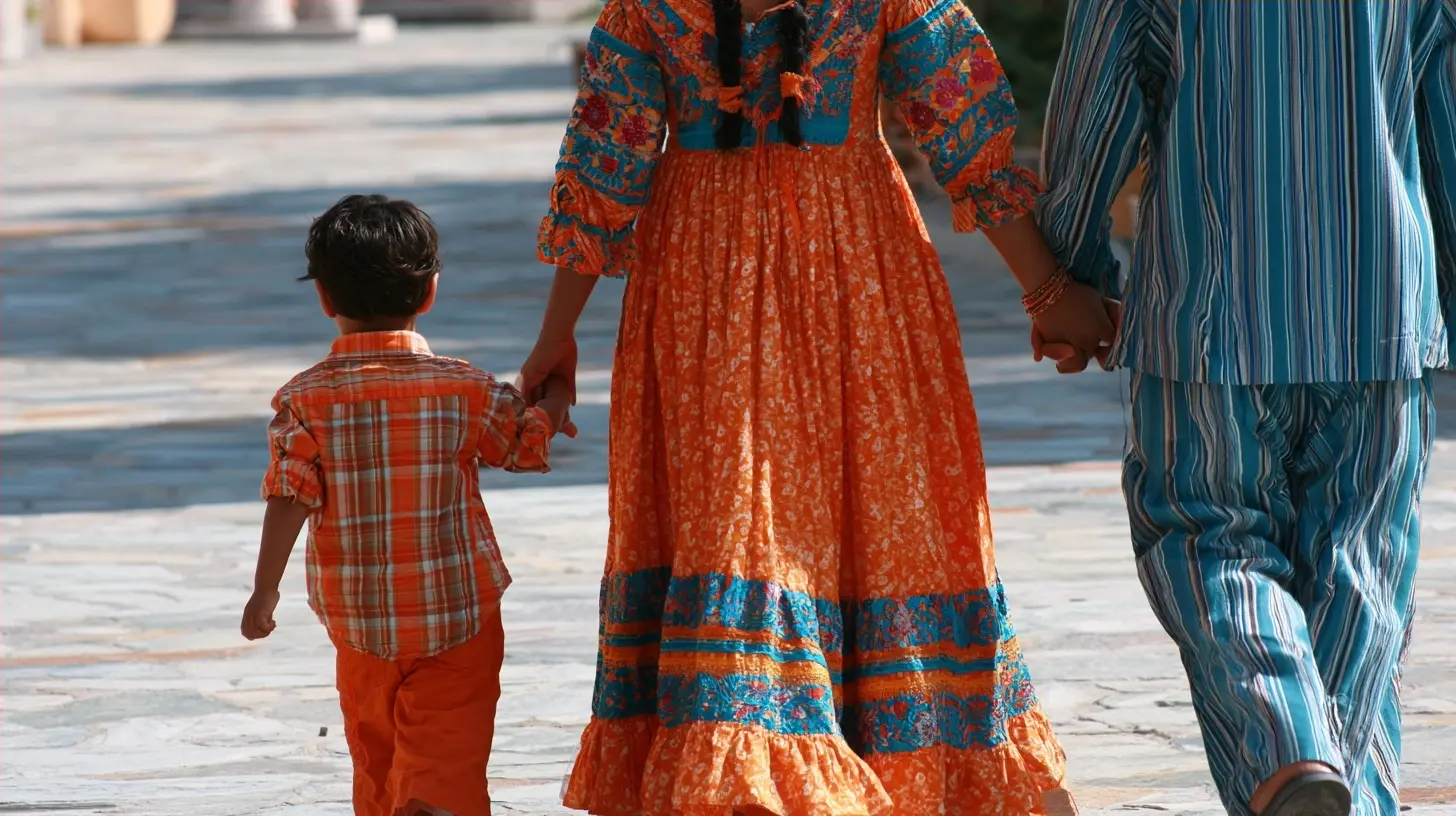
The Role of Education in Cultural Awareness
Encouraging Cultural Education
Educating children about their cultural roots and the backgrounds of others can foster understanding and respect. This education can occur both at home and in formal educational settings.Practical Tips
- Utilize resources such as books, documentaries, and cultural events that focus on different cultures. Encourage children to reflect on what they learn.- Partner with educators to promote inclusive curricula that celebrate various cultural backgrounds. This approach can help children see the value in diversity.
Addressing Stereotypes and Misconceptions
It is crucial to challenge stereotypes and misconceptions about different cultures. This work contributes to a more nuanced understanding and combats biases that children may encounter.Practical Tips
- Engage children in conversations about stereotypes they may hear in media or school. Discuss why these stereotypes are harmful and provide alternative perspectives.- Encourage critical thinking by asking children how they would respond to stereotypes or misconceptions when encountering them.
Balancing Tradition and Modernity
Navigating Change
Cultural practices are not static; they evolve over time. Striking a balance between honoring tradition and adapting to modern contexts can be challenging.Practical Tips
- Stay informed about how your culture is evolving. Attend cultural events and engage with community leaders to understand contemporary practices.- Discuss with children how certain traditions might change over time. Encourage them to think about how they might carry forward or adapt these traditions in their lives.
Conclusion
Celebrating cultural roots without imposing them requires careful consideration and intentionality. By fostering open communication, encouraging participation, and creating a space for exploration, parents can help children appreciate their cultural heritage while also allowing them the freedom to develop their own identities. It is this balance that nurtures a respectful, connected, and resilient sense of self for the next generation.
all images in this post were generated using AI tools
Category:
Parenting And CultureAuthor:

Max Shaffer